arrow_back Back to all stories

person Emily Watlington

newspaper ARTnews article 33 articles

As Full-Time Art Critics All But Disappear, What Can We Learn From the Retiring Generation?

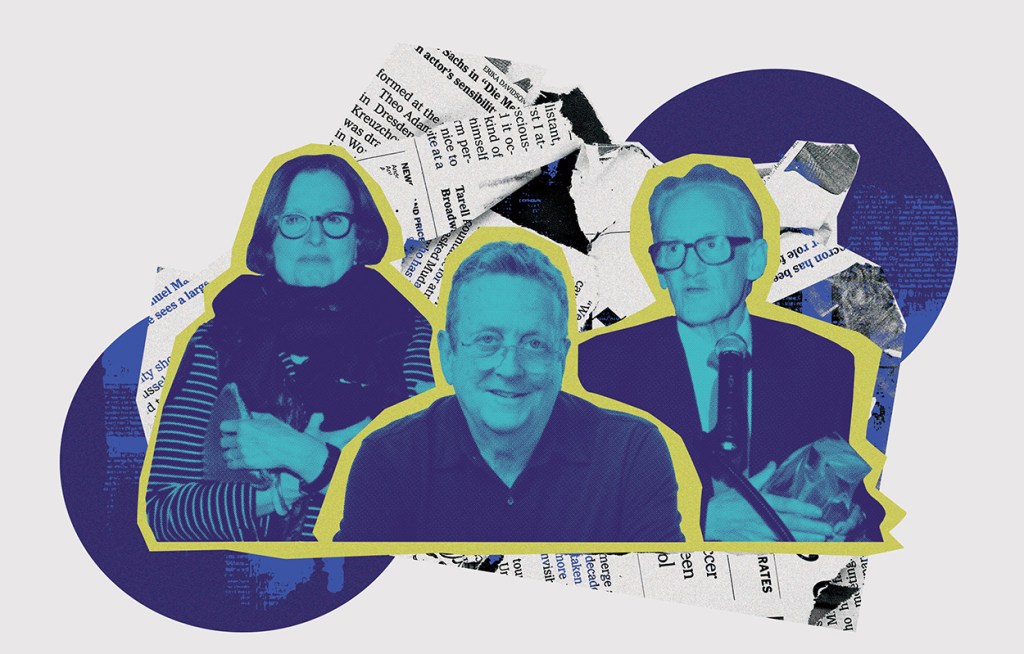
Christopher Knight retired as art critic at the Los Angeles Times at the end of 2025, marking the departure of the last of three major U.S. critics of the postmodern era. Roberta Smith retired from The New York Times in 2024, and Peter Schjeldahl died in 2022. The article reflects on the dwindling number of full-time art critic positions, from an estimated 30 in 2008 to fewer than 10 by 2013, with the trend pointing toward zero. The author, a freelance critic, recounts the accidental path many critics take, the challenges of freelance work, and the value of consistent local criticism, using the example of William Wilson at the Los Angeles Times.
What We Miss When We Flatten Georgia O’Keeffe Into a Feminist Icon

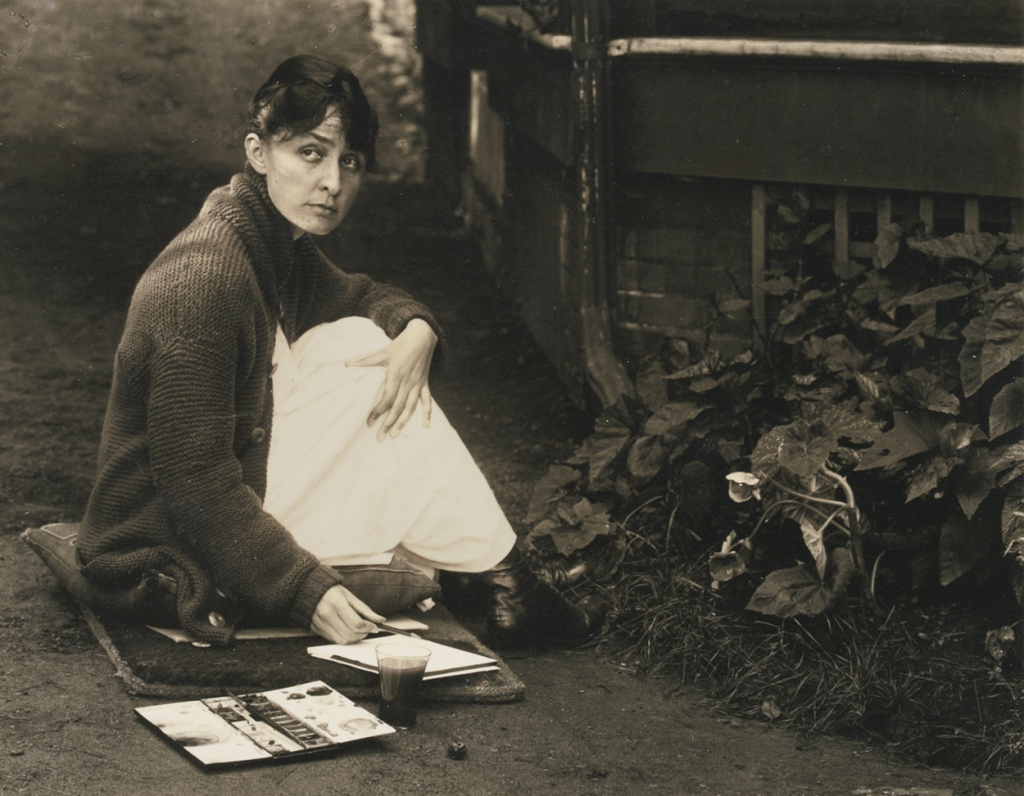
A new documentary, *Georgia O'Keeffe: The Brightness of Light*, directed by Paul Wagner, explores the artist's life and work, but its release timed around Mother's Day sparks criticism for reducing O'Keeffe to a maternal stereotype. The film delves into O'Keeffe's complex relationship with husband and gallerist Alfred Stieglitz, her rejection of sexualized interpretations of her flower paintings, and her determination to prioritize art over conventional womanhood.

Kinlaw’s Performances Are High Stakes, No Net.

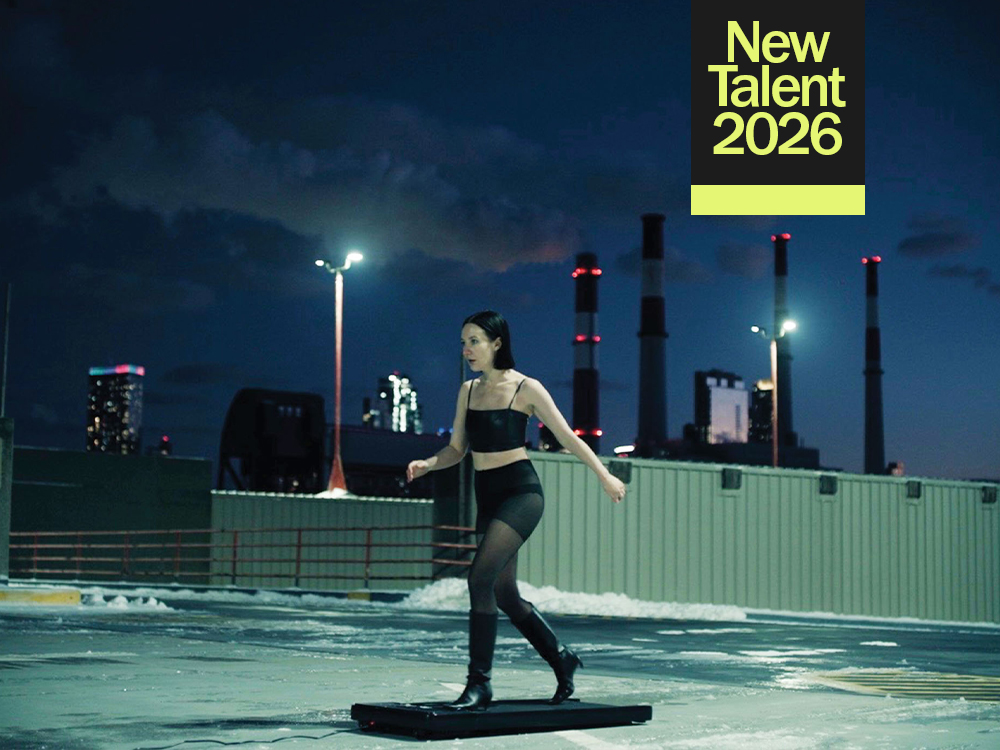
Performance artist Kinlaw, known for high-risk, physically demanding works, is profiled ahead of her upcoming project *FALL RISK*. The article details her two-year residency in Bell Labs' anechoic chamber, an unauthorized rooftop concert in SoHo on the day of Luigi Mangione's arraignment, and a previous iteration of *FALL RISK* at Art Omi where she was suspended 128 feet in the air by a crane while narrating her mother's medical struggles. She is now planning a version in Times Square, dangling above industries that calculate the cost of human life.

Ren Light Pan Dramatizes the Dilemma of the Trans Artist.

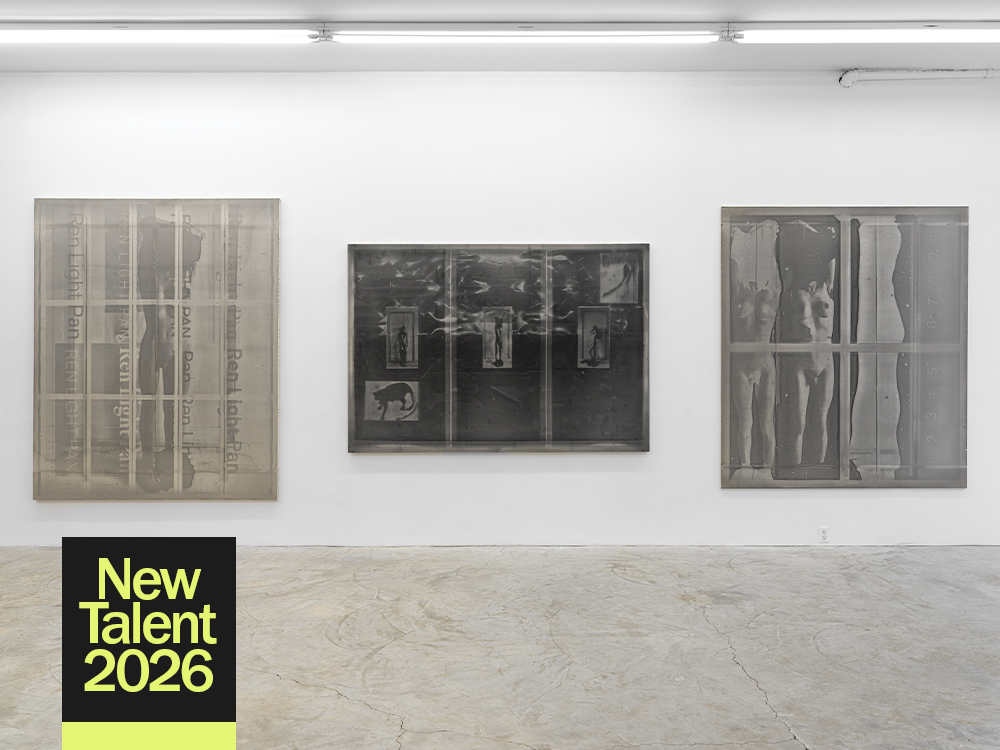
Ren Light Pan, a transgender artist working in a tiny New York studio, creates striking duotone images using a self-invented process involving ink, water, heat lamps, and transparent film. Her recent works center on the classical figure of Sleeping Hermaphroditus, a marble Roman copy of an ancient Greek bronze, which she reproduces from a photograph that includes spectators' legs. Pan's method, which she developed to circumvent perfectionist tendencies, involves suspending a primed canvas over a mixture of ink and water, then applying heat to transfer the image over one to two hours. She has also made works based on her own body, though she has abandoned the durational performance aspect since transitioning.

The 21st Century’s Biggest Art Trend is Not a Style. But Once You See It, You’ll Notice It Everywhere.

The article traces the evolution of "systems art," a term coined by critic Jack Burnham in 1968 to describe art that uses rules, seriality, and repetition to mirror and reveal the growing protocols of the Cold War era. It highlights early practitioners like Kenneth Noland, Robert Morris, Dan Flavin, and notably Hans Haacke and Adrian Piper, who shifted from atmospheric systems (e.g., Haacke's *Condensation Cube*) to social systems (e.g., Haacke's *Shapolsky et al. Manhattan Real Estate Holdings*). The piece argues that systems thinking has become unavoidable in contemporary life—from algorithms to systemic racism—and that art remains a crucial tool for making these invisible systems legible.

Elle Peréz Gets Personal with the Next-Gen Collectors Changing the Art World

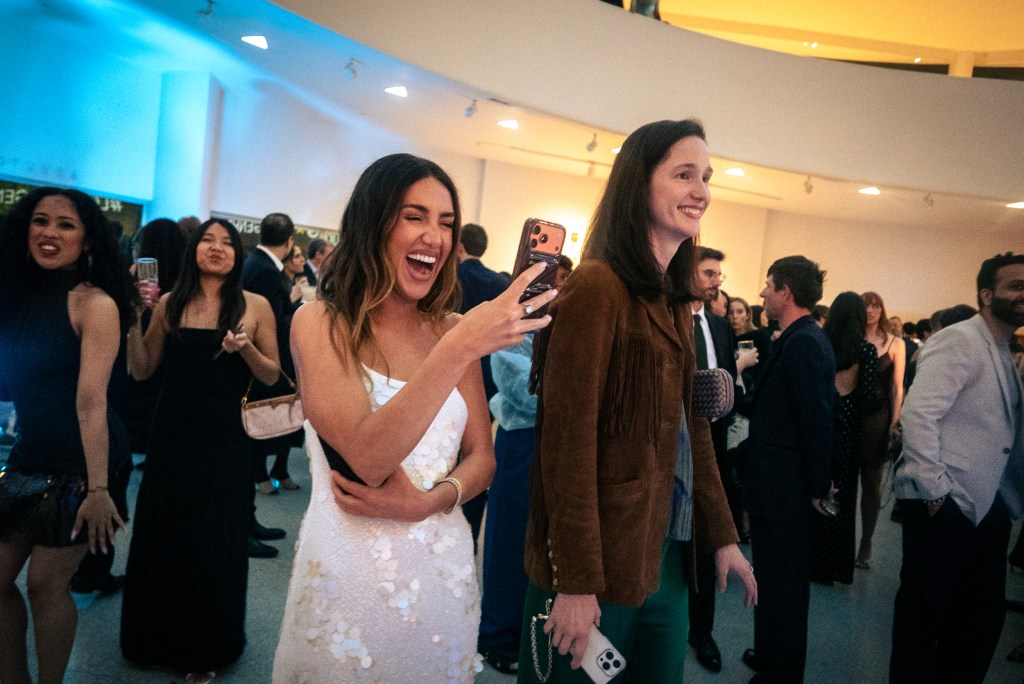
Elle Peréz, a photographer and co-chair of the Young Collectors Council (YCC) at an unnamed museum, discusses the group's activities in an interview. The YCC meets twice a year to acquire artworks through a transparent process involving curator presentations and studio visits, with members voting on acquisitions. Peréz highlights the party celebrating Diane Severin Nguyen's commissioned piece, noting the seamless integration of music, art, and aesthetics, and emphasizes that the acquisition meetings are the core of the group's appeal.

Two of Modernism’s Lesbian Icons Get the Novel Treatment

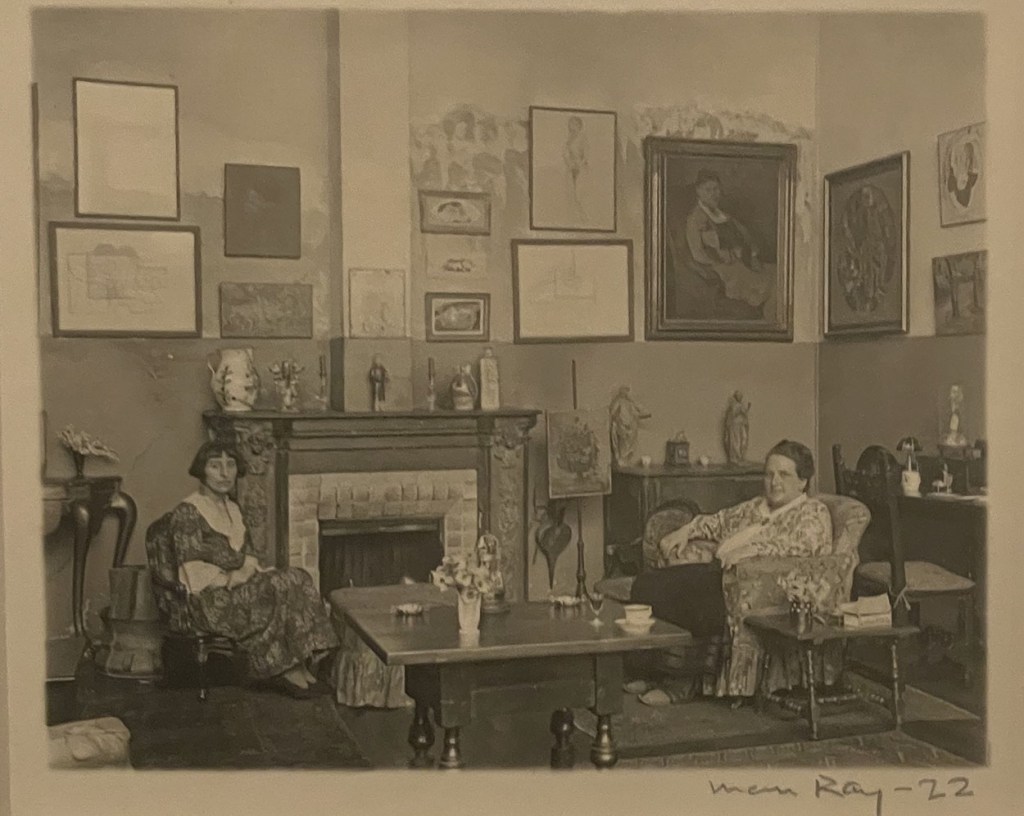
Deborah Levy's novel "My Year in Paris with Gertrude Stein" follows an unnamed narrator who travels to Paris to write an essay about Gertrude Stein, struggling with the weight of Stein's legacy while visiting her grave at Père Lachaise cemetery. The book explores Stein's life as a modernist icon, her relationship with Alice B. Toklas, and her role as a host to figures like Pablo Picasso and Ernest Hemingway, while the narrator grapples with Stein's defiant personality and literary style.

How Former Fashion Designer Emma Safir Turns Fabric into Beguiling Paintings

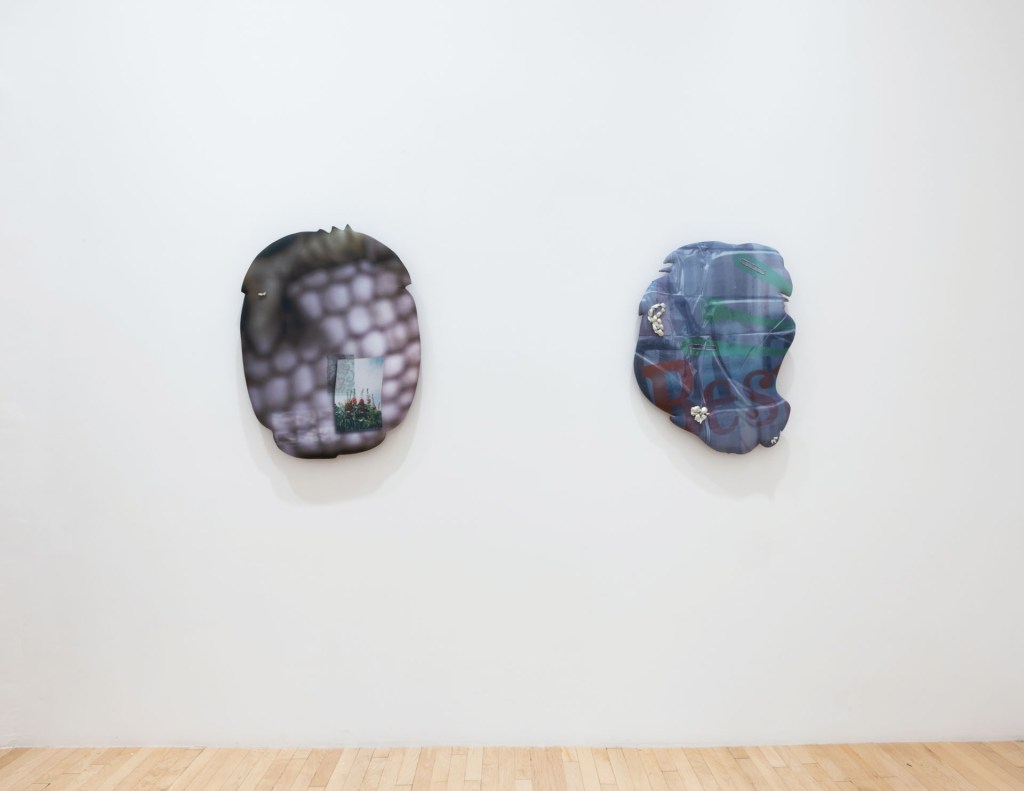
Emma Safir, a former fashion designer and printmaker, creates beguiling paintings and tapestries that blend textiles, digital printing, and traditional embroidery techniques. Her works, such as "APRICOT SILK" (2025) and "BABY DARLING" (2025), use smocking, glass beads, and shells to produce organic, jewel-toned surfaces that resist easy reflection or entry, challenging viewers to engage with layered material hierarchies.

Malo Chapuy Reimagines Medieval Art on the Cover of our New Talent Issue

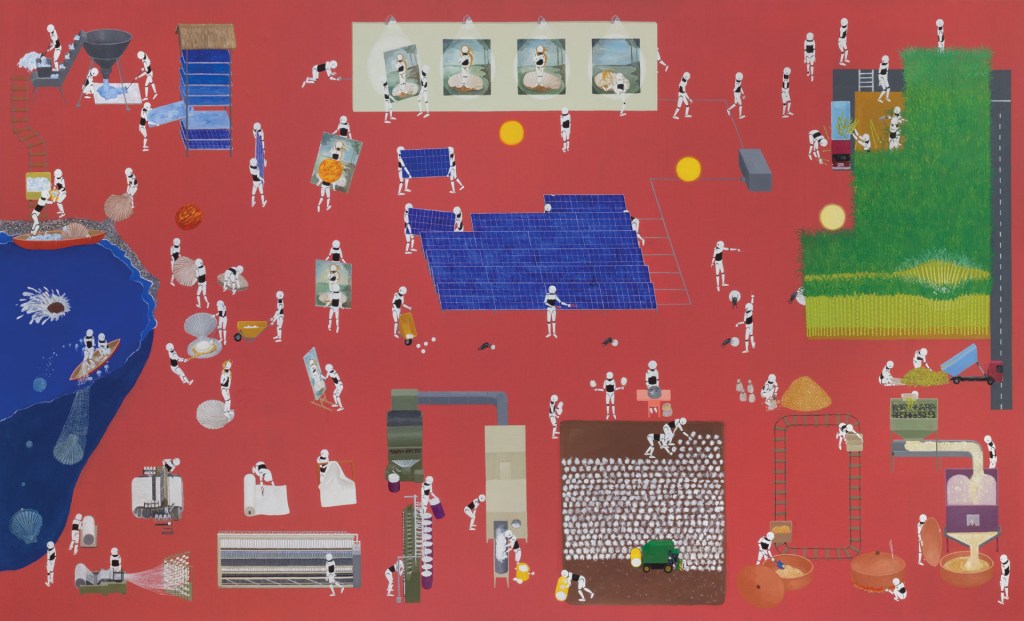
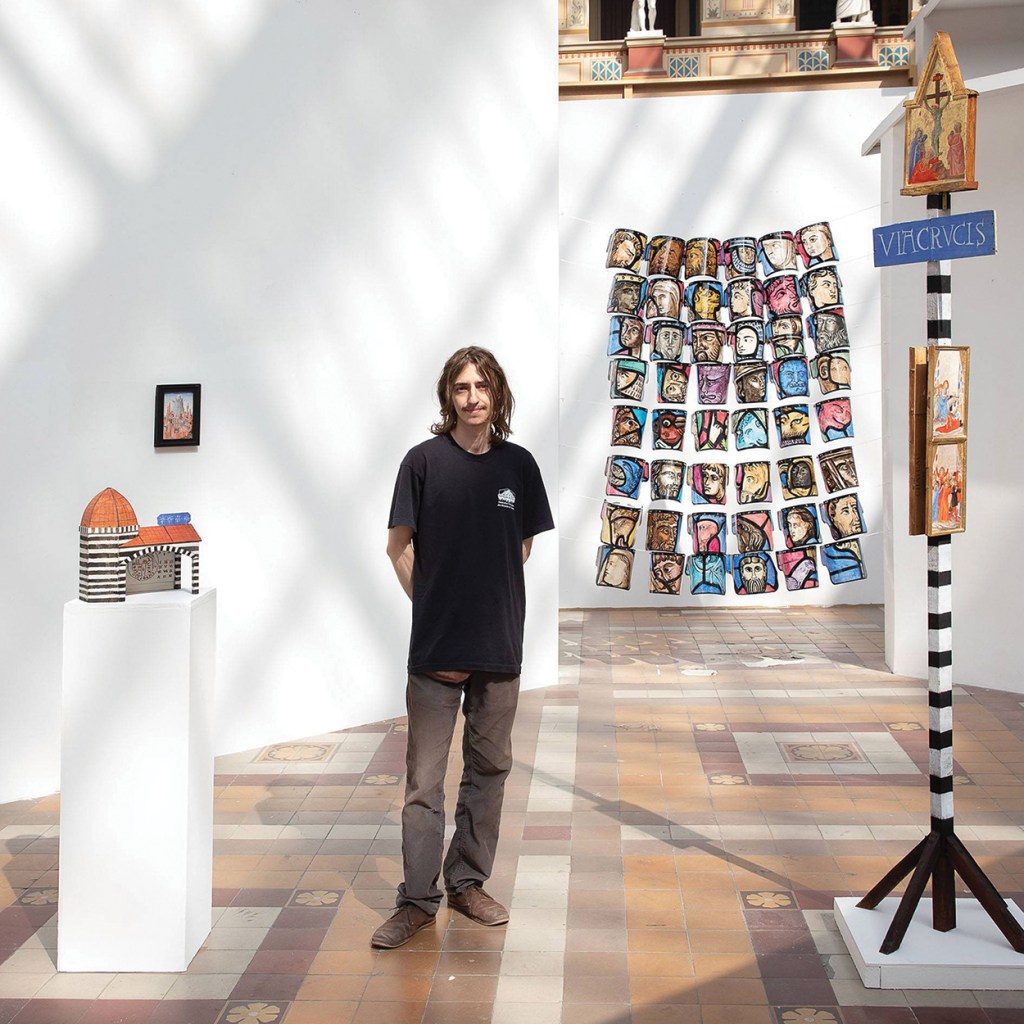
Malo Chapuy's painting *Virgin with Codex* (2025) appears on the cover of Art in America's new talent issue. In an interview from his Paris studio, Chapuy explains how he reinterprets medieval and early Renaissance Flemish painting by mixing its motifs with contemporary and sci-fi elements, such as gothic cathedral spaceships and QR codes designed to function like medieval manuscripts for future postapocalyptic monks. He describes his process as making "forgeries," using traditional techniques like oil on wood panels, homemade lead white, and self-carved frames to mimic aged Old Master works while addressing themes of ecological collapse, apocalyptic anxiety, and planetary exile.

The Met’s Frida & Diego Opera Imagines Feminist Revenge from Beyond the Grave

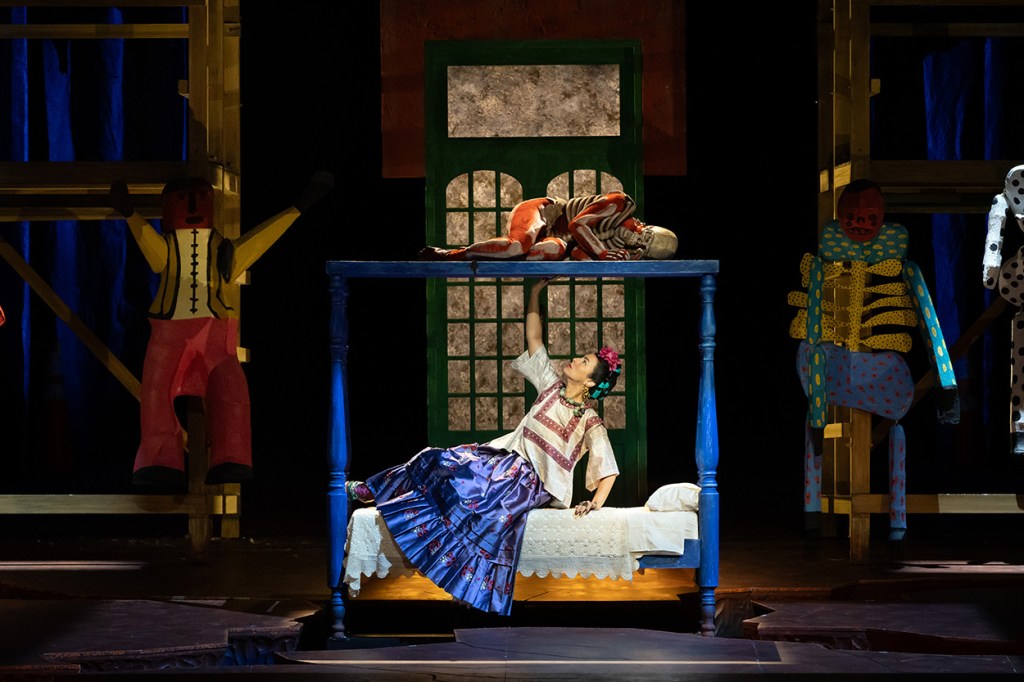
The Metropolitan Opera has opened "El Último Sueño de Frida y Diego," a new opera by composer Gabriela Lena Frank and librettist Nilo Cruz that imagines Frida Kahlo returning from the underworld during Día de los Muertos for a reunion with her husband Diego Rivera. The production features mezzo-soprano Isabel Leonard as Frida, Carlos Álvarez as Diego, and choreography by Deborah Colker, with sets by Jon Bausor that evoke Kahlo's iconic paintings and mirror. The opera explores themes of pain, creativity, and marital strife, granting Kahlo physical freedom denied to her in life while centering her perspective over Rivera's.

One Erased Vermeer, Two Books, and No Consensus

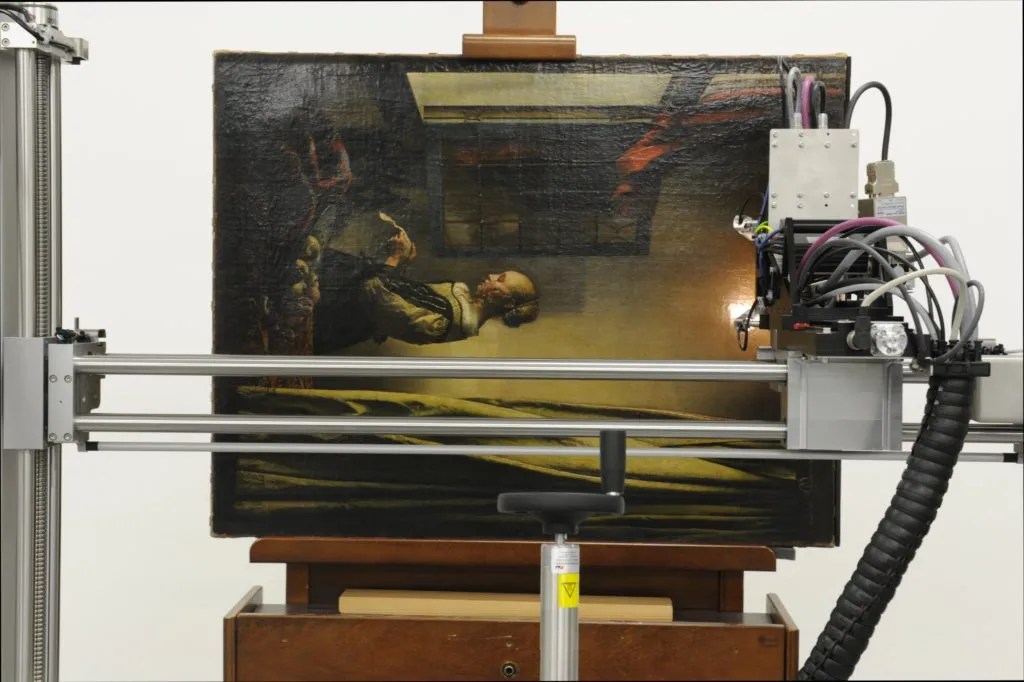
Two new books examine the legacy of Johannes Vermeer from contrasting angles. Ruth Bernard Yeazell's "Vermeer's Afterlives" (Princeton University Press) explores how the artist's open-ended, figureless interiors have inspired later creators, from painter George Deem to novelist Tracy Chevalier. Andrew Graham-Dixon's "Vermeer: A Life Lost and Found" restores the historical and religious context of 17th-century Delft, arguing that modern readings have overlooked the original meanings of Vermeer's works.

5 Art Novels to Read This Summer

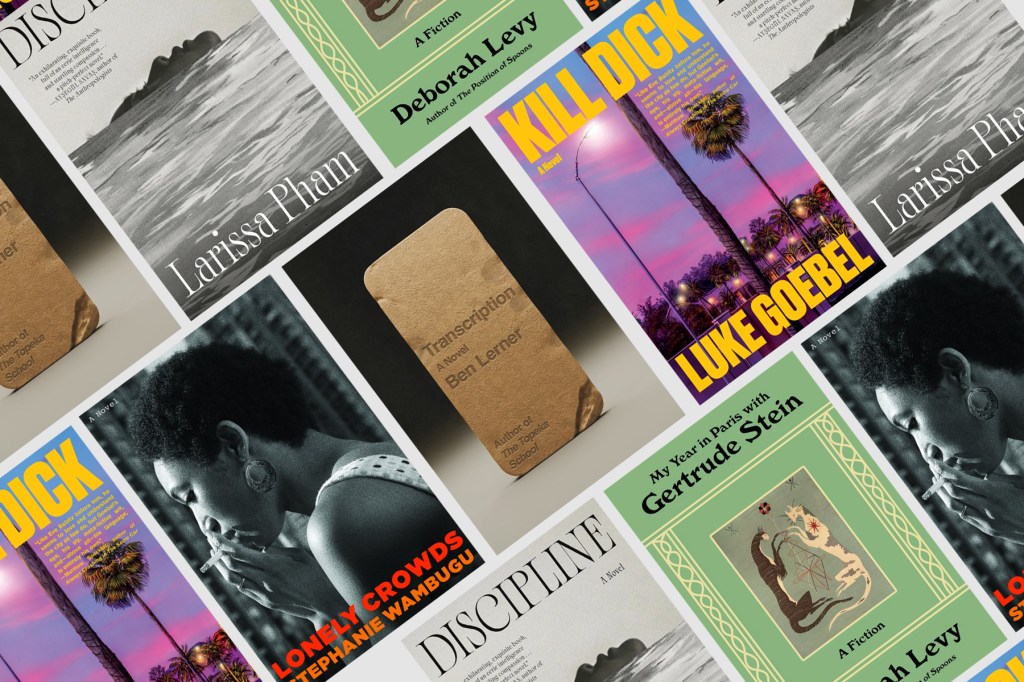
ARTnews has published a list of five art novels to read this summer, all released within the past year. The featured books include Ben Lerner's 'Transcription,' Larissa Pham's 'Discipline,' Deborah Levy's 'My Year in Paris with Gertrude Stein: A Fiction,' Stephanie Wambugu's 'Lonely Crowds,' and Luke Goebel's 'Kill Dick.' Each novel explores how art emerges through relationships—with friends, mentors, parents, lovers, and historical artists—offering a range of perspectives from anxious inner monologues to satirical critiques of the art world.

Two Museums Take on Performative Masculinity, Looksmaxxing, Incels, and Other Macho Buzzwords That Don’t Belong There.

The Stedelijk Museum and Kunstmuseum St. Gallen have co-organized an exhibition titled "Beyond the Manosphere: Masculinities Today," which aims to critically examine contemporary masculinity and its online manifestations such as incels, looksmaxxing, and pickup artists. The show features works by artists including Reba Maybury and Richard Serra, and is curated by Melanie Bühler, with directors Rein Wolfs and Gianni Jetzer overseeing the project. The exhibition will travel from the Stedelijk to the Kunstmuseum St. Gallen later this year.

Venice Diary Day 3: Offsite Highlights Include Fleshy Films and Vegetarian Videos

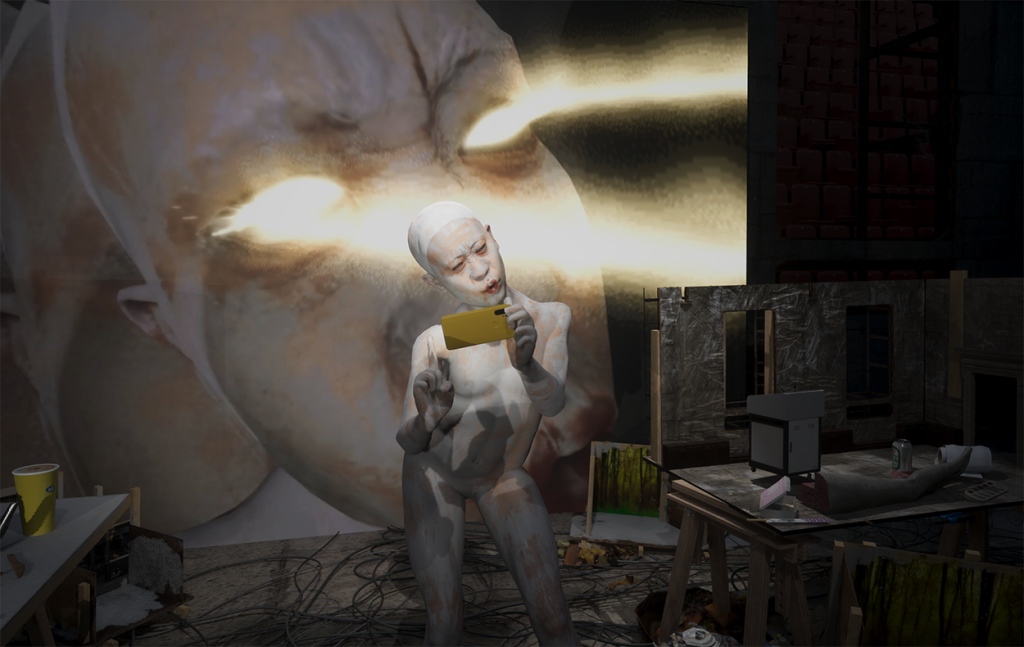
The article reports on the author's third day at the Venice Biennale, focusing on offsite exhibitions. Highlights include Li Yi-Fan's animated video "Screen Melancholy" (2026) at the Taiwan Pavilion, described as chaotic, absurdist, and uncanny, featuring a naked CGI character interacting with ChatGPT. The author also praises Janis Rafa's video installation "Baby I'm Yours, Forever" (2026) at Fondazione In Between Art Film, which transforms scenes from a meat refrigeration plant into haunting surreal imagery. The piece notes the resurgence of video art, aided by LED screens that create immersive environments.

Venice Diary Day 2: “In Minor Keys” Is a Major Statement on Perseverance and Play

The article is a diary entry from the 2026 Venice Biennale, focusing on the exhibition "In Minor Keys" curated by the late Koyo Kouoh. The author describes an emotional experience, beginning with a poem by Refaat Alareer on the Arsenale wall, and highlights works by Guadalupe Maravilla, Alexa Kumiko Hatanaka, and others that address themes of perseverance, healing, and survival. Maravilla's sculptures reference a child kidnapped by ICE, while Hatanaka's linocuts explore bipolar disorder as an adaptive trait. The show also features artist-led collectives like Denniston Hill and fierce pussy, emphasizing institution-building and world-making.

Venice Diary Day 1: At the Giardini, Artists Refuse to Make Fascism Cozy

Henrike Naumann's posthumous installation at the German Pavilion, which retains its 1938 Nazi-era fascist architecture, refuses to make the space 'cozy' by adorning windows with violently ripped domestic fabrics. The 2026 Venice Biennale is the first under president Pietrangelo Buttafuoco, associated with neo-fascist politics, and is overshadowed by controversy over his 'neutrality' policy allowing all countries to participate despite human rights concerns. The exhibition jury initially announced it would not consider pavilions from countries whose leaders are charged with crimes against humanity, then abruptly quit, leaving the situation unresolved. The US Pavilion features unimpressive blobs by Alma Allen, while the Russian Pavilion offers cut flowers and free vodka, and Andreas Angelidakis responds to fascist aesthetics at the Greek Pavilion.

Trevor Paglen’s New Book Says AI Is Rewriting What Images Do

Artist Trevor Paglen has published a new book, *How to See Like a Machine: Images After AI*, which argues that generative AI and computer vision are fundamentally changing how images function in culture. Drawing on his decade-long practice, Paglen contends that images are no longer merely representations for human interpretation but have become operational tools—'activations' that trigger automated responses and shape reality. He cites examples such as surveillance cameras at grocery stores, the Samsara navigation system in trucks, and the ImageNet database to illustrate how machine vision systems normalize surveillance in service of capital, a phenomenon he terms 'machine realism.'

After His Untimely Death, Rutherford Chang’s Survey Rewrites What a Square Can Do

Rutherford Chang, who died last year at age 45, is the subject of a posthumous survey at UCCA Center for Contemporary Art Beijing titled "Hundreds and Thousands." The exhibition centers on Chang's socially engaged works that explore value, circulation, and systems through the deceptively simple form of the square. His best-known piece, "We Buy White Albums" (2013–25), involved amassing roughly one percent of the first pressing of the Beatles' "White Album," highlighting how objects accrue personal and economic worth through use and history. Other works include melting 10,000 copper pennies into a cube and assembling Wall Street Journal portraits from 2008 into a grid that captures a year of crisis and change.

7 Books We’re Looking Forward to in May

ARTnews has published a list of seven art books to look forward to in May 2026, covering a wide range of topics from contemporary theory and AI imagery to historical biographies and the Venice Biennale. Featured titles include Dena Yago's collected writings 'That Figures,' Victoria Johnson's biography of Frederic Church 'Glorious Country,' Trevor Paglen's 'How to See Like a Machine,' Nicholas Fox Weber's 'Anni Albers: A Life,' Massimiliano Gioni's 'High Waters: An Oral History of the Venice Biennale,' Rennie McDougall's 'Nonstop Bodies: How Dance Shaped New York City,' and Paul Elie's 'Last Supper: Art, Faith, Sex and Controversy in the 1980s.'

How an Artist and Museum Conspired to Give a Delivery Worker What the Apps Won’t: PTO

Artist Fields Harrington, after witnessing a delivery worker get hit by a car in Brooklyn, began photographing the customized bikes of New York City's delivery workers, capturing their gloves, reflective tape, and cultural markers. His series is now featured in MoMA PS1's "Greater New York" exhibition. In a direct act of reciprocity, Harrington convinced the museum to rent a delivery worker's bike and pay its owner, Gustavo Ajche, his usual wage of $21.44 per hour during museum hours. For one week each month, the bike is displayed, and every 21 minutes and 44 seconds, a notification ding sounds, referencing the wage Ajche and his group Los Deliveristas Unidos fought for.

Remembering Napoleon Jones-Henderson, an AfriCOBRA Founding Member Who Imbued Art and Life with Exuberant Energy

Napoleon Jones-Henderson, a founding member of the influential African American artist collective AfriCOBRA, has died. Born in Chicago in 1943, he studied at the Sorbonne and the School of the Art Institute of Chicago, where he was mentored by Bauhaus textile artist Else Regensteiner. In 1969, he co-founded AfriCOBRA, becoming known as "the weaver" of the group for his vibrant textile works that incorporated metallic threads and found objects. He later moved to Boston, taught at Massachusetts College of Art and Design, and maintained a prolific studio practice in Roxbury for over 50 years, creating works focused on empowerment, Pan-Africanism, and racial justice.

Edmonia Lewis Was the Earliest Known Black Artist to Depict Emancipation. This Is Her First Retrospective.

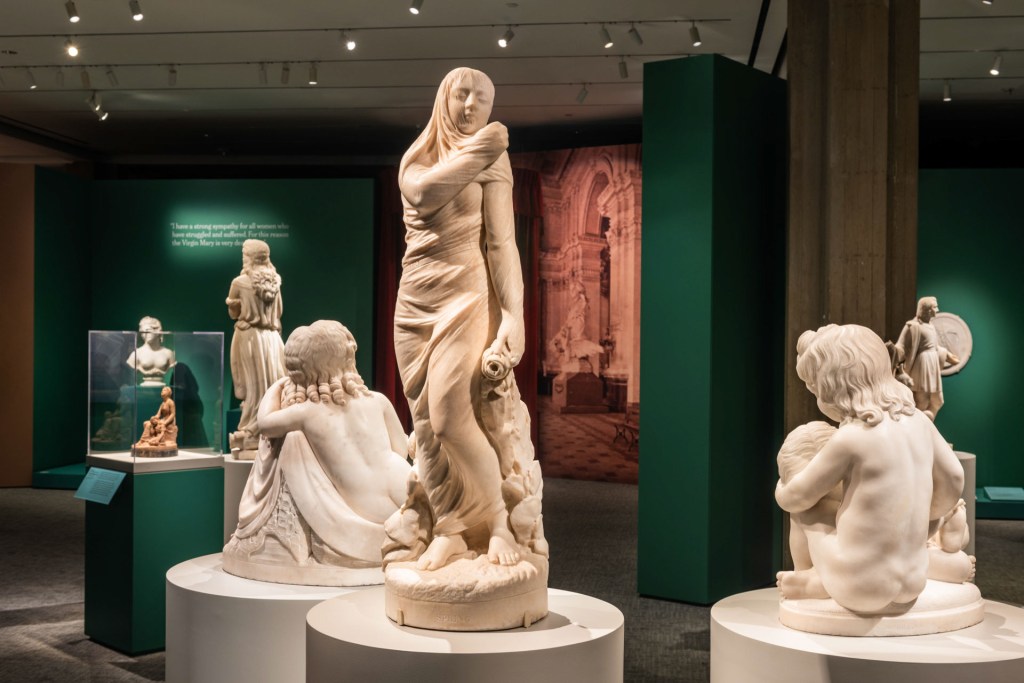
The Peabody Essex Museum is hosting "Said in Stone," the first-ever comprehensive retrospective dedicated to Edmonia Lewis, a pioneering 19th-century sculptor of Black and Ojibwe heritage. The exhibition assembles a significant body of her marble works, including the landmark sculpture "Forever Free" (1867), which is recognized as the first formal visual representation of emancipation by a Black American artist. The show traces her journey from her upbringing with her Ojibwe family and her traumatic years at Oberlin College to her eventual success as an expatriate artist in Rome.

What We Miss When We Talk About Giacometti

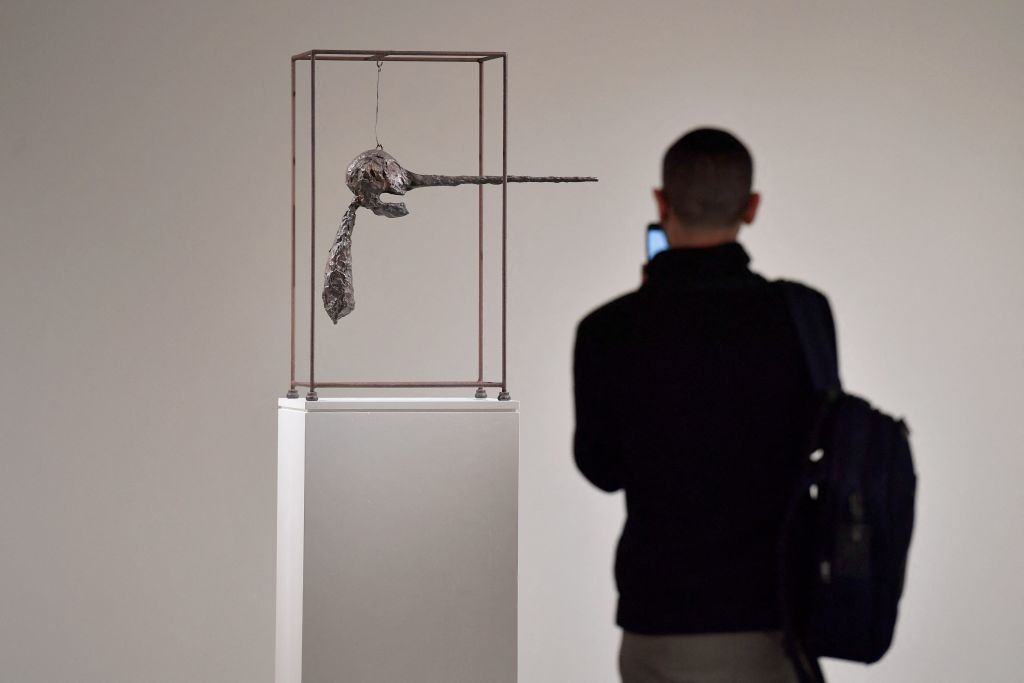
This article explores a critical reevaluation of Alberto Giacometti’s career, specifically focusing on the decade between 1935 and 1945. While Giacometti is globally recognized for his spindly, post-war 'Existentialist' figures, art historian Joanna Fiduccia’s new book, *Figures of Crisis*, argues that his mid-career departure from Surrealism to study human likeness was not a mere transition but a profound response to the political crises and nationalism of interwar France.

The Artist Whose Shimmering Obelisks Are Cropping Up All Over the World

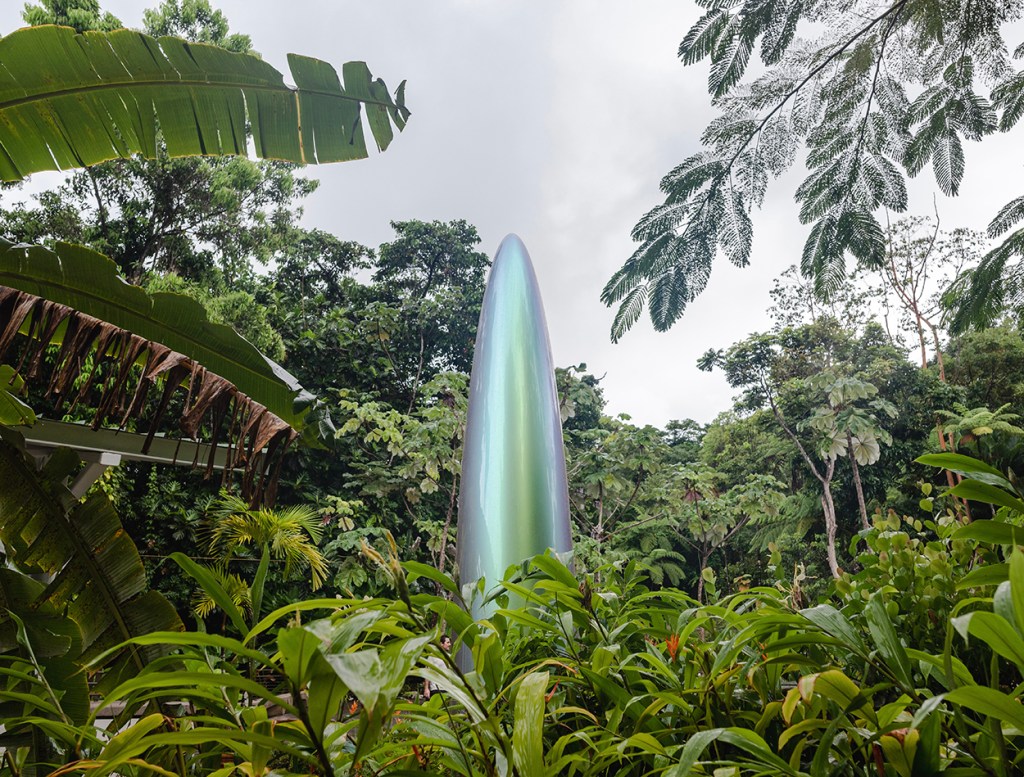
Artist Gisela Colón is currently the subject of a major retrospective at the Museo de Arte Contemporáneo de Puerto Rico (MAC), showcasing her signature "monoliths" and iridescent obelisks. These monumental sculptures, which have appeared in global locations ranging from the Great Pyramids of Giza to the Saudi Arabian desert, utilize advanced aerospace carbon fiber and site-specific minerals to create shifting, phenomenological experiences. The exhibition tracks her evolution from 1996 to the present, highlighting her unique ability to blend high-tech materials with ancient totemic forms.

How the New Deal Treated Art as Essential to Democracy

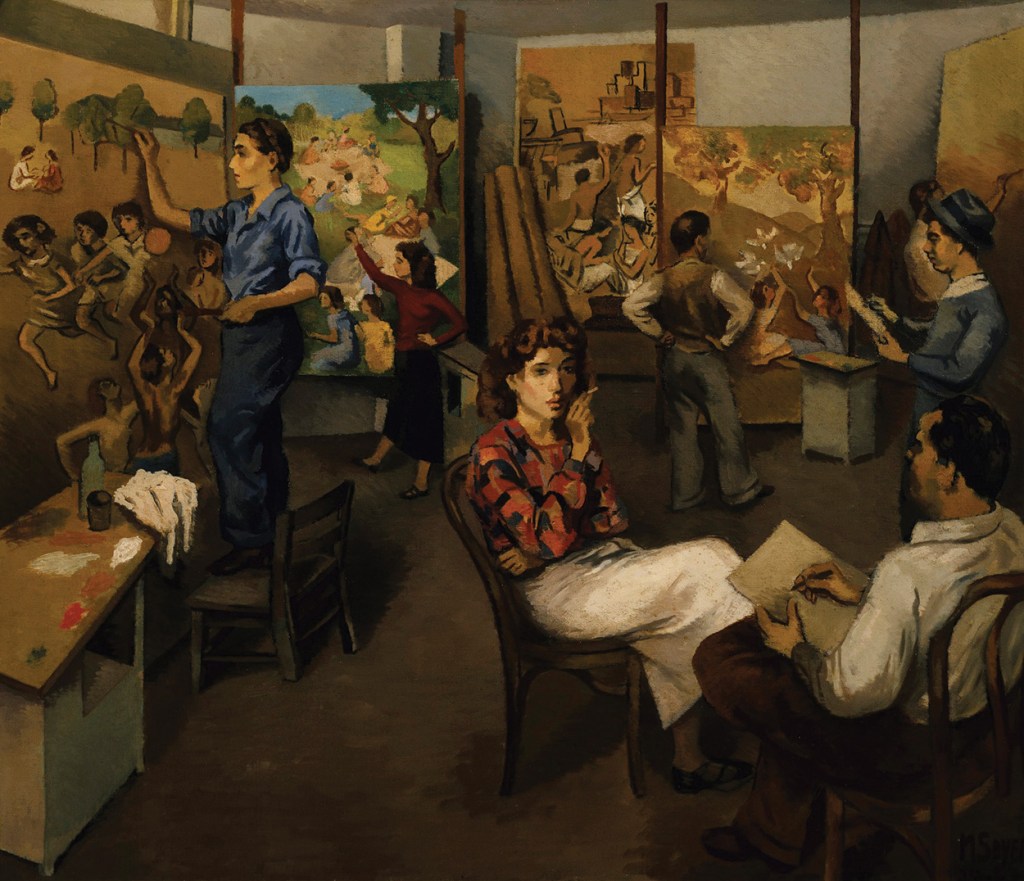
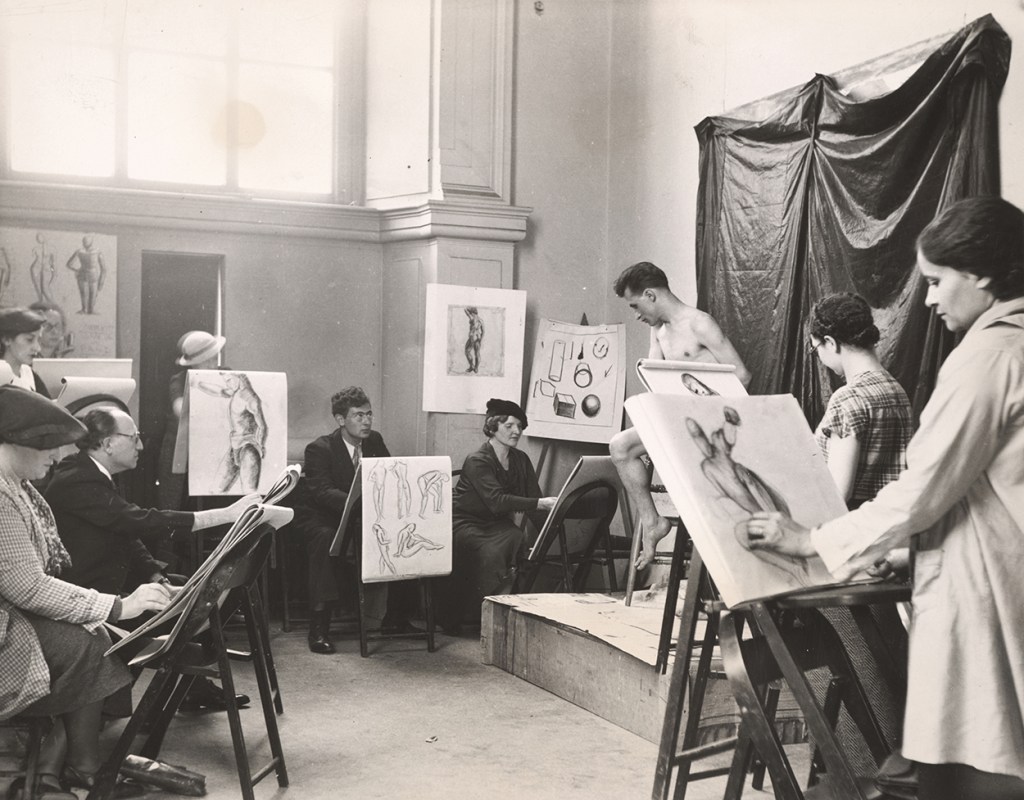
The United States government transformed the role of the artist during the Great Depression by treating art as a vital public resource rather than a private luxury. Between 1933 and 1943, New Deal programs like the Public Works of Art Project (PWAP) commissioned hundreds of thousands of works for schools, libraries, and hospitals, providing 'plumbers' wages' to struggling creators. This federal patronage supported a generation of then-unknown figures, including Jackson Pollock, Mark Rothko, and Alice Neel, while focusing on the 'American scene' to make culture accessible to the general public.

8 Books We’re Looking Forward to in April

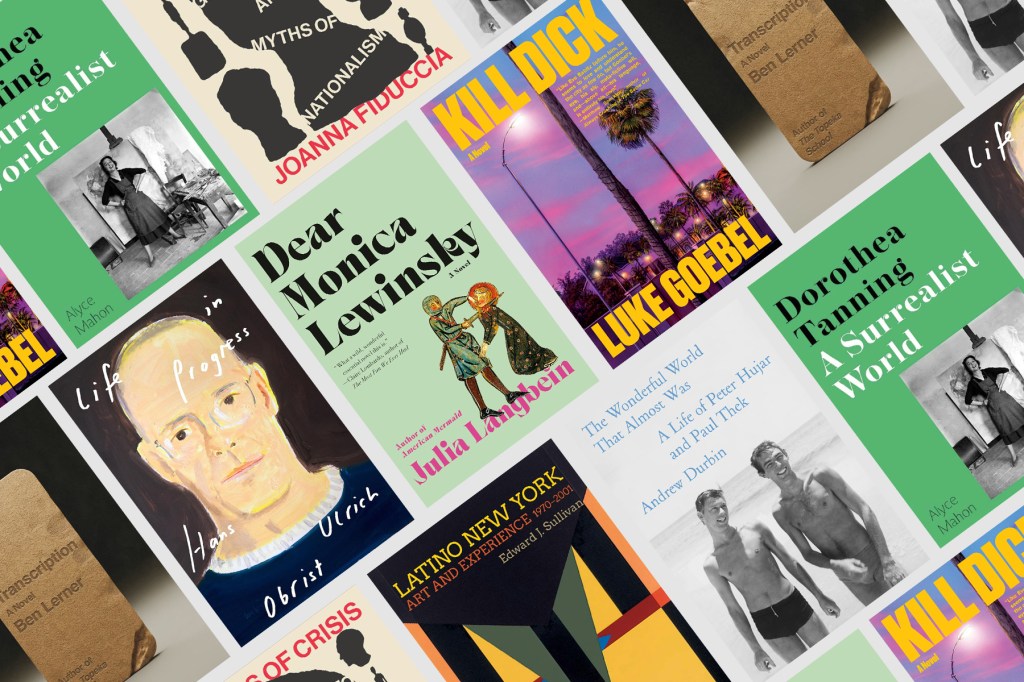
ARTnews previews eight notable art and culture books scheduled for release in April 2026. The list includes Ben Lerner's novel "Transcription," a dual biography of artists Peter Hujar and Paul Thek by Andrew Durbin, Luke Goebel's art-world satire "Kill Dick," and an academic study of Alberto Giacometti's 1930s work by Joanna Fiduccia. Also featured are a memoir by curator Hans Ulrich Obrist, a book on Dorothea Tanning, and Julia Langbein's unconventional book about Monica Lewinsky.

Bicoastal Art World Satire ‘Kill Dick’ Imagines Sackler Revenge

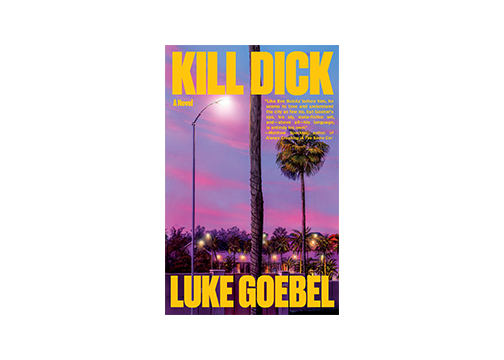
Luke Goebel's new novel 'Kill Dick' is a satirical, chaotic takedown of the contemporary art world and its entanglement with the Sackler family, fictionalized here as the Sicklers. The book follows protagonist Susie, the daughter of the Sickler family lawyer, as she navigates addiction, familial disgust, and a numbed existence against the backdrop of 2016 America. Its prose is deliberately abrasive and shocking, mirroring the emotional state of its narrator.

The MAGA Theory of Art

The article examines the aesthetic dimensions of the MAGA movement, comparing and contrasting it with historical fascist regimes, particularly Nazi Germany. It argues that while both movements share a theatrical, media-savvy approach to politics and a resentment of cultural elites, MAGA lacks the disciplined, sophisticated aesthetic program and the cadre of high-profile artists and designers that characterized Nazi cultural production.

I Saw a Great Show in China That Would Be Censored in the United States

A major exhibition titled "The Great Camouflage" is on view at the Rockbund Art Museum in Shanghai, curated by X Zhu-Nowell and Kandis Williams. The show explores 20th-century Afro-Asian revolutionary alliances and Black feminist thought through contemporary art, featuring works by artists like Pope.L, Tuan Andrew Nguyen, and Onyeka Igwe that process these histories from feminist perspectives.

Raphael Died Before 40. His Met Retrospective Begs the Question: What If He Had Lived?

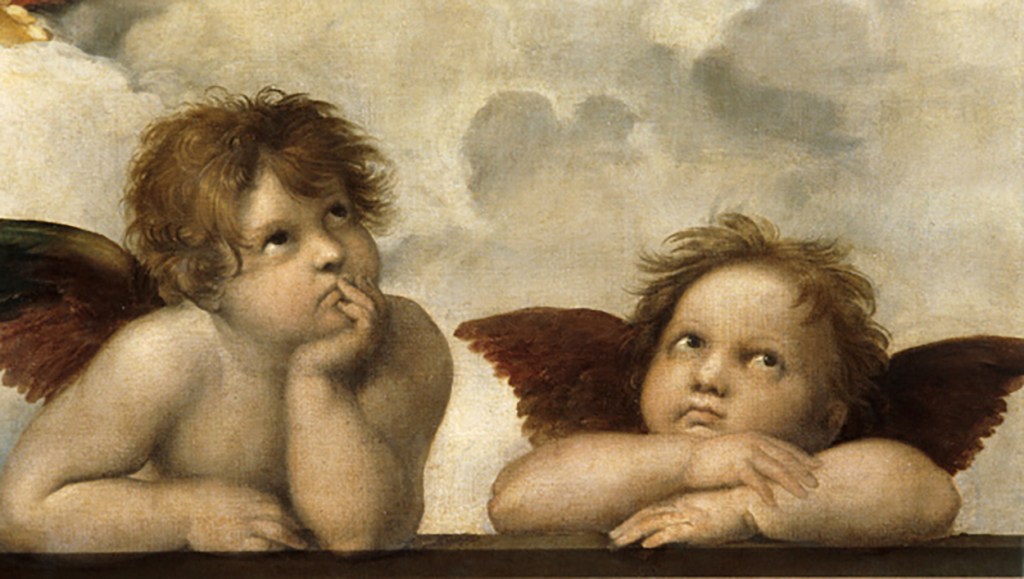
The Metropolitan Museum of Art is preparing a major spring retrospective dedicated to Raphael, the Italian Renaissance master who died in 1520 before his 40th birthday. This will be his first such exhibition in the United States, aiming to reassess an artist traditionally viewed as a facile, efficient prodigy rather than a deep intellectual.

In a Show at Stanford, Miljohn Ruperto Trolls the Death Drive of AI Guys

Artist Miljohn Ruperto's exhibition at Stanford's Cantor Arts Center features works that critically engage with AI and technology. His piece *Fathoms (Tartarapelagic)* uses AI to generate images of deep-sea creatures from the Clarion-Clipperton Zone, while highlighting that mining the minerals essential for that same AI technology is destroying their real-world habitats.

The Wild Ways Artists Have Made Their Livings, from the Renaissance to Today

The Wild Ways Artists Have Made Their Livings, from the Renaissance to Today

Mason Currey's new book, 'Making Art and Making a Living,' compiles stories of how artists from the Renaissance to today have funded their creative lives. It details diverse methods beyond family wealth, including odd jobs, dual careers, and institutional roles, highlighting figures like Louise Nevelson, Philip Glass, and Frank O'Hara.

Can a Play Capture an Artist as Enigmatic as Henry Darger?

Can a Play Capture an Artist as Enigmatic as Henry Darger?

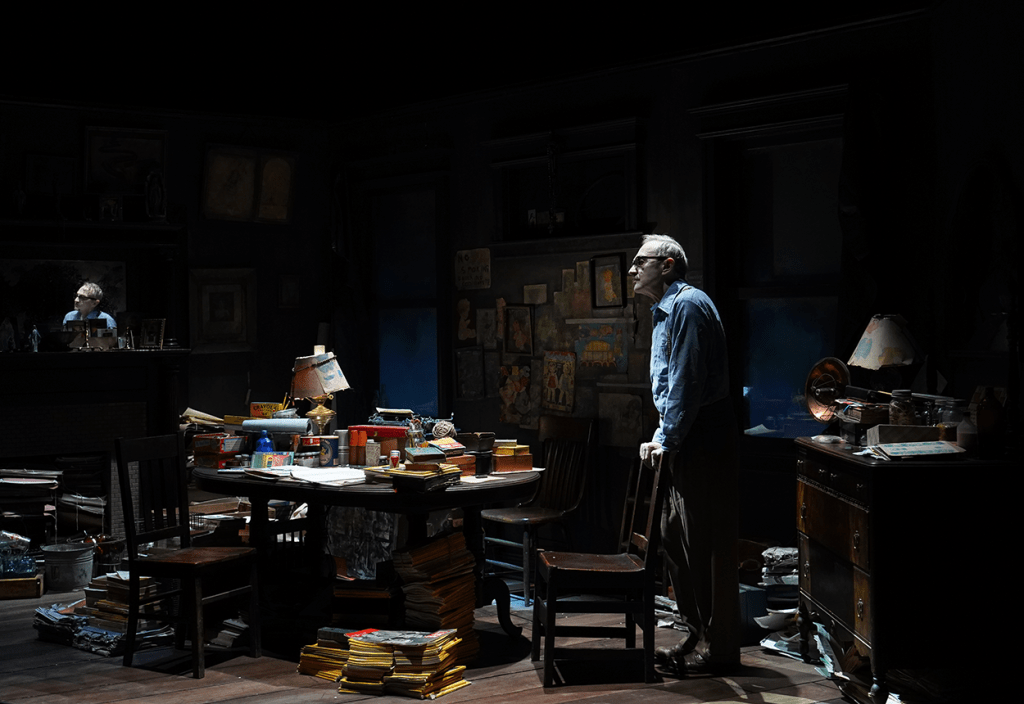
A new play, *Bughouse*, is attempting to portray the life of reclusive artist Henry Darger on stage at New York's Vineyard Theater. The one-man show, starring John Kelly, draws from Darger's own lengthy autobiography to depict his traumatic childhood, institutionalization, and decades of solitary life in Chicago, where he secretly created his vast, fantastical artwork and writings.