
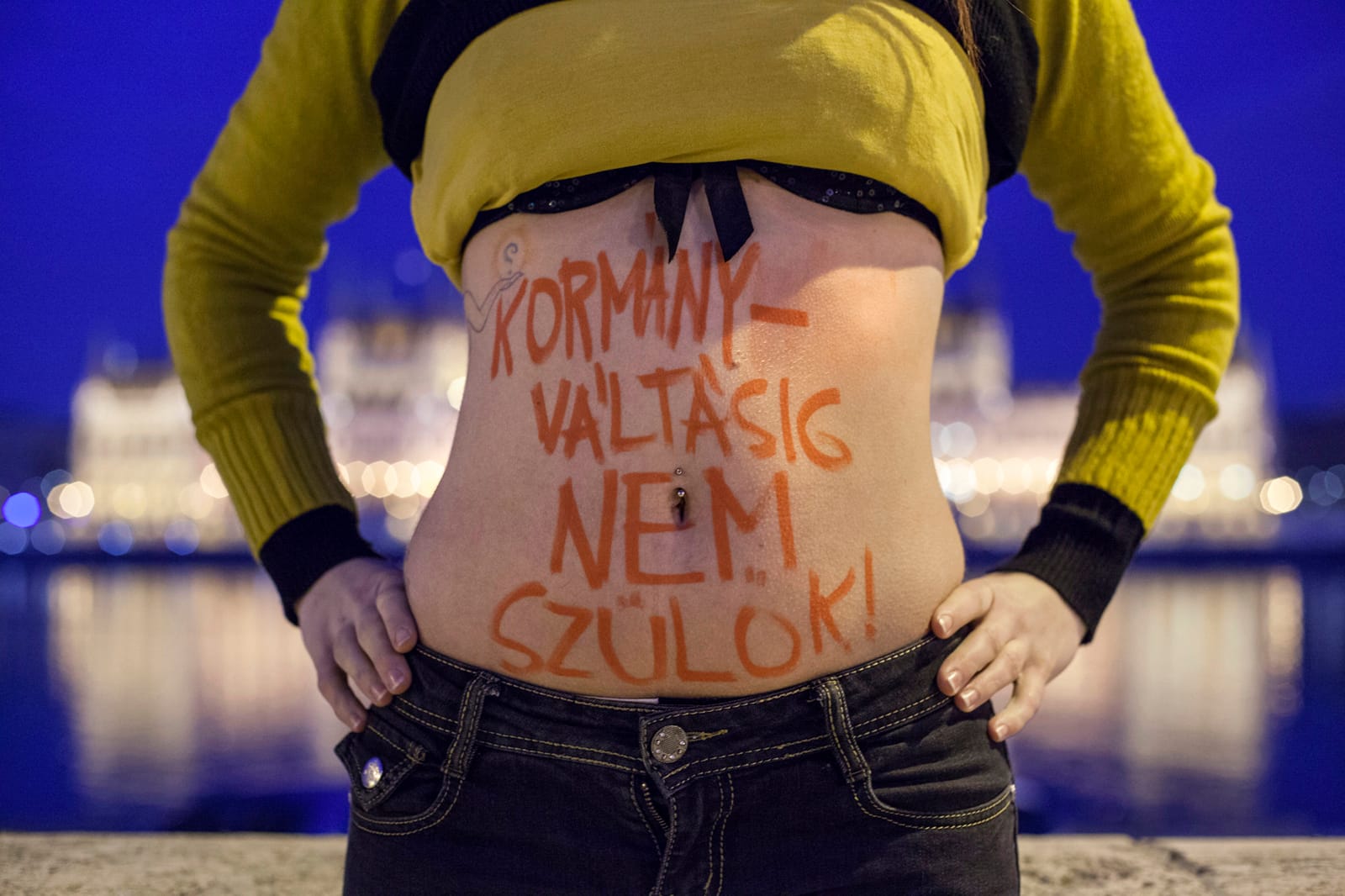
Following the recent electoral defeat of Viktor Orbán’s Fidesz-KDNP coalition by the opposition party Tisza, the Hungarian art world faces a monumental task of institutional restoration. For 16 years, the regime’s 'System of National Cooperation' (NER) systematically co-opted cultural institutions, installing loyalists in leadership roles at major venues like the Kunsthalle and Ludwig Museum to promote an ethno-nationalist agenda. This period was marked by the exodus of independent curators, the occupation of museums by activists, and a fractured ecosystem where state funding was tied to political compliance.
This transition serves as both a cautionary tale and a beacon of hope for international observers, particularly in the United States, regarding the resilience of artistic freedom against authoritarian drift. The dismantling of Orbán’s grip offers a rare opportunity to rebuild a democratic cultural landscape from the ground up. However, the legacy of ideological control, the marginalization of critical voices, and the creation of a parallel network of regime-aligned private institutions mean that the path to true institutional independence will be as challenging as the post-Soviet transition of 1989.