
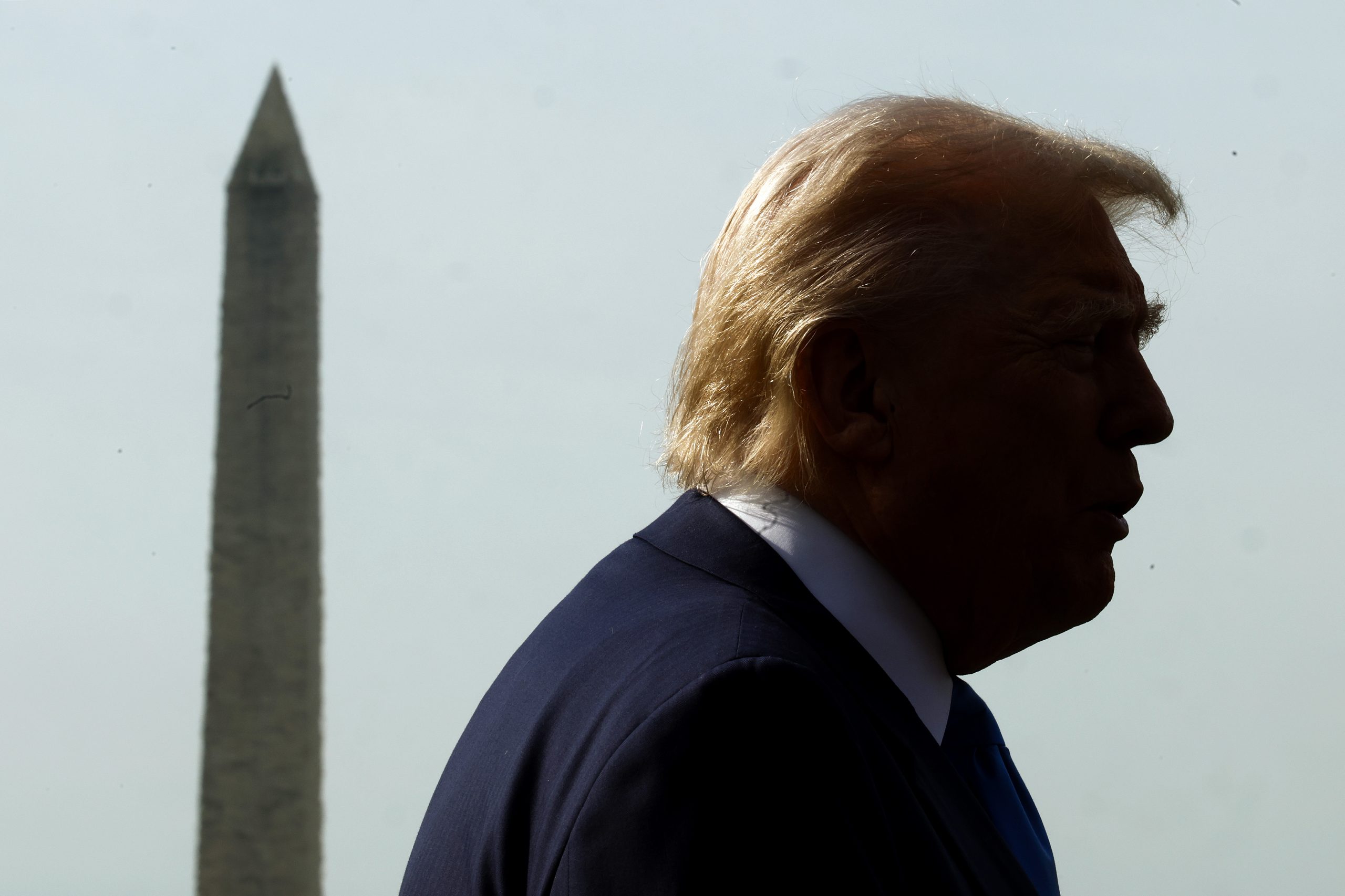
President Donald Trump’s return to office has triggered a sweeping overhaul of the American cultural landscape through executive orders and the newly formed Department of Government Efficiency (DOGE). Key actions include the dissolution of diversity, equity, and inclusion (DEI) offices at the Smithsonian, the cancellation of thousands of National Endowment for the Humanities (NEH) grants, and the removal of high-profile Biden appointees from the U.S. Holocaust Memorial Museum board. These measures are accompanied by new tariffs and immigration policies that threaten the international art trade and cross-border collaborations.
This shift represents a fundamental ideological restructuring of federal arts support, moving away from progressive social initiatives toward a centralized "pro-American" cultural agenda. By targeting the funding and leadership of major institutions like the NEA, NEH, and the Smithsonian, the administration is exerting unprecedented political pressure on the arts. The resulting legal challenges from 21 states and widespread artist protests signal a period of intense volatility for museums, non-profits, and the broader art market as they navigate a landscape of reduced federal subsidies and increased censorship.