
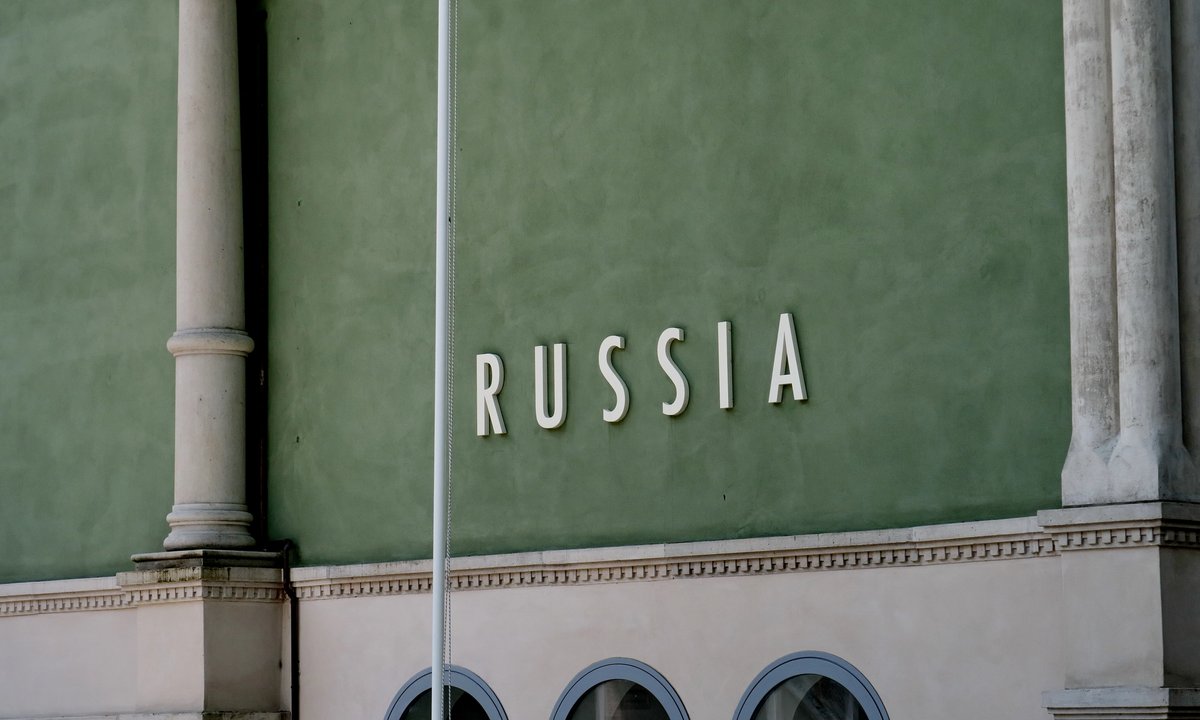
The European Union has threatened to withdraw a €2m grant from the Venice Biennale following the foundation's decision to allow Russia to reopen its national pavilion for the first time since the 2022 invasion of Ukraine. EU commissioners Henna Virkkunen and Glenn Micallef, supported by 22 European culture ministers, argue that the Biennale must not provide a platform for Kremlin propaganda or individuals who justify military aggression. The Russian pavilion's return is reportedly being organized by the Gnesin Russian Academy of Music under the direction of the Russian Ministry of Culture.
This conflict highlights the intensifying pressure on major international cultural institutions to align with geopolitical sanctions and ethical standards during wartime. While the Biennale Foundation defends the event as a "place of dialogue," the EU's financial threat underscores a shift toward using cultural funding as a tool for diplomatic leverage. The controversy is further complicated by the pavilion's leadership, which includes figures with direct ties to the Russian state and defense sectors, raising significant concerns about the normalization of state-sponsored art in the midst of an ongoing conflict.