
Biennale-Jury will Länder mit IStGH-Vorwürfen nicht berücksichtigen
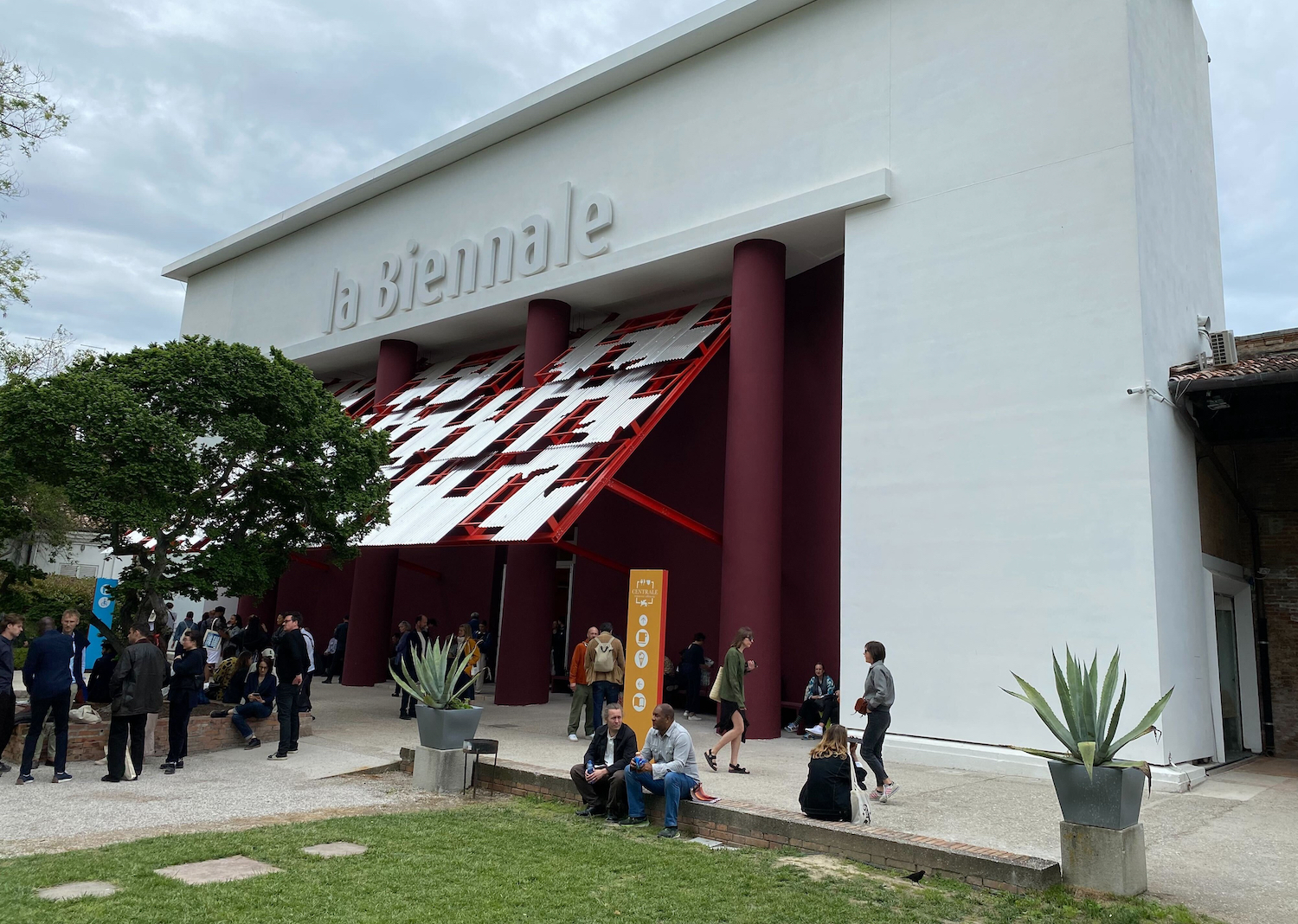
The jury of the Venice Art Biennale has announced that it will not consider countries whose heads of state or government face allegations of crimes against humanity from the International Criminal Court (ICC) when awarding prizes this year. The jury, led by Brazilian art historian Solange Farkas, cited its commitment to defending human rights. While no specific countries were named, the ICC currently has arrest warrants against Russian President Vladimir Putin for alleged war crimes in Ukraine and Israeli Prime Minister Benjamin Netanyahu for alleged war crimes in Gaza. The Biennale leadership stated the jury acted in full autonomy and independence.
This decision matters because it injects a direct human-rights and geopolitical stance into the Biennale's prize process, potentially excluding major participating nations like Russia and Israel. It comes amid ongoing controversy over Russia's reinstatement at the Biennale for the first time since its 2022 invasion of Ukraine, a move that drew sharp criticism and threats from the EU to cut millions in subsidies. The jury's move could further strain relations between the Biennale, its participating states, and international political bodies, highlighting the increasing entanglement of art world events with global justice and diplomacy.