
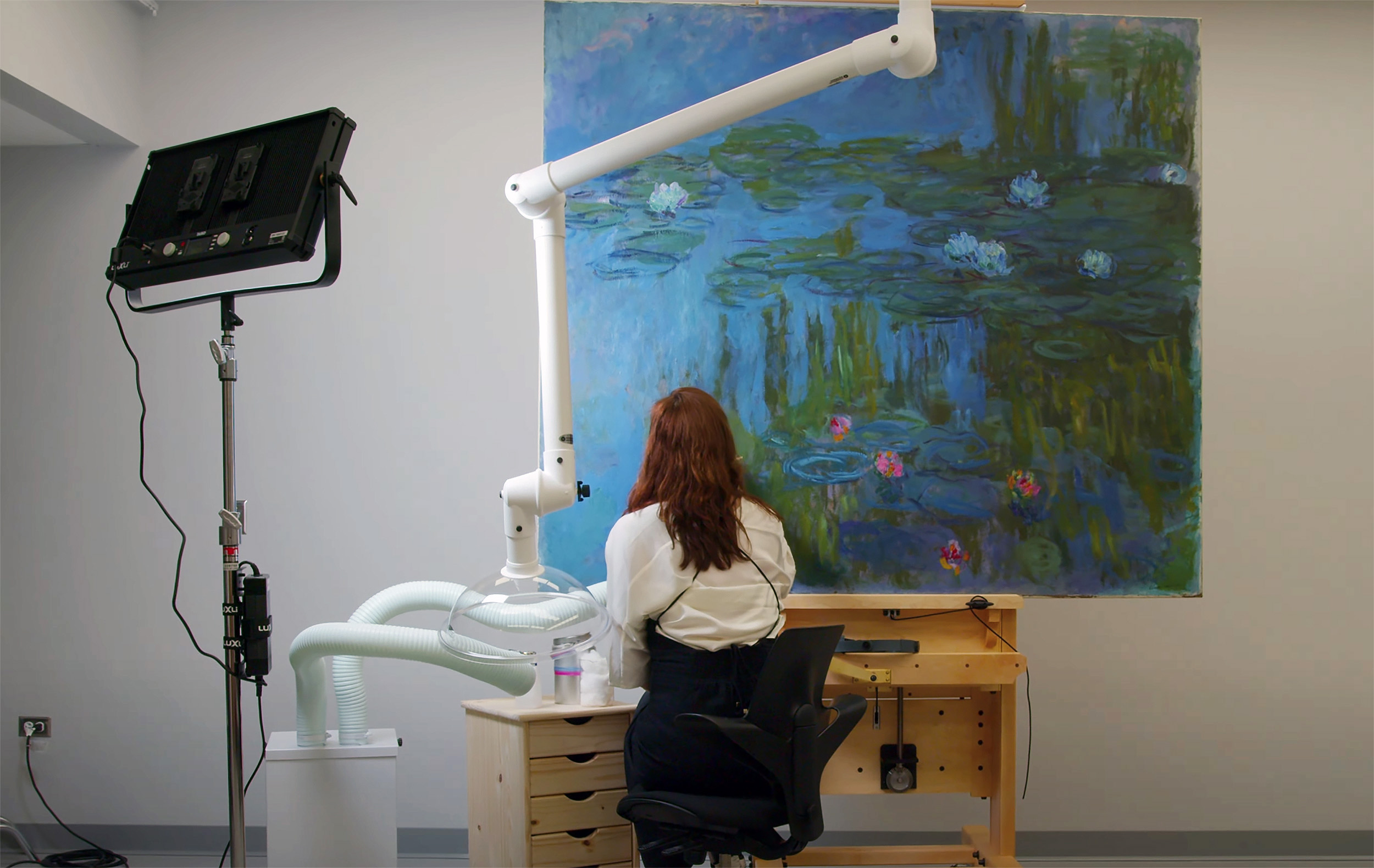
In 2025, a series of major art restorations unveiled transformative discoveries in masterpieces by Caravaggio, Raphael, and Artemisia Gentileschi, among others. Caravaggio's final work, *The Martyrdom of St. Ursula* (1610), owned by Intesa Sanpaolo, was cleaned ahead of Rome's "Caravaggio 2025" exhibition, revealing hidden faces and a soldier's helmet previously only visible by x-ray. At the Vatican Museums, a decade-long restoration of the Raphael Rooms concluded with the revelation that two allegorical figures in the Hall of Constantine were painted by Raphael himself, not just his assistants, rewriting art history. Meanwhile, Artemisia Gentileschi's *Hercules and Omphale* (ca. 1635–37), damaged in the Beirut explosion, underwent emergency conservation by the Getty.
These restorations matter because they not only preserve fragile cultural heritage but also fundamentally alter our understanding of canonical artworks and artists. The Raphael discovery adds two new works to his catalog, challenging long-held assumptions about his late career. The Caravaggio restoration clarifies a hastily executed final painting, offering fresh insight into his technique and iconography. Such projects demonstrate how scientific analysis and expert conservation can rewrite art history, while also addressing urgent threats like tourism wear and tear (as with Michelangelo's *Last Judgement*) and disaster damage, underscoring the ongoing need for institutional investment in preservation.