
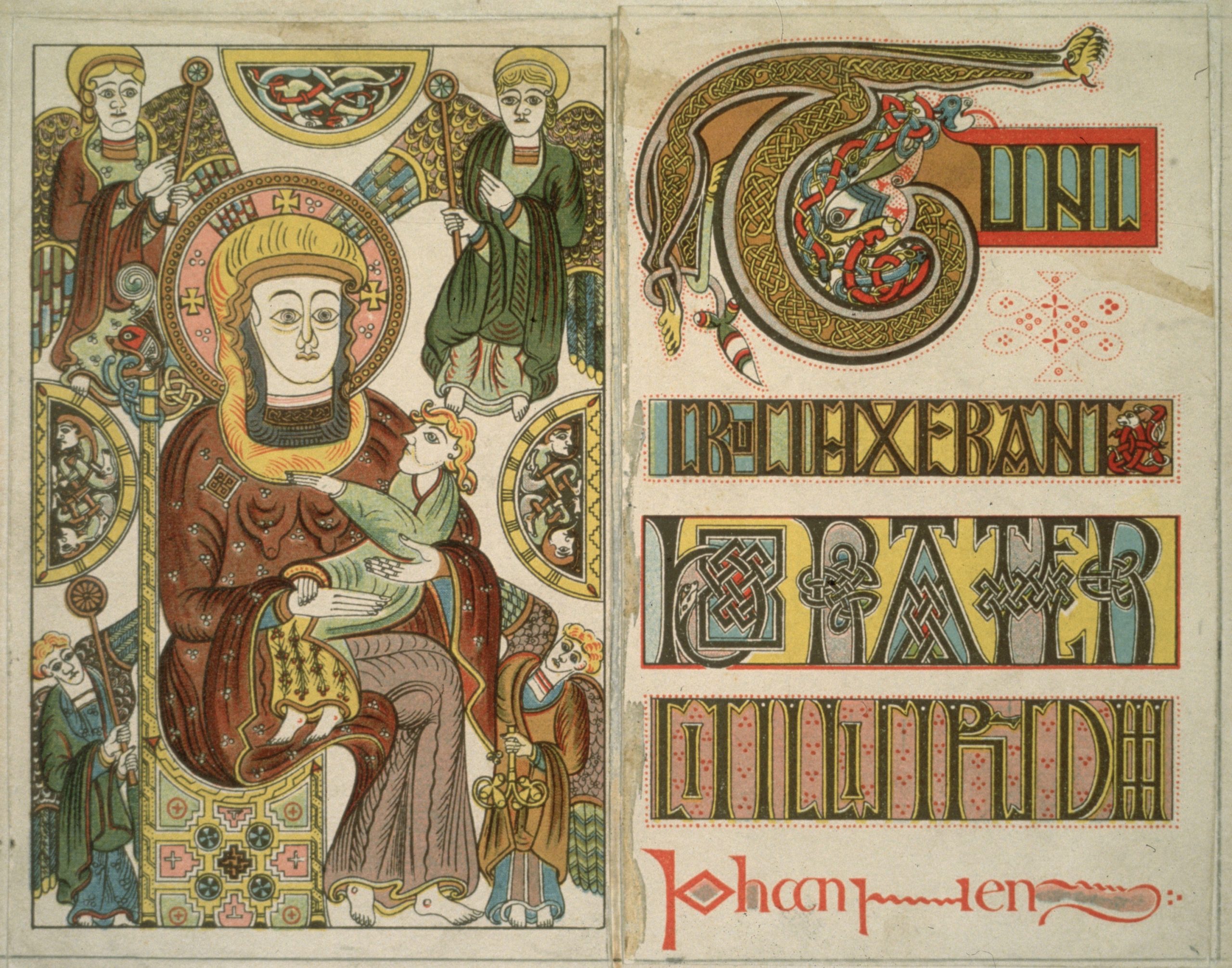
A new project led by master craftsman Thomas Keyes aims to recreate medieval vellum-making techniques to test theories about the origin of the Book of Kells. Keyes will build a replica of a washing tank found at the Scottish monastery of Portmahomack and use historically accurate methods, including potentially using seaweed-based lye, to produce vellum. This experimental archaeology seeks to determine if the manuscript's unique physical characteristics match the production methods used at Portmahomack.
The project challenges the long-held theory that the Book of Kells was created on the island of Iona, instead investigating Portmahomack as a potential origin site due to archaeological evidence of a sophisticated vellum workshop. The experiment could provide material evidence linking the manuscript's bacterial pockmarks to specific local production techniques, potentially resolving a centuries-old scholarly debate about one of the world's most famous illuminated manuscripts.