dashboard All 4620 museum exhibitions 2078article local 607article news 578trending_up market 393article culture 260person people 246article policy 182rate_review review 110gavel restitution 84candle obituary 74article event 2article events 2article museums & heritage 1article museum 1article museums 1article satire 1
date_range Range Today This Week This Month All
Subscribe

Miljohn Ruperto Rethinks Western Ideas of Time

The rise of the 'one-work exhibition' is transforming how audiences engage with art, shifting the focus from the rapid consumption of numerous objects to a singular, immersive spatial experience. By isolating a single masterpiece or installation, institutions are creating environments that demand 'slow looking' and provide a meditative counterpoint to the overwhelming speed of digital and contemporary visual culture.
Bank of England to Replace J.M.W. Turner with UK Wildlife on Banknotes

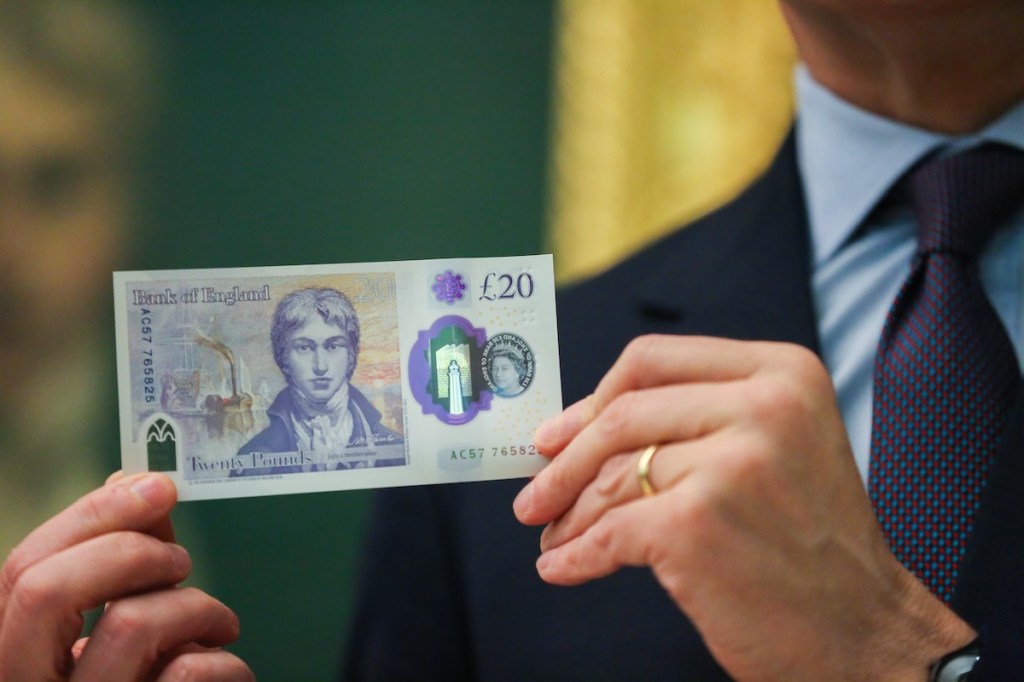
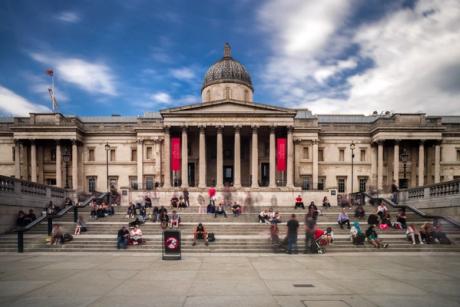
The Bank of England has decided to replace historical figures, including painter J.M.W. Turner, with depictions of native UK wildlife on its next generation of banknotes. This follows a public consultation where 'Nature' was the most popular theme, selected by 60% of respondents. A panel of six wildlife experts will now create a shortlist of species for a further public vote this summer.

Comment | Museums must be the leaders in a moral revolution

Dutch historian Rutger Bregman, in his 2025 BBC Reith Lectures and book 'Moral Ambition,' argues that Europe risks becoming a stagnant, museum-like relic and calls for a moral revolution to counter societal decline driven by unserious leadership. He positions museums, with their high public trust and status as democratic civic spaces, as crucial leaders in this revolution, urging them to move beyond passive neutrality and actively establish ethical standards, combat misinformation, and engage with urgent societal issues like authoritarianism and climate crisis.

A truckload of F1 KitKats, a painting of fish: what is it that makes heists so delicious? | Imogen West-Knights

The article explores the curious public fascination with high-profile heists, using two recent examples as a springboard: the theft of 12 tons of Formula 1-themed KitKats from a truck in Italy and the robbery of paintings by Renoir, Cézanne, and Matisse from a museum in northern Italy. The author notes that such stories reliably go viral, not due to outrage but because people find them thrilling and even amusing, especially when the victims are large corporations or when the crime feels audacious and tangible.

Protect ya neck! Wu-Tang Clan as they’ve never been seen before – in pictures

Photographer Eddie Otchere has released a new photozine, "Wu-Tang 4 + 1 More," featuring a decade's worth of previously unseen portraits of the Wu-Tang Clan and other hip-hop artists. The images, captured between 1994 and 2004, document intimate and candid moments with members like RZA, Method Man, and Ghostface Killah, chronicling the group's early years and Otchere's determined mission to photograph each member.

An English Countryside Home That Became Lovelier the More It Fell Apart

The article profiles the unique aesthetic and historical significance of Kettle's Yard, a house in Cambridge, England, created by Jim Ede. Ede, a former Tate curator, transformed a series of dilapidated cottages into a living work of art and a haven for modern artists in the mid-20th century. He filled the space with a carefully arranged collection of modern art, natural objects, and furniture, embracing the building's worn, imperfect character rather than restoring it to pristine condition.

The Contradictory Museum

Eugenio Viola, former artistic director of the Bogotá Museum of Modern Art (MAMBO), argues that museums must evolve from authoritative cultural temples into critical civic spaces. He contends that in polarized societies marked by inequality and contested histories, museums are essential infrastructures for hosting discomfort, divergent memories, and unresolved tensions, fostering collective dialogue and visibility for excluded narratives.

Mexico City: El Desagüe by Luis Ortega Govela

Francis Alÿs’s 1997 performance piece, *Paradox of Praxis I*, serves as a starting point for an exploration of Mexico City’s violent hydrological transformation. By pushing a block of ice through the streets until it evaporates, Alÿs retraces the vanished canals of Tenochtitlán, the Aztec capital that was systematically drained by Spanish colonizers to establish a terrestrial, European-style urban grid.

Participatory Design or Processual Formalism? Frei Otto, the Ökohaus, and the Ökohäusler by Matthew Kennedy

The Ökohaus (Eco-House) project in Berlin stands as a radical experiment in participatory architecture, born from the 1987 Internationale Bauausstellung (IBA) urban renewal program. Designed by Frei Otto, the complex features three residential buildings characterized by a 'double informality' where dense foliage and a patchwork of diverse cladding materials—ranging from timber and metallic shingles to exposed concrete—create a ruin-like yet meticulously resolved aesthetic. The project challenged traditional housing models by allowing residents, or 'Ökohäusler,' to engage in a collective and individualized construction process.

Monuments & Weapons: How Public Space Prepares Us for War Without Us Even Realizing It

Monumenti&armi. Così lo spazio pubblico ci prepara alla guerra senza che neppure ce ne rendiamo conto

Public squares and urban spaces are densely populated with war-related monuments that condition society to accept conflict as a historical inevitability. A study by Philadelphia’s Monument Lab reveals that nearly 60% of U.S. monuments focus on war themes, outnumbering themes of peace thirteen-fold, while Italy maintains over 12,000 memorials dedicated solely to World War I. These structures often prioritize military hierarchy and territorial conquest over themes of care, gender equality, or social diversity.

Why Does Italy No Longer Qualify for the World Cup or the Biennials?

Perché l’Italia non si qualifica più né ai Mondiali né alle Biennali?

Artist Oscar Giaconia draws a provocative parallel between the decline of Italian football and the diminishing presence of Italian contemporary artists in major international forums like the Venice Biennale and Manifesta. He argues that both sectors suffer from a systemic failure to nurture young talent, characterized by a lack of strategic scouting, a preference for foreign trends, and a bureaucratic deafness that stifles growth.

New York is so expensive that it is no longer possible to produce art and culture in the city

New York è così cara che ormai non è più possibile produrre arte e cultura in città

Artist and curator Josh Kline has sparked a significant industry debate with his essay, "New York Real Estate and the Ruin of American Art," which argues that the city's prohibitive real estate market is dismantling its cultural foundation. Kline posits that the financialization of property and the disappearance of affordable lofts and mid-size galleries have created an unsustainable ecosystem where only those with independent wealth can survive. This economic pressure is forcing a generation of creative workers to choose between their practice and basic survival, leading to a stagnation of innovation.

Learning is something aesthetic and emotional. Marco Dallari says so in his latest book (and in this interview)

L’apprendimento è qualcosa di estetico e di emotivo. Lo dice Marco Dallari nel suo ultimo libro (e in questa intervista)

Italian pedagogist Marco Dallari discusses his latest book, "La bellezza di Sophia" (2026), which explores the intrinsic human drive for knowledge as an aesthetic and emotional necessity rather than a pragmatic survival tool. Drawing on Freudian concepts and the work of Alessandra Risso, Dallari argues that the desire to learn is a primal impulse that should be nurtured through beauty and curiosity rather than stifled by rigid institutional structures.

Hard Truths: Can an Artist Exact Revenge on a Dealer Treating Her Like a Pariah?

An artist seeks advice after severing a 25-year relationship with a gallery that enforced a restrictive two-year non-compete clause. Following the split, the artist discovered $50,000 in damaged inventory and alleged that the dealer lied to insurance companies while commissioning other artists to produce knockoffs of their work. A second inquiry involves a high-ranking art world figure distressed over being dropped from a prominent "Power 100" list, questioning whether to confront the publication.

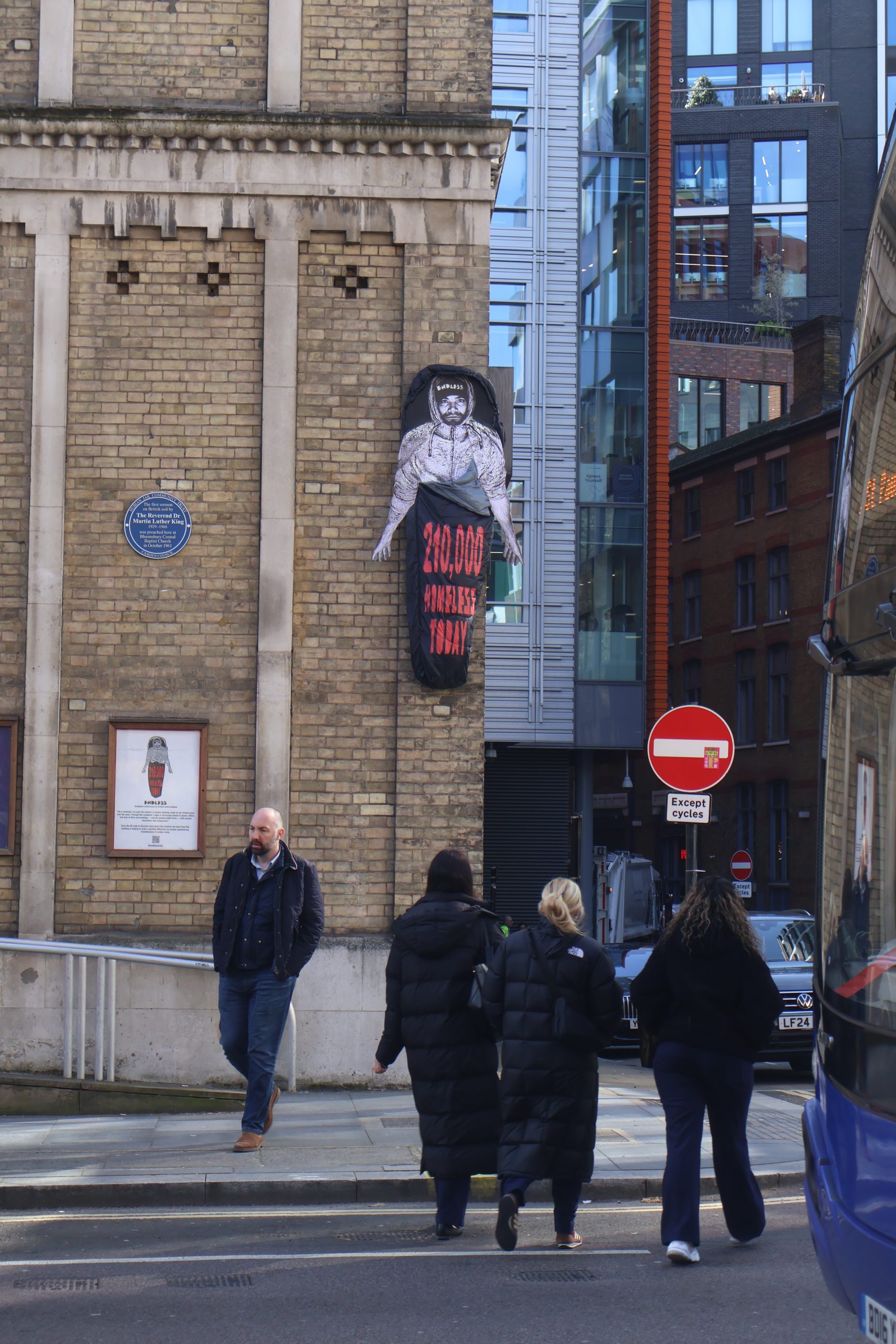
Endless’s Street Art Calls Attention to London’s Homeless Crisis

British street artist Endless has installed a new public artwork on the corner wall of Bloomsbury Central Baptist Church in London. The piece depicts a rough sleeper in a sleeping bag with the text "210,000 Homeless today," creating a stark visual juxtaposition against the affluent backdrop of the nearby Oxford Street shopping district.

Are All Crises Equal? A Conversation with MOS’s Michael Meredith and Hilary Sample by ANY

Architects Michael Meredith and Hilary Sample of the firm MOS discuss the concept of "polycrisis"—the intersection of economic, political, and ecological failures—and its impact on architectural form. The conversation highlights a growing void between the formal aesthetic project of architecture and the urgent political realities of the modern world. Sample specifically addresses how the dominance of political and regulatory restrictions in collective housing has stifled formal innovation, often reducing architecture to a mere byproduct of governance rather than a tool for social or cultural expression.

The Distance Between Art and Survival in Rojava

The article is a first-person dispatch from Rojava, a Kurdish-majority region in northeastern Syria, where the author meets artists and fighters living and working on the front lines against jihadist groups. It focuses on artist Diyar Hesso, who has exchanged his camera for a rifle, and YPJ fighter Hevi, who articulates the necessity of armed self-defense for women facing a genocidal enemy. Their stories illustrate the impossible choice between artistic creation and survival in a war zone.

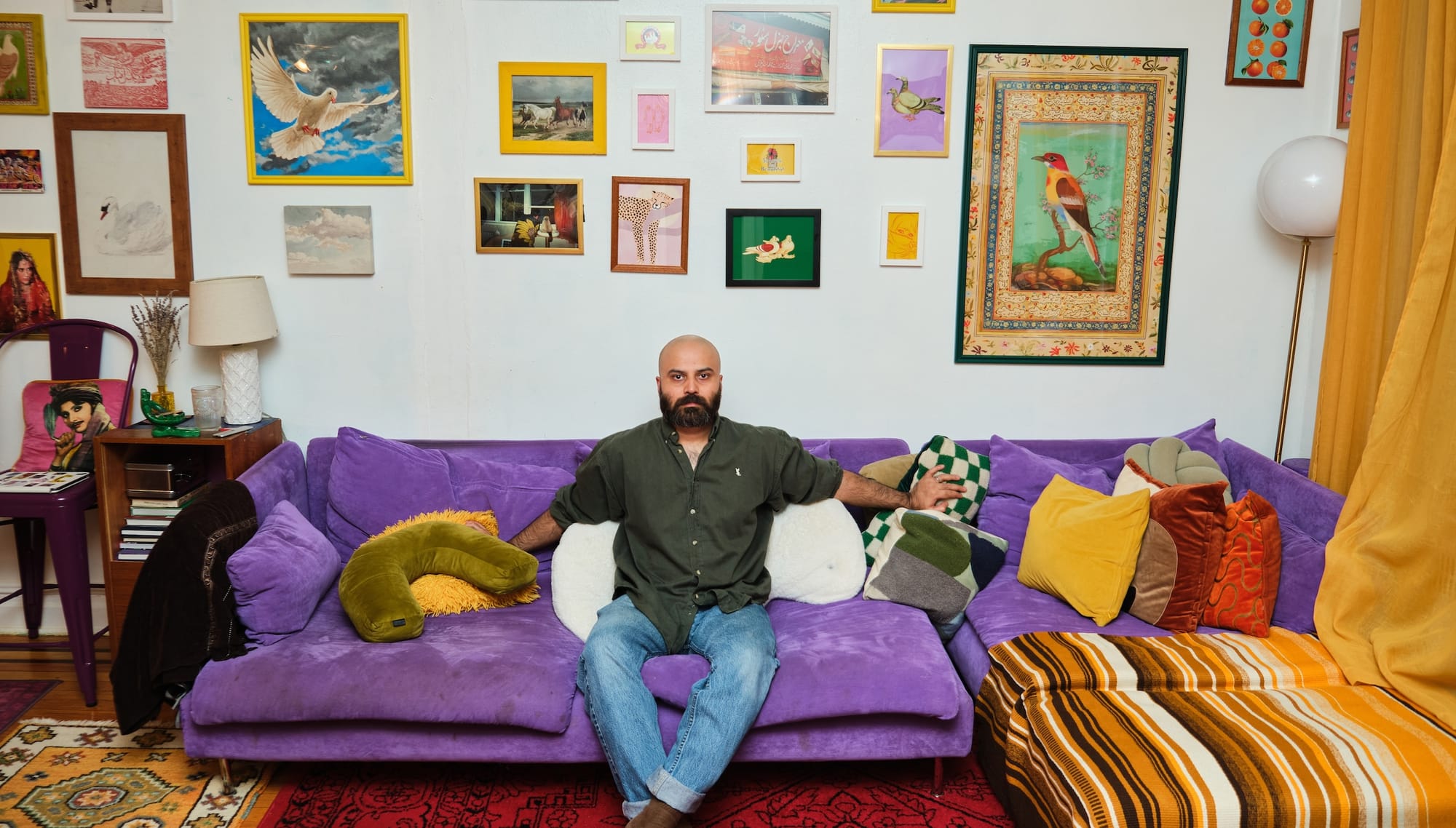
Saad Khan Archives the Detritus of Censored Culture

Saad Khan, a New York-based archivist, has developed Khajistan, an expansive digital and physical archive dedicated to preserving censored and overlooked mass media from South Asia to the Maghreb. The collection features a diverse array of ephemera, including homoerotic imagery, working-class street posters, and banned magazines that are often erased from official cultural records. By documenting everything from WhatsApp forwards to vintage film posters, Khan creates a space where the lived experiences of queer, trans, and working-class individuals in these regions are validated and archived.

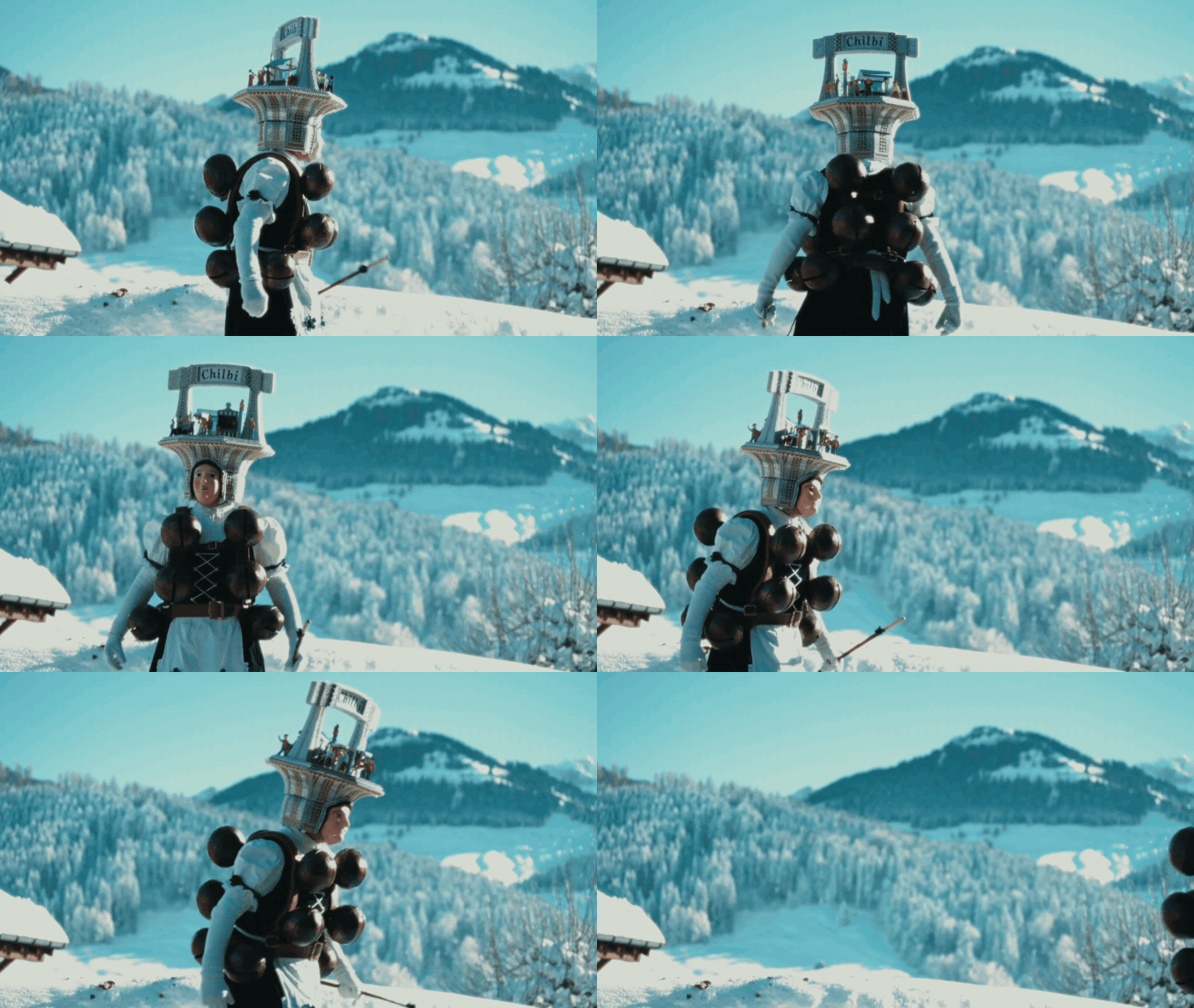
A Short Film Joins In the Timeless Swiss Masked Tradition of Silvesterchlausen

A new short film titled 'Silvesterchlausen' by writer and director Andrew Norman Wilson documents the centuries-old Swiss New Year's tradition of the same name. The film captures groups of men and boys in the Appenzell regions who don elaborate, handmade masks and headdresses made from natural materials like pinecones and moss, forming groups to yodel, ring bells, and visit homes over 18-hour days to mark the turn of the year on both the Gregorian and Julian calendars.

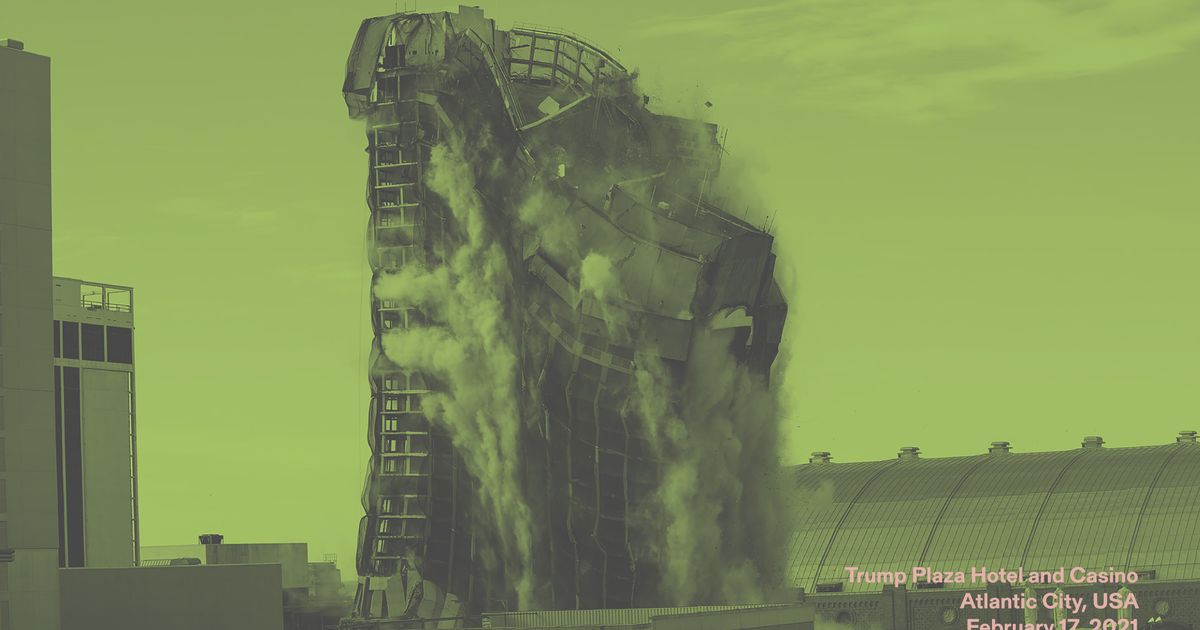
Collapse Finance, Part 2: Longevity Capitalism—Life as an Asset Class

The essay explores the emergence of "longevity capitalism," a financial and biopolitical regime where biological duration and life expectancy are treated as assets for capital accumulation. As traditional welfare systems and collective pension schemes collapse, the uncertainty of human lifespan has been transformed into a speculative frontier, with retirement security increasingly tied to volatile private equity and cryptocurrency markets.

Required Reading

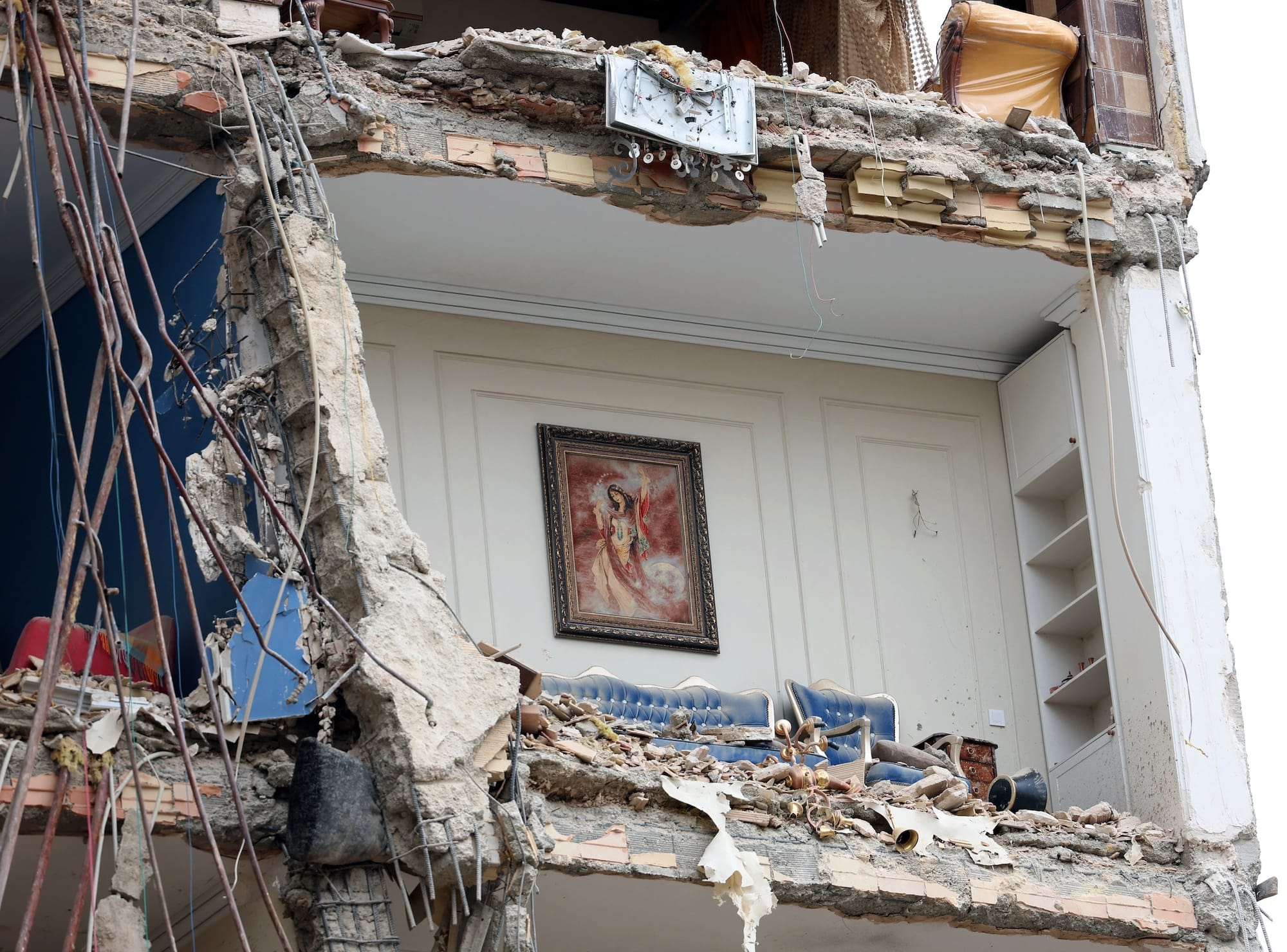
This week's cultural roundup connects diverse stories from art conservation to literary analysis. Novelist Karma Brown draws parallels between restoring artworks and revising novels, inspired by visits to the Art Gallery of Ontario, while an interview with Namwali Serpell examines the complex "monumentalization" of Toni Morrison's legacy. The column also includes a poignant image from Tehran—a framed artwork hanging in a bomb-damaged apartment—and touches on topics ranging from celebrating Eid in Gaza to discussions about "girl games" and the Lindy West drama.

Eating Challenges Are All the Rage. But When Was the Last Time You Saw Someone Eat a Mutton Shoulder Bone?

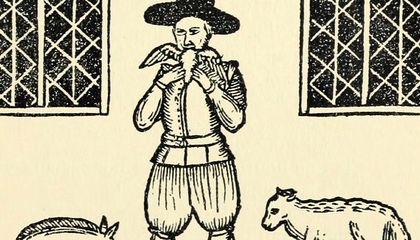
English farmer Nicholas Wood, known as the "Great Eater of Kent," was famed in the 17th century for consuming staggering quantities of food, including a mutton shoulder—bones and all. The article highlights other historic eating feats, from Nathan's Famous first hot dog contest in 1972 to extravagant 19th-century "Fat Men's Clubs" and a massive ice cream sundae competition in 1976.

Get Your Red-Hot History Lesson! How the Hot Dog Rose From Coney Island Carts to Platters at Presidential Picnics

The hot dog ascended from a humble street food sold by German immigrants in 19th-century New York to a symbol of American culture, famously served to King George VI at a 1939 presidential picnic. Its journey was propelled by vendors on Coney Island's boardwalk and its introduction to massive crowds at events like the 1893 Chicago World's Fair, eventually becoming a staple at ballparks and backyard gatherings.

ArtReview Asia Spring 2026 Issue Out Now

The Spring 2026 issue of ArtReview Asia has been published, featuring a cover profile of artist Li Yi-Fan. The issue includes an in-depth look at Li's work, which explores the relationship between humans and machines through video installations and performance lectures, ahead of his representation of Taiwan at the Venice Biennale. Other articles examine the contemporary art scene in Bangkok, urban redevelopment in Colombo, a colonial-era plant hunting exhibition in London, and Taiwan's museum boom.

Louvre Museum to Install Locks on Doors After Heist

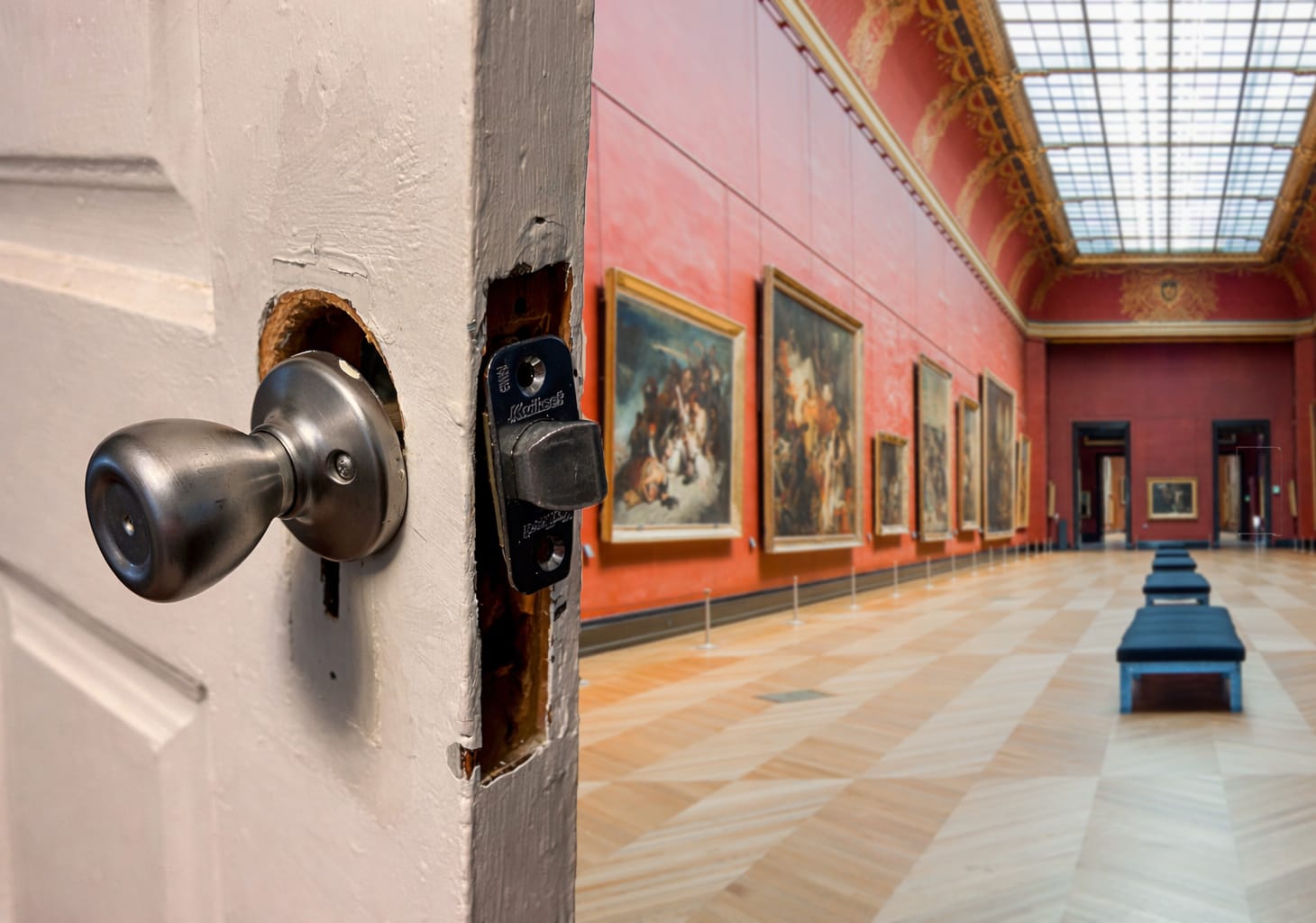
The Louvre Museum announced it will install locks on its doors for the first time in its history, following a brazen heist last fall where robbers stole priceless items in under seven minutes. The new "state-of-the-art entry inhibition protocol" will involve locking doors and windows after hours, with visitors being checked for bobby pins and paper clips, deemed the greatest security threats.

Social Malpractice in the Age of Cultural Compliance

Artist Ed Woodham reflects on the evolution and co-option of socially engaged art, using his own projects like 'The Keepers' protests and the Art in Odd Places initiative as examples. He describes a troubling trend where the language and strategies of social practice art, once used to challenge systems, are now being adopted by developers, corporations, and institutions for branding, place-making, and community engagement initiatives that often operate within the very economic structures driving displacement and eroding public space.

Let Your Home Be

The article explores the aesthetic philosophy of embracing untidiness and natural decay within domestic spaces as a form of beauty. It presents the idea that a home's character can be enhanced by allowing it to remain "ungroomed," challenging conventional norms of interior design and order.

A Delightful Short Film Highlights the Remarkable Self-Taught Art of George Voronovsky

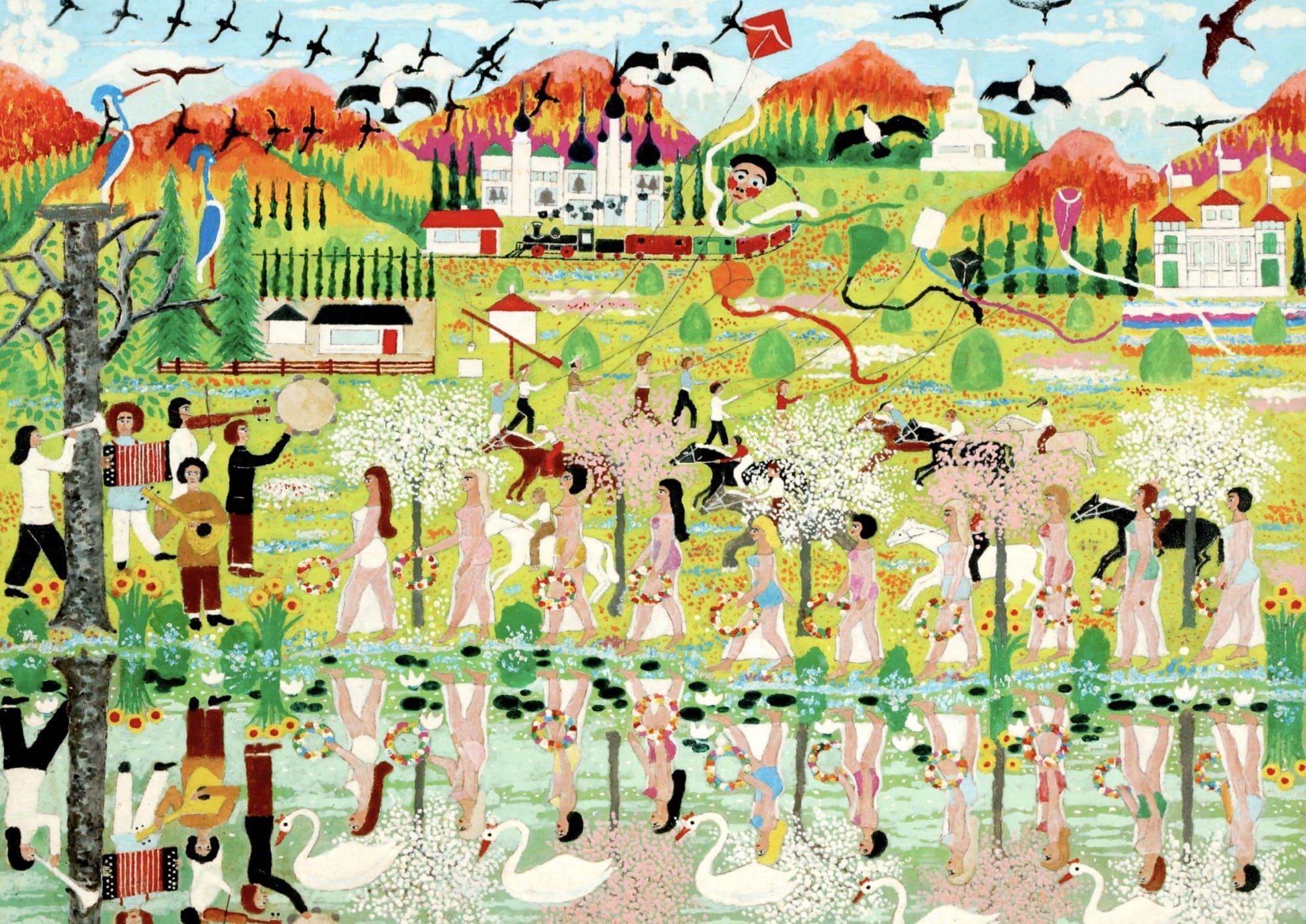
Ukrainian-born artist Jonko “George” Voronovsky transformed his modest retirement room at Miami’s Colony Hotel into a dense, vibrant sanctuary of over 5,000 artworks. After surviving the horrors of the Russian Revolution, Nazi labor camps, and permanent separation from his family, Voronovsky immigrated to the U.S. and spent his final years creating "memoryscapes." These works, crafted from found materials like pizza boxes and soda cans, depicted idyllic, colorful scenes of his youth in Ukraine, contrasting sharply with the trauma of his past.

Mischief’s Genius Ads for NPR Provoke Urgent Questions About the Right to Information

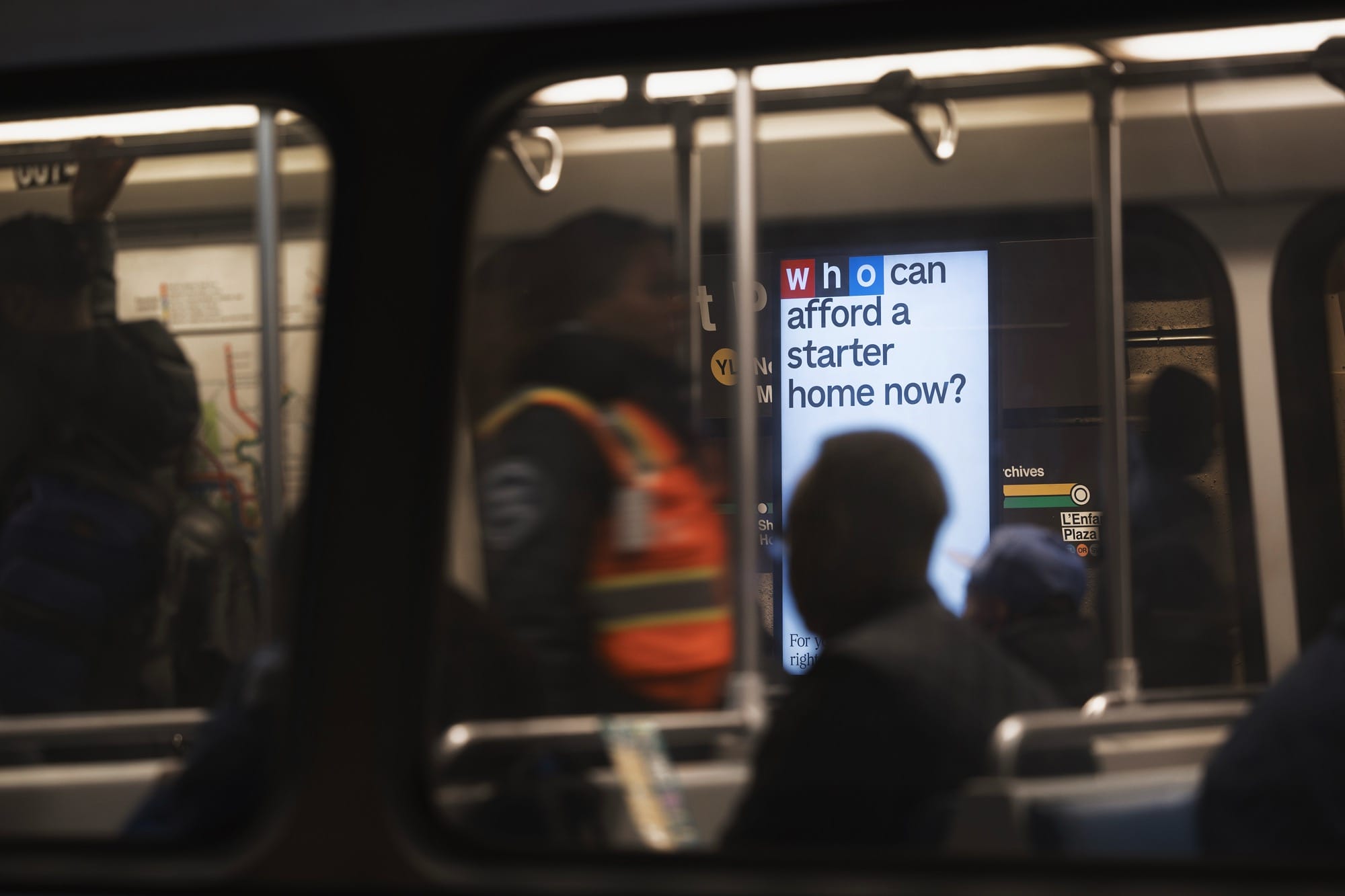
In mid-2025, the Trump administration rescinded $9 billion in public media funding, including $1.1 billion for the Corporation for Public Broadcasting (CBP), which subsequently voted to dissolve. While NPR stated its mission would continue unchanged, the cuts disproportionately impacted rural member stations that relied on CBP for about 13% of their revenue, threatening local access to public media.

Ethics and Parafiction: A Conversation

Ethics and Parafiction: A Conversation

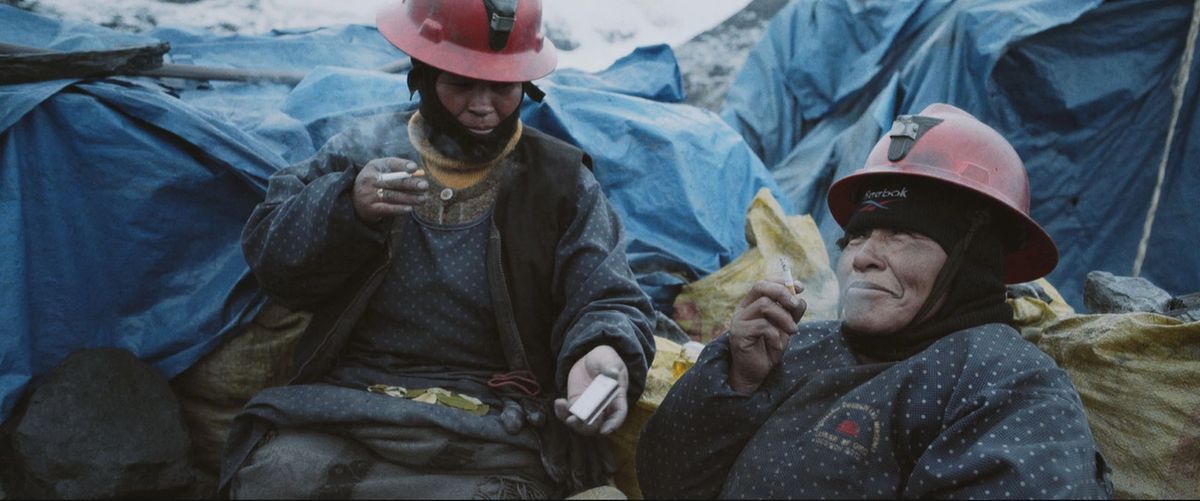
e-flux Screening Room hosted an event featuring artist and filmmaker Salomé Lamas on December 6, 2025. The program included screenings of her films 'Eldorado XXI' (2016) and 'Gold and Ashes' (2025), a presentation of her related publication, and a public conversation with curator Lukas Brasiskis. The published transcript focuses on Lamas's filmmaking process, particularly the logistical and ethical challenges of shooting in extreme locations like La Rinconada, Peru.