search
dashboard All 23070 museum exhibitions 10850article local 3079article news 2485trending_up market 2228article culture 1539person people 942article policy 768rate_review review 451candle obituary 379gavel restitution 308article event 23article events 5article school 3article museum 3article museums 2article gallery 2article satire 1article architecture 1article museums & heritage 1
date_range Range Today This Week This Month All
Subscribe

women who loved picasso book

A new book titled *Hidden Portraits: The Untold Stories of Six Women Who Loved Picasso* by Sue Roe (published by Faber and W.W. Norton) examines the lives of Picasso's six most significant partners: Fernande Olivier, Olga Khokhlova, Marie-Thérèse Walter, Dora Maar, Françoise Gilot, and Jacqueline Roque. The book challenges the narrative that these women were passive muses, instead revealing their personal ambitions and reasons for entering relationships with the artist, drawing on journals and historical context to present their perspectives.


Phoenix Probably Shouldn’t Exist. But Eric Fischl and Frank Lloyd Wright Make It Feel Like the Future

The article is a personal essay recounting the author's multiple visits to Phoenix, Arizona, in 2025. It reflects on the city's rapid growth, its reliance on air-conditioning and water from the Colorado River, and the surreal abundance of swimming pools. The narrative weaves together observations about the city's landscape, including non-native palm trees, and a dinner with artist Eric Fischl, who was judging an art show at Phoenix College. Fischl's painting "Daddy's Gone, Girl" (2016) is discussed as a key example of his work, which often explores suburban unease.

dear ivanka trump moving protest

The activist collective Halt Action Group (HAG) organized a second 'Dear Ivanka' protest in New York City as Ivanka Trump prepared to move to Washington, D.C. Protesters marched from Grand Army Plaza to Trump’s Park Avenue residence, carrying symbolic moving boxes labeled with social and political concerns such as women's rights, affordable healthcare, and freedom of the press. The event featured prominent art world figures and utilized visual metaphors, including a disavowed Richard Prince artwork, to urge Trump to act as a moderate influence on her father’s administration.

these trends defined art in 2025

Artnet News recaps the defining trends of 2025 in the art world, highlighting five key stories. These include the resurgence of elaborate frames in contemporary art ("Bordercore"), the rise of "red-chip art" favored by a new breed of flashy collectors, a "para-pastoral" movement that twists idyllic rural scenes into unsettling visions, and the growing popularity of small-scale paintings driven by intimacy and market shifts.

More Than Breakfast

Mehr als Frühstück

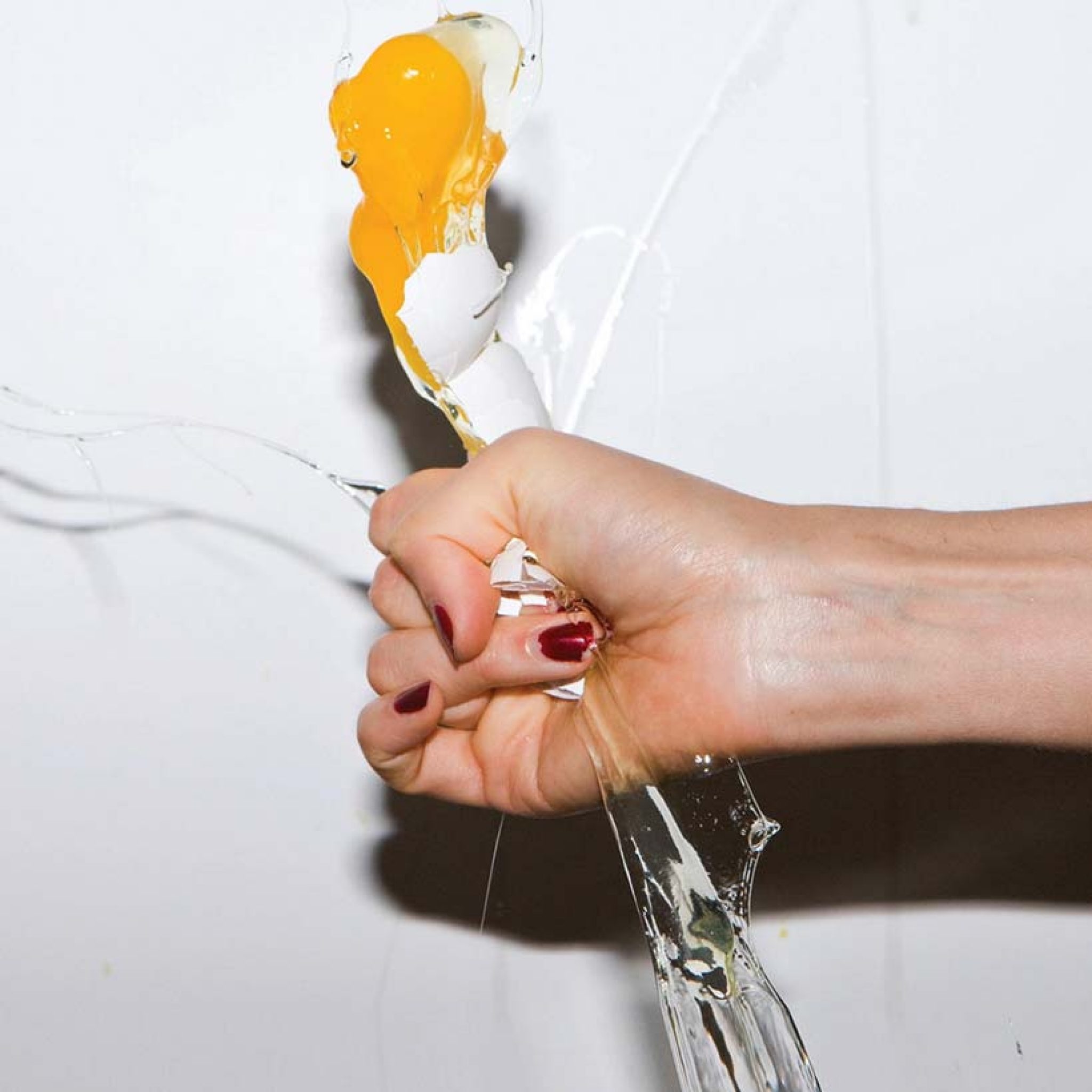
The article explores the enduring presence and symbolism of the egg as a motif throughout art history. It highlights works by artists from Hieronymus Bosch and Pieter Bruegel the Elder to Salvador Dalí and Constantin Brâncuși, showing how the egg has been used in painting, sculpture, and photography to represent themes of origin, life, and perfect form.

Caravaggio Documentary Will Premiere on Marquee TV Next Week

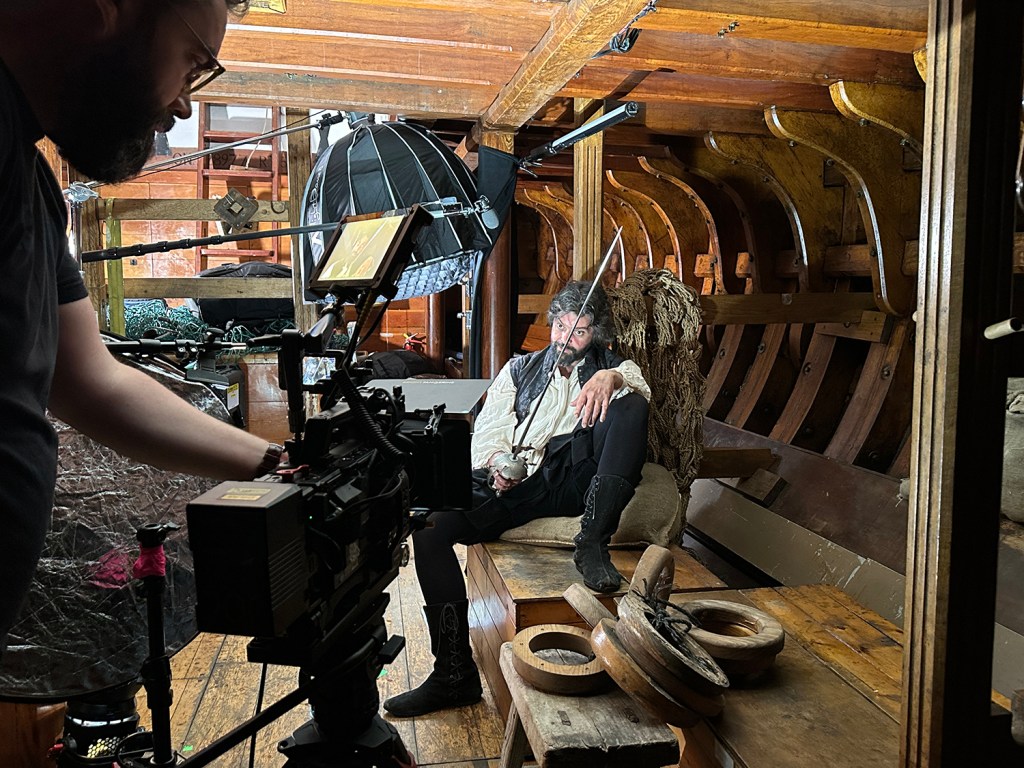
A feature-length documentary about Baroque painter Caravaggio, directed by Phil Grabsky and David Bickerstaff, will premiere on the streaming platform Marquee TV on April 6. The film, part of the "Exhibition on Screen" series, was previously released in theaters last fall and focuses on the artist's innovative painting style rather than his notorious personal life.

10 Artists to Follow if You Like Iris van Herpen

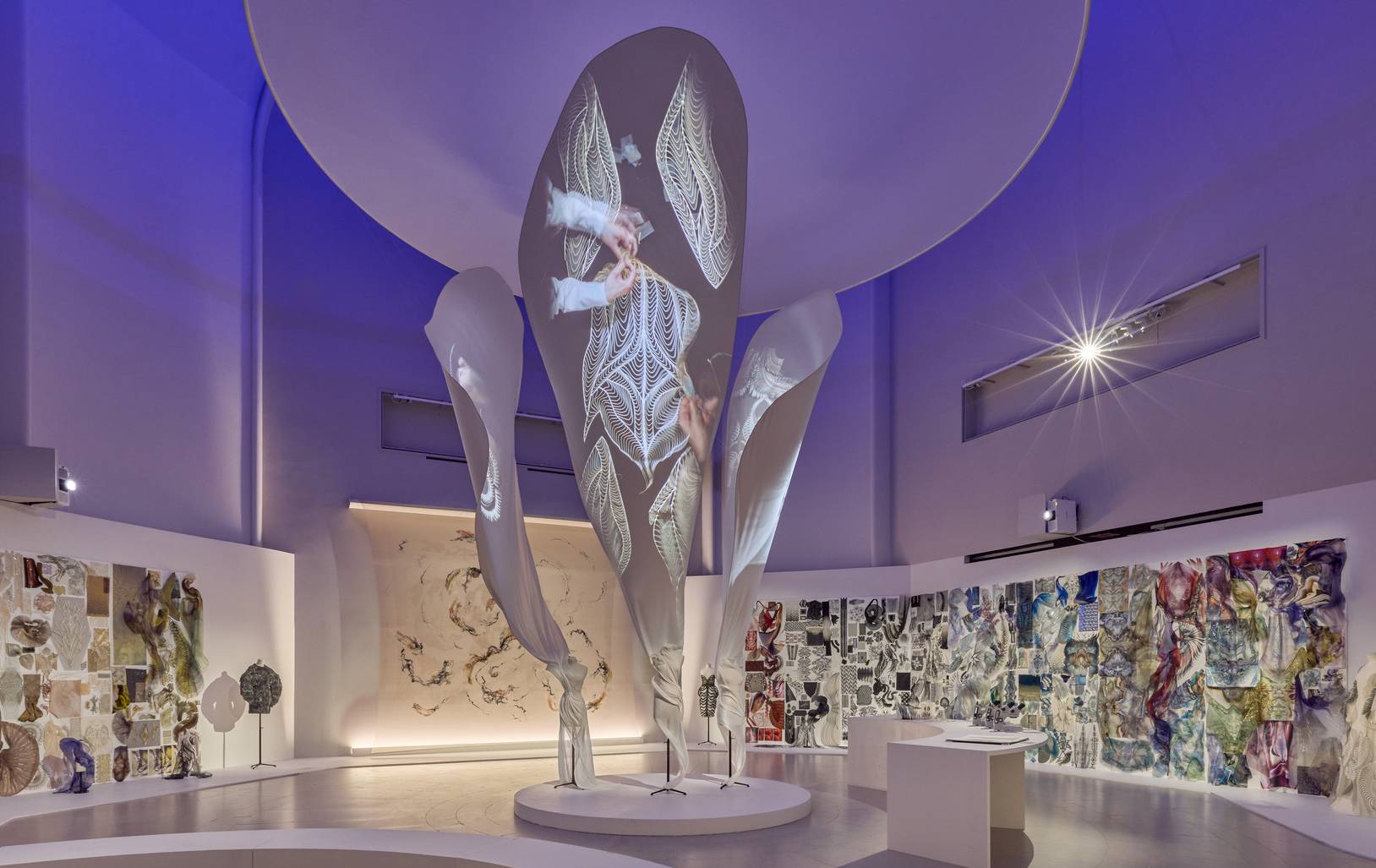
Artsy Editorial profiles 10 contemporary artists whose work aligns with the visionary, technology-driven approach of fashion designer Iris van Herpen. The article highlights van Herpen's career milestones, including her 2011 invitation to join the Chambre Syndicale de la Haute Couture, and her ongoing fusion of traditional craftsmanship with cutting-edge technology to create wearable art. It then presents a curated list of artists who similarly explore themes of organic form, digital fabrication, and the intersection of art and fashion.

How Hajime Sorayama’s Sexy Robots Reflect Our Fantasies

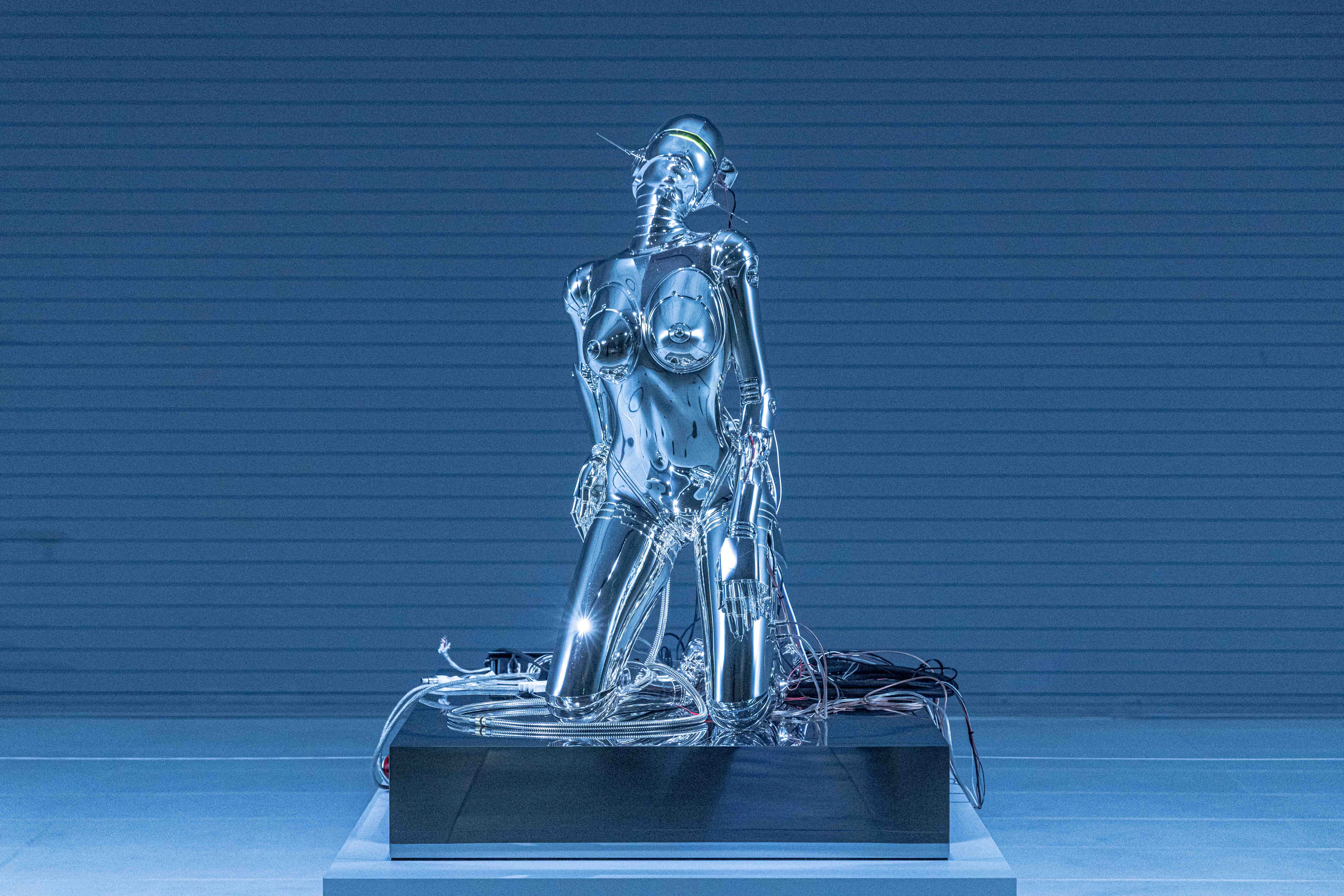
Japanese artist Hajime Sorayama has spent nearly five decades developing his iconic "Sexy Robots" series. These chrome-plated female figures, rendered first with airbrush and later as polished metal sculptures, have evolved to include life-sized works created through digital modeling and engineering collaborations.

art collector advice beginner collecting

Cultured magazine asked several seasoned art collectors—Will Bennett, Laurent Asscher, Geoff Snack, Amélie du Chalard, Allison Sarofim, and Pamela Joyner with Fred Giuffrida—to share their most important advice for novice collectors. Their responses range from building relationships with dealers and scouring unexpected sources like eBay and street-side book boxes (Snack) to focusing on an artist's conceptual approach, technical mastery, and aesthetic result (du Chalard). Others emphasize training the eye through constant exposure, buying what you love rather than what is trendy, and developing a focused area of interest to guide acquisitions.

art collector questionnaire geoff snack rare books design

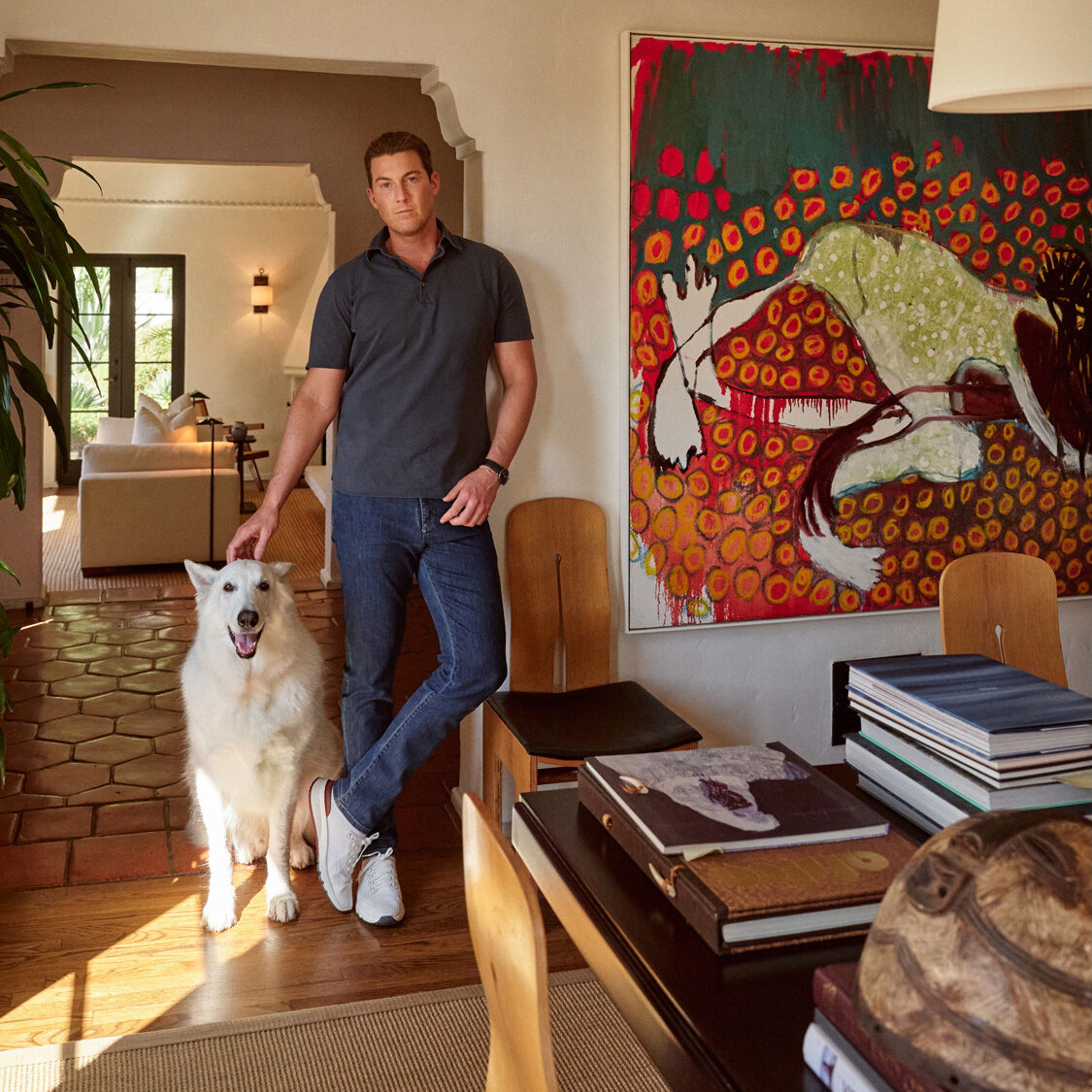
Geoff Snack, a brand strategy director and paper dealer, shares his approach to collecting rare books, design objects, and paper ephemera in an interview with CULTURED. His collection includes a signed copy of Andy Warhol's "Exposures," works by Barbara Kruger, Lawrence Weiner, and Chris Burden, and flyers from the 1980s New York art scene. Snack sources his finds through flea markets, Craigslist, and instinctive hunts, and runs the consultancy Wrong Answer and co-organizes the book fair Available Works at WSA in downtown New York.

design amalia ulman home

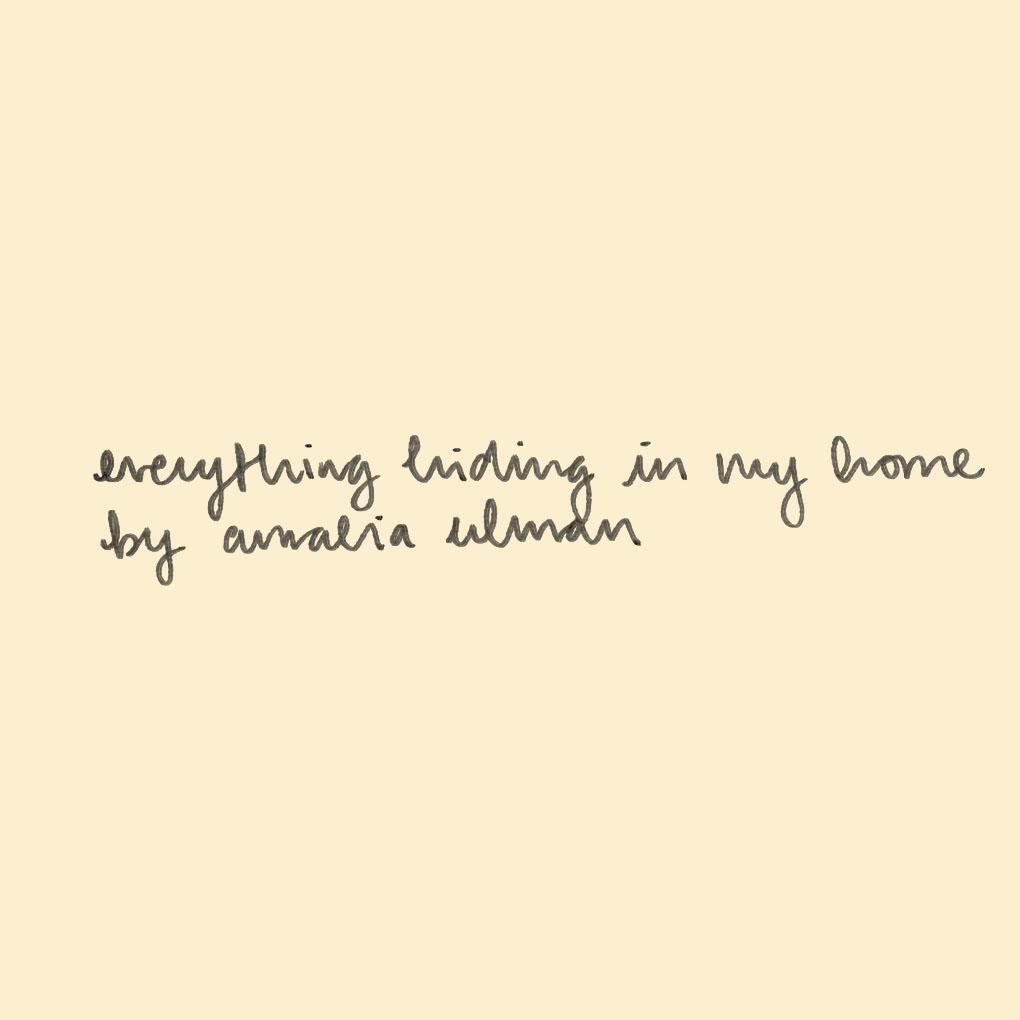
Artist Amalia Ulman shares a personal inventory of 44 objects from her home, ranging from a pigeon-shaped oven mitt and a 1920s Austrian bronze cat figurine to a telephone-shaped lamp bought from a subway vendor and a graphite portrait of her late dog Holga. The list includes quirky functional items like a cane that turns into a stool, a wooden chair that transforms into a ladder, and sentimental keepsakes such as a red pompom from Holga's casket and a bag of gravel from the dog park. The objects reflect her daily life, travels, and memories, blending humor with melancholy.

art work sally mann memoir

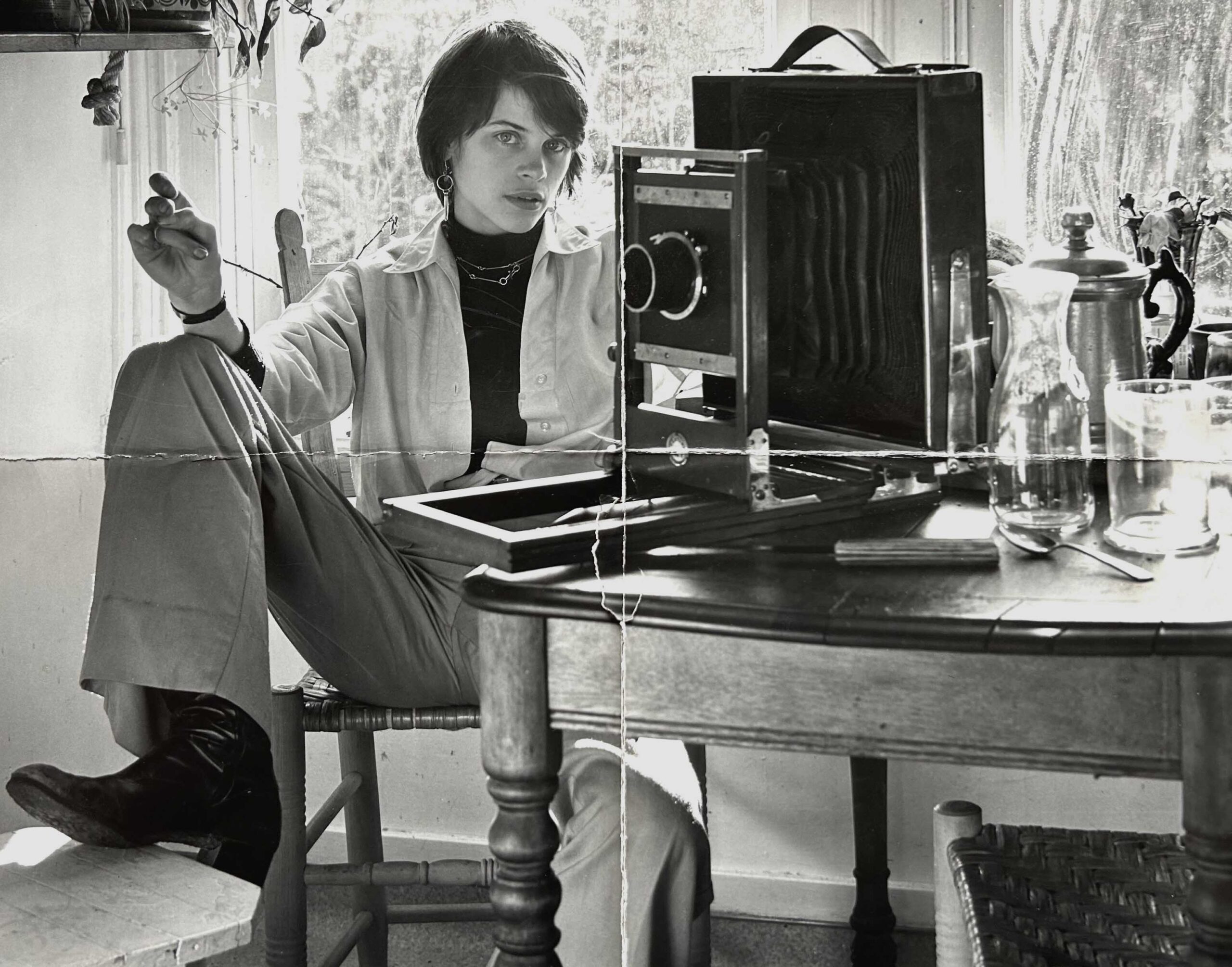
Photographer Sally Mann discusses her new book "Art Work," a follow-up to her National Book Award finalist memoir "Hold Still." In the interview with Cultured, Mann reflects on her career, her black-and-white imagery of family and the Southern landscape, and her shift to digital photography. She shares insights on the changing photography landscape, the melding of art and commerce, and her hopes for the next generation of artists.

art charlie marder east hampton

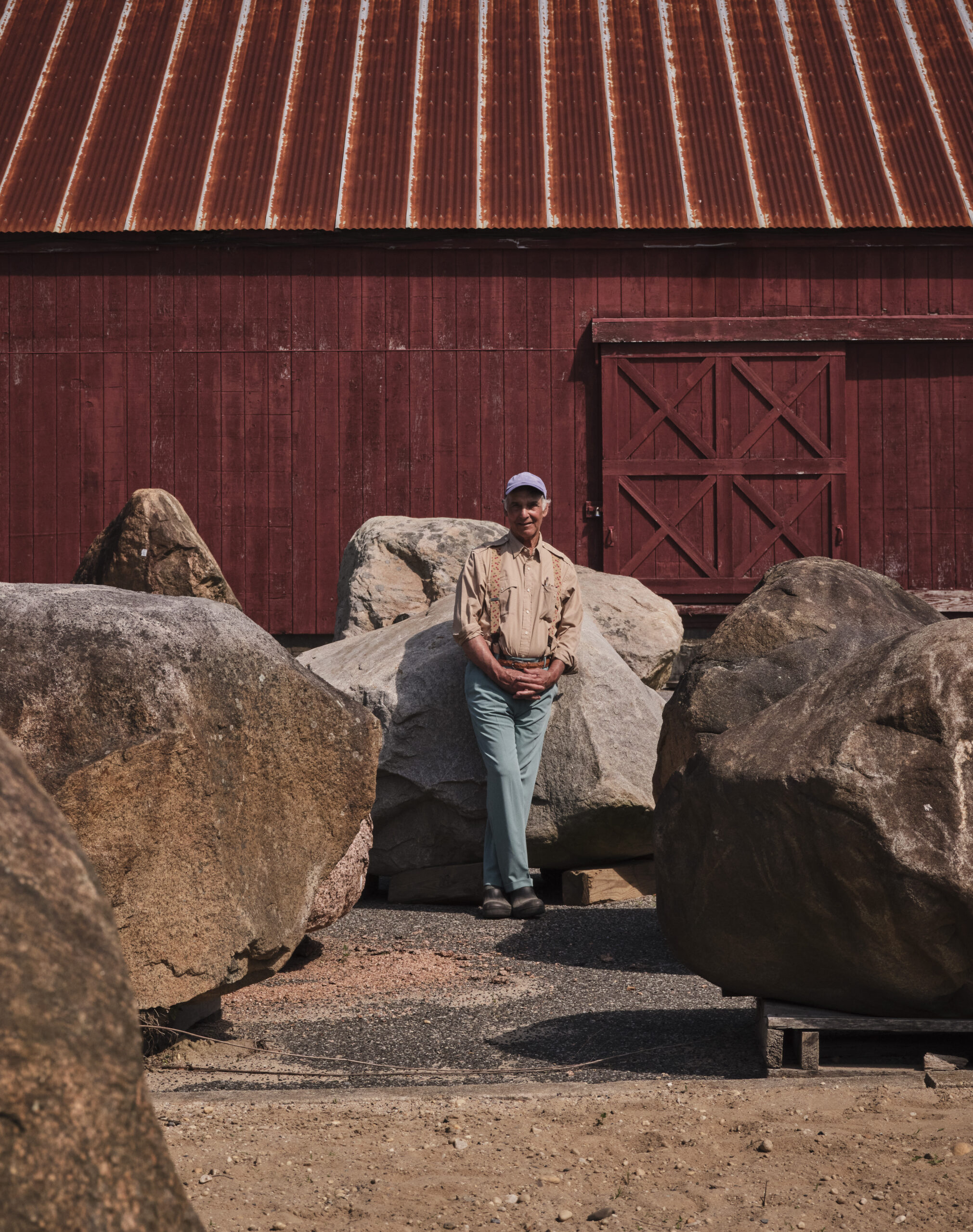
Cultured magazine's Hamptons issue features an interview between designer Robin Standefer and Charlie Marder, the East End horticulturalist known as the 'tree whisperer.' Marder, who co-founded an eponymous Bridgehampton nursery with his wife Kathleen—dubbed 'a horticultural MoMA' by the New York Times—has assembled a sprawling field of massive geological specimens across from the nursery. The rocks, some weighing 10 tons, are salvaged from development sites and quarries. Standefer, who purchased one of Marder's boulders for her birthday, discusses with Marder the ethics of placement, the personalities of stones, and the human urge to give new life to ancient matter.

allison rose dan rose aspen ranch

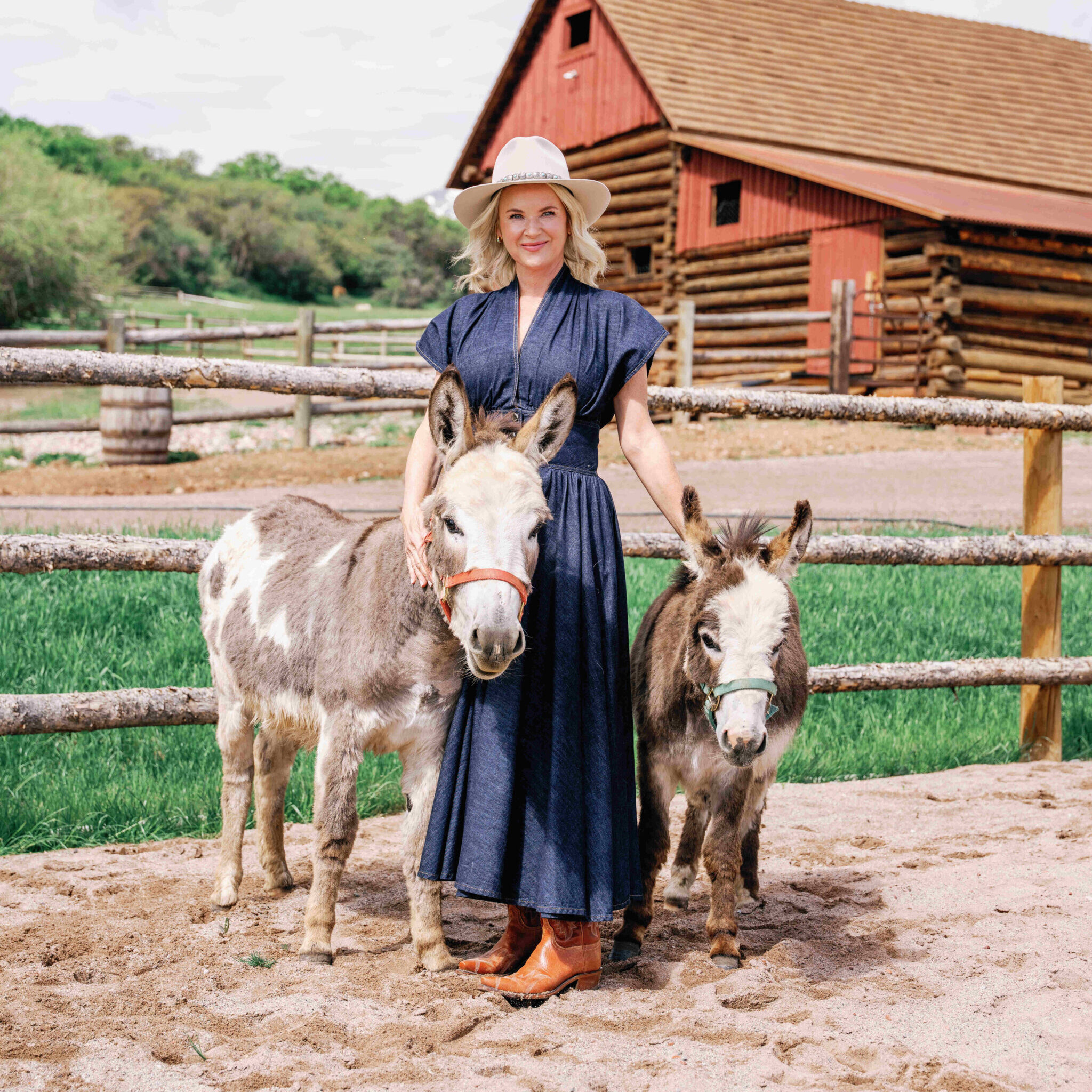
Allison Rose, a restaurateur and investor, and her husband Dan Rose, a tech venture capitalist, have purchased a working cattle ranch on Rose Spur Road in Snowmass, Colorado, near Aspen. The couple, who were drawn to the area after multiple visits following their 25th wedding anniversary in 2021, are restoring the property with a menagerie of miniature Highland cows, donkeys, and a mini horse named Pop Tart, while planning a greenhouse and future cattle raising. Allison Rose, who also owns a ranch in Hawaii and serves on the boards of the Asian Art Museum in San Francisco and the Aspen Art Museum, shares her vision for the ranch and her thoughts on Aspen's culinary scene in an interview with Cultured.

can brainrot be art beeple thinks so

Digital artist Mike Winkelmann, known as Beeple, joined Ben Davis on the Artnet News podcast "The Art Angle" to discuss his work and the evolving perception of digital art. Beeple first gained global attention in 2021 when his NFT artwork "Everydays, The First 5,000 Days" sold for $69 million at Christie's, making him a symbol of the NFT boom. Since then, he has continued to experiment with new media, including interactive video sculptures shown at LACMA and robot dogs with human heads displayed at Art Basel Miami Beach 2025.

the artists way julia cameron interview

Artnet News published an interview with Julia Cameron, author of the bestselling creativity guide *The Artist's Way*, originally released in 1992. Cameron discusses the origins of her 12-week program for overcoming artistic blocks, including the famous 'Morning Pages' ritual of writing three pages of unedited text each day. She also introduces her new book *The Daily Artist's Way*, which offers a fresh approach for fans. The interview, conducted by Ben Davis, revisits how Cameron's practical, spiritually-infused techniques have become a staple for artists, musicians, and writers worldwide.

Art as Memorial in Lotusland

The article "Art as Memorial in Lotusland" by Aleina Grace Edwards appears in the February 2026 issue of Contemporary Art Review LA (CARLA). It is part of a larger issue exploring themes like scent in art, tarot, social urgencies in curation, and video art, positioning it within a critical discussion of contemporary art practices in Los Angeles.

Mystery, controversy and the butterfly’s sting: James McNeill Whistler book aims to dispel the fog around his legacy

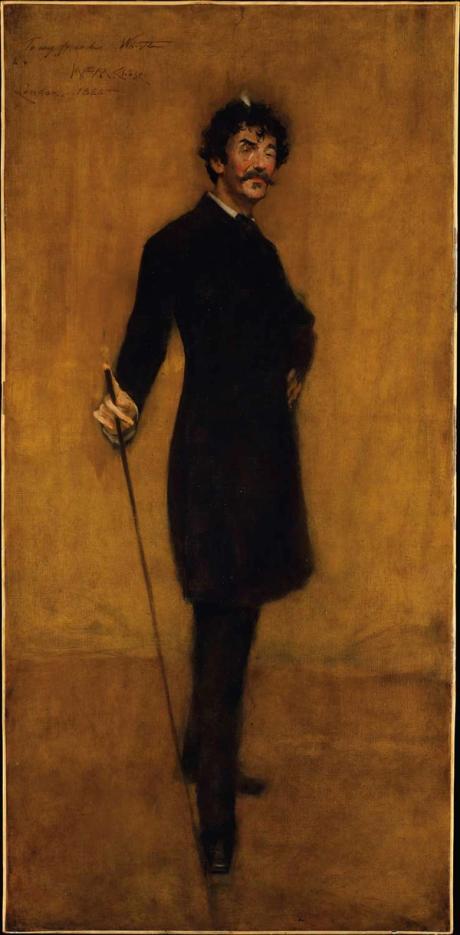
A new book, *Whistler's Legacy*, by historian Daniel Sutherland aims to correct the myths and misconceptions surrounding the enigmatic artist James McNeill Whistler. Sutherland critiques early biographers Joseph and Elizabeth Pennell for factual errors and doctored accounts, and reexamines Whistler's paradoxical life—an American expatriate, a self-styled provocateur, and a meticulous painter of nocturnes and pastels. The book also addresses Whistler's controversial relationships, including his legal battle with critic John Ruskin over *Nocturne in Black and Gold–The Falling Rocket*.

Mapplethorpe nudes, the NEA and the birth of America’s culture wars

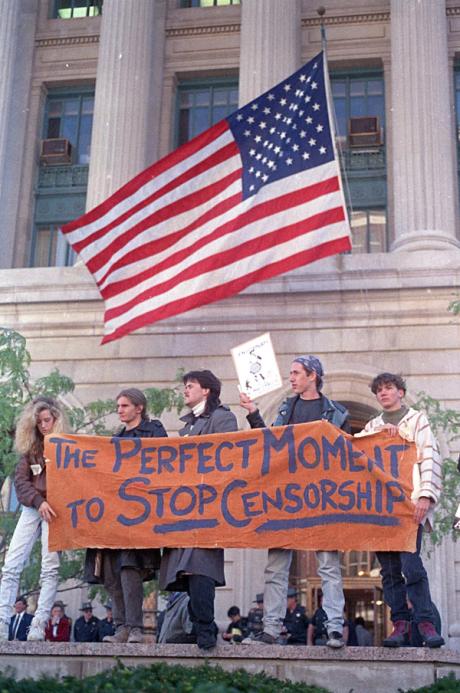
Isaac Butler's new book, *The Perfect Moment: God, Sex, Art, and the Birth of America’s Culture Wars*, examines the 1989 controversy over Robert Mapplethorpe's retrospective at the Corcoran Gallery in Washington, DC. The exhibition, funded in part by a $30,000 NEA grant, was canceled after conservative backlash, then hosted by the Washington Project for the Arts. Butler, whose mother served on the WPA board, also covers related battles over Andres Serrano's *Immersion (Piss Christ)*, music warning labels, and the "NEA Four" performance artists whose grants were denied. The book was inspired by the 2020 decision to delay a Philip Guston retrospective over concerns about his Klan imagery, which Butler sees as a liberal act of self-censorship.

What We Miss When We Flatten Georgia O’Keeffe Into a Feminist Icon

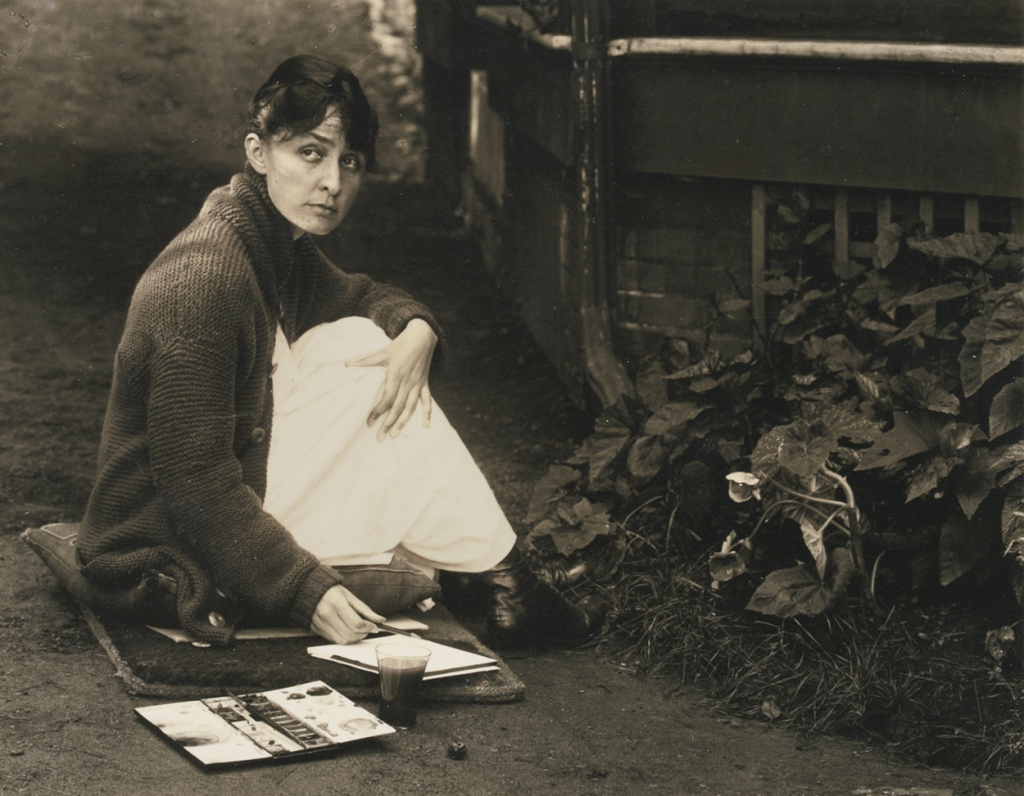
A new documentary, *Georgia O'Keeffe: The Brightness of Light*, directed by Paul Wagner, explores the artist's life and work, but its release timed around Mother's Day sparks criticism for reducing O'Keeffe to a maternal stereotype. The film delves into O'Keeffe's complex relationship with husband and gallerist Alfred Stieglitz, her rejection of sexualized interpretations of her flower paintings, and her determination to prioritize art over conventional womanhood.

From high BMI to the ‘GLP-1 look’: how weight-loss jabs are changing the face of beauty

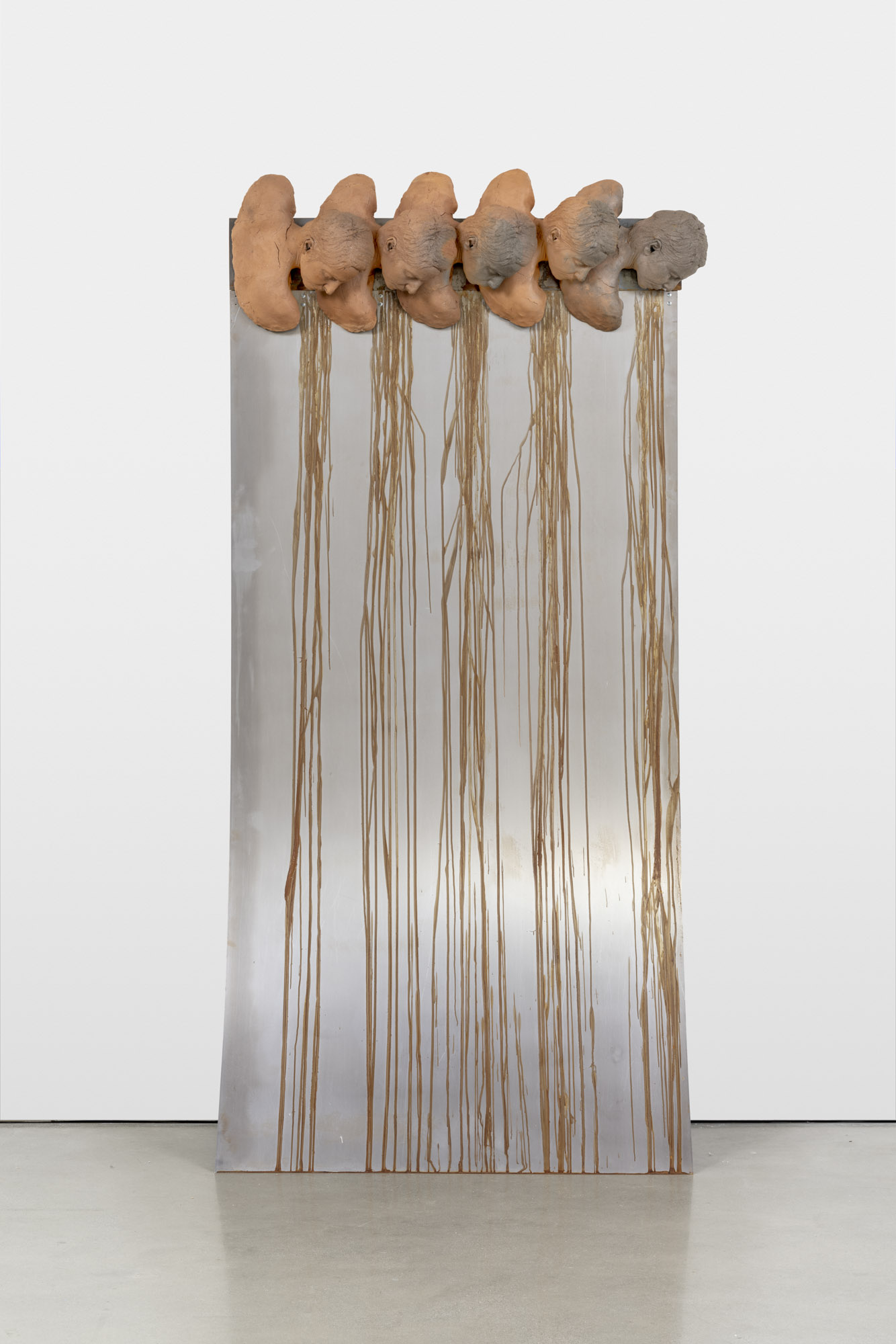
Researchers and art historians are examining how weight-loss drugs like Wegovy and Mounjaro are reshaping ideals of beauty in art. Prof. Rosalind Gill and Dr. Michael Yafi argue that the rapid fat loss caused by GLP-1 medications produces a distinctive gaunt facial appearance—dubbed 'GLP-1 face'—which could become a new aesthetic standard reflected in contemporary art, similar to 'heroin chic' in the 1990s. Yafi presented his findings at the European Congress on Obesity, noting that while artists like Fernando Botero continue to celebrate fuller figures, future artworks may increasingly depict thin individuals with hollowed features.

A hated portrait and a forged masterpiece: two new thrillers with paintings at their centre

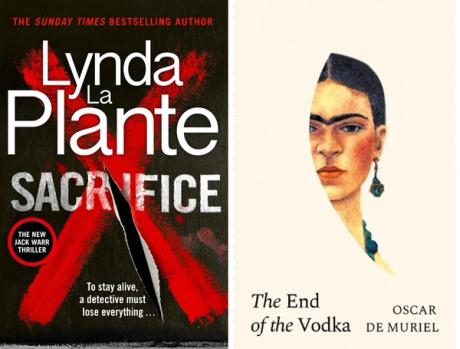
Two new thrillers center on paintings: "The End of the Vodka" by an unnamed author, which fictionalizes the real story of Frida Kahlo's commissioned portrait of Dorothy Hale—a painting that horrified its patron Clare Boothe Luce—and weaves an imagined conversation between Luce and Wallis Simpson amid the backdrop of World War II. The second, "Sacrifice" by Lynda La Plante, follows Detective Jack Warr as he investigates a possible forgery of a Jean-Michel Basquiat painting, leading to murder and a missing art forger.

Two of Modernism’s Lesbian Icons Get the Novel Treatment

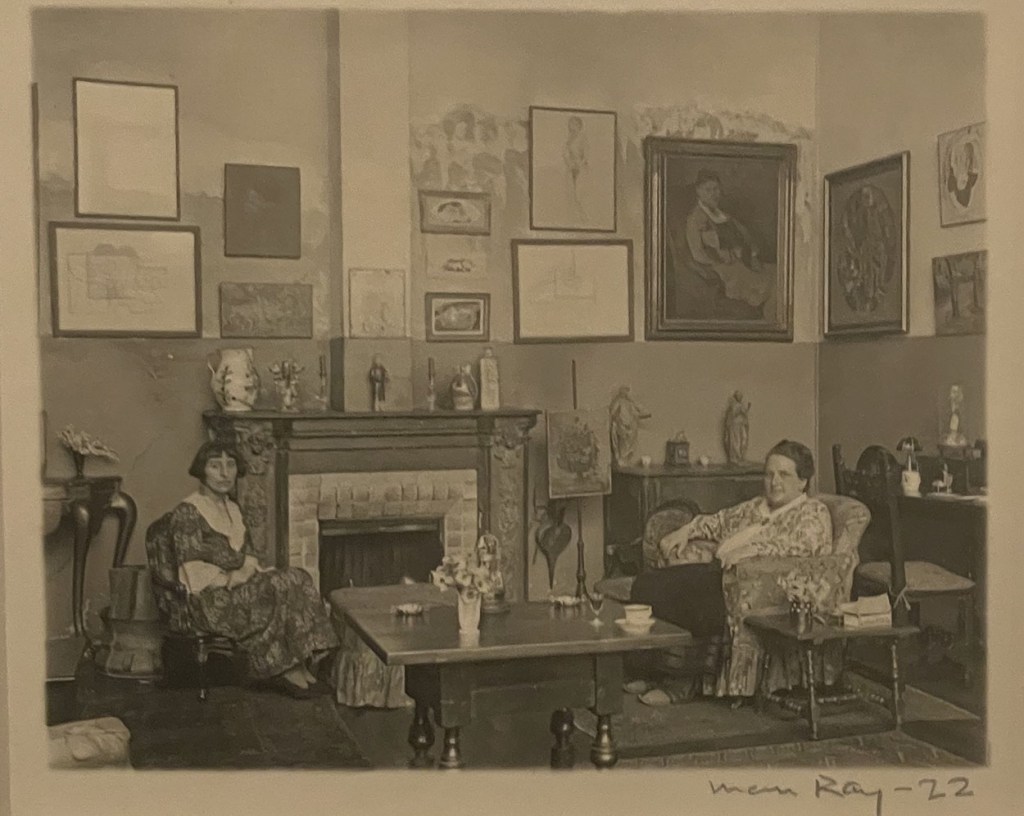
Deborah Levy's novel "My Year in Paris with Gertrude Stein" follows an unnamed narrator who travels to Paris to write an essay about Gertrude Stein, struggling with the weight of Stein's legacy while visiting her grave at Père Lachaise cemetery. The book explores Stein's life as a modernist icon, her relationship with Alice B. Toklas, and her role as a host to figures like Pablo Picasso and Ernest Hemingway, while the narrator grapples with Stein's defiant personality and literary style.

Louis Vuitton revives Keith Haring collaboration at lavish New York show

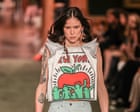
Louis Vuitton staged a lavish fashion show at the Frick Collection in New York, reviving a collaboration with the estate of artist Keith Haring. The collection, designed by Nicolas Ghesquière, featured Haring's signature motifs on classic LV handbags and was presented in the museum's marble galleries. The event also marked a three-year sponsorship deal, with Louis Vuitton funding exhibitions, public access, and a curatorial position at the Frick, including rebranded free entry evenings as Louis Vuitton Free Fridays.

New Richard Avedon documentary chronicles how he shaped the evolution of photography

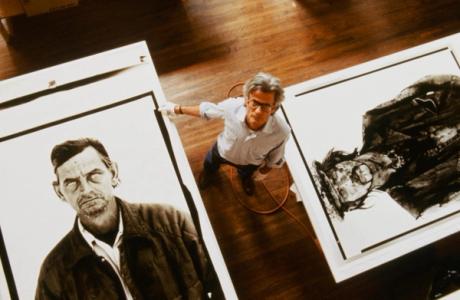
Imagine Documentaries, the nonfiction arm of Ron Howard and Brian Grazer's Imagine Entertainment, premiered a new documentary about photographer Richard Avedon at the Cannes Film Festival on May 17. The film, co-produced by the Richard Avedon Foundation, draws heavily from archival interviews conducted by Helen Whitney for the PBS series *American Masters*, supplemented by new interviews with Avedon's son John, muse Lauren Hutton, Isabella Rossellini, Twyla Tharp, and former *New Yorker* colleagues Tina Brown and John Lahr. The documentary explores Avedon's career, his technique of building rapport with subjects, and his iconic images such as *Dovima with Elephants*, which dealer Larry Gagosian notes sold for $2 million.

‘Depraved in all the right ways’: why forgotten no wave visionary Gordon Stevenson is about to take off

The article profiles Gordon Stevenson, a forgotten visionary of the no wave movement in late-1970s New York, who was an artist, jewelry designer, musician, and filmmaker best known for the notorious film *Ecstatic Stigmatic*. Decades after his death from AIDS, a storage unit full of his lost work has been discovered, including jewelry, mail-art collaborations with Ray Johnson, and clues to a surviving print of his film. His family has also recovered hundreds of letters he wrote to his parents, chronicling his life in downtown New York and his experiences as one of the city's first AIDS patients. The piece traces his journey from a small town in Georgia, where he met his wife Mirielle Cervenka (who later renamed Exene Cervenka), to their punk-era jewelry brand LHOOQ and his lasting influence on gothic fashion.

One Erased Vermeer, Two Books, and No Consensus

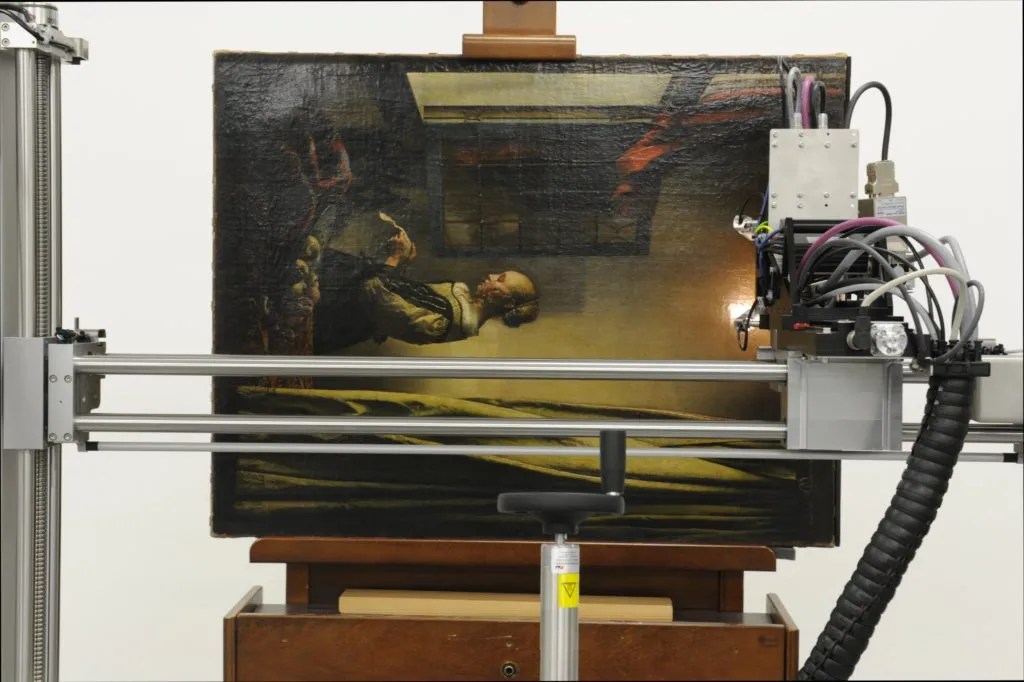
Two new books examine the legacy of Johannes Vermeer from contrasting angles. Ruth Bernard Yeazell's "Vermeer's Afterlives" (Princeton University Press) explores how the artist's open-ended, figureless interiors have inspired later creators, from painter George Deem to novelist Tracy Chevalier. Andrew Graham-Dixon's "Vermeer: A Life Lost and Found" restores the historical and religious context of 17th-century Delft, arguing that modern readings have overlooked the original meanings of Vermeer's works.

How Well Do the Met Gala’s Attendees Know Their Art History? We Critique Looks by Madonna, Hunter Schafer, and More

The article critiques nine outfits from the 2026 Met Gala, which was held under the theme 'Fashion Is Art' in conjunction with the Costume Institute's new exhibition 'Costume Art' at the Metropolitan Museum of Art. It analyzes how attendees like Hunter Schafer, Lauren Sánchez Bezos, and Kylie Jenner referenced specific artworks—such as Gustav Klimt's *Mäda Primavesi* and John Singer Sargent's *Madame X*—in their fashion choices, evaluating the success of these art-historical allusions.

7 Books We’re Looking Forward to in May

ARTnews has published a list of seven art books to look forward to in May 2026, covering a wide range of topics from contemporary theory and AI imagery to historical biographies and the Venice Biennale. Featured titles include Dena Yago's collected writings 'That Figures,' Victoria Johnson's biography of Frederic Church 'Glorious Country,' Trevor Paglen's 'How to See Like a Machine,' Nicholas Fox Weber's 'Anni Albers: A Life,' Massimiliano Gioni's 'High Waters: An Oral History of the Venice Biennale,' Rennie McDougall's 'Nonstop Bodies: How Dance Shaped New York City,' and Paul Elie's 'Last Supper: Art, Faith, Sex and Controversy in the 1980s.'

Harnessing the winds of societal change: how art dealers have been able to shape taste for centuries

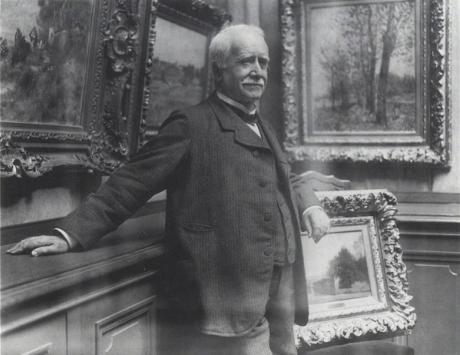
Valentina Castellani, a former Gagosian director, has authored a new book titled *Trading Beauty: Art Market Histories from the Altar to the Gallery* (out 1 May). The book traces how art dealers have historically leveraged societal changes—political, economic, and social—to reshape taste and market structures. Castellani begins in the Middle Ages, when art was made only on commission for patrons like the Catholic church and monarchies, and moves through key shifts such as the Dutch Republic's first open art market in the 17th century, which gave rise to the professional art dealer. She highlights dealers like Paul Durand-Ruel, Joseph Duveen, and Leo Castelli who capitalized on anti-establishment energy, new wealth, and post-war consumer culture to bring avant-garde art to the forefront.