filter_list Showing 35 results for "AP" close Clear
dashboard All 856 museum exhibitions 435article local 121article news 88trending_up market 58person people 39article culture 35article policy 32rate_review review 19candle obituary 11gavel restitution 8article event 7article events 2article gallery 1
date_range Range Today This Week This Month All
Subscribe

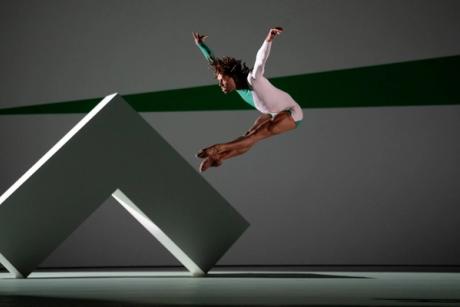
How Wayne McGregor’s epic ballets draw on help from his artistic friends

Choreographer Wayne McGregor’s upcoming production at the Royal Opera House, 'Alchemies', highlights his career-long commitment to cross-disciplinary collaboration with visual artists and designers. The program features a world premiere with costumes by fashion designer Saul Nash, alongside revivals of 'Yugen' and 'Untitled, 2023'. These works incorporate significant contributions from the art world, including set designs by ceramicist Edmund de Waal and previous collaborations with figures like Tacita Dean and Olafur Eliasson.
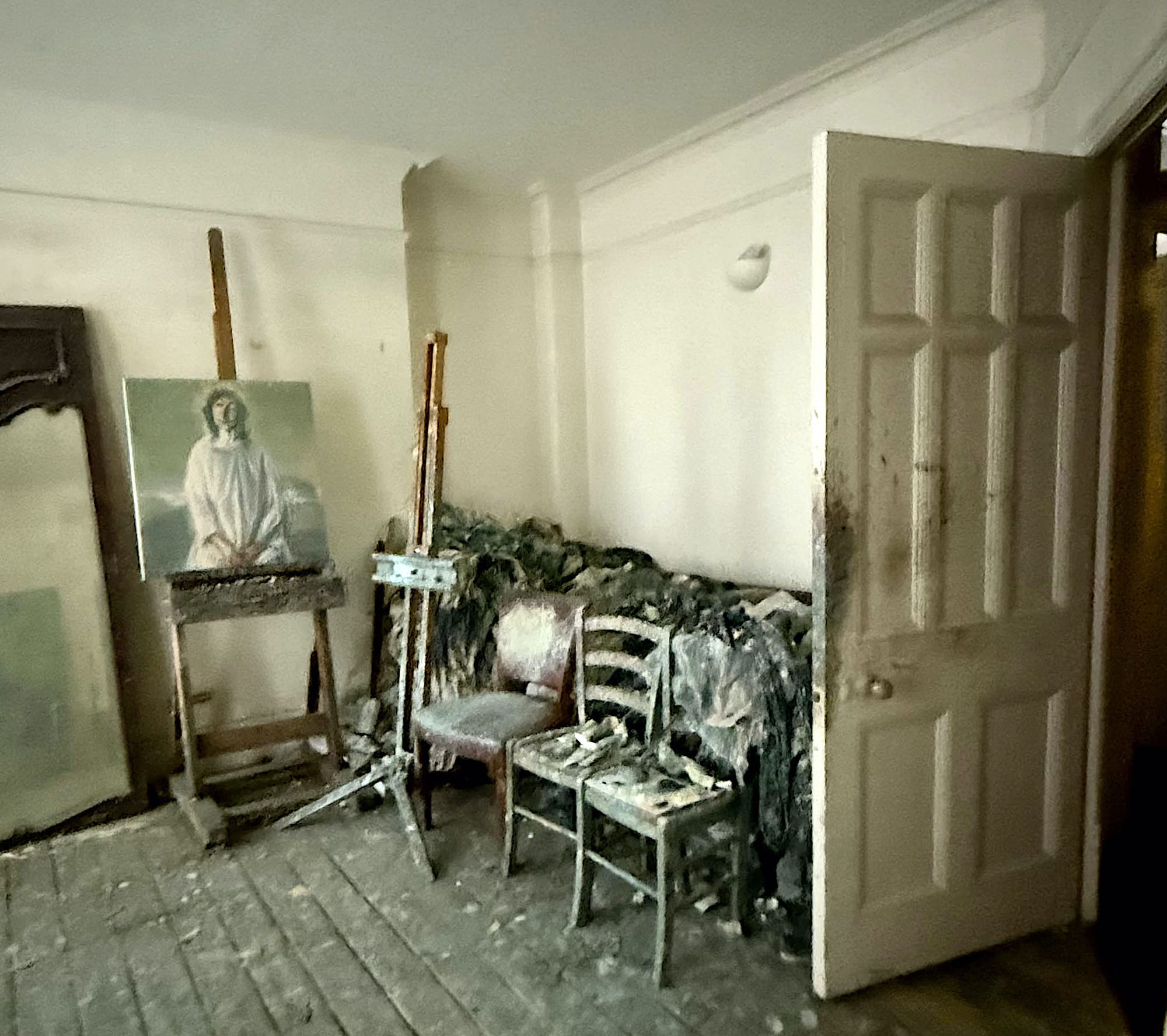
A View From the Easel With Celia Paul

British painter Celia Paul provides an intimate look at her long-term studio and residence in London's Bloomsbury neighborhood, where she has lived and worked for 44 years. The artist describes a disciplined routine starting at 5am, emphasizing a need for silence and a pared-down environment to foster the introspection found in her seascapes and self-portraits.

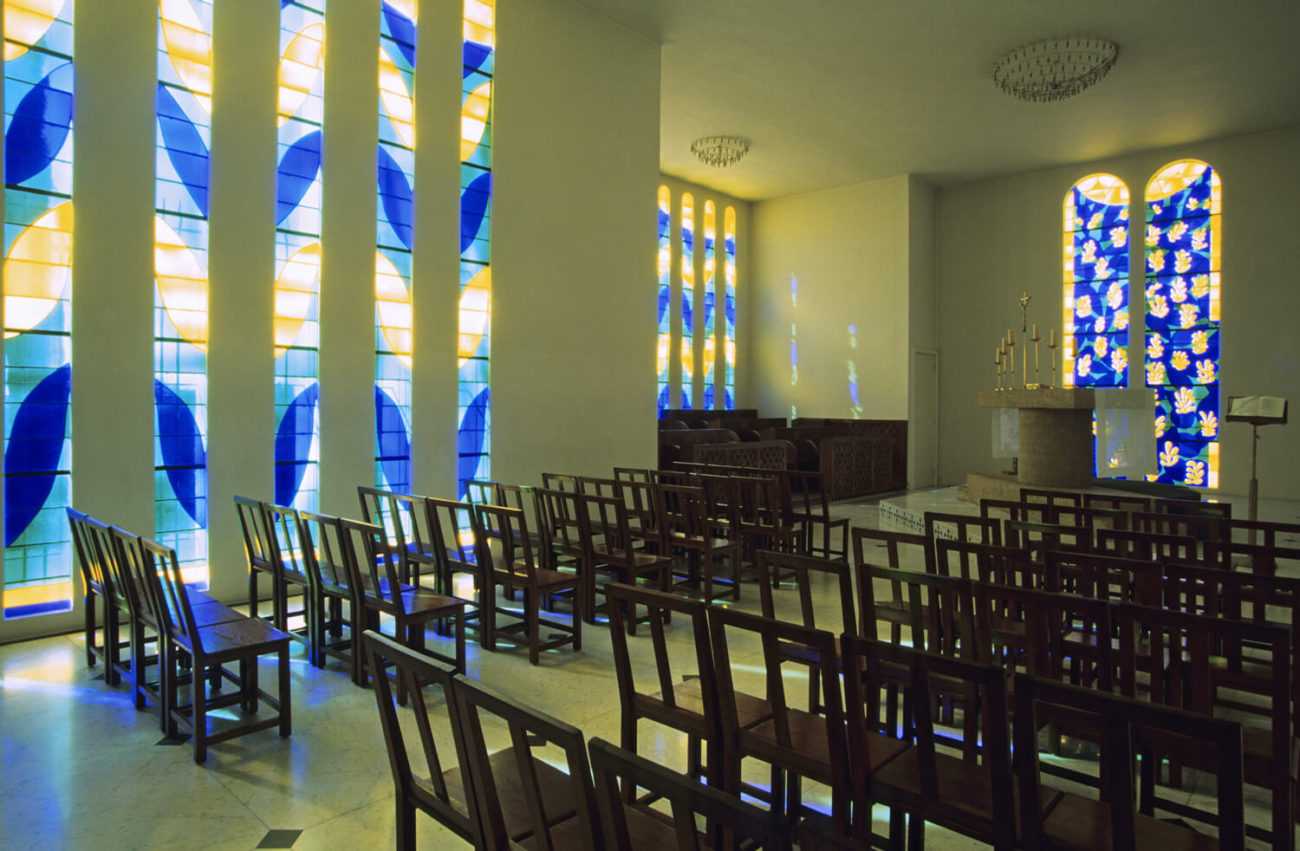
Matisse, Soulages, Chagall… The most beautiful churches and chapels decorated by artists throughout France

Matisse, Soulages, Chagall… Les plus belles églises et chapelles décorées par des artistes dans toute la France

Renowned modern and contemporary artists have transformed various religious sites across France into immersive 'total works of art.' From Pierre Soulages’ translucent stained-glass windows in the Abbey of Sainte-Foy in Conques to Pablo Picasso’s monumental 'War and Peace' murals in Vallauris, these projects demonstrate how secular artists have engaged with sacred architecture. The article highlights ten specific locations where artists like Matisse, Chagall, and Cocteau integrated painting, glasswork, and furniture into historic ecclesiastical settings.

A Place of Perpetual Warmth: Hyde Park Art Center and the Making of Chicago’s Creative Identity

The Hyde Park Art Center (HPAC) stands as a vital pillar of Chicago’s grassroots creative identity, serving for eighty-six years as an unpretentious alternative to the city's major encyclopedic museums. From its early days under curator Don Baum, the center became a catalyst for the avant-garde, famously launching the careers of the Chicago Imagists and the Hairy Who. Today, it continues to function as a multifaceted ecosystem that blends community education, artist residencies, and experimental exhibitions within a residential neighborhood setting.

8 Artists to Follow If You Like Marcel Duchamp

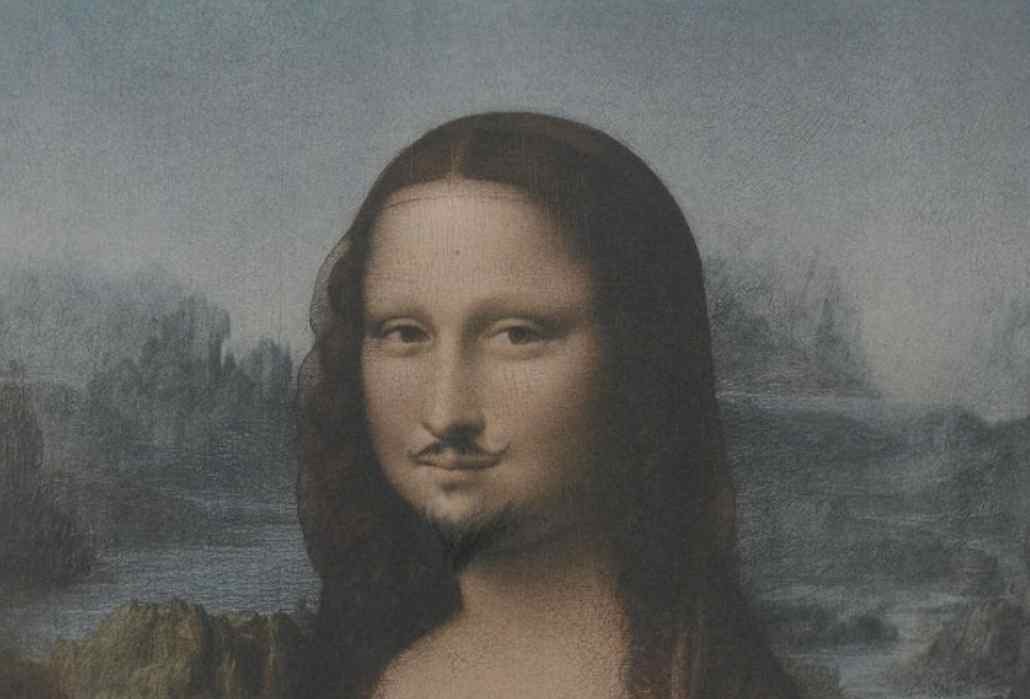
Marcel Duchamp’s legacy continues to shape contemporary art through his pioneering use of readymades, conceptual rigor, and institutional critique. This analysis identifies eight modern and contemporary artists whose practices echo Duchamp’s subversion of traditional aesthetics, ranging from his early experiments with found objects to his later explorations of gender and mechanical desire.

Galle Facing

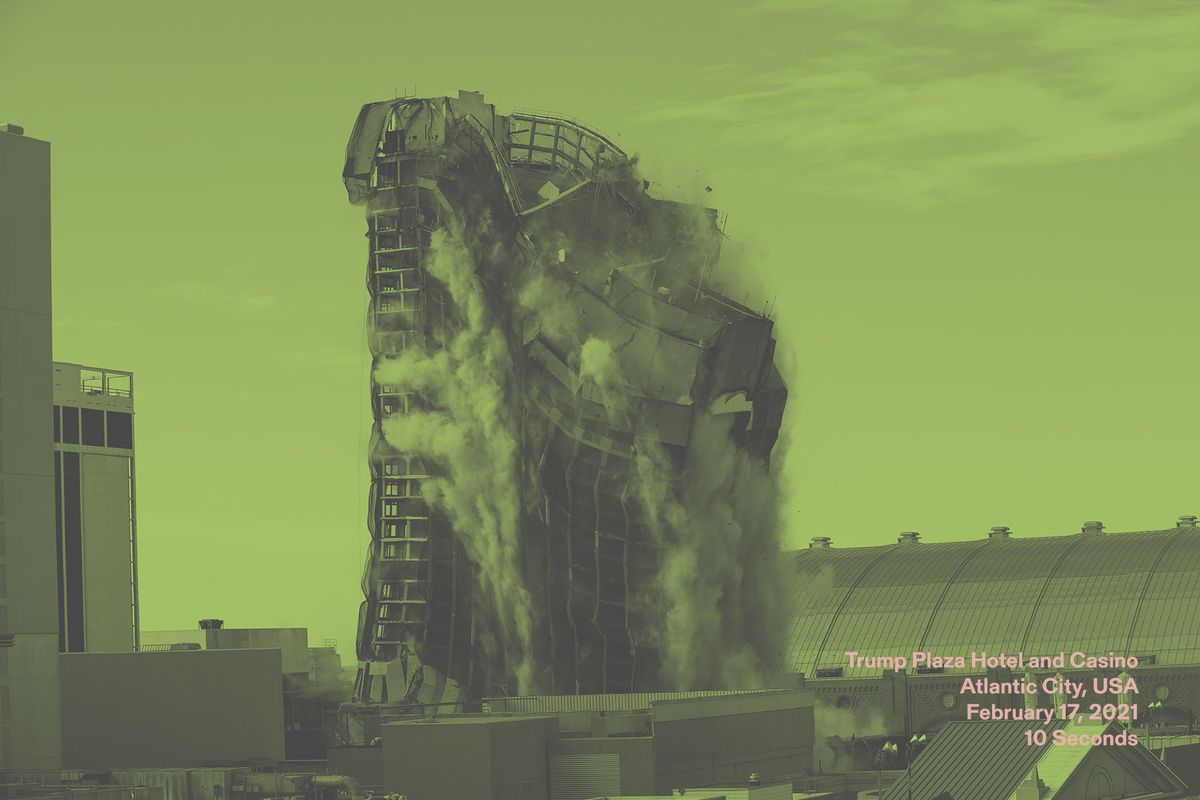
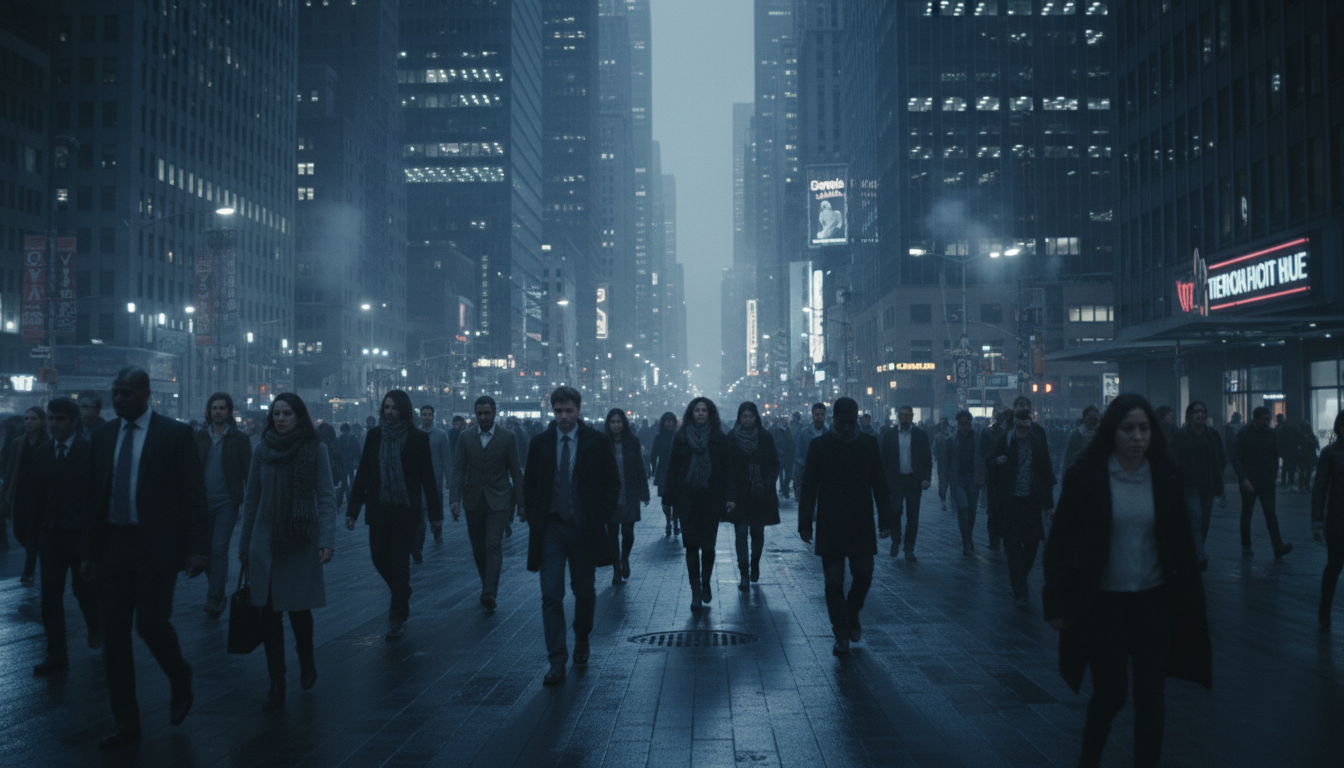
Colombo’s skyline has undergone a radical transformation into a forest of glass and steel towers, epitomized by projects like the Lotus Tower and Port City. This rapid urbanization, driven by a state ambition to create a 'world-class city' following decades of civil war, has resulted in the displacement of local neighborhoods and the burial of historical layers under new infrastructure.

Collapse Finance, Part 2: Longevity Capitalism—Life as an Asset Class

The essay explores the emergence of "longevity capitalism," a financial and biopolitical regime where biological duration and life expectancy are treated as assets for capital accumulation. As traditional welfare systems and collective pension schemes collapse, the uncertainty of human lifespan has been transformed into a speculative frontier, with retirement security increasingly tied to volatile private equity and cryptocurrency markets.

"My Art Invites People to Rebel Against the Status Quo"

"Meine Kunst lädt ein, gegen die Zustände zu rebellieren"

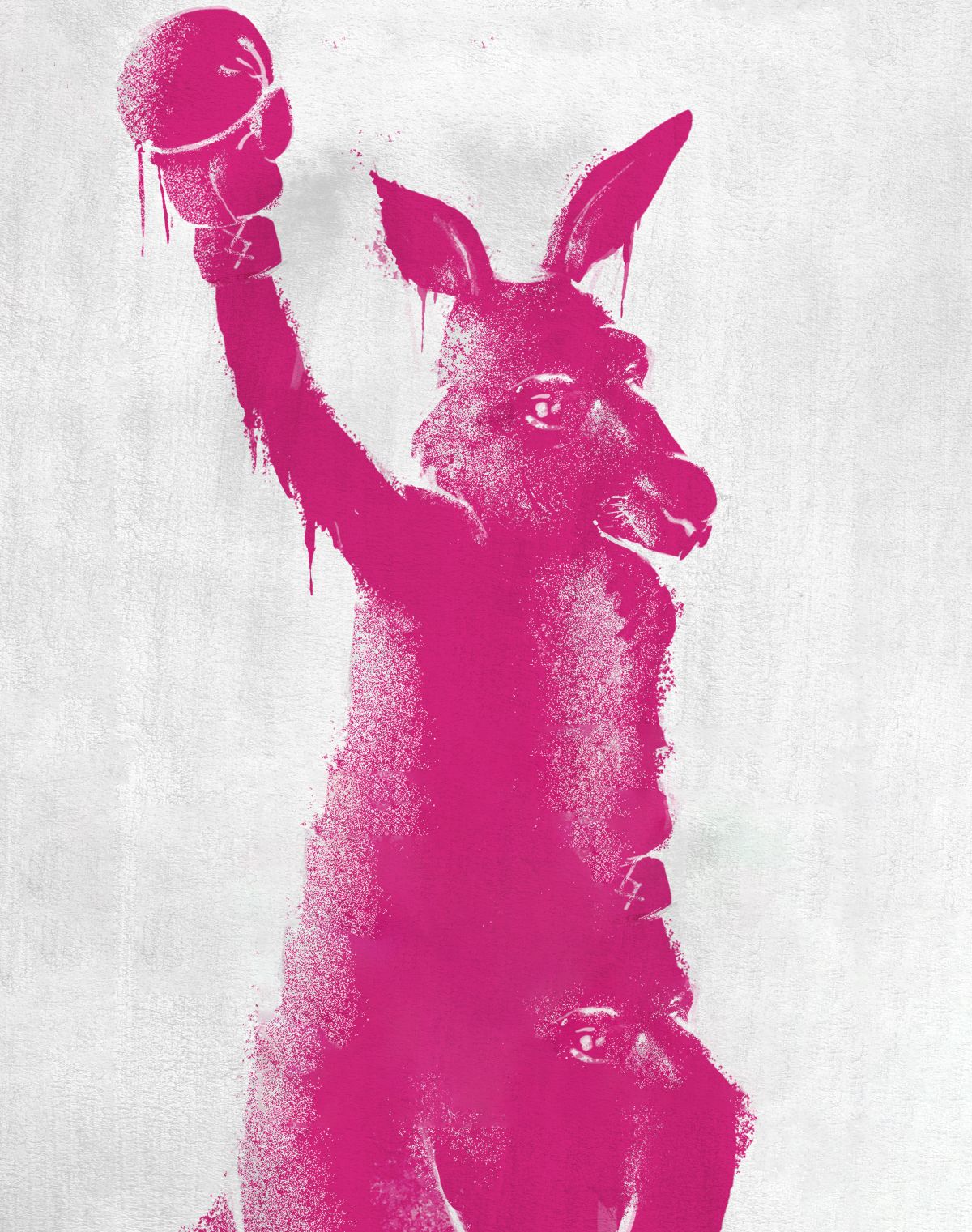
The iconic, communist Kangaroo from Marc-Uwe Kling’s popular literary series has transitioned into the world of contemporary art. After accidentally wandering into a gallery opening while under the influence of liquor-filled chocolates, the marsupial decides to launch a career as an artist, viewing the white cube as a new frontier for its anti-capitalist rebellion.

'Presence of Color.' How race shaped photography | Opinion

The Fayetteville Observer explores the historical racial bias embedded in photographic technology through the lens of "Shirley Cards." These reference tools, used by film developers for decades to calibrate color balance, were based exclusively on the skin tones of white female models, resulting in poor image quality and distorted representations for Black and dark-skinned subjects.

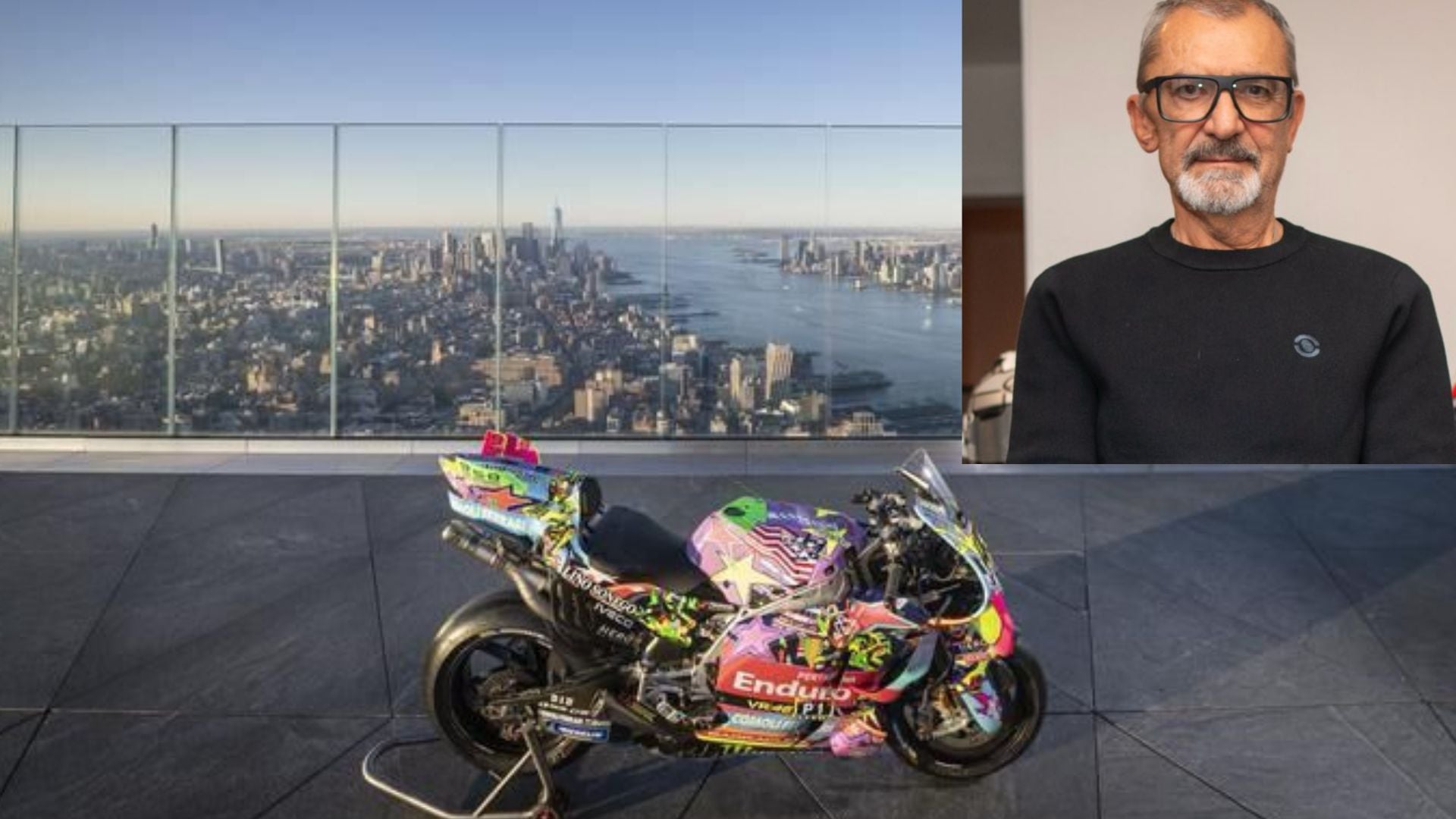
Story of the designer who transformed MotoGP by designing Valentino Rossi's bikes and suits

Storia del designer che ha trasformato la MotoGP disegnando moto e tute di Valentino Rossi

Aldo Drudi, the influential designer who transformed the visual aesthetics of MotoGP, created a special site-specific livery for the Pertamina Enduro VR46 Racing Team's presentation at The Edge in Hudson Yards, New York. The livery, unveiled on March 24, 2026 for the United States Grand Prix, is a complex graphic composition that references team history, Valentino Rossi, and American culture, elevating motorcycle design to a form of moving art.

Recording Presence: Practical Strategies For Documenting Contemporary Exhibitions

The article provides a practical guide to documenting contemporary art exhibitions, outlining methods for creating useful, ethical, and durable records. It emphasizes the importance of shot lists, consistent file naming, descriptive metadata, and accessibility features like captions and transcripts to ensure archives remain searchable and meaningful over time.

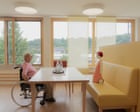
Emma the joke-telling robot cracks up the care home: Paula Hornickel’s best photograph

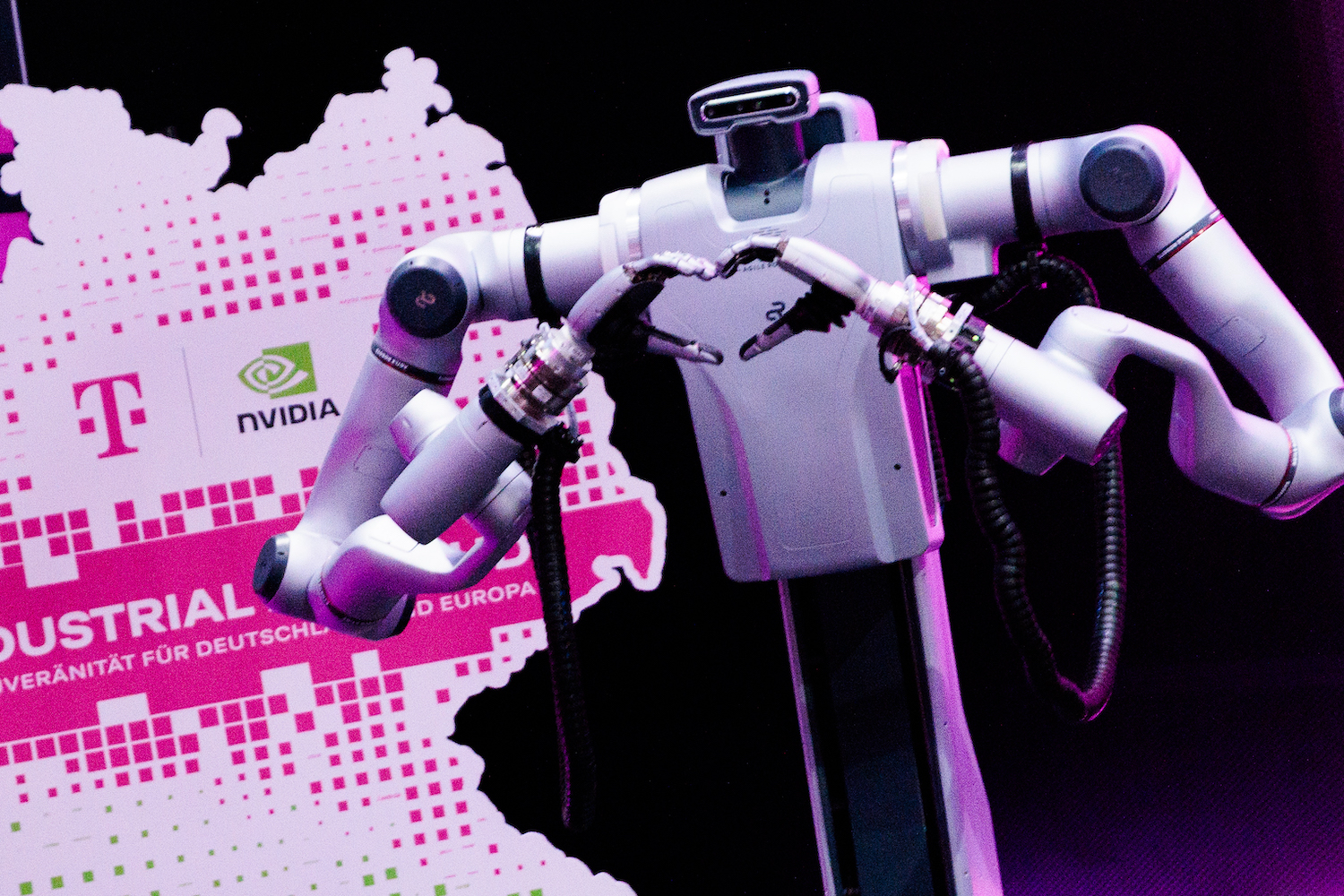
Photographer Paula Hornickel captured a moment between an elderly care home resident named Waltraud and a social robot named Emma in Albershausen, Germany. The robot, designed for companionship in settings with staff shortages, engages residents in conversation, tells jokes, and discusses topics like favorite flowers, simulating social interaction.

Literature Today: The Crisis of the Novel as a Symptom of Social Change

La letteratura oggi: la crisi del romanzo come sintomo di un cambiamento sociale

The article examines the perceived crisis of the novel as a literary form, tracing its historical rise alongside the bourgeoisie in the 17th and 18th centuries. It argues the novel functioned as a mirror for a coherent social class with shared values, serving as a device for collective representation. The form's foundational premise of a recognizable community began to fracture in the 20th century, particularly after World War II, as societies atomized and grand ideological narratives collapsed.

Rika Nakajima: A New Book of the Dead, Part 3

連載 中島りか 新しい死者の書 第三回

Japanese artist Rika Nakajima reflects on the trial of Tetsuya Yamagami, who assassinated former Prime Minister Shinzo Abe in 2022, weaving together her own experience running the project space "Datsuisho – (a) place to be naked" in Tokyo's Yanaka district. As the space faced demolition in late 2025, Nakajima draws parallels between the trial's timing and the closure of her venue, recalling earlier events at the space that discussed the state funeral controversy and the cult issues exposed by the assassination. She describes attending the trial in Nara, observing Yamagami's demeanor, and connecting the case to broader themes of political aesthetics, fascism, and the theatricality of the judicial system.

ART CRITICISM: CLARITY OR MORAL AUTHORITARIANISM?

CRÍTICA DE ARTE: ¿CLARIDAD O AUTORITARISMO MORAL?

The article is a critical essay examining the state of contemporary art production in Mexico, arguing it has become a privatized field designed to please wealthy elites and foreign collectors. It contends that art has shifted from being partly publicly funded to being driven by the market and private initiative, leading to a culture of self-censorship, precarity, and a desperate ambition for visibility and sales.

13 Nudes That Changed Western Art History

The article presents a curated list of 13 seminal Western artworks featuring the nude form, highlighting how each piece shifted artistic conventions and cultural perceptions. It begins with the Paleolithic Venus of Willendorf and moves chronologically through works by artists including Sandro Botticelli, Leonardo da Vinci, Lavinia Fontana, and Édouard Manet, analyzing their groundbreaking approaches to depicting the human body.

Why AI Doesn't Steal Our Imagination – with Jenifer Becker

Warum KI uns nicht die Fantasie raubt – mit Jenifer Becker

Author and cultural scholar Jenifer Becker discusses the impact of artificial intelligence on creativity in the Monopol podcast "Fantasiemuskel." She argues that while AI-generated text is often generic, it can liberate us from the romantic myth of the solitary genius by demonstrating that most ideas already exist. Becker leads the "AI Lab Kit" at the Hildesheim Literature Institute, using experimental projects to push language models beyond their algorithmic comfort zones.

There Has Never Been an Apolitical Venice Biennale

The Venice Biennale, with its national pavilion structure, has always been a platform for political expression and soft power, a reality evident from its early 20th-century origins. Contemporary critic Arturo Lancellotti's 1909 review of the German and British pavilions was steeped in geopolitical context, revealing how national artistic displays were interpreted through the lens of imperial power and military alliances.

Art and Social Consciousness: The Ideals of Legendary Artist Joseph Beuys Told in a Comic

Arte e coscienza sociale: gli ideali del leggendario artista Joseph Beuys raccontati in un fumetto

A new graphic novel by Italian illustrator Gianluca Costantini explores the life and social ideals of the legendary German artist Joseph Beuys. The comic focuses on Beuys's final major work, 'Palazzo Regale' (1985), an environmental installation housed at the K20 museum in Düsseldorf, interpreting it as a synthesis of his belief in art as a transformative social force.

Design Theft in Platform Capitalism

Designklau im Plattformkapitalismus

The article details a growing trend of design plagiarism within the platform economy, where large interior trade platforms and fast-design companies systematically copy the original work of small, independent design studios. These copies are then mass-produced and sold globally at lower prices, often marketed directly through social media channels. The original designers find it nearly impossible to defend their intellectual property due to the high cost and complexity of legal action, especially against international entities.

A teaspoon at a time: how LACMA built its collection

The Los Angeles County Museum of Art (LACMA) has grown from a fledgling institution into a world-class museum through a deliberate, long-term strategy of cultivating collectors, building strong local relationships, and leveraging its exhibition program to acquire major works. This approach, described as "a teaspoon at a time," involved patient donor cultivation and using international loan shows as opportunities to secure significant pieces for the permanent collection.

How Digital Animation Can Help Audiences Understand Installation Art Before They Experience It in Person

The article examines the inherent limitations of traditional photography in documenting installation art, arguing that static images fail to convey the experiential qualities of scale, sequence, and audience interaction central to the medium. It uses Olafur Eliasson's iconic 'The Weather Project' as a prime example of a work whose atmospheric and social dimensions are lost in photographic reproduction.

Interview with Dries Van Noten who opens his foundation on art & craftsmanship in Venice

Intervista a Dries Van Noten che apre la sua fondazione su arte&artigianato a Venezia

Fashion designer Dries Van Noten is launching a new foundation dedicated to craftsmanship and art in Venice. The Dries Van Noten Foundation, opening on April 25, 2026, will be a hub for the exchange and transmission of knowledge, focusing on skills like glassmaking, textiles, ceramics, and goldsmithing. Its inaugural presentation, 'The Only True Protest is Beauty,' curated with Geert Bruloot, will fill twenty rooms of a Venetian palazzo with over two hundred works spanning fashion, glass, ceramics, design, and photography.

What Remains of Democracy? The Answers of Contemporary Art

Che cosa resta della democrazia? Le risposte dell’arte contemporanea

The article is a cultural essay examining how contemporary art reflects and responds to the perceived global crisis of democracy. It argues that recent socio-political accelerations—including rising nationalism, wars, and unchecked capitalism—have eroded the substantive content of democracy, reducing public space to an extension of individual, screen-mediated identity.

Grimes joining LinkedIn is artwashing at its most brazen. I should know – I released my new film on there

Artist Alan Warburton critiques the migration of creative professionals to LinkedIn, sparked by musician Grimes' recent pivot to the platform to promote her appearance at an Nvidia tech conference. Warburton, who recently released his AI-focused film 'Image Empire' on the site, describes the move as a desperate response to the 'enshittification' of traditional creative platforms like Twitter and Vimeo, which have been overrun by bots and AI-generated content.

Is Art Dying Along With Work?

Stirbt die Kunst mit der Arbeit?

The rapid advancement of artificial intelligence raises a fundamental paradox for the future of creativity: while automation could theoretically free humans from labor to pursue artistic endeavors, it simultaneously threatens the economic foundations of the art world. If AI-driven job displacement leads to a widespread loss of disposable income, the commercial market that sustains professional artists could effectively collapse.

Do you hate art museums? Why (and how) to take a 2nd look

Do you hate art museums? Why (and how) to take a 2nd look

The traditional art museum experience often leads to exhaustion and a sense of alienation due to the overwhelming abundance of artworks and the pressure to see everything quickly. This phenomenon, which affects even visitors to world-class institutions like the Vatican or the Uffizi, stems from a 'problem of abundance' rather than a lack of appreciation for the art itself. The author suggests that smaller, more intimate spaces and a slower approach to viewing would make art more accessible and less intimidating for the general public.

Alain Passard’s Art Recipe: An Island of Tastes Wrapped in the Style of Christo and Jeanne-Claude

La recette d’art d’Alain Passard : un îlot de goûts emballé façon Christo et Jeanne-Claude

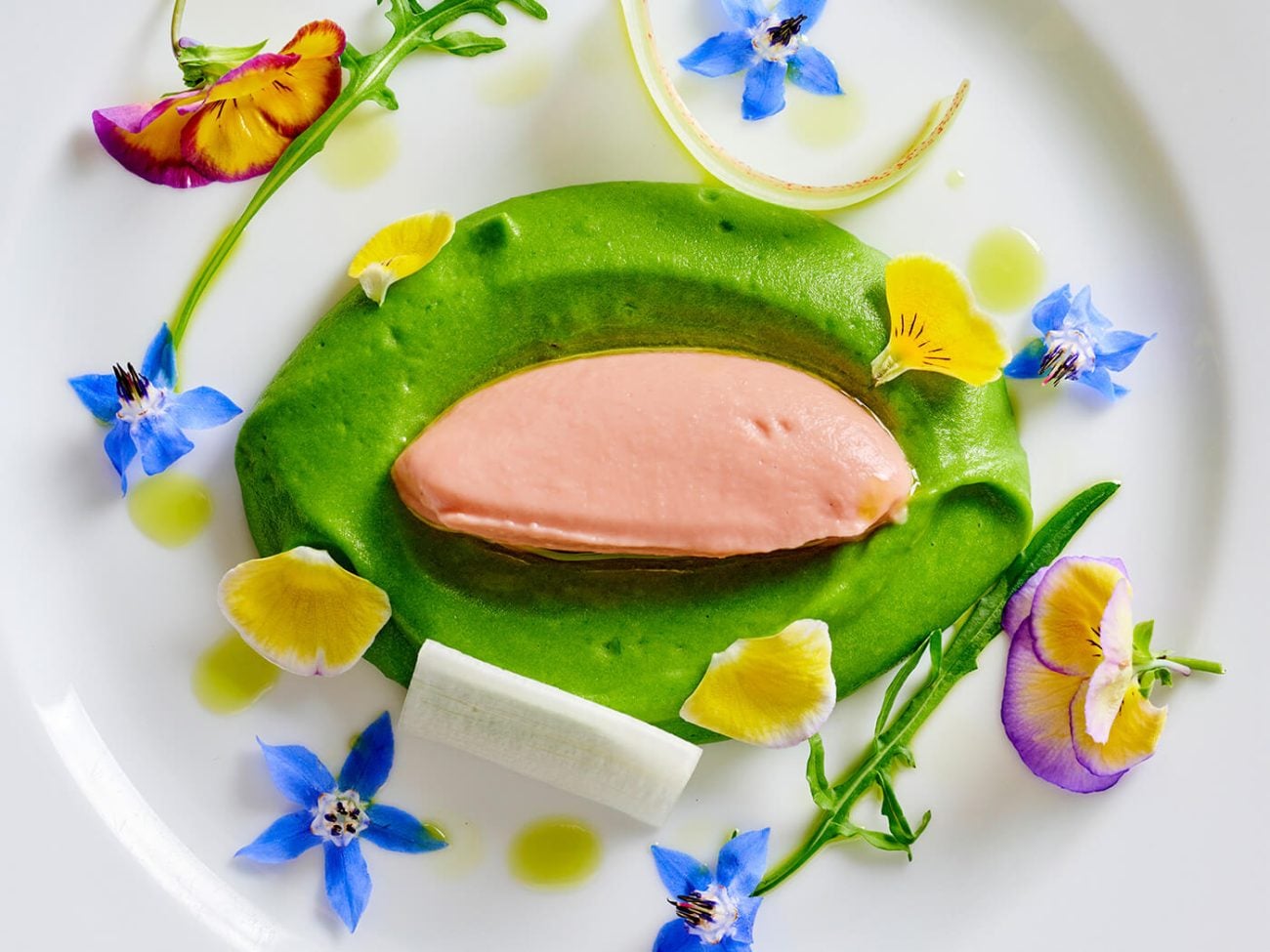
Michelin-starred chef Alain Passard pays tribute to the monumental environmental installations of Christo and Jeanne-Claude through a culinary creation. The article highlights the duo's 1983 project 'Surrounded Islands,' where they encircled eleven islands in Miami's Biscayne Bay with 600,000 square meters of floating pink polypropylene fabric, a work that exemplified their commitment to self-funded, accessible, and ephemeral public art.

Shopping Experience: How Has the Way of Experiencing Luxury Changed?

Shopping experience: com’è cambiato il modo di vivere il lusso?

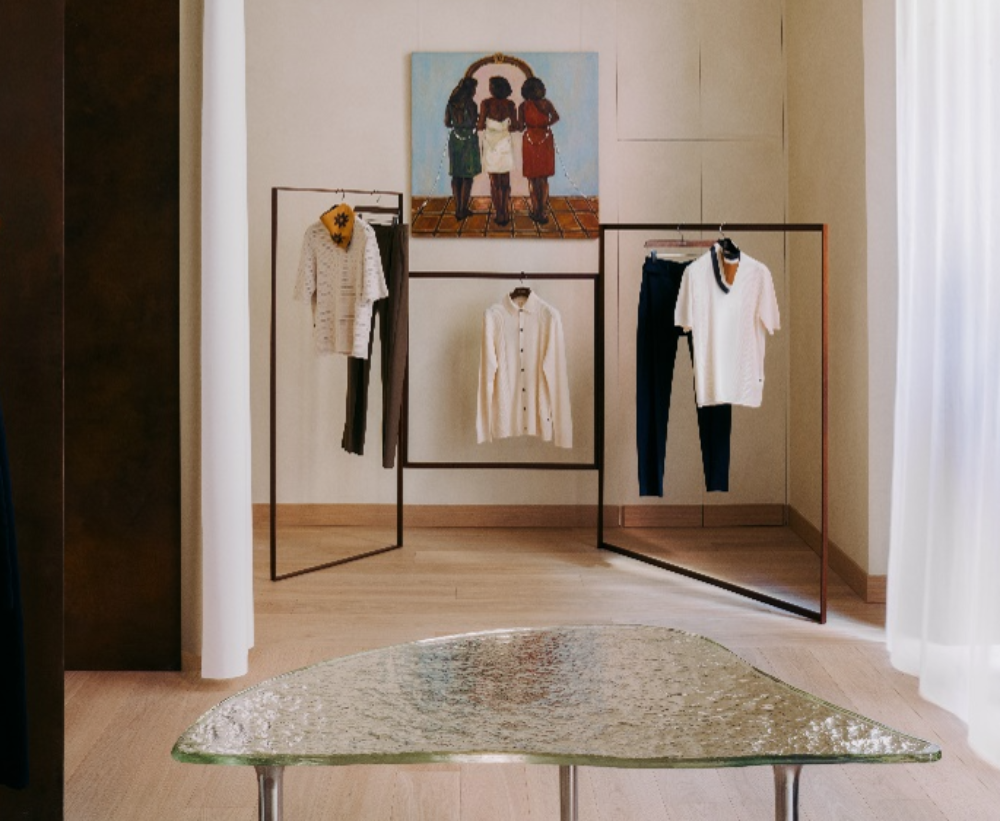
Luxury retail in Milan is undergoing a significant transformation, evolving from simple commercial spaces into 'cultural brandscapes' that blend art, design, and hospitality. Major fashion houses are redesigning their flagship stores to function as urban salons and living galleries, integrating site-specific art installations, historical architecture, and high-end gastronomy to foster community and tangible experiences in an increasingly digital world.

That Time Raphael Visited Tivoli, Transforming Antiquity into Art

Quella volta che Raffaello visitò Tivoli trasformando l’antichità in arte

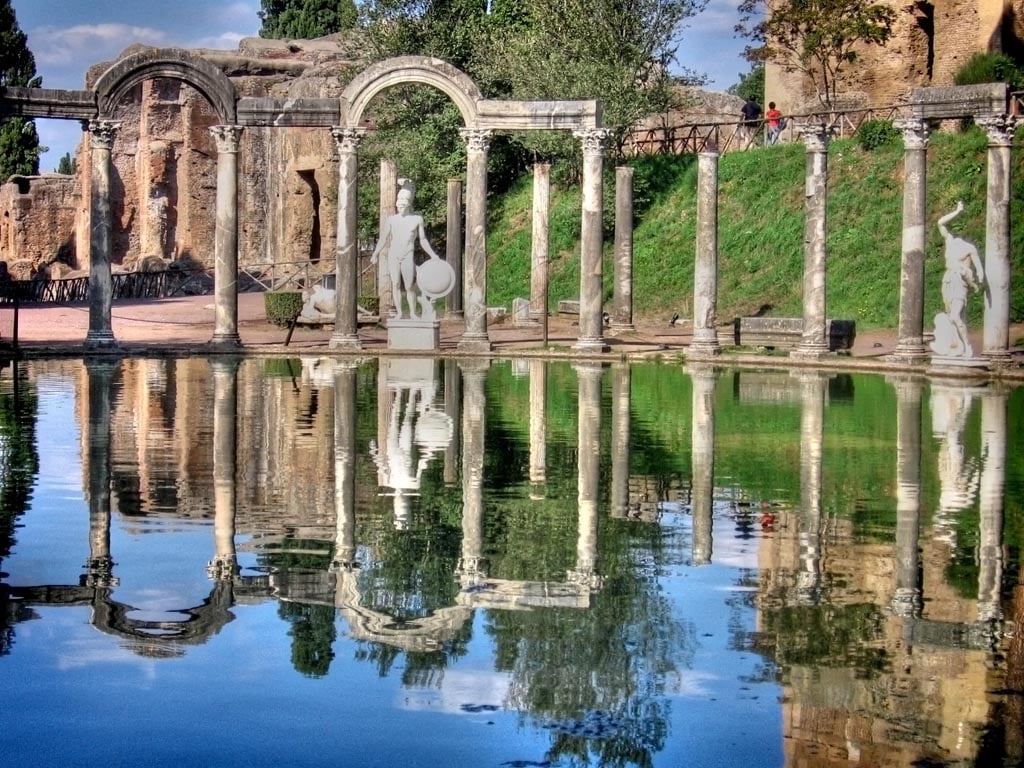
In April 1516, Raphael Sanzio embarked on a historic excursion to Tivoli alongside a prestigious circle of Renaissance intellectuals, including Baldassarre Castiglione and Pietro Bembo. This journey served as a critical field study for Raphael, who had recently been appointed as Rome's prefect of antiquities. By examining the complex ruins of Hadrian's Villa and the Sanctuary of the Sibyl, the group engaged in a sophisticated blend of archaeological investigation and humanist leisure that defined the cultural climate under Pope Leo X.