
filter_list Showing 4 results for "Bouquet" close Clear
search
dashboard All 58 trending_up market 27museum exhibitions 18article local 5article culture 4article news 4
date_range Range Today This Week This Month All
Subscribe

modern contemporary art

The article explores the distinction between Modern and contemporary art, explaining that Modern art emerged in the late 19th century as a reaction to classical art and the Industrial Revolution, with movements like Impressionism, Cubism, Futurism, and Surrealism redefining painting in response to photography. Contemporary art, by contrast, is a reaction to Modern art, with its start debated between World War II and the 1960s-70s consumerist era, encompassing diverse mediums such as sculpture, street art, and performance art, exemplified by artists like Jeff Koons, Banksy, and Yoko Ono.
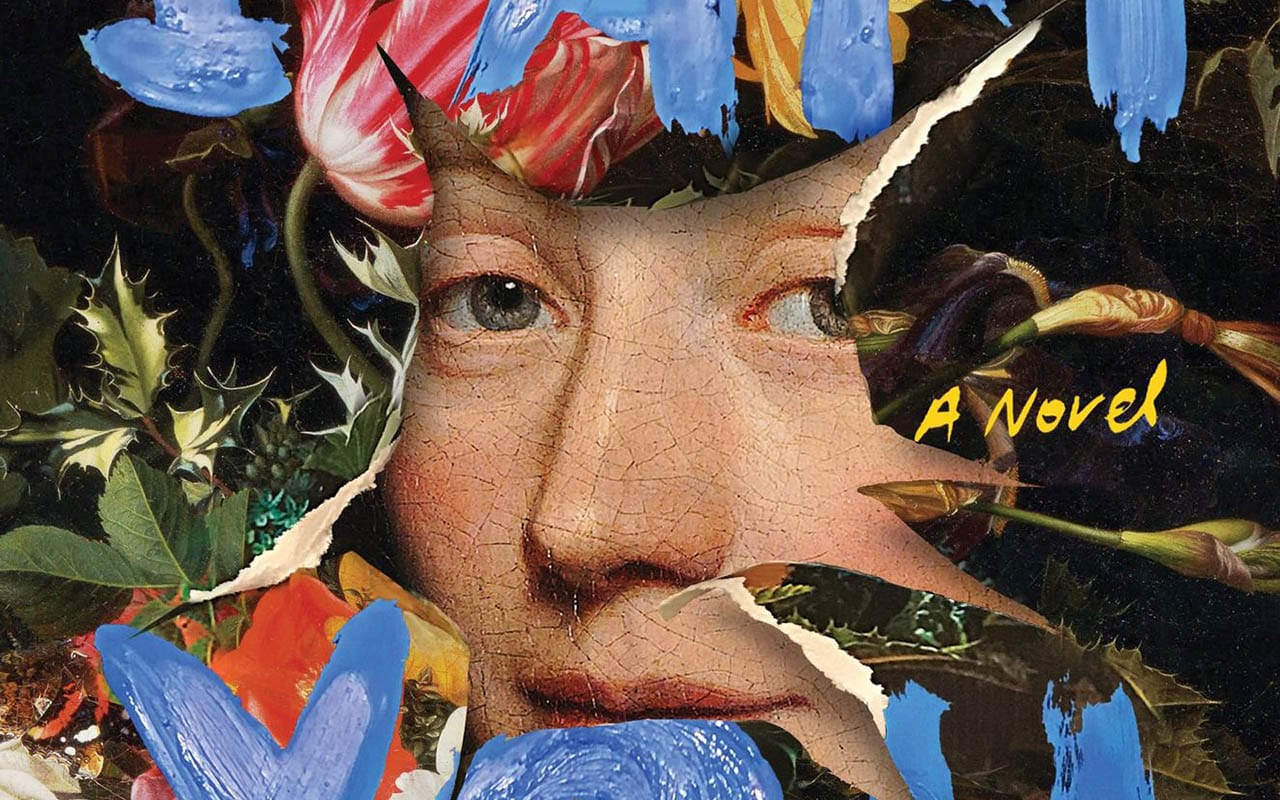
The Painted Book Cover Is Back

The article reports on a growing trend in book cover design: the use of painted, figurative artwork instead of stock photos or digital renderings. Publishers are increasingly licensing paintings by artists from Hilma af Klint to Shannon Cartier Lucy, seeing them as a way to signal cultural authority and intellectual rigor. The trend is discussed through examples like Victoria Redel's *I Am You* (2025) and Kyung-Ran Jo's *Blowfish* (2025), with insights from LiteraryHub Managing Editor Emily Temple and Astra House publisher Benjamin Schrank.

Flowery Films Whose Plant Life Lingers in the Mind

Ten prominent artists and designers have curated a selection of cinematic flora that has significantly influenced their creative practices. From the surreal, hand-shaped topiaries in *Edward Scissorhands* to the symbolic, scene-setting bouquets in *The Age of Innocence*, these creators analyze how botanical elements on screen transcend mere decoration to become vital narrative and aesthetic tools.

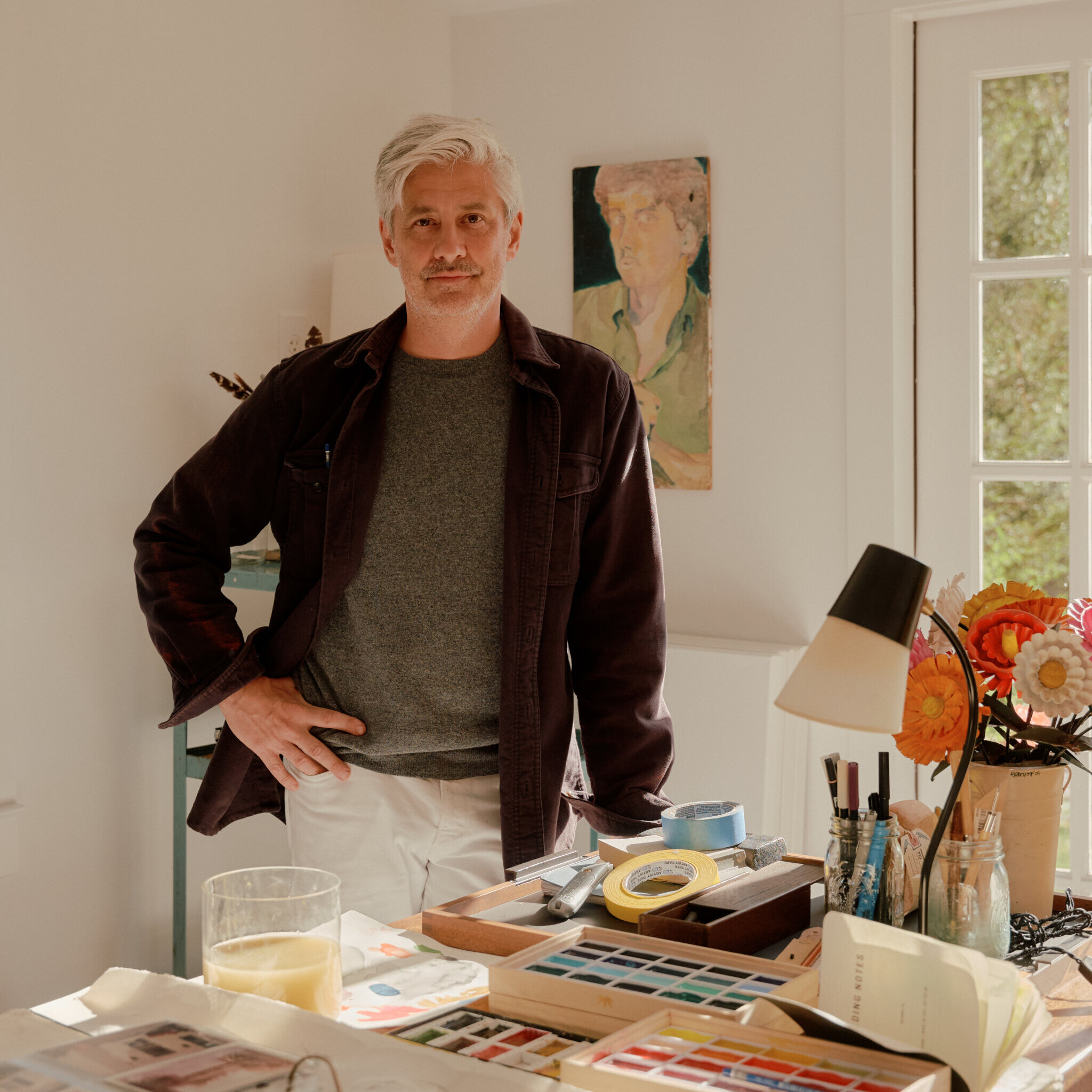
john gachot shelter island studio

John Gachot, a Manhattan-based designer, has transformed a shed on his Shelter Island property into a studio where he can finally pursue drawing and painting after decades of relegating his practice to notebooks and bar napkins. The space also houses sculptures by his late father, Richard Gachot, an artist who worked out of an ice house on the family's Long Island estate and created animated, politically charged works. The article, structured as an interview, explores how the shed became a creative sanctuary for John and a continuation of his father's artistic legacy.