filter_list Showing 7 results for "Cassatt" close Clear
search
dashboard All 59 museum exhibitions 34trending_up market 7article culture 7article news 4article local 2person people 2rate_review review 2gavel restitution 1
date_range Range Today This Week This Month All
Subscribe

30 Iconic Feminist Works By Women Artists

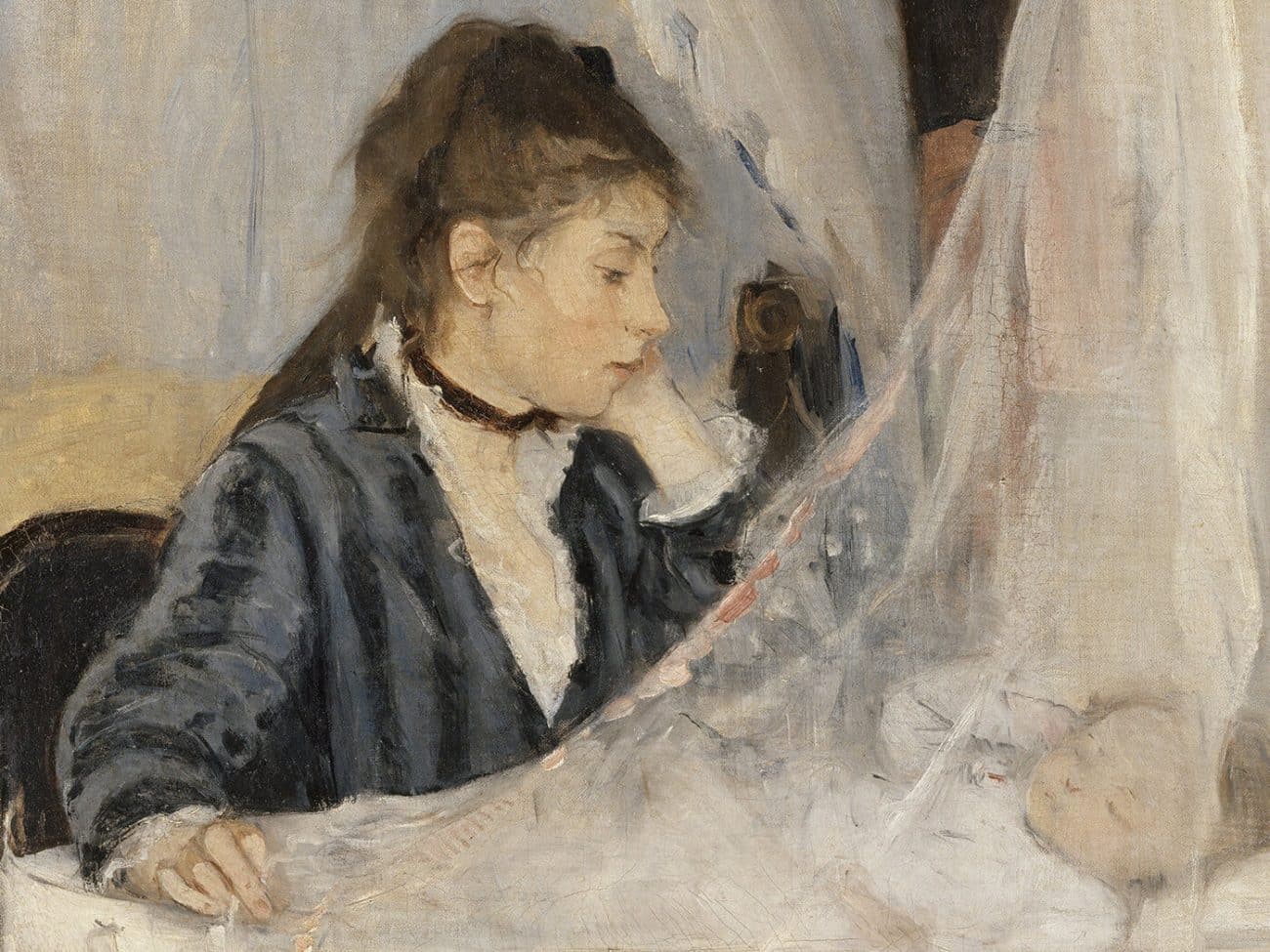
ARTnews has expanded its list of iconic feminist works by women artists, adding 15 new entries to a previous selection. The article highlights specific pieces, such as Edmonia Lewis's *The Death of Cleopatra* (1876), Mary Cassatt's *The Reader* (1877), and Alice Pike Barney's *Medusa* (1892) and *Lucifer* (1902), providing historical context for each artist and their contribution to feminist discourse through art.

Monet and Van Gogh Masterpieces Hit the Shampoo Aisle

Beauty brand Dove has launched a limited-edition haircare collection called "The Art of Repair" featuring iconic artworks by Claude Monet, Mary Cassatt, and Vincent van Gogh on its product packaging. The shampoo, conditioner, and serum bottles display images of Monet's *The Japanese Footbridge*, Cassatt's *The Loge*, and Van Gogh's *Roses*, drawing a parallel between art conservation and hair repair. The collection is exclusively available at Walmart.

degas the artist the network tv

A new TV series titled "The Artist" on The Network offers a chaotic, irreverent take on art history, centering on a widow (Janet McTeer) who may have murdered her robber-baron husband. The show features historical figures like Edgar Degas and Thomas Edison, blending campy soap-opera drama with accurate art-historical references, including real artworks by Monet, Manet, Cassatt, and Degas. The final episodes air December 25 on a free ad-sponsored platform created by director Aram Rappaport.

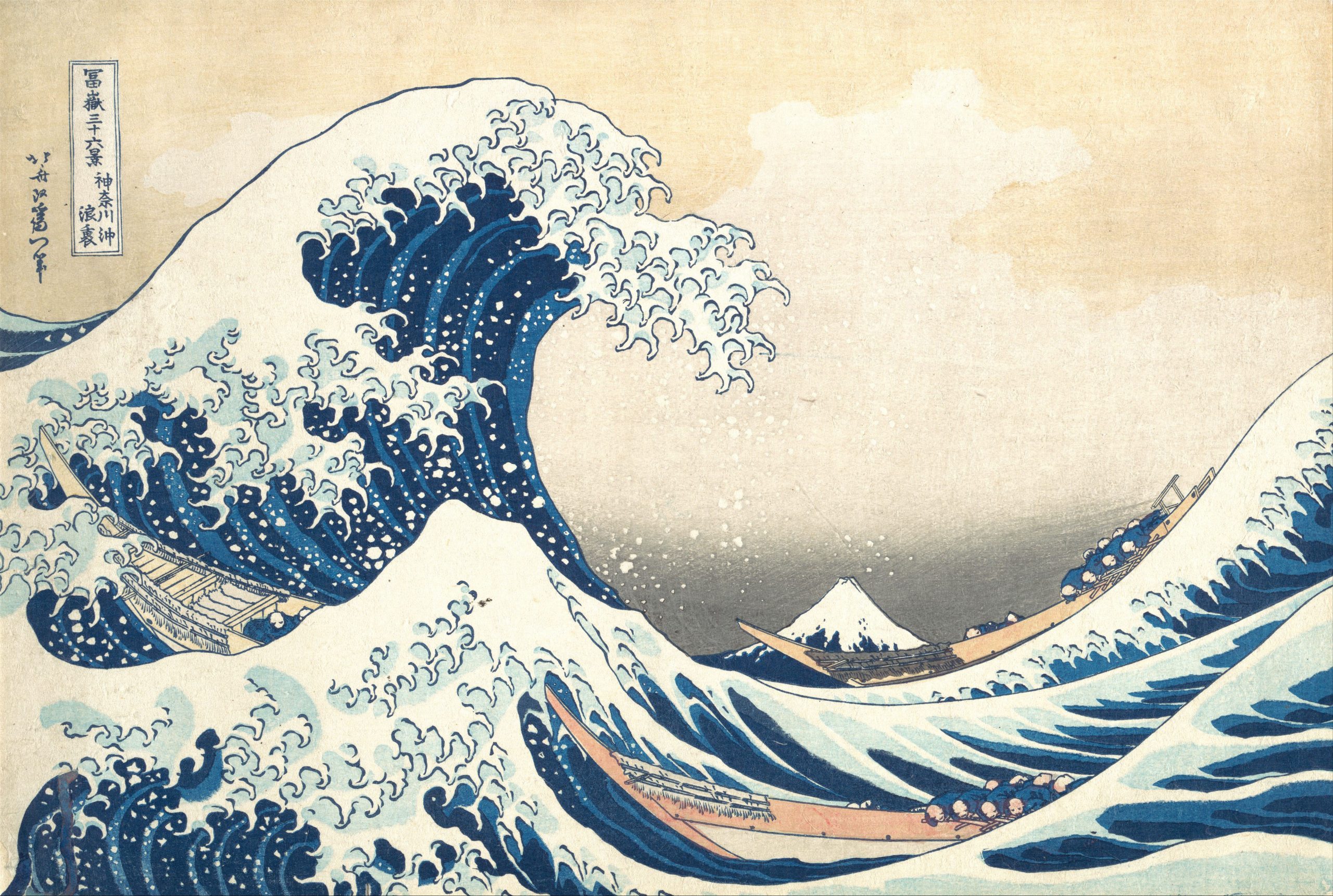
three things hokusai great wave

Katsushika Hokusai's iconic woodblock print "The Great Wave" (officially *Under the Wave off Kanagawa*) is examined through three lesser-known facts. The article notes that the print, created between 1830 and 1832, is surprisingly small—less than 15 inches wide—and that its vivid blue pigment, Prussian blue, was a recent European import that revolutionized Japanese ukiyo-e prints. It also highlights Hokusai's practice of adopting over 30 different names throughout his career, which now helps scholars periodize his work.

10 chefs-d’œuvre de l’impressionnisme décryptés par Beaux Arts

Beaux Arts Magazine presents a detailed dossier analyzing ten iconic masterpieces of Impressionism, including works by Edgar Degas, Édouard Manet, Berthe Morisot, Auguste Renoir, Gustave Caillebotte, Claude Monet, and Mary Cassatt. The article explores the technical innovations, modern subjects, and revolutionary spirit of the movement, which began in 1874 and was initially rejected by critics. Each featured painting—such as *Le Déjeuner sur l’herbe*, *Impression, soleil levant*, and *Le Bal du moulin de la Galette*—is examined by art historians and journalists to reveal its composition, historical context, and lasting impact.

eureka max ernst grattage technique

The article explores how German Surrealist Max Ernst developed the techniques of frottage and grattage in the mid-1920s. Frottage—rubbing paper over textured surfaces like floorboards, leaves, and netting—allowed Ernst to create spontaneous, unconscious imagery, culminating in his 1926 publication *Natural History*. He later adapted the method to canvas as grattage, scraping layers of paint over textured materials to reveal abstract forms, drawing on influences from Leonardo da Vinci and memories of his childhood in the Rhineland.

"Gesundheitseffekt der Künste auf biologischer Ebene"

A roundup of art news covers multiple stories: Stefan Trinks criticizes Berlin's 'MuseumsMeileMitte' as a symptom of urban and cultural misdevelopment, where museums are co-opted by real estate marketing. At the Venice Biennale, the German Pavilion by Henrike Naumann and Sung Tieu explores East German identity and post-reunification trauma, while Patti Smith performed a 'sonic prayer' at the Vatican Pavilion curated by Hans Ulrich Obrist and Ben Vickers. A study from University College London suggests regular arts engagement may slow biological aging.