filter_list Showing 10 results for "Connect" close Clear
search
dashboard All 183 museum exhibitions 106article local 46article culture 10article news 7person people 5rate_review review 5trending_up market 3article policy 1
date_range Range Today This Week This Month All
Subscribe

The 21st Century’s Biggest Art Trend is Not a Style. But Once You See It, You’ll Notice It Everywhere.

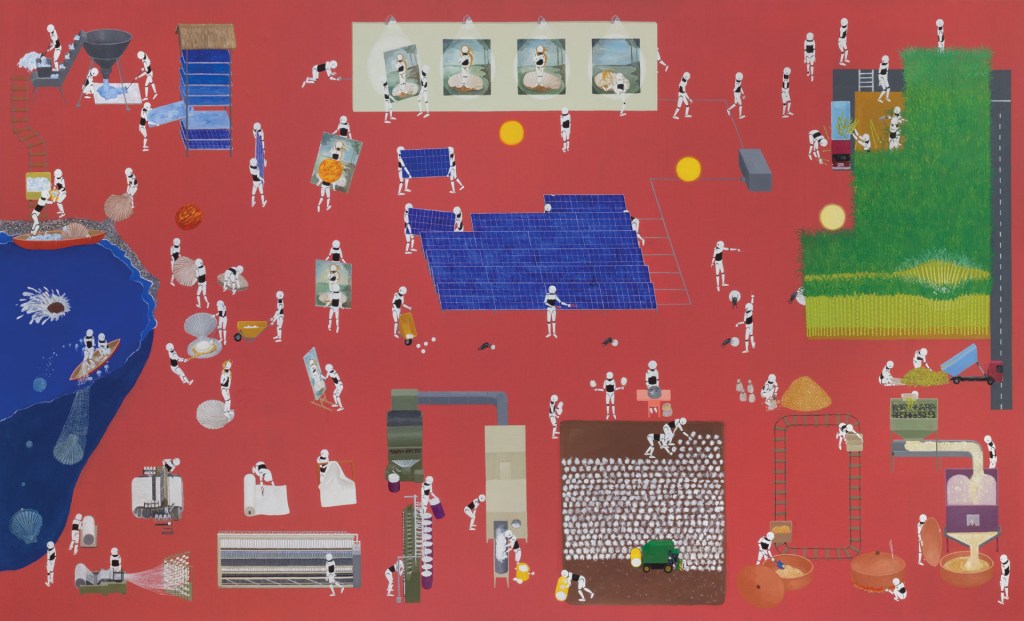
The article traces the evolution of "systems art," a term coined by critic Jack Burnham in 1968 to describe art that uses rules, seriality, and repetition to mirror and reveal the growing protocols of the Cold War era. It highlights early practitioners like Kenneth Noland, Robert Morris, Dan Flavin, and notably Hans Haacke and Adrian Piper, who shifted from atmospheric systems (e.g., Haacke's *Condensation Cube*) to social systems (e.g., Haacke's *Shapolsky et al. Manhattan Real Estate Holdings*). The piece argues that systems thinking has become unavoidable in contemporary life—from algorithms to systemic racism—and that art remains a crucial tool for making these invisible systems legible.
The Divine Powers of “Chicken Linda”

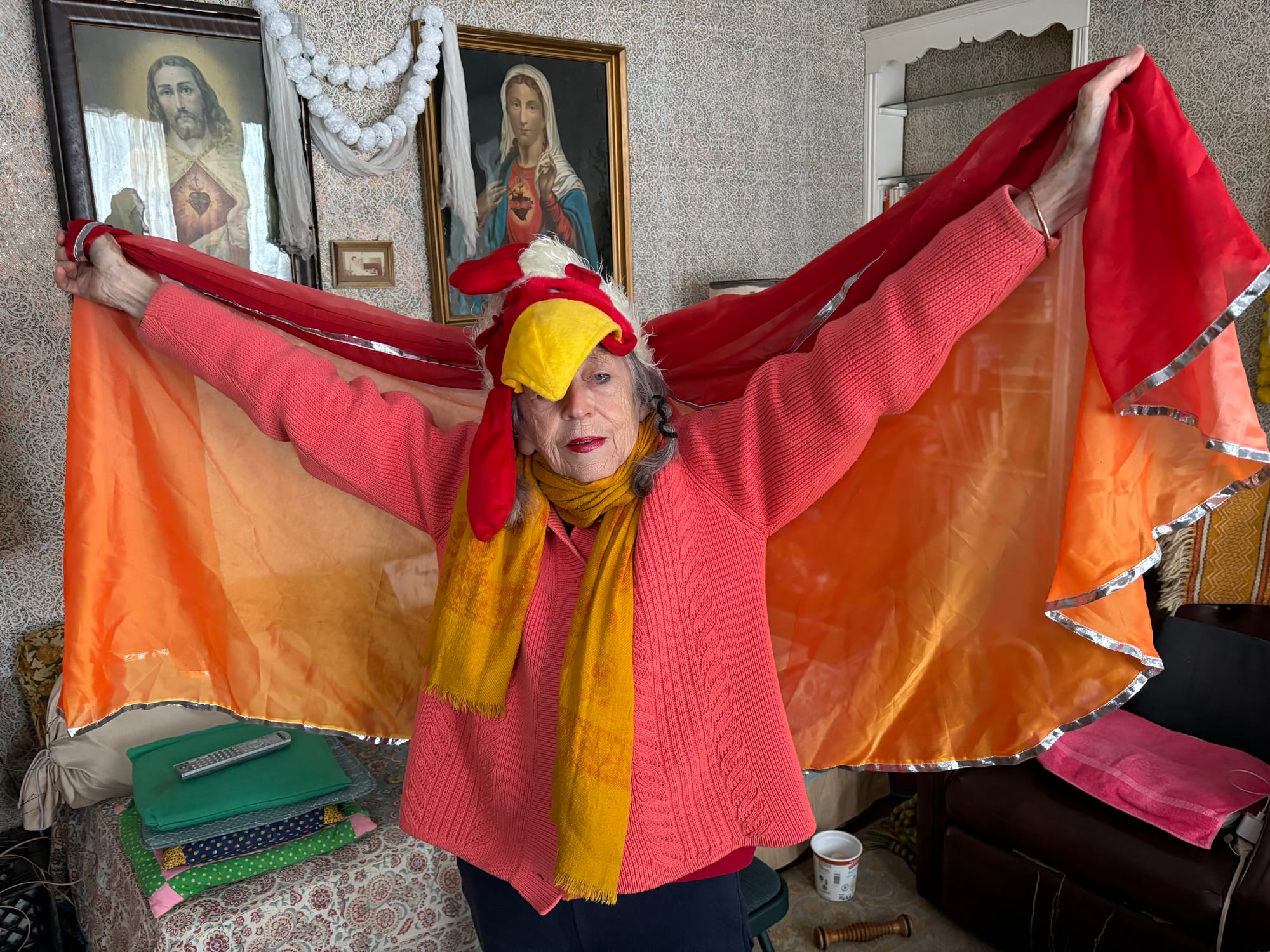
Performance artist Linda Mary Montano, now in her 80s, invited writer Taliesin Thomas into her home in Saugerties, New York, which functions as a living shrine filled with altars, experimental sculptures, and religious iconography. Montano, who calls herself “Chicken Linda” to connect with the Holy Spirit, discussed her six-decade career as an endurance performance artist, her Catholic faith, her studies with guru Shri Bhramananda Saraswati, and her influential early years in San Francisco during the First Wave feminist art movement. She also recounted personal tragedies, including the murder of her former husband Mitchell Payne, which led to her video work “Mitchell’s Death,” now in the collections of MoMA and the Museum of Conceptual Art, Los Angeles.

Required Reading

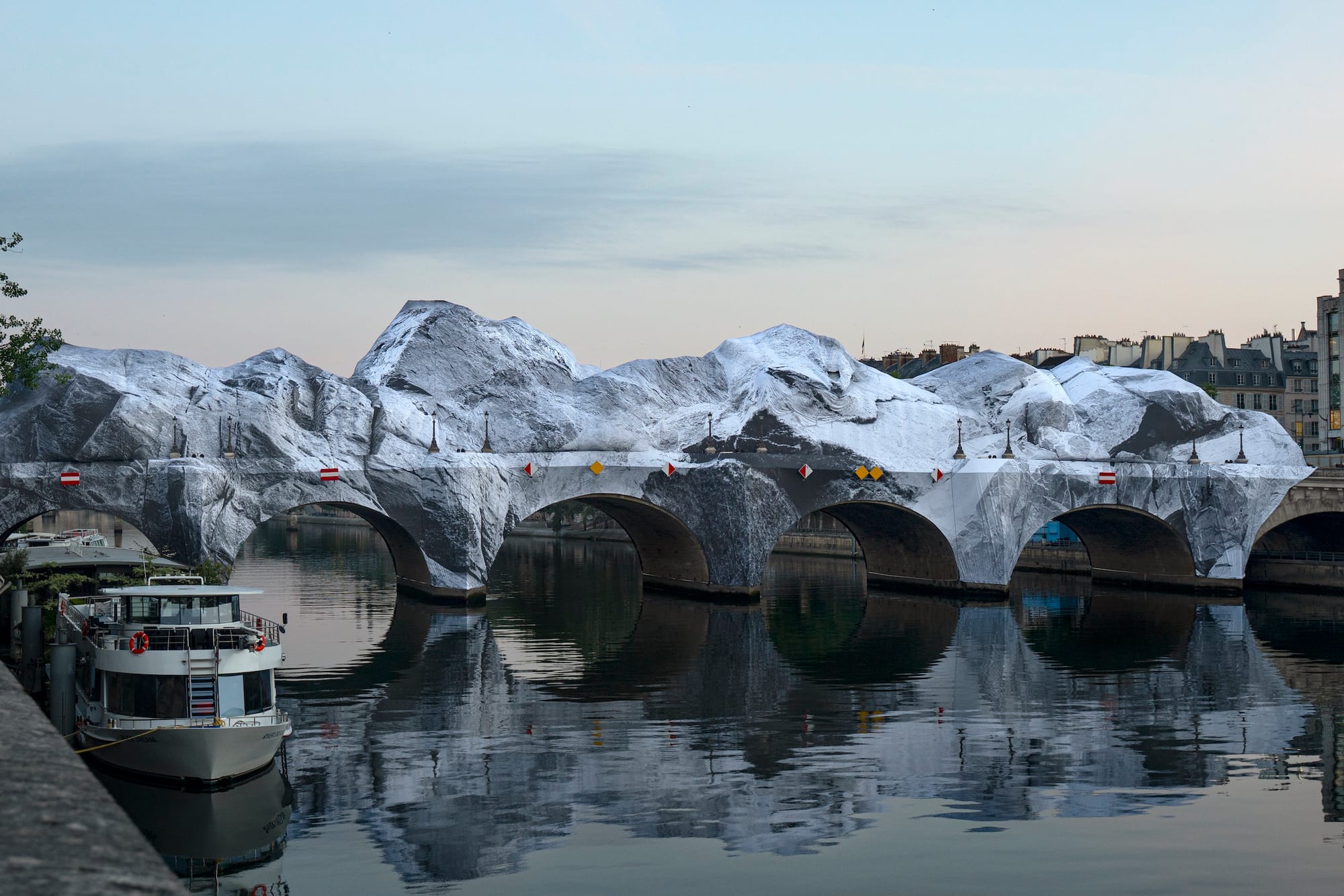
This week's Required Reading roundup from Hyperallergic covers a diverse range of art-world stories. French photographer JR has unveiled "La Caverne du Pont Neuf Paris" (2026), an optical illusion installation that transforms the pathway across the Seine into a black-and-white mountain range cave, paying homage to Christo and Jeanne-Claude's 1985 wrapping of the same bridge. Other highlights include architecture scholar Karrie Jacobs investigating a New York waterfront walking initiative for The Nation, curator Tara Contractor writing in Apollo about James McNeill Whistler's use of metallic pigments influenced by Japanese traditions, and Rob Corsini interviewing Amelia Abraham about their new book celebrating photography of queer nightlife for Dazed.

In a Year of Remarkable Filmmaker Debuts, Here’s How Aleshea Harris Set ‘Is God Is’ Apart

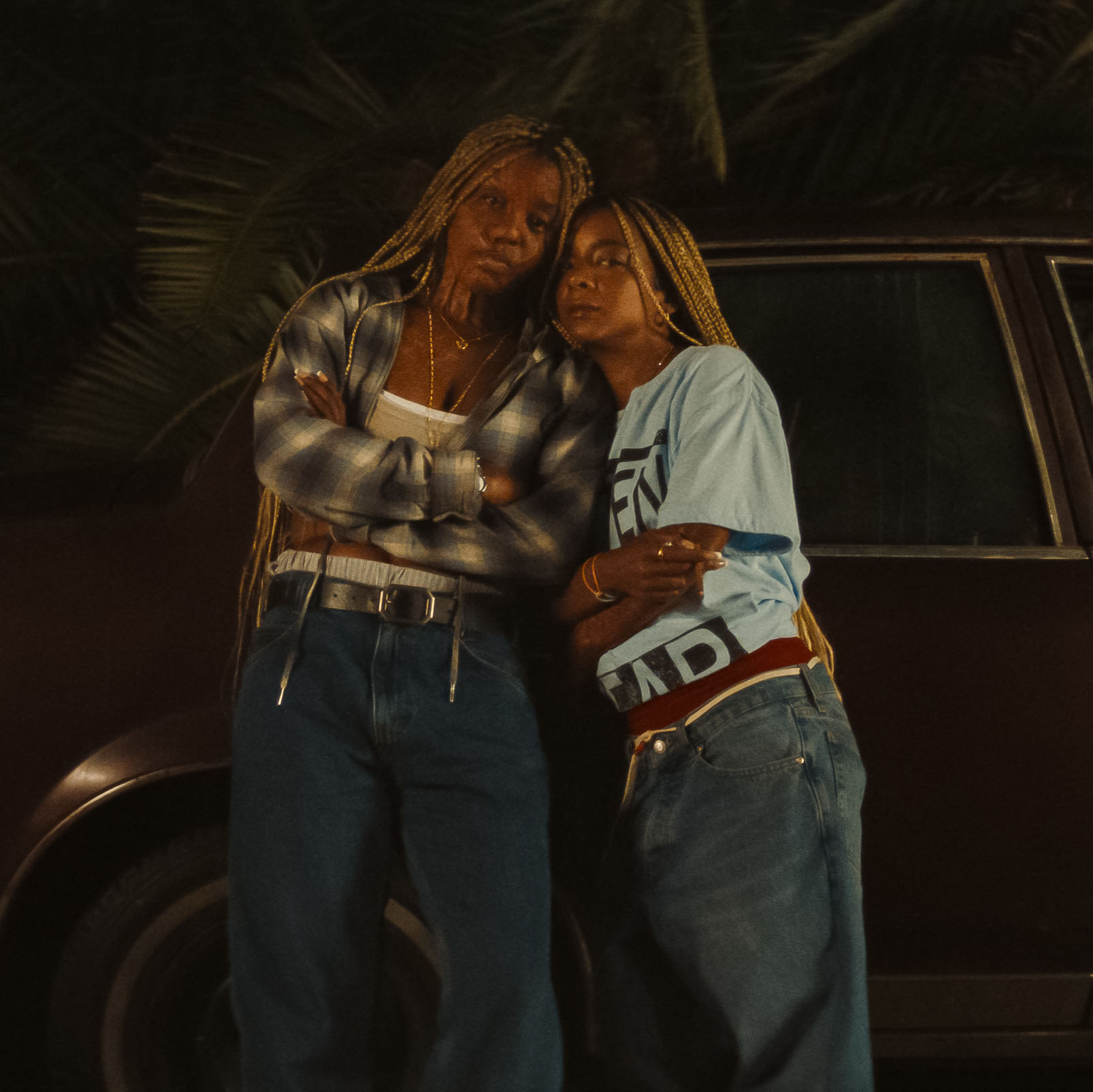
Aleshea Harris has adapted her award-winning 2016 play 'Is God Is' into a feature film, marking her directorial debut. The story follows twin sisters with burn scars who, summoned to their mother's deathbed, learn their father caused their disfigurement and are urged to seek revenge. The film stars Kara Young, Mallori Johnson, Vivica A. Fox, Sterling K. Brown, and Janelle Monáe. Harris brings her playwright's precision to the screen, using avant-garde typography and captions inspired by a 1964 edition of Eugène Ionesco's 'The Bald Soprano' designed by Robert Massin, with title design by Teddy Blanks.

Who the great jazz musician Miles Davis was, 100 years after his birth

Ecco chi era il grande musicista jazz Miles Davis a 100 anni dalla nascita

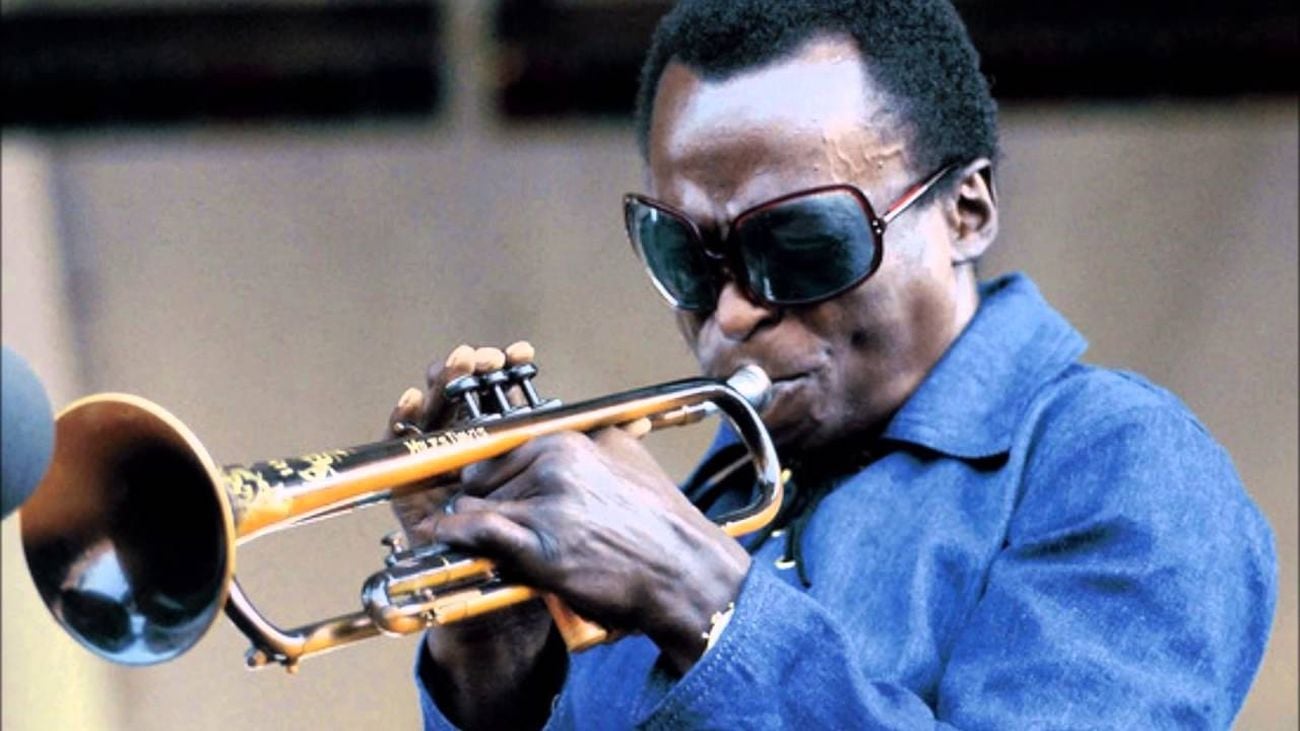
Miles Davis, the legendary jazz trumpeter and composer, is commemorated on the centenary of his birth. The article traces his career from his early days with Charlie Parker's bebop quintet in 1944, through his pioneering of cool jazz with "Birth of the Cool" (1949) and modal jazz with "Kind of Blue" (1959), to his later fusion experiments with electric instruments and funk-rock on albums like "Bitches Brew" (1970). It also highlights his lesser-known work as a painter, creating abstract, expressionist works influenced by Kandinsky, Basquiat, and Picasso, which were only exhibited after his death.

The Forgotten of Art: The Story of Artist Valeria Alberti

I dimenticati dell’arte. La storia dell’artista Valeria Alberti

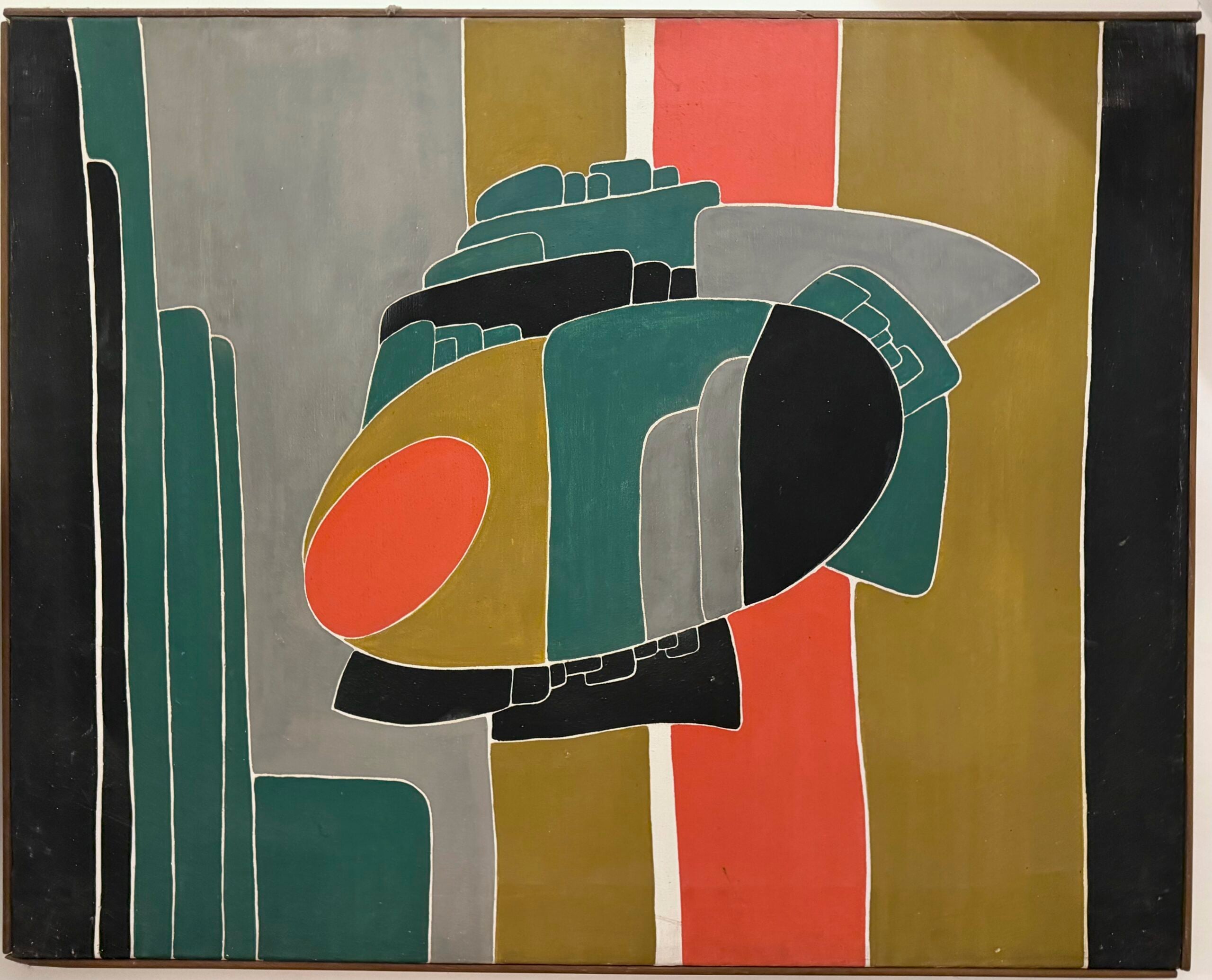
Valeria Alberti (1930-2011), a courageous, rebellious, and nonconformist Italian artist, had a brief but intense career before disappearing from the art world. Recent research by scholar Manuel Barrese reconstructs her trajectory as the only woman in a circle of artists and intellectuals around poet Emilio Villa and the Galleria Appia Antica. Alberti debuted in 1957 alongside Alberto Sartoris, collaborated with ceramist Mario Molli, and created painted panels for the transatlantic liners Leonardo Da Vinci and Michelangelo. She exhibited at Galleria Ferro di Cavallo and Galleria Azimuth, and received Piero Manzoni's Certificate of Authenticity No. 26 in 1961. Her later work included geometric metal sculptures, but she ultimately vanished from the art scene.

Why the art market should finally be on LinkedIn

Warum der Kunstmarkt endlich auf LinkedIn sollte

The article argues that the art market's heavy reliance on Instagram for communication and sales is misguided, suggesting that LinkedIn offers far greater potential for business-to-business transactions and professional networking. It critiques the art world's preference for Instagram's visual focus, noting that LinkedIn's professional environment and targeting capabilities are better suited for discreet, high-value art sales.

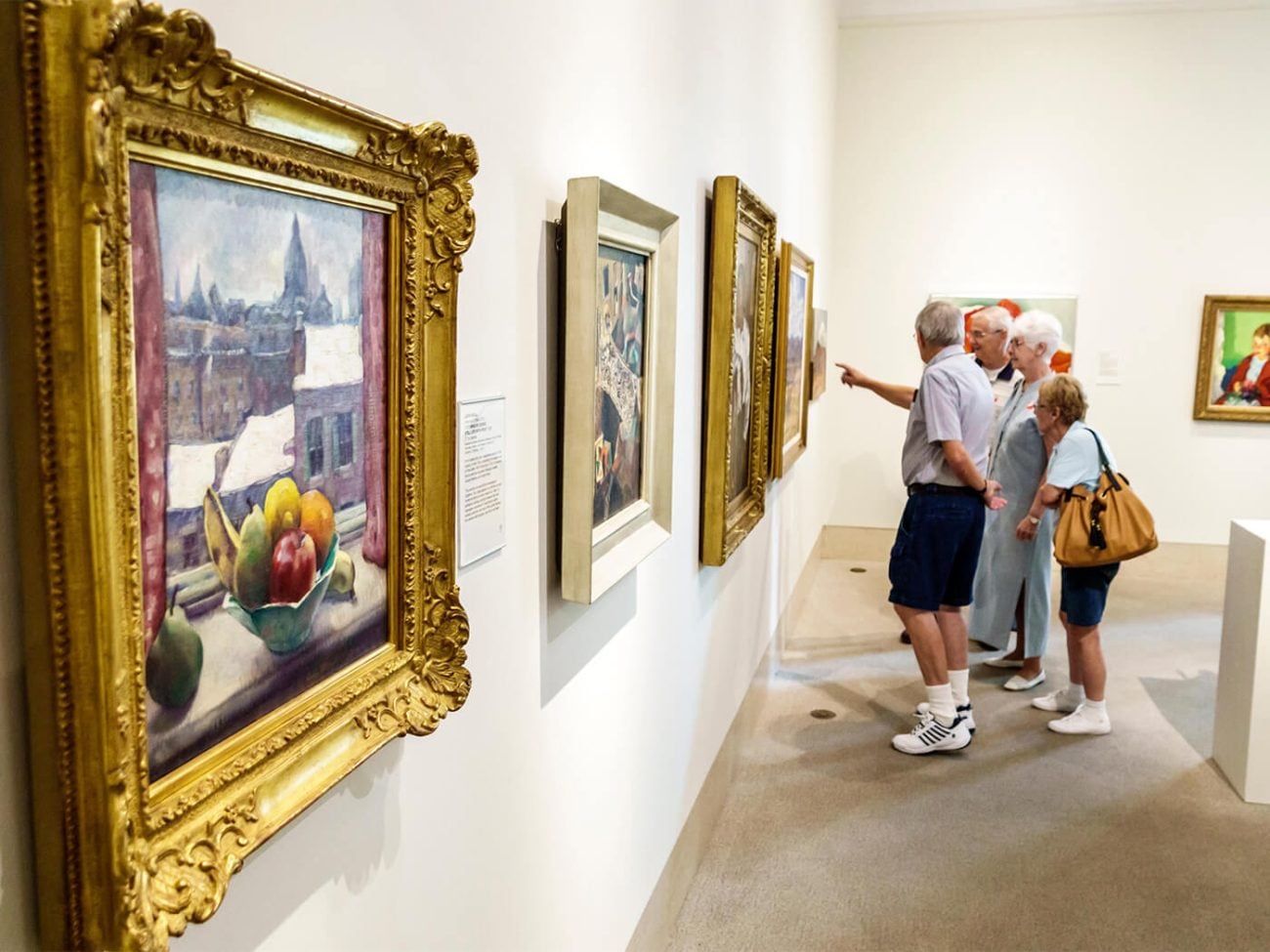
Aging more slowly thanks to museums? Science confirms it

Vieillir moins vite grâce aux musées ? La science le confirme

A study published on May 11 in Innovation in Aging by University College London analyzed data from 3,556 adults in the UK, measuring their cultural engagement against biological age using epigenetic clocks. Researchers found that those who visit museums, exhibitions, concerts, or libraries at least once a week age approximately 4% more slowly than those who rarely participate. Even three cultural outings per year correlate with a 2% slowdown in biological aging, with monthly visits yielding a 3% effect—comparable to the benefits of physical exercise.

From war zones to the White House: Christopher Anderson’s photography

Christopher Anderson, a photographer known for his work in war zones, has shifted his focus to capturing intimate and emotional moments, including assignments at the White House. His approach emphasizes connecting viewers with feelings that transcend factual data, reflecting a broader evolution in his photographic practice.

Where Art Meets Memory: The Gallery Kalo Journey

Gallery Kalo founder Përparim Kalo discusses the origins and philosophy of his Tirana-based gallery in a Q&A. Founded in 2014, the gallery began as a personal collection shared with the public and has since grown into a cultural meeting point that promotes artistic authenticity, inclusivity, and community engagement. Its vision has expanded beyond Tirana to villages along the Vjosa and Drino rivers, connecting art with landscape and local heritage.