filter_list Showing 16 results for "Divide" close Clear
search
dashboard All 174 museum exhibitions 94article culture 16trending_up market 15article news 15article local 12article policy 9person people 6rate_review review 4candle obituary 2gavel restitution 1
date_range Range Today This Week This Month All
Subscribe

art trends 2026

Art critic Ben Davis reflects on the cultural landscape of early 2026, identifying a chaotic aesthetic defined by AI-generated imagery, esoteric Nazi dog whistles, internet trolling, and gaudy luxury, which he calls the "Chaotic Style." He also discusses the muted response to the 2025 Fall of Freedom initiative, the ongoing credibility crisis of liberal institutions over Gaza, and the need for serious AI criticism that moves beyond dismissing it as "slop."

art always too late after avant garde

This article argues that the traditional view of art as a vanguard force predicting cultural change is outdated in the early 21st century. It contends that the rapid acceleration of mainstream culture, driven by social media and news cycles, makes it nearly impossible for traditional fine art media like painting and sculpture to stay ahead of the curve. The author suggests that forward-looking art now emerges from para-artistic digital practices such as AI experiments, Red Chip art, NFTs, memes, and TikTok lore, which often challenge conventional aesthetic and ethical standards. Citing Claire Bishop's 2024 book *Disordered Attention*, the piece notes that contemporary artworks tend to be symptomatic of larger conditions rather than anticipatory, and that artists like Artie Vierkant, Joshua Citarella, and Brad Troemel have pivoted from art-making to art-adjacent content creation.

We are in danger of losing our sense of community

"Wir drohen das Gespür für die Gemeinschaft zu verlieren"

Christophe Cherix, the new director of the Museum of Modern Art in New York, discusses his first months in the role, emphasizing museums as "safe social places" in an era of anxiety and screen-induced isolation. He advocates for collective vision-building with staff and defends the MoMA's independence against political pressure in Trump-era America. Separately, critic Paco Barragán argues in The Observer that biennials are in a structural crisis of repetition, tracing their history from instruments of national soft power to a "Global Neo-Liberal Biennial" system that co-opts diversity without changing its core logic. He introduces the concept of the "vibe-ennial," where discourse is replaced by atmosphere and critique by affect. Meanwhile, longtime Bonn museum director Stephan Berg critiques the boom in immersive art experiences like "Van Gogh – The Immersive Experience," calling them a "surrogate reality" tailored to the Instagram age that destroys the integrity of original works. Artforum reconstructs late-1960s debates on art criticism, focusing on Barbara Rose's challenge to formalists like Clement Greenberg and Rosalind Krauss, arguing that art must engage with societal conflicts such as Black Power and war resistance.

art work sally mann memoir

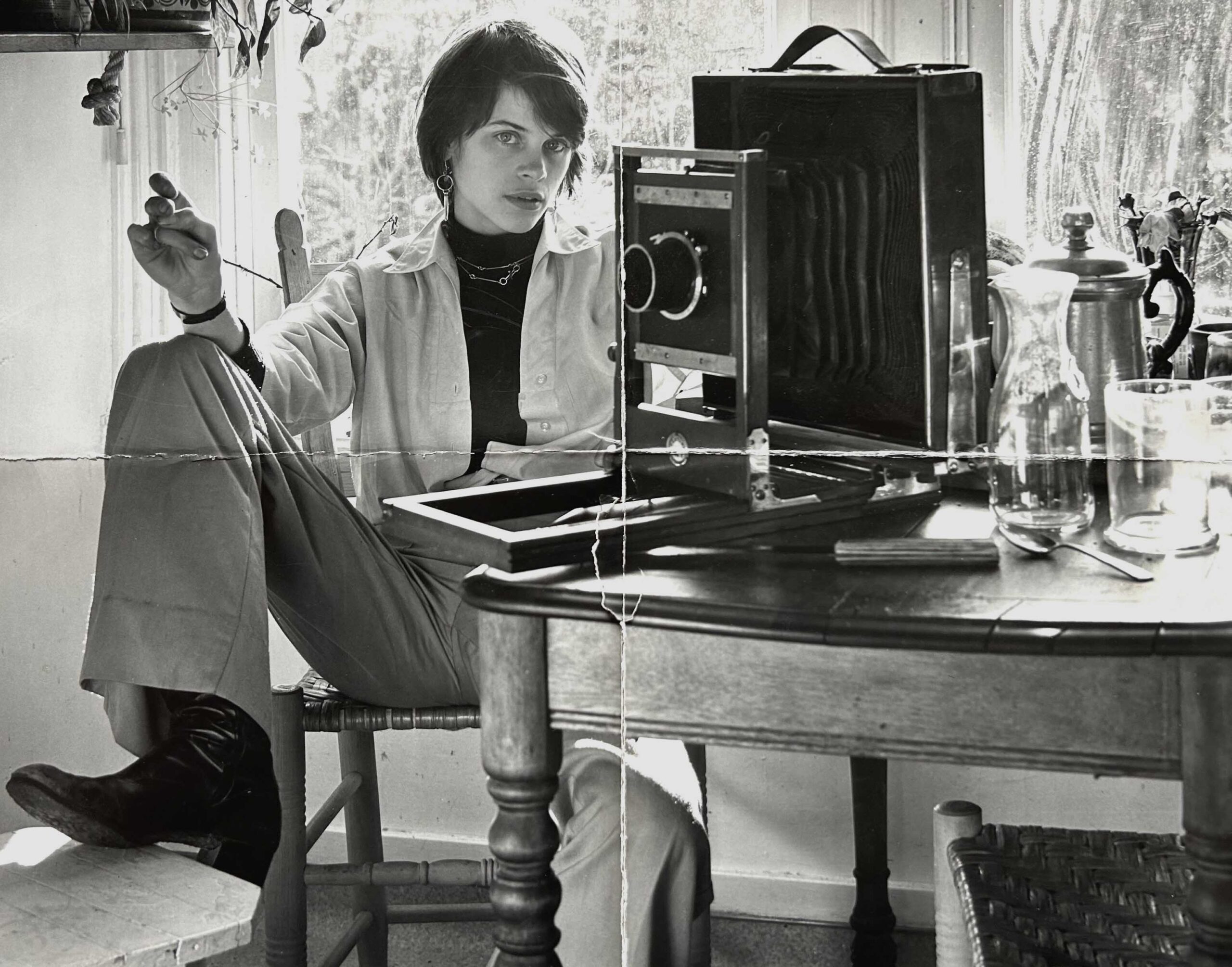
Photographer Sally Mann discusses her new book "Art Work," a follow-up to her National Book Award finalist memoir "Hold Still." In the interview with Cultured, Mann reflects on her career, her black-and-white imagery of family and the Southern landscape, and her shift to digital photography. She shares insights on the changing photography landscape, the melding of art and commerce, and her hopes for the next generation of artists.

our favourite viral gen z marketing scripts

Museums and cultural institutions are participating in a viral social media trend where staff, often older guides or curators, deliver marketing scripts written entirely in Gen Z slang. The trend, which began with a video from England's Hever Castle in early September, has spread across TikTok and Instagram, with hundreds of organizations creating their own versions. Typical phrases include "no cap," "ate and left no crumbs," and "menty b," often accompanied by the "Millennial Pause" for comedic effect. The article highlights several examples, including the Poe Museum in Virginia and the New York Historical Society, and notes that the trend has expanded beyond the art world to include accountancy firms, donkey sanctuaries, and even the NYC Ferry.

artists dealers

A growing number of prominent art dealers across New York, London, Los Angeles, Brussels, and Reykjavik began their careers as artists, not salespeople. Figures like Jack Hanley, Sebastian Gladstone, Börkur Arnarson of i8 Gallery, and the team behind Galerie Sardine (Joe Bradley and Valentina Akerman) all transitioned from studio practice to gallery ownership. The article explores how their firsthand experience as artists shapes their approach to representing others, from patience with the creative process to building artist-centered business models.

art juliana halpert frieze los angeles 2026

Juliana Halpert, writing for Cultured's Critics' Table, offers a local perspective on Los Angeles's busy February art scene, contrasting the global art-fair circuit with four distinctive local exhibitions. She visits Tanya Brodsky's "Stories of the City" at Campbell Hall school in Studio City, where Brodsky's sculptures engage with Italo Calvino's *Invisible Cities*; the Julia Stoschek Foundation; Amanda Ross-Ho's show; and Rita McBride's exhibition. Halpert uses Calvino's metaphor of Eutropia—a city whose inhabitants cycle through identical suburbs—to critique the repetitive nature of art fairs like Art Basel and Frieze, which travel from city to city with little variation.

A Culture Lover’s Guide to Northwest Arkansas, a Land of Contradictions

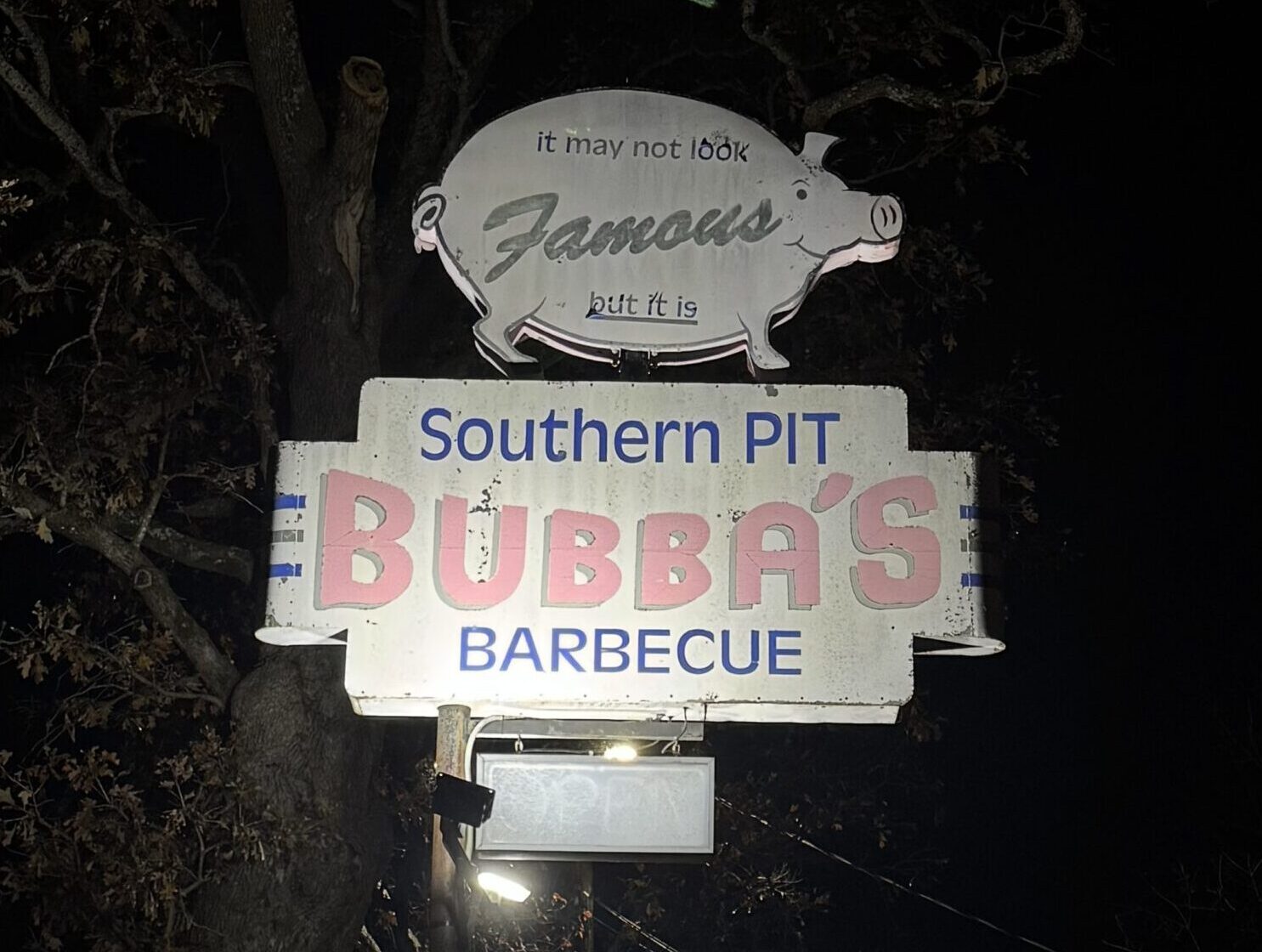
This travel guide explores the cultural landscape of Northwest Arkansas, focusing on the upcoming 114,000-square-foot expansion of the Crystal Bridges Museum of American Art in Bentonville, set to open June 6, 2026. The author recounts a road trip from Little Rock to the Ozarks, visiting the Arkansas Museum of Fine Arts (with its new Studio Gang-designed building), dining at Coursey's Smoked Meats, and encountering a white supremacist billboard in Harrison, while also highlighting Thorncrown Chapel by E. Fay Jones as a transcendent architectural stop.

Henrike Naumann Stared Down a Divided Germany’s Past While Eyeing Our Troubled Present

Henrike Naumann, a German artist known for using secondhand furniture and design to explore political extremism and consumer capitalism, is profiled in ARTnews. The article recounts her first US exhibition, “Re-Education” at SculptureCenter in New York in 2022, where she created installations referencing the January 6 Capitol attack, juxtaposing Federal-style office furniture with a Flintstonian mancave and chairs arranged by ideological subtext. The show gained unexpected attention when German media covered it, linking her small hometown of Zwickau with New York, and she later visited Thomas Hart Benton’s murals at the Met to understand American power and aesthetics.

dar kuen wu taiwan digital art

The article examines the rise of Taiwanese contemporary art on the international stage, focusing on its growing prominence in digital and technological art. It traces the evolution of digital art in Taiwan through three phases: video art in the 1990s with pioneers like Wang Jun-Jieh and Yuan Goang-Ming, digital media experimentation in the 2000s driven by the tech sector, and a recent phase of internationalization and interdisciplinary integration fueled by the semiconductor industry and government support. Key factors include Taiwan's hardware industry, cultural liberalization after the lifting of martial law in 1987, and sustained policy support from institutions like the National Culture and Arts Foundation (NCAF), the Taiwan Contemporary Culture Lab (C-LAB), and the Taiwan Creative Content Agency (TAICCA).

The story of Jean-Michel Basquiat’s brief but dazzling life, as told by an art-world insider

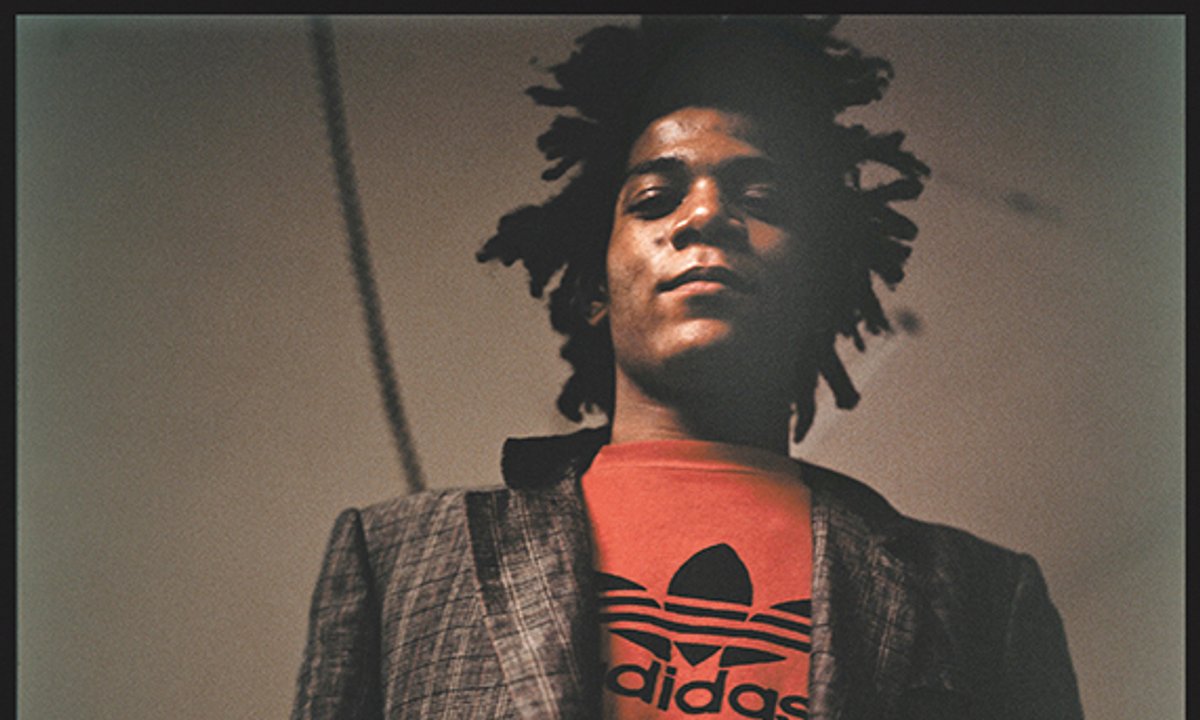
Doug Woodham, former president of Christie's Americas and current managing partner of Art Fiduciary Advisors, has authored a new biography titled "Jean-Michel Basquiat: The Making of an Icon." The book is divided into two halves: the first offers a straightforward biography of Basquiat's life from his gifted childhood in Brooklyn to his rise as a star artist, his friendship with Andy Warhol, and his tragic death from a heroin overdose at age 27. The second half analyzes how Basquiat achieved such early success, examining the influence of his father Gerard, the legal battle with dealer Vrej Baghoomian over the artist's estate, and the roles of collectors like Peter Brant and José Mugrabi. Notably, the Basquiat estate refused permission to include images of his artwork because the book openly addresses sensitive issues about his character and life.

New York is so expensive that it is no longer possible to produce art and culture in the city

New York è così cara che ormai non è più possibile produrre arte e cultura in città

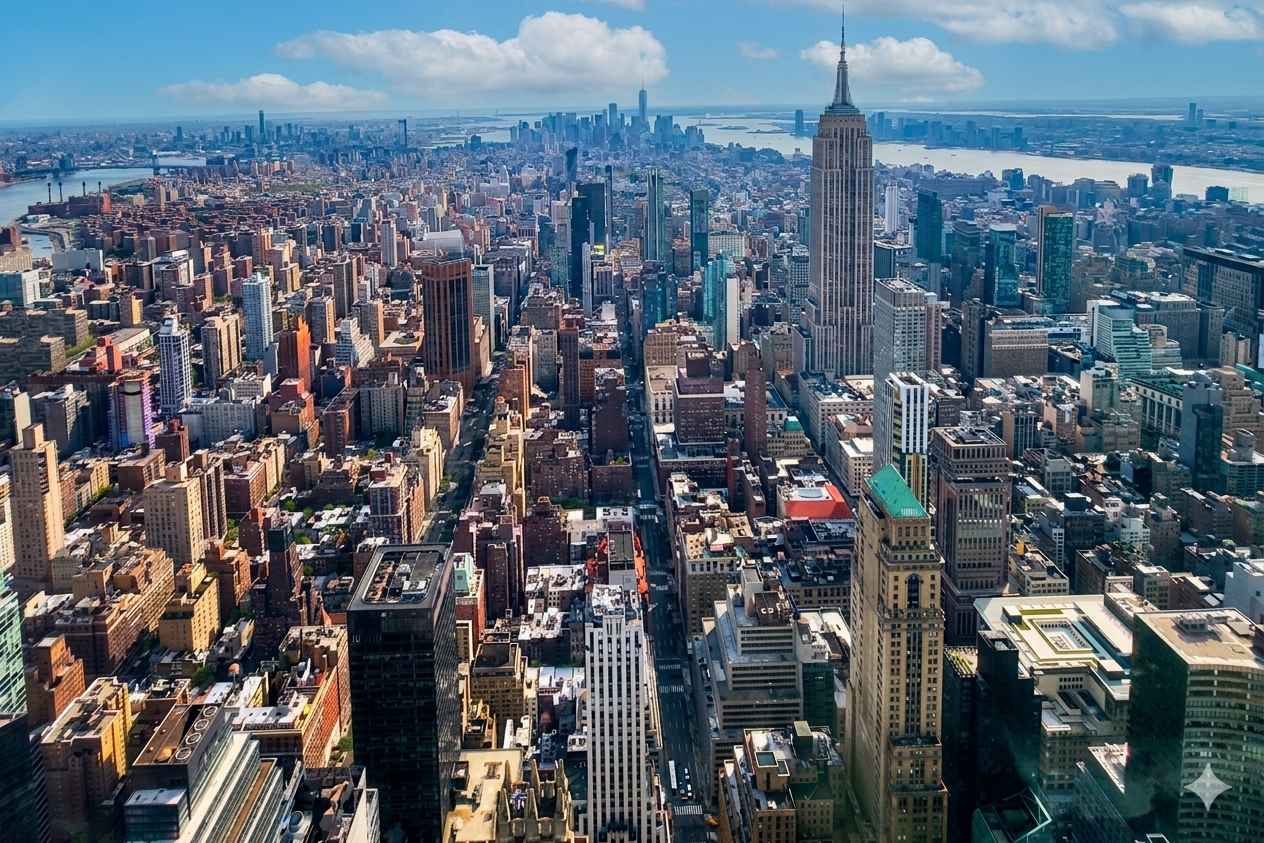
Artist and curator Josh Kline has sparked a significant industry debate with his essay, "New York Real Estate and the Ruin of American Art," which argues that the city's prohibitive real estate market is dismantling its cultural foundation. Kline posits that the financialization of property and the disappearance of affordable lofts and mid-size galleries have created an unsustainable ecosystem where only those with independent wealth can survive. This economic pressure is forcing a generation of creative workers to choose between their practice and basic survival, leading to a stagnation of innovation.

The Davos arts programme: ‘Art ventures where policy briefs and position papers cannot go’

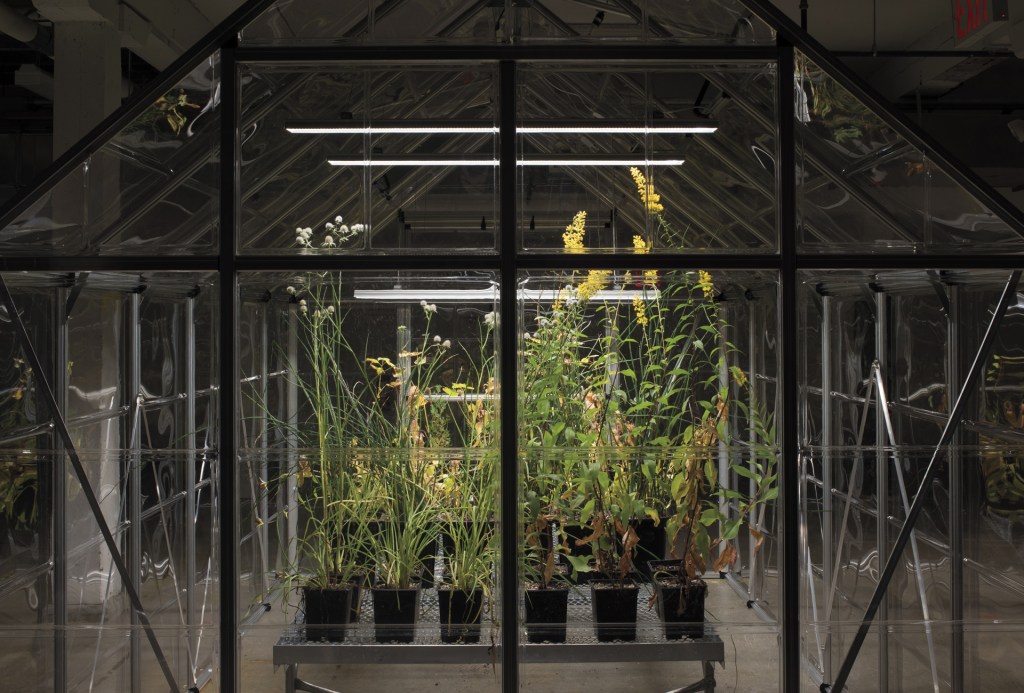
The article describes the Arts and Culture Programme at the World Economic Forum's Annual Meeting in Davos, centered on the theme 'A Spirit of Dialogue.' It features performances and installations including the Mahler Chamber Orchestra with violinist Renaud Capuçon and an AI-generated visual installation by artist Ronen Tanchum, a concert by musician Jon Batiste, Thijs Biersteker's data-driven installation 'Forestate' created with Unesco, and Marina Abramović's mobile installation 'THE BUS.' The programme is structured around three pillars: Human Presence in the Digital Age, Tradition and Innovation, and Connection and Collaboration.

Bespoke Glass Studio’s Sculptures Challenge Traditional Conventions of Stained Glass

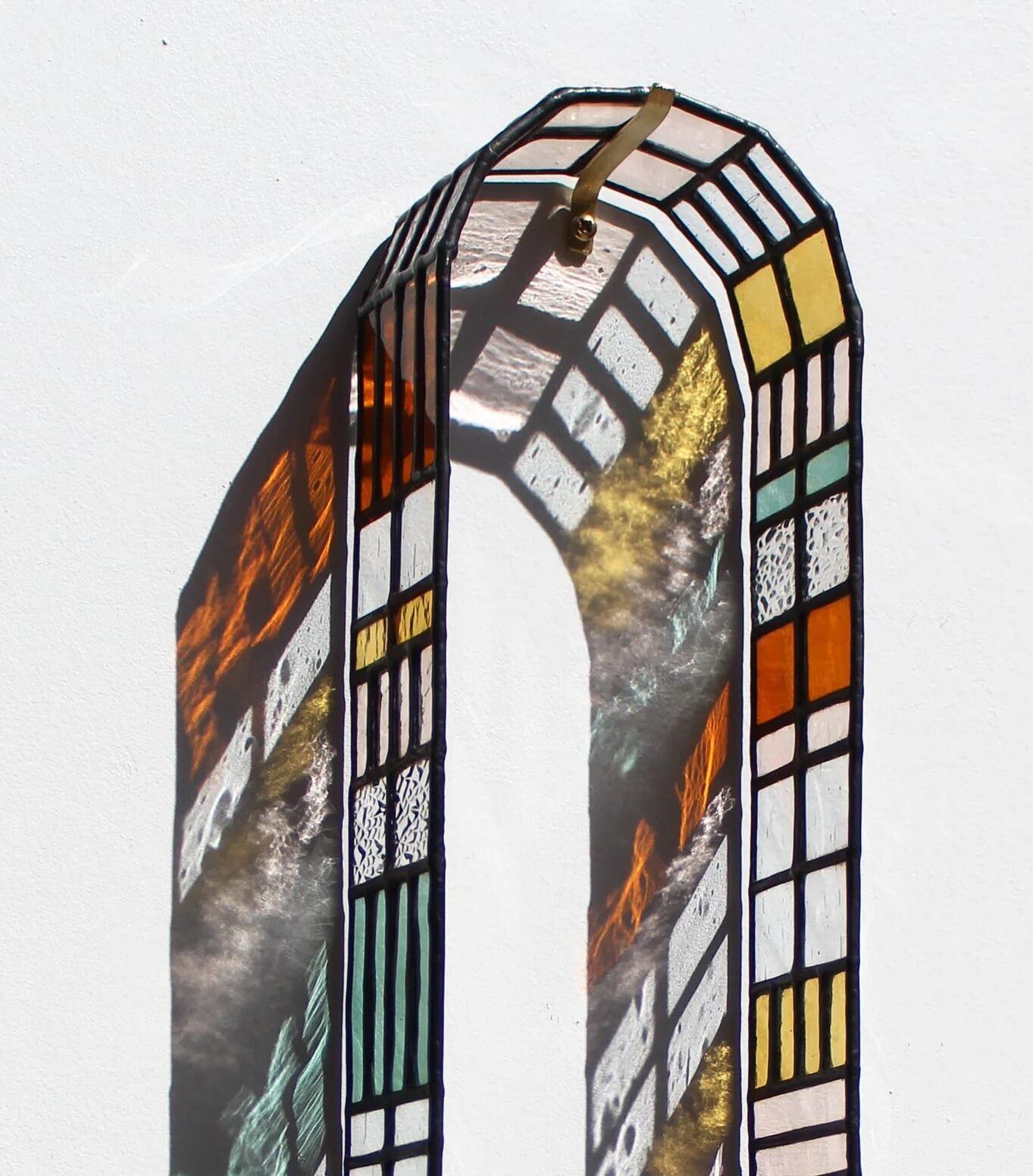
Lesley Green, founder of Bespoke Glass Studio, creates stained glass sculptures that break from traditional window-mounted forms. Her work includes three-dimensional pieces that project colored light onto walls, functional room dividers, and sculptural objects made using hand-cut copper foil techniques. Green aims to shift perception of stained glass from architectural feature to standalone art object, emphasizing pure color and texture.

nat ward ditch plains beach monograph

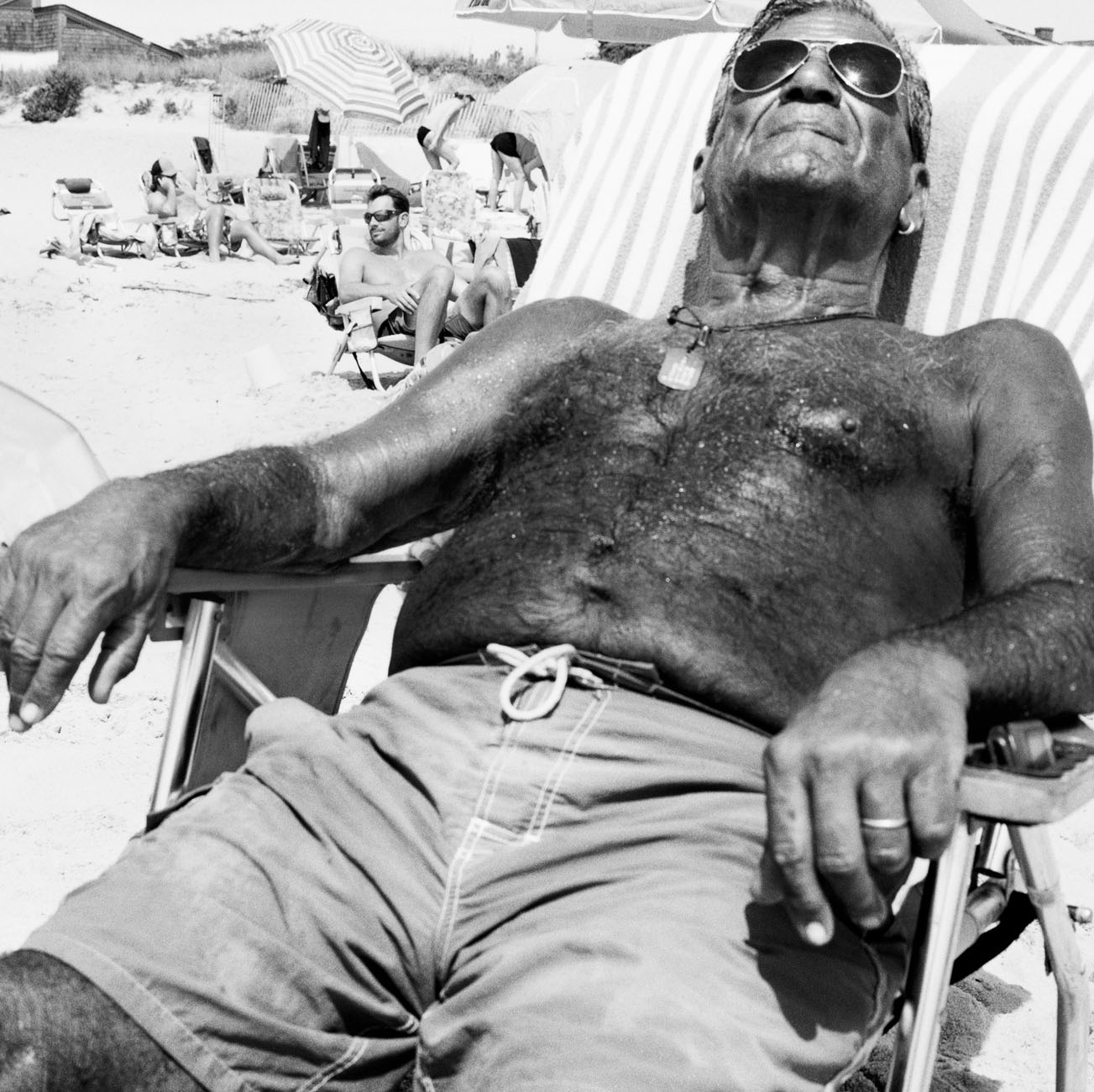
Photographer Nat Ward has published a new book titled "Ditch: Montauk, NY 11954," featuring panoramic images taken over four summers at Ditch Plains Beach in Montauk, New York. The project began during a residency at the Edward F. Albee Foundation in 2018, using a medium format panoramic camera to capture the diverse human interactions on the crowded beach. Ward's photographs document strangers becoming neighbors, political tensions dissolving under umbrellas, and the raw honesty of beachgoers, including a woman in a red MAGA hat and a young man confident in his desirability.

Should art have moral limits?

At Metropolitan State University of Denver, students, artists, professors, and curators debate whether art should have moral limits, particularly when it addresses violence, political division, or sensitive social issues. The discussion features perspectives from Jess Gerome, an art education student who argues discomfort should not dictate creative expression, and Xtna Doleres, a multidisciplinary artist who believes art carries an ethical responsibility to speak truth and represent communities respectfully. Professor Jason Miller adds that while art alone may not cause harm, it must be taken seriously when it suggests real-world danger.