

filter_list Showing 3 results for "Drawings" close Clear
search
dashboard All 33 museum exhibitions 20article local 4article culture 3rate_review review 3trending_up market 2person people 1
date_range Range Today This Week This Month All
Subscribe

In the new film Nagi Notes, art is a vessel for characters’ desires

Japanese writer-director Koji Fukada's new film *Nagi Notes* premiered on 13 May at the Cannes Film Festival. The story follows Yuri (Shizuka Ishibashi), who visits the remote town of Nagi to sit for a sculptor friend, Yoriko (Takako Matsu). The film explores how characters use art—from drawings to sculptural busts—as a medium to express unspoken desires, grief, and identity, with key scenes set at the Nagi Museum of Contemporary Art featuring a permanent installation by Arakawa and Madeline Gins.
Why We Need Corporate Art Collections

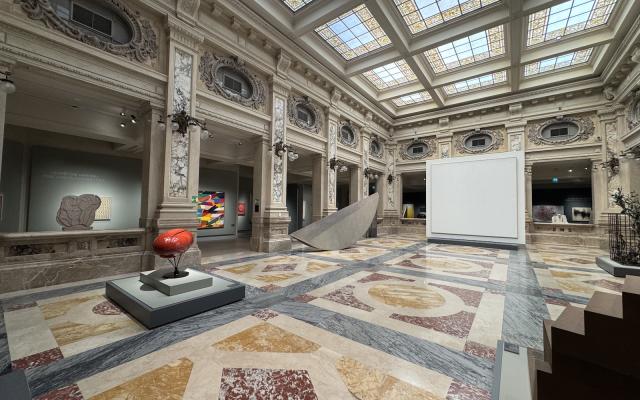
The article traces the history and significance of corporate art collections, beginning with Deutsche Bank's acquisition of 57 early drawings by Joseph Beuys in the late 1970s, which led to the formal launch of its collection in 1980. Today, the Deutsche Bank Collection comprises over 57,000 objects displayed in 500 locations across 40 countries, and the bank sponsors events like the Frieze Art Fair. The piece also highlights the role of American banker David Rockefeller, who inaugurated Chase Manhattan Bank's Art at Work program in 1959, and notes that corporate collecting has deep roots in Renaissance banking, with institutions like Banca Monte dei Paschi di Siena commissioning art for their offices.

Interview with French cartoonist Hugo Didier who draws the Cannes Film Festival 79

Intervista al fumettista francese Hugo Didier che disegna il Festival di Cannes 79

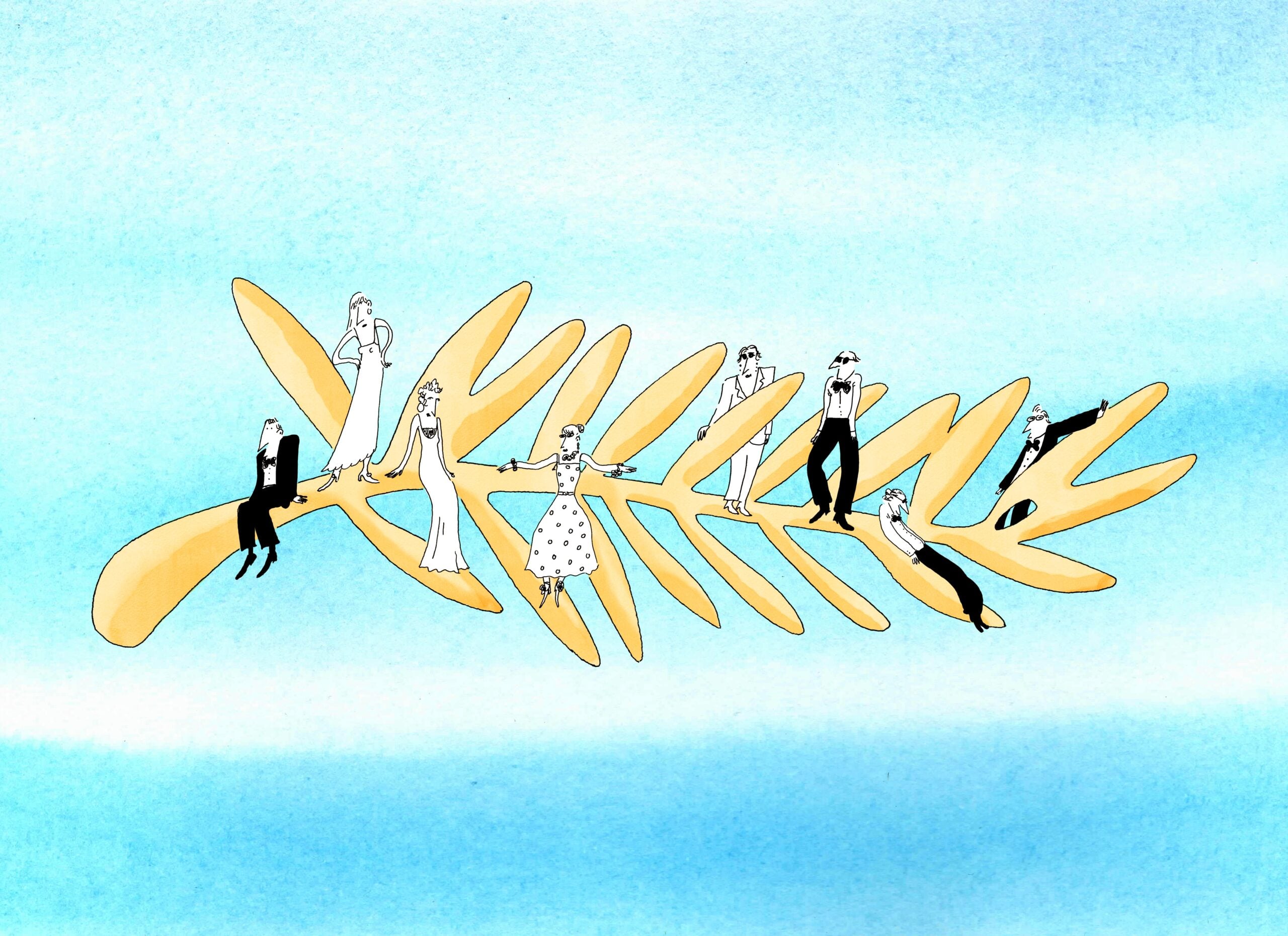
French cartoonist and illustrator Hugo Didier (Paris, 1993) has been commissioned to reinterpret and narrate the 79th edition of the Cannes Film Festival (May 12–23) through his drawings, which have appeared on the festival's official Instagram account. In an interview, Didier discusses how cinema influences his visual imagination, his preference for traditional drawing techniques (nib pens, Rotring technical pen, ink washes, watercolor) over digital, and his creative process that often begins with spontaneous sketches. He also reflects on the role of comics in contemporary French culture, noting their ability to explore diverse themes and reach wide audiences through a playful yet accessible medium.