

filter_list Showing 3 results for "Embedded" close Clear
search
dashboard All 41 museum exhibitions 26article news 4rate_review review 3article culture 3article local 1candle obituary 1person people 1gavel restitution 1trending_up market 1
date_range Range Today This Week This Month All
Subscribe

Look Inside the Art-Filled Home of New York City's Cultural Crusaders

This profile explores the Upper West Side residence of Crystal McCrary McGuire and Raymond J. McGuire, a power couple deeply embedded in New York City’s cultural and financial sectors. Their home serves as a private gallery for a significant collection of African American art, featuring masterworks by Norman Lewis, Henry Ossawa Tanner, Elizabeth Catlett, and Romare Bearden. The couple’s shared passion for collecting began independently, sparked by their formative years studying in France, and has since evolved into a joint mission to preserve and live alongside Black artistic heritage.

Ready for their close-ups: celebrity passport photos

Dave Sharkey, a former professional boxer, and his wife Ann founded a photographic studio on Oxford Street in London in 1953, offering passport photos with a 10-minute turnaround. The studio, later run by their son Philip, became a popular spot for celebrities including Muhammad Ali, Mick and Bianca Jagger, David Hockney, and Tilda Swinton. A new book titled 'Passport Photo Service,' published by Phaidon Press, compiles over 300 of these celebrity passport portraits from the 1950s to the 2010s.

"There are no minor or feminine arts." Domitilla Dardi explains this in her new book

“Non esistono arti minori o femminili”. Ce lo spiega Domitilla Dardi nel suo nuovo libro

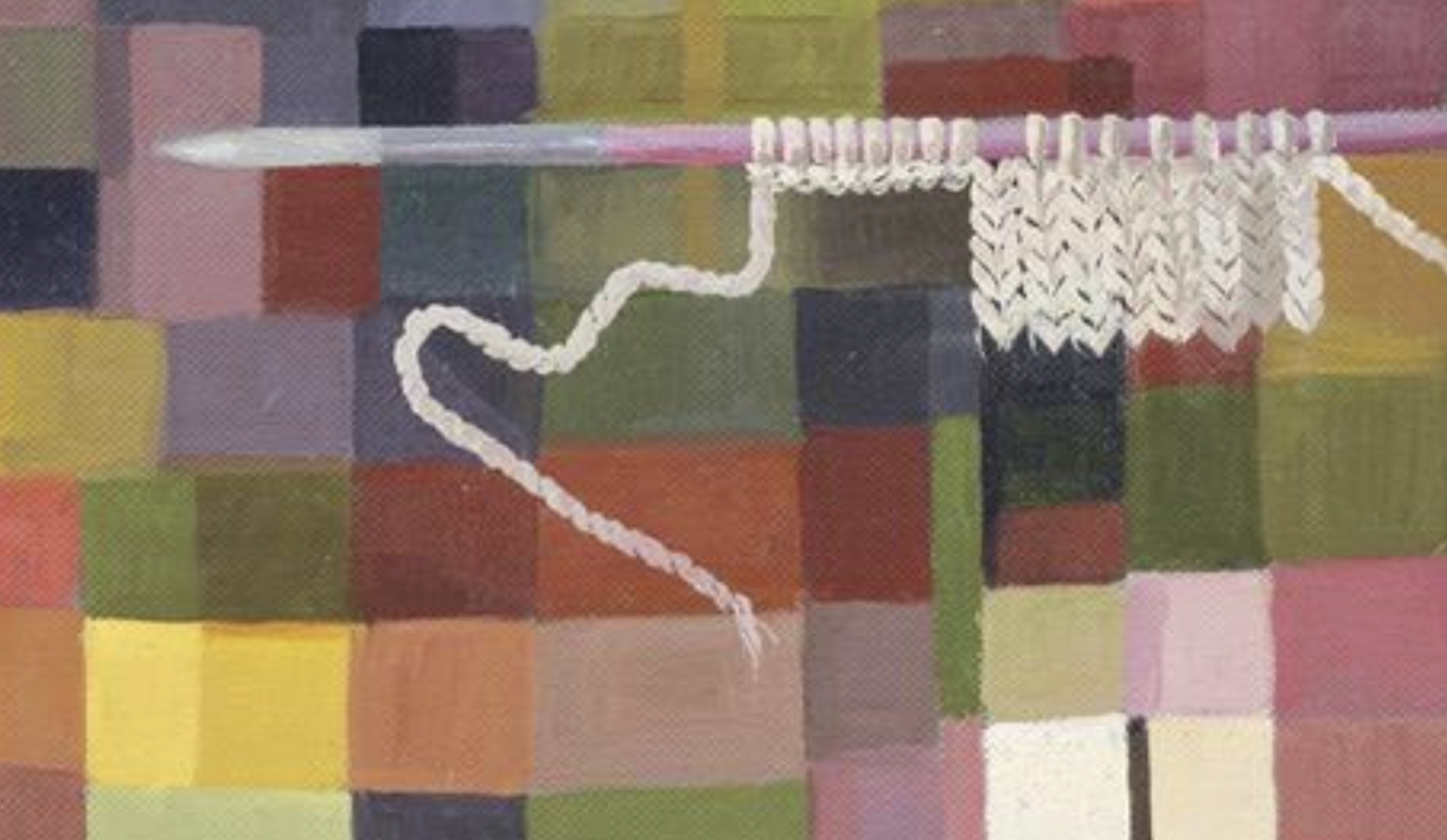
Domitilla Dardi's new book "Cucire Universi" (published by Einaudi) presents a counter-history of design, focusing on techniques traditionally dismissed as "feminine" and "minor"—such as sewing, ceramics, cooking, and knitting. The book argues that these practices have been systematically undervalued by official art histories, yet have contributed significantly to technologically advanced research fields. Dardi uses real historical figures like Emily Dickinson to illustrate how women's creative and scientific talents were channeled into these marginalized domains, and she calls for overcoming the dualistic view that separates art from craft.