filter_list Showing 23 results for "Go" close Clear
dashboard All 748 museum exhibitions 391article local 160article news 55trending_up market 39person people 30article policy 23article culture 23gavel restitution 11rate_review review 10article event 3candle obituary 3
date_range Range Today This Week This Month All
Subscribe

How Wayne McGregor’s epic ballets draw on help from his artistic friends

Choreographer Wayne McGregor’s upcoming production at the Royal Opera House, 'Alchemies', highlights his career-long commitment to cross-disciplinary collaboration with visual artists and designers. The program features a world premiere with costumes by fashion designer Saul Nash, alongside revivals of 'Yugen' and 'Untitled, 2023'. These works incorporate significant contributions from the art world, including set designs by ceramicist Edmund de Waal and previous collaborations with figures like Tacita Dean and Olafur Eliasson.
A Place of Perpetual Warmth: Hyde Park Art Center and the Making of Chicago’s Creative Identity

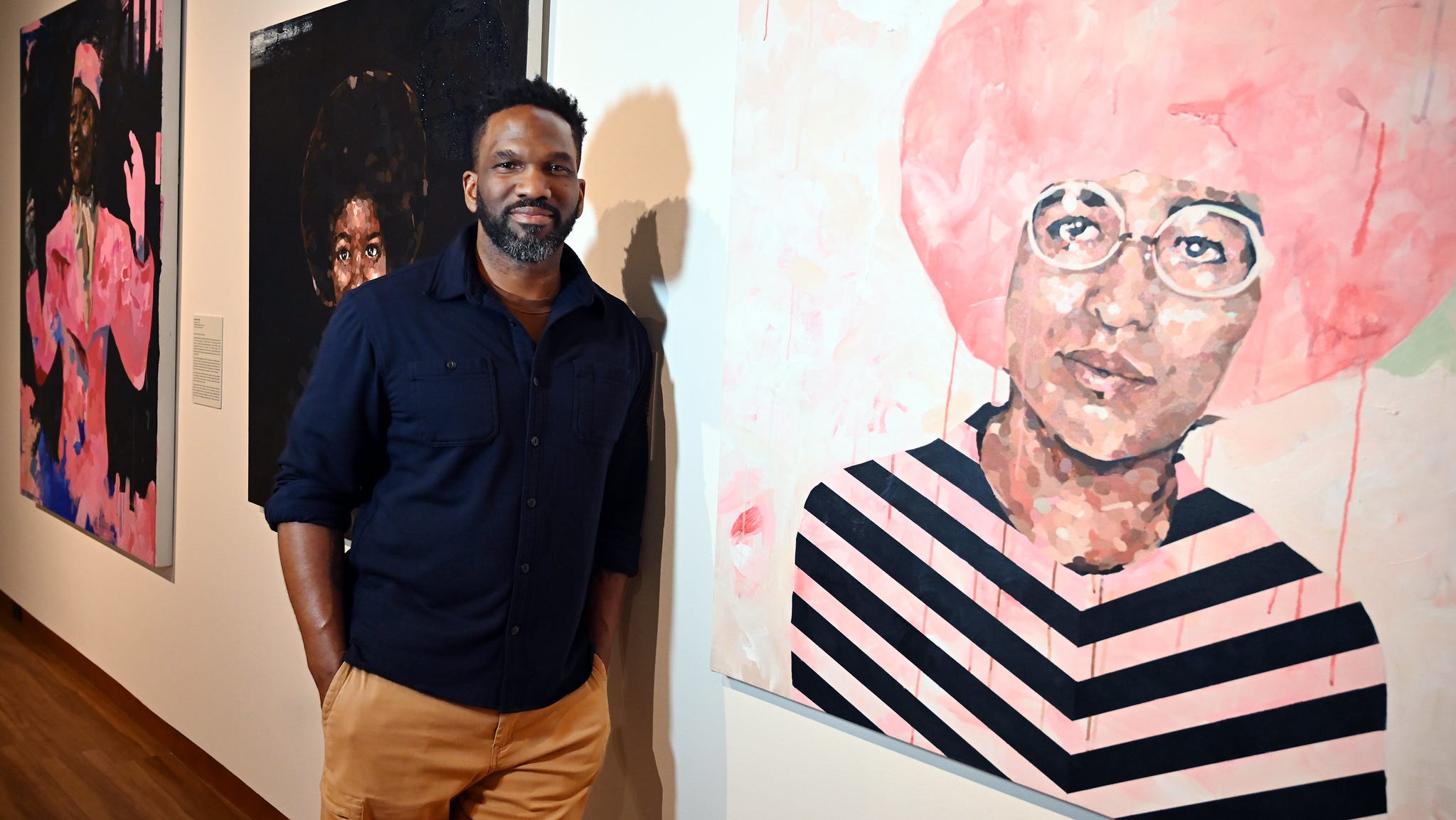
The Hyde Park Art Center (HPAC) stands as a vital pillar of Chicago’s grassroots creative identity, serving for eighty-six years as an unpretentious alternative to the city's major encyclopedic museums. From its early days under curator Don Baum, the center became a catalyst for the avant-garde, famously launching the careers of the Chicago Imagists and the Hairy Who. Today, it continues to function as a multifaceted ecosystem that blends community education, artist residencies, and experimental exhibitions within a residential neighborhood setting.

8 Artists to Follow If You Like Marcel Duchamp

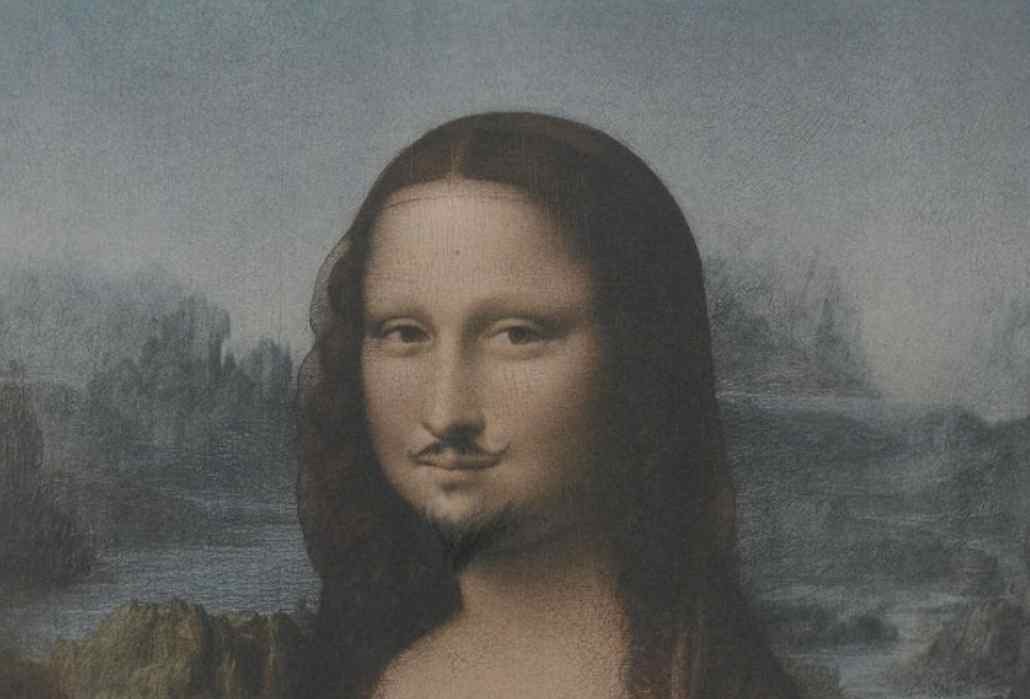
Marcel Duchamp’s legacy continues to shape contemporary art through his pioneering use of readymades, conceptual rigor, and institutional critique. This analysis identifies eight modern and contemporary artists whose practices echo Duchamp’s subversion of traditional aesthetics, ranging from his early experiments with found objects to his later explorations of gender and mechanical desire.

Galle Facing

Colombo’s skyline has undergone a radical transformation into a forest of glass and steel towers, epitomized by projects like the Lotus Tower and Port City. This rapid urbanization, driven by a state ambition to create a 'world-class city' following decades of civil war, has resulted in the displacement of local neighborhoods and the burial of historical layers under new infrastructure.

Collapse Finance, Part 2: Longevity Capitalism—Life as an Asset Class

The essay explores the emergence of "longevity capitalism," a financial and biopolitical regime where biological duration and life expectancy are treated as assets for capital accumulation. As traditional welfare systems and collective pension schemes collapse, the uncertainty of human lifespan has been transformed into a speculative frontier, with retirement security increasingly tied to volatile private equity and cryptocurrency markets.

'Presence of Color.' How race shaped photography | Opinion

The Fayetteville Observer explores the historical racial bias embedded in photographic technology through the lens of "Shirley Cards." These reference tools, used by film developers for decades to calibrate color balance, were based exclusively on the skin tones of white female models, resulting in poor image quality and distorted representations for Black and dark-skinned subjects.

Rika Nakajima: A New Book of the Dead, Part 3

連載 中島りか 新しい死者の書 第三回

Japanese artist Rika Nakajima reflects on the trial of Tetsuya Yamagami, who assassinated former Prime Minister Shinzo Abe in 2022, weaving together her own experience running the project space "Datsuisho – (a) place to be naked" in Tokyo's Yanaka district. As the space faced demolition in late 2025, Nakajima draws parallels between the trial's timing and the closure of her venue, recalling earlier events at the space that discussed the state funeral controversy and the cult issues exposed by the assassination. She describes attending the trial in Nara, observing Yamagami's demeanor, and connecting the case to broader themes of political aesthetics, fascism, and the theatricality of the judicial system.

Theater in Paris: Studio Hébertot brings to life the companions of Pablo Picasso, from Fernande Olivier to Françoise Gilot

Théâtre à Paris : le Studio Hébertot fait revivre les compagnes de Pablo Picasso, de Fernande Olivier à Françoise Gilot

A theatrical production titled 'Les Amours de Pablo' is being staged at the Studio Hébertot in Paris until the end of May 2026. The play, created by the Compagnie Bille en Tête, focuses on the intimate and tumultuous relationships of Pablo Picasso, but primarily aims to give voice and substance to seven of his romantic partners, portraying them as complex individuals and artists in their own right.

Why AI Doesn't Steal Our Imagination – with Jenifer Becker

Warum KI uns nicht die Fantasie raubt – mit Jenifer Becker

Author and cultural scholar Jenifer Becker discusses the impact of artificial intelligence on creativity in the Monopol podcast "Fantasiemuskel." She argues that while AI-generated text is often generic, it can liberate us from the romantic myth of the solitary genius by demonstrating that most ideas already exist. Becker leads the "AI Lab Kit" at the Hildesheim Literature Institute, using experimental projects to push language models beyond their algorithmic comfort zones.

The National Museum of Mexican Art’s Special Mission

The National Museum of Mexican Art (NMMA) in Chicago was founded in 1987 by a group of public school educators, led by Carlos Tortolero, to address a lack of Mexican history and culture in the curriculum. It has grown into a 48,000-square-foot institution with a collection of over 20,000 objects, spanning from Pre-Columbian times to the present, and was the first Latino museum in the U.S. to be accredited by the American Alliance of Museums.

There Has Never Been an Apolitical Venice Biennale

The Venice Biennale, with its national pavilion structure, has always been a platform for political expression and soft power, a reality evident from its early 20th-century origins. Contemporary critic Arturo Lancellotti's 1909 review of the German and British pavilions was steeped in geopolitical context, revealing how national artistic displays were interpreted through the lens of imperial power and military alliances.

A teaspoon at a time: how LACMA built its collection

The Los Angeles County Museum of Art (LACMA) has grown from a fledgling institution into a world-class museum through a deliberate, long-term strategy of cultivating collectors, building strong local relationships, and leveraging its exhibition program to acquire major works. This approach, described as "a teaspoon at a time," involved patient donor cultivation and using international loan shows as opportunities to secure significant pieces for the permanent collection.

Three things the Fuorisalone should do (and doesn't) to improve the quality of life in Milan

Tre cose che il Fuorisalone dovrebbe fare (e non fa) per migliorare la qualità della vita di Milano

The 2026 Milan Design Week, coinciding with the Salone del Mobile, has officially begun, bringing over 1,850 events to the city. The launch included a special breakfast-barter event in Piazza Duomo with artist Maurizio Cattelan and journalist Nicolas Ballario, kicking off a week expected to draw 300,000 visitors.

How Digital Animation Can Help Audiences Understand Installation Art Before They Experience It in Person

The article examines the inherent limitations of traditional photography in documenting installation art, arguing that static images fail to convey the experiential qualities of scale, sequence, and audience interaction central to the medium. It uses Olafur Eliasson's iconic 'The Weather Project' as a prime example of a work whose atmospheric and social dimensions are lost in photographic reproduction.

Interview with Dries Van Noten who opens his foundation on art & craftsmanship in Venice

Intervista a Dries Van Noten che apre la sua fondazione su arte&artigianato a Venezia

Fashion designer Dries Van Noten is launching a new foundation dedicated to craftsmanship and art in Venice. The Dries Van Noten Foundation, opening on April 25, 2026, will be a hub for the exchange and transmission of knowledge, focusing on skills like glassmaking, textiles, ceramics, and goldsmithing. Its inaugural presentation, 'The Only True Protest is Beauty,' curated with Geert Bruloot, will fill twenty rooms of a Venetian palazzo with over two hundred works spanning fashion, glass, ceramics, design, and photography.

Group "New Generation" Plans "Art Protest" on Wednesday

Gruppe "Neue Generation" plant "Kunstprotest" am Mittwoch

The activist group "Neue Generation" has announced a week of protests in Berlin under the theme "Revolution Days," promising creative and artistically designed actions. Their activities began with a "protest dance" on the steps of the Reichstag building, leading to three participants being investigated for trespassing. The group has scheduled a "Kunstprotest" (art protest) for Wednesday and a "revolutions attempt in the government district" for Thursday.

Grimes joining LinkedIn is artwashing at its most brazen. I should know – I released my new film on there

Artist Alan Warburton critiques the migration of creative professionals to LinkedIn, sparked by musician Grimes' recent pivot to the platform to promote her appearance at an Nvidia tech conference. Warburton, who recently released his AI-focused film 'Image Empire' on the site, describes the move as a desperate response to the 'enshittification' of traditional creative platforms like Twitter and Vimeo, which have been overrun by bots and AI-generated content.

Do you hate art museums? Why (and how) to take a 2nd look

Do you hate art museums? Why (and how) to take a 2nd look

The traditional art museum experience often leads to exhaustion and a sense of alienation due to the overwhelming abundance of artworks and the pressure to see everything quickly. This phenomenon, which affects even visitors to world-class institutions like the Vatican or the Uffizi, stems from a 'problem of abundance' rather than a lack of appreciation for the art itself. The author suggests that smaller, more intimate spaces and a slower approach to viewing would make art more accessible and less intimidating for the general public.

Alain Passard’s Art Recipe: An Island of Tastes Wrapped in the Style of Christo and Jeanne-Claude

La recette d’art d’Alain Passard : un îlot de goûts emballé façon Christo et Jeanne-Claude

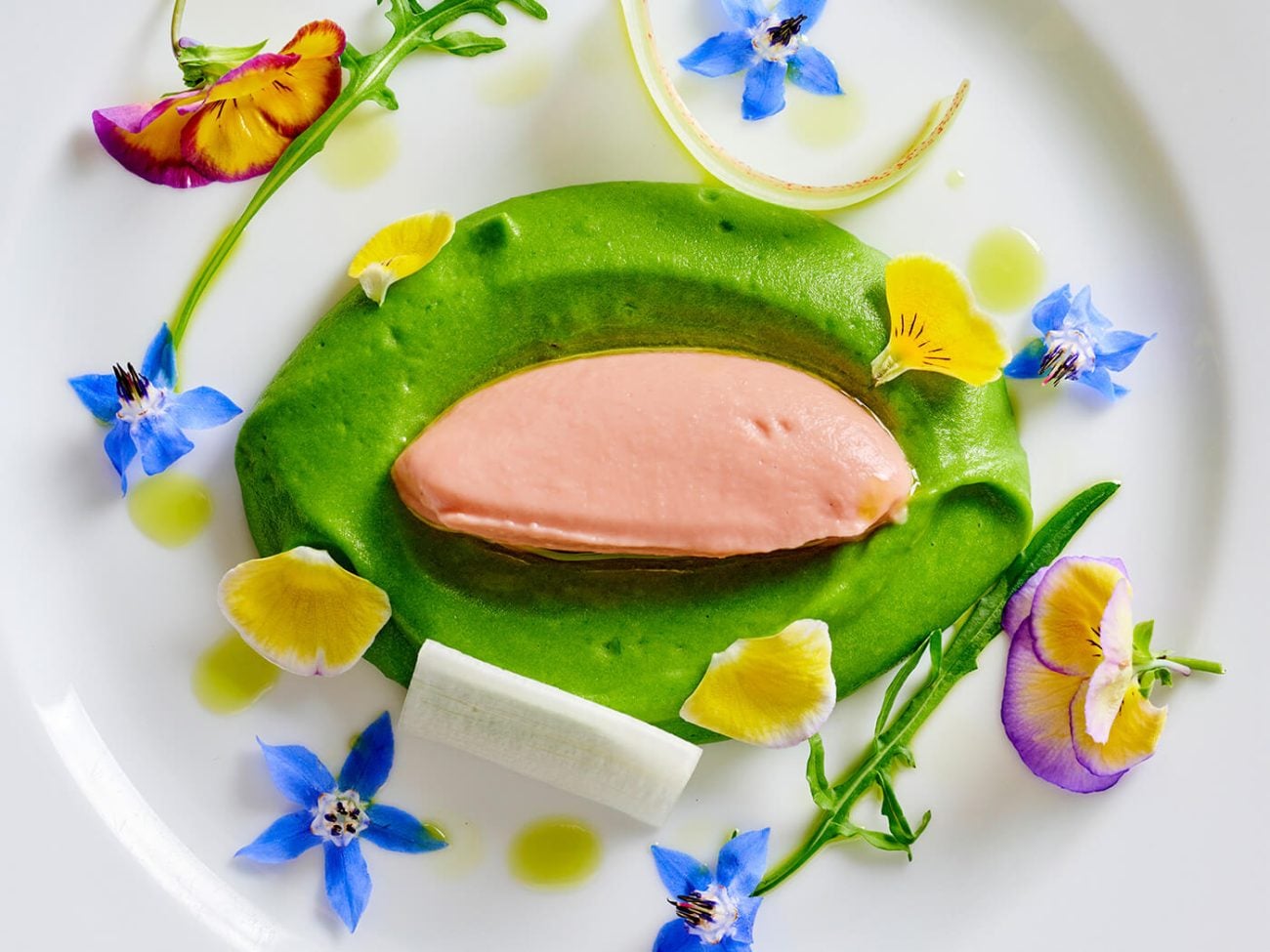
Michelin-starred chef Alain Passard pays tribute to the monumental environmental installations of Christo and Jeanne-Claude through a culinary creation. The article highlights the duo's 1983 project 'Surrounded Islands,' where they encircled eleven islands in Miami's Biscayne Bay with 600,000 square meters of floating pink polypropylene fabric, a work that exemplified their commitment to self-funded, accessible, and ephemeral public art.

Shopping Experience: How Has the Way of Experiencing Luxury Changed?

Shopping experience: com’è cambiato il modo di vivere il lusso?

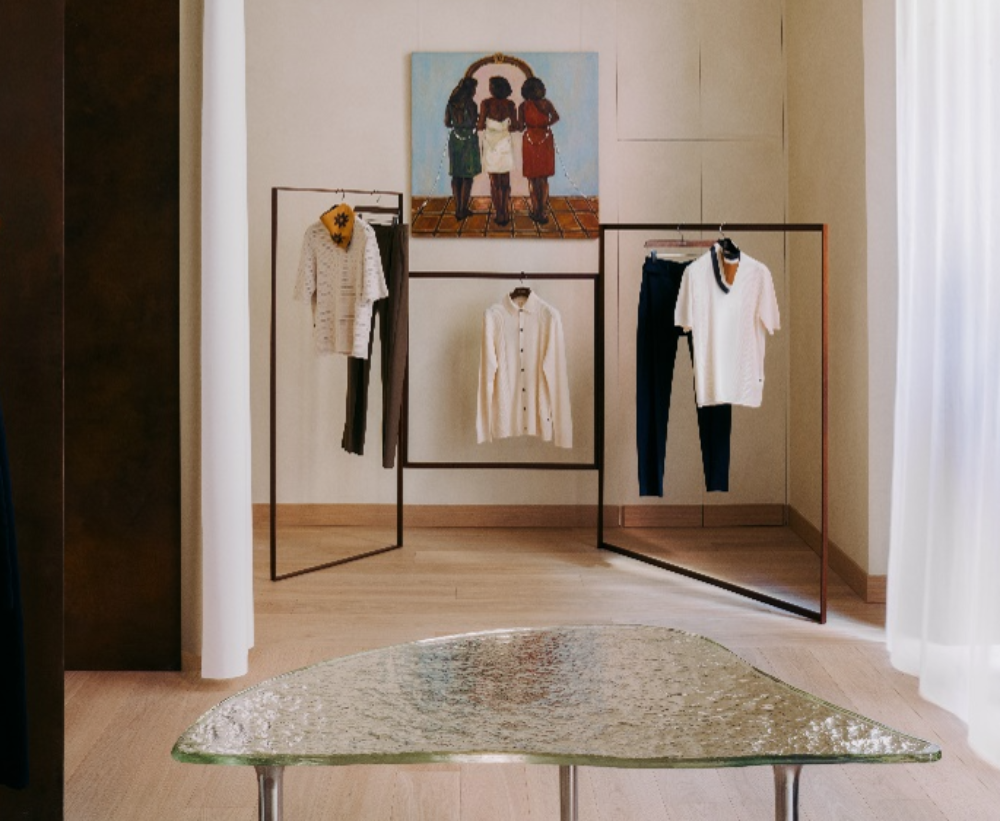
Luxury retail in Milan is undergoing a significant transformation, evolving from simple commercial spaces into 'cultural brandscapes' that blend art, design, and hospitality. Major fashion houses are redesigning their flagship stores to function as urban salons and living galleries, integrating site-specific art installations, historical architecture, and high-end gastronomy to foster community and tangible experiences in an increasingly digital world.

Should Wine Also Become UNESCO Heritage? Yes, But New Certification Criteria Must Be Imagined

Anche il vino diventa Patrimonio Unesco? Ok, ma si dovrebbero immaginare nuovi criteri di certificazione

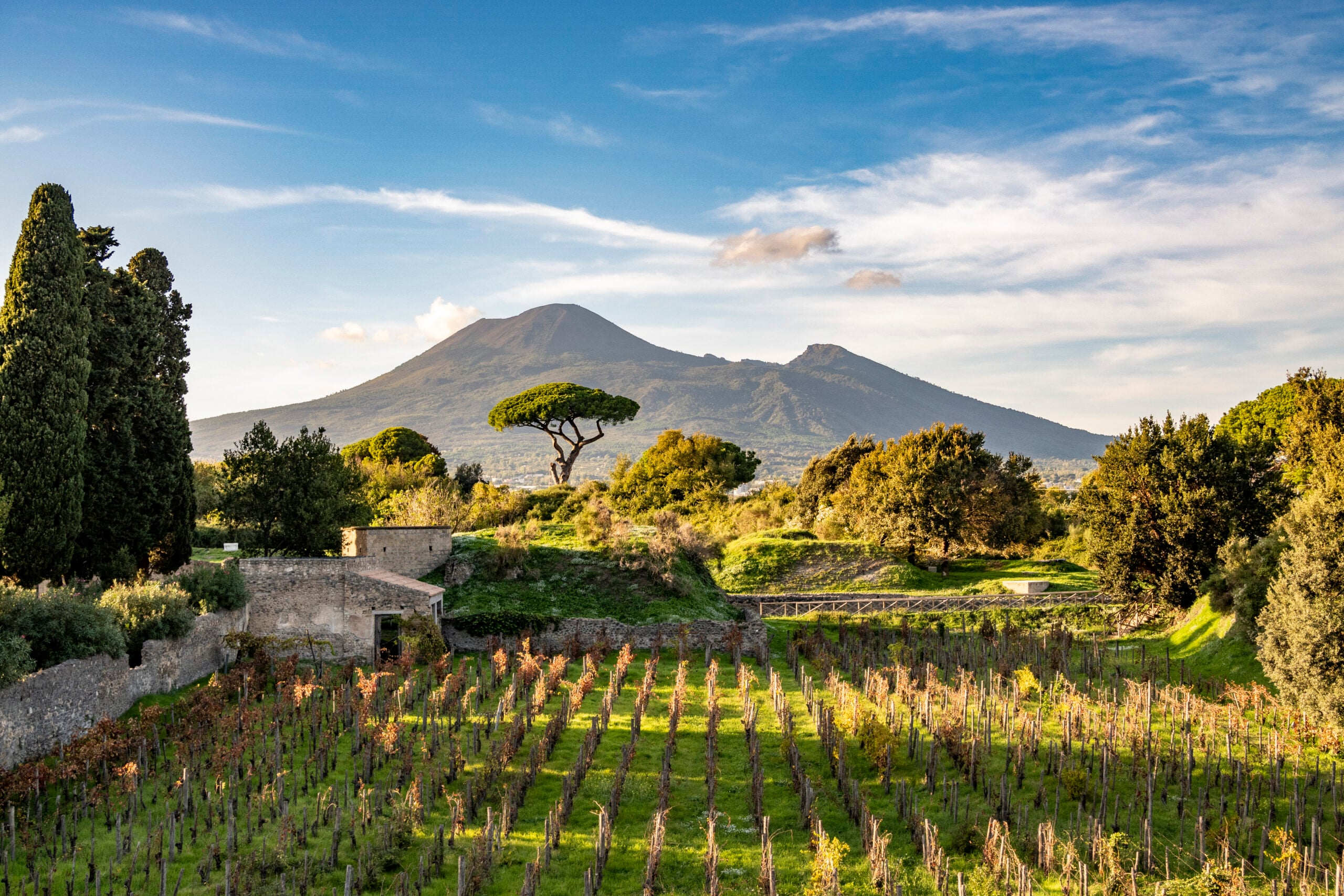
EU Agriculture Commissioner Christophe Hansen has proposed that the culture of wine and vine be officially recognized as UNESCO World Heritage, citing its deep roots in European and Italian tradition. While wine-related practices like Pantelleria’s 'vite ad alberello' and various vineyard landscapes are already protected, this new proposal seeks a broader, more unified cultural designation for the industry.

Flowery Films Whose Plant Life Lingers in the Mind

Ten prominent artists and designers have curated a selection of cinematic flora that has significantly influenced their creative practices. From the surreal, hand-shaped topiaries in *Edward Scissorhands* to the symbolic, scene-setting bouquets in *The Age of Innocence*, these creators analyze how botanical elements on screen transcend mere decoration to become vital narrative and aesthetic tools.

Chicago Art Movements Over The Years, From the Monster Roster to the Modern Moment

Chicago’s art history is defined by a series of indigenous movements that prioritized visceral, existential expression over commercial appeal. The article traces this lineage back to the late 1940s with the emergence of the Monster Roster, a group of artists including Leon Golub and Dominick Di Meo who returned from World War II to produce agonistic work. This movement was catalyzed by institutional resistance at the School of the Art Institute of Chicago, leading to the creation of the independent Momentum Exhibitions which bypassed conservative juried systems.