filter_list Showing 11 results for "HAM" close Clear
search
dashboard All 164 museum exhibitions 82article local 23trending_up market 20article news 12article culture 11person people 6rate_review review 4article policy 4gavel restitution 1candle obituary 1
date_range Range Today This Week This Month All
Subscribe

The 21st Century’s Biggest Art Trend is Not a Style. But Once You See It, You’ll Notice It Everywhere.

The article traces the evolution of "systems art," a term coined by critic Jack Burnham in 1968 to describe art that uses rules, seriality, and repetition to mirror and reveal the growing protocols of the Cold War era. It highlights early practitioners like Kenneth Noland, Robert Morris, Dan Flavin, and notably Hans Haacke and Adrian Piper, who shifted from atmospheric systems (e.g., Haacke's *Condensation Cube*) to social systems (e.g., Haacke's *Shapolsky et al. Manhattan Real Estate Holdings*). The piece argues that systems thinking has become unavoidable in contemporary life—from algorithms to systemic racism—and that art remains a crucial tool for making these invisible systems legible.
No Attitude, Nowhere: Conviction, Zero Meaning

Keine Haltung, nirgends Gesinnung, null Bedeutung

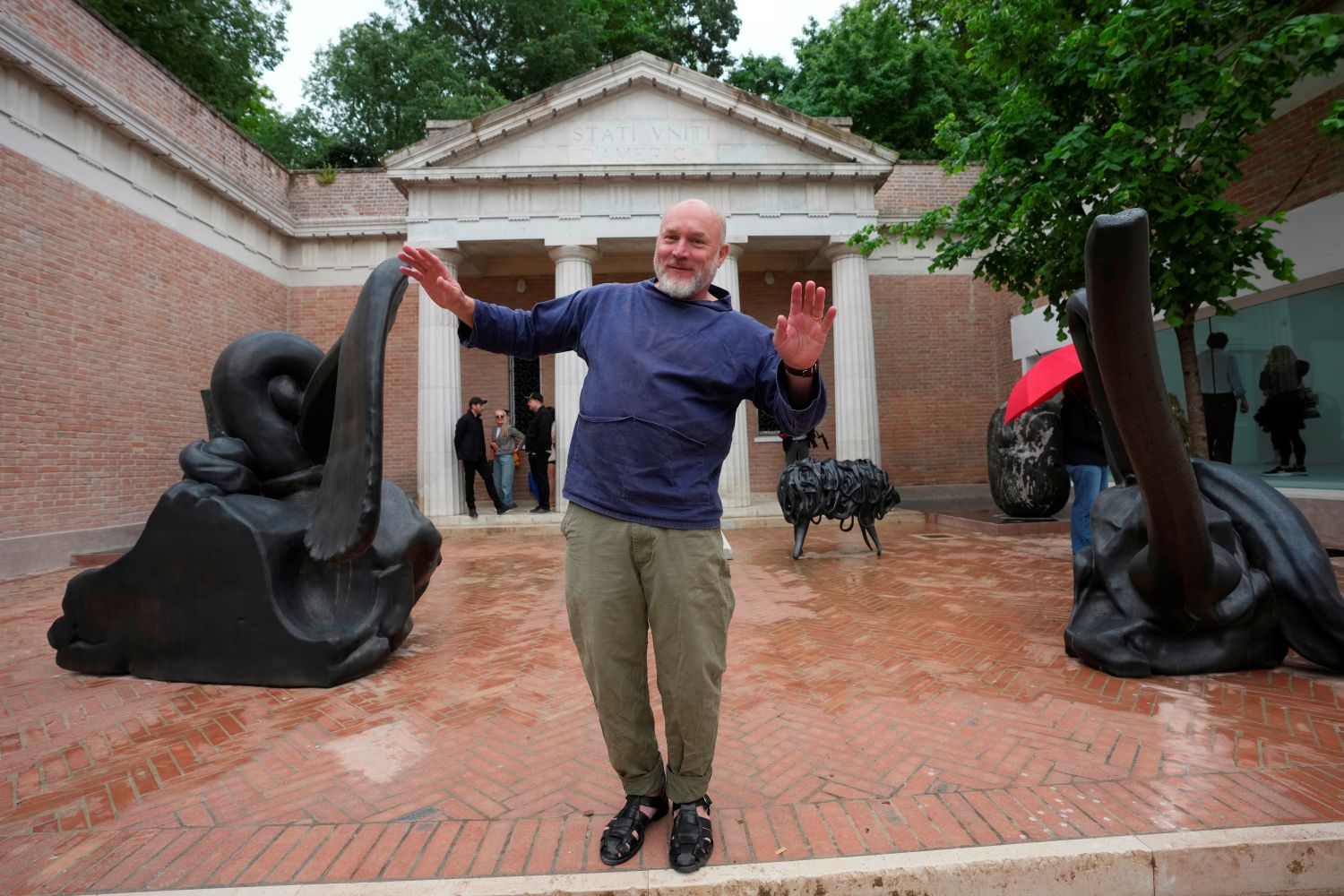
The article critiques the current state of the art world and broader culture, arguing that right-wing calls for depoliticized art are intensifying while the progressive art establishment silently tolerates a culture war that restricts free expression. It uses the 2025 Met Gala as a prime example, describing the event as a heartless display of wealth and power aligned with Trump-era capitalism, where celebrities and artists perform progressive values while participating in a spectacle sponsored by anti-union figures like Jeff Bezos. The author draws on Hannah Arendt's ethics lectures to suggest that moral norms have collapsed overnight, and that the commercial art world now legitimizes anti-democratic tendencies through its silence.

10 Artists to Follow if You Like Iris van Herpen

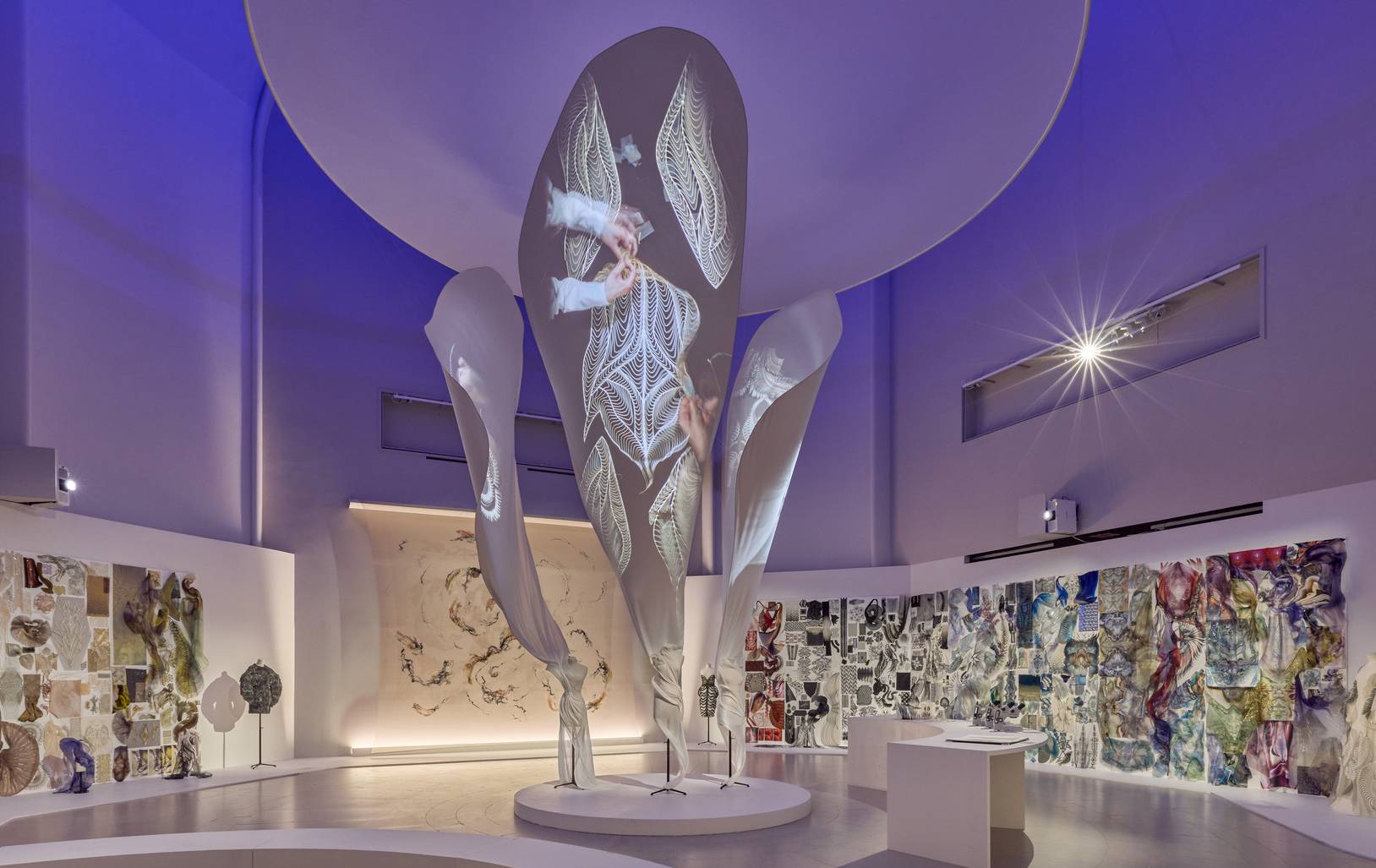
Artsy Editorial profiles 10 contemporary artists whose work aligns with the visionary, technology-driven approach of fashion designer Iris van Herpen. The article highlights van Herpen's career milestones, including her 2011 invitation to join the Chambre Syndicale de la Haute Couture, and her ongoing fusion of traditional craftsmanship with cutting-edge technology to create wearable art. It then presents a curated list of artists who similarly explore themes of organic form, digital fabrication, and the intersection of art and fashion.

The Contemporary Art Destinations Gallerists and Artists Have on Their Radar

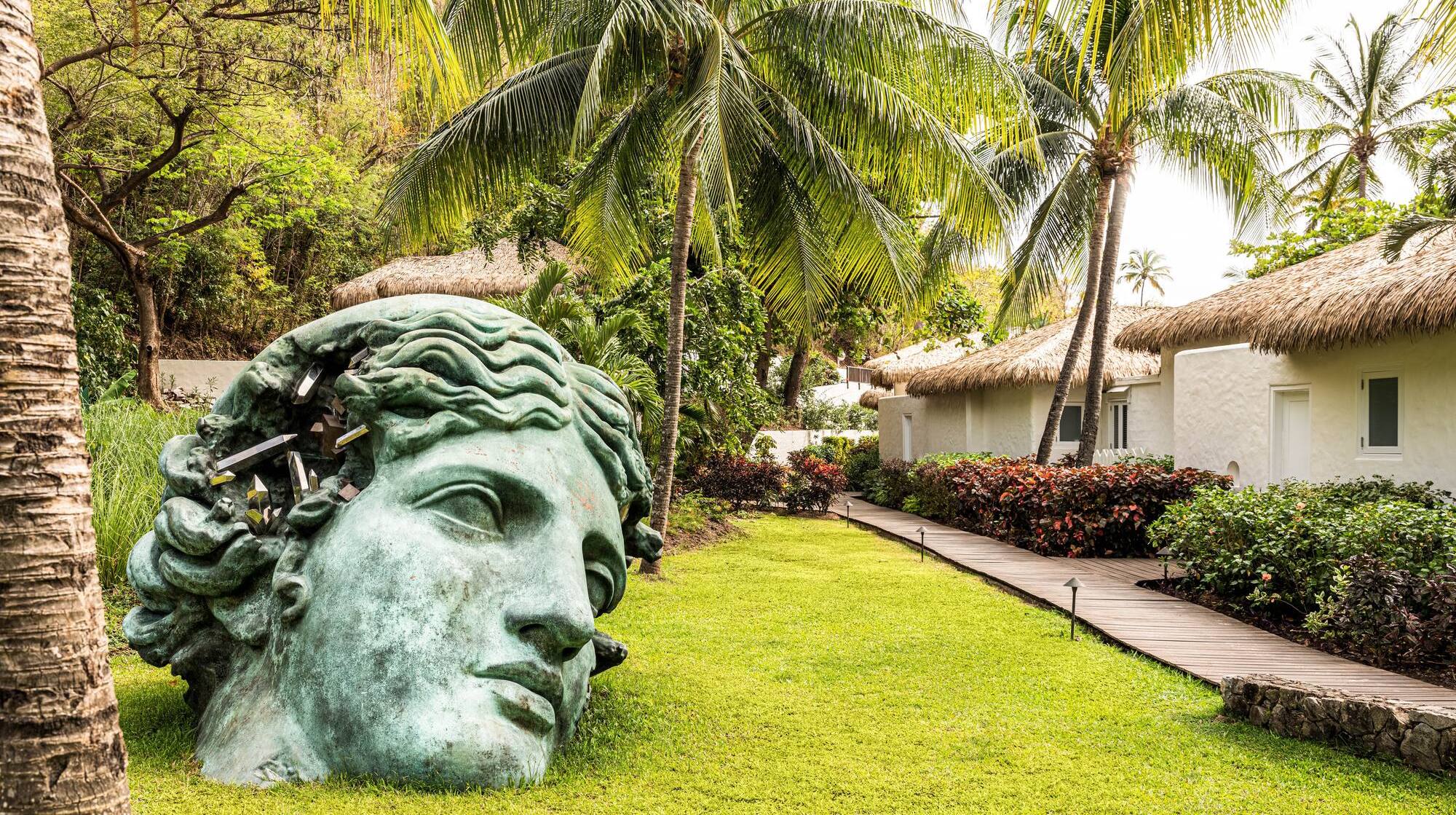
WWD asked top international gallerists, collectors, and artists to name the cities they find most exciting for contemporary art. Karen and Christian Boros recommend Naples and the Amalfi Coast, highlighting galleries like Galleria Giangiacomo Rossetti, Thomas Dane Gallery, and Lia Rumma, as well as Fondazione Morra Greco and Le Sirenuse hotel. Daniel Arsham points to Sugar Beach in St. Lucia for its large contemporary sculpture collection. Jean-Michel Othoniel champions South Korea, citing Seoul's Leeum Samsung Museum of Art, Kukje Gallery, and the Kiaf Seoul fair, plus the city of Busan. Emma Lavigne of the Pinault Collection names Venice, especially during the Biennale Arte di Venezia, as an essential destination.

We are in danger of losing our sense of community

"Wir drohen das Gespür für die Gemeinschaft zu verlieren"

Christophe Cherix, the new director of the Museum of Modern Art in New York, discusses his first months in the role, emphasizing museums as "safe social places" in an era of anxiety and screen-induced isolation. He advocates for collective vision-building with staff and defends the MoMA's independence against political pressure in Trump-era America. Separately, critic Paco Barragán argues in The Observer that biennials are in a structural crisis of repetition, tracing their history from instruments of national soft power to a "Global Neo-Liberal Biennial" system that co-opts diversity without changing its core logic. He introduces the concept of the "vibe-ennial," where discourse is replaced by atmosphere and critique by affect. Meanwhile, longtime Bonn museum director Stephan Berg critiques the boom in immersive art experiences like "Van Gogh – The Immersive Experience," calling them a "surrogate reality" tailored to the Instagram age that destroys the integrity of original works. Artforum reconstructs late-1960s debates on art criticism, focusing on Barbara Rose's challenge to formalists like Clement Greenberg and Rosalind Krauss, arguing that art must engage with societal conflicts such as Black Power and war resistance.

Two of Modernism’s Lesbian Icons Get the Novel Treatment

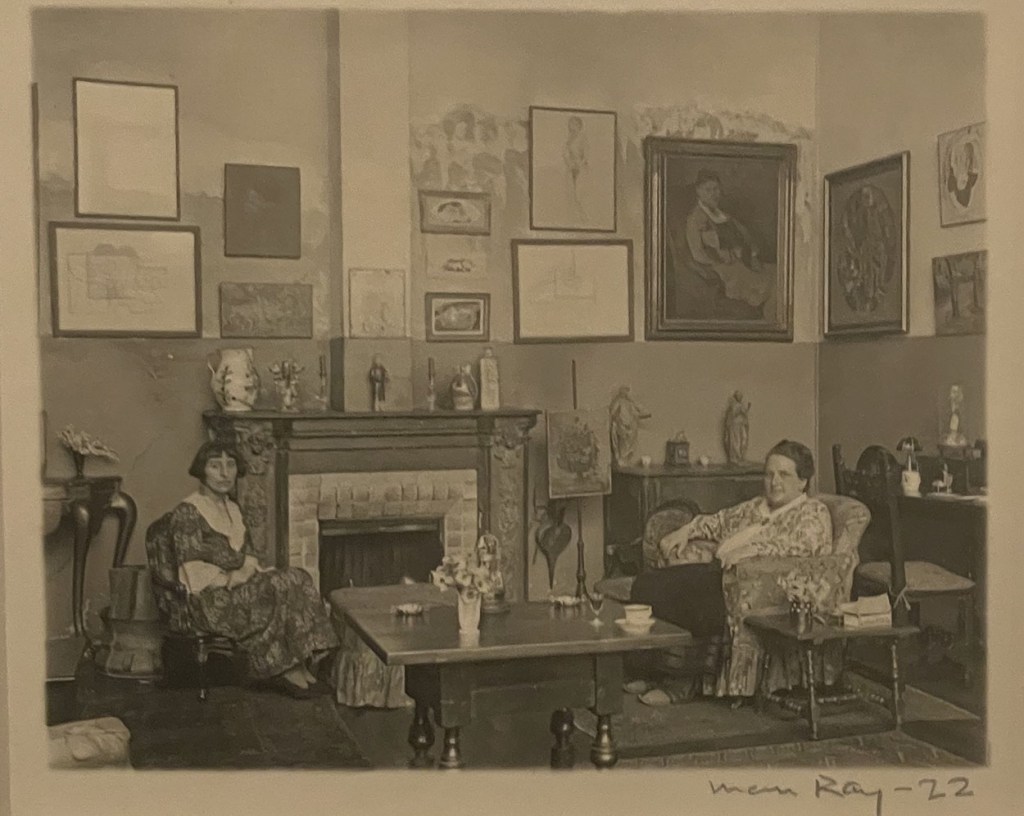
Deborah Levy's novel "My Year in Paris with Gertrude Stein" follows an unnamed narrator who travels to Paris to write an essay about Gertrude Stein, struggling with the weight of Stein's legacy while visiting her grave at Père Lachaise cemetery. The book explores Stein's life as a modernist icon, her relationship with Alice B. Toklas, and her role as a host to figures like Pablo Picasso and Ernest Hemingway, while the narrator grapples with Stein's defiant personality and literary style.

Shoot and branch: new photography book highlights the enduring majesty of trees

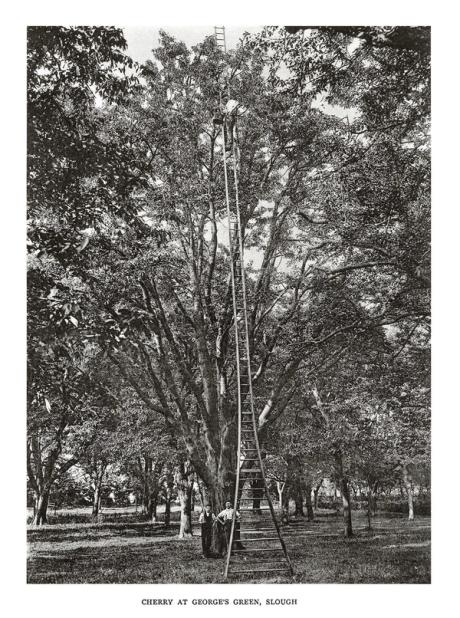
A new photography book, *Trees of Great Britain and Ireland*, reproduces over 60 photographs originally taken between 1906 and 1913 for Henry John Elwes and Augustine Henry's ambitious seven-volume catalogue of tree species. The images, mostly by uncredited photographers, were printed using a collotype process by the Autotype Company and are now newly lithoprinted to preserve their tonal subtlety. The book includes an introduction by Michael Pritchard and notes by photographic historian Björn Andersson, highlighting the historical and aesthetic significance of these botanical photographs.

Stripteases, ecstatic embraces and a dog in a dress: the full-on photos celebrating queer dancefloors worldwide

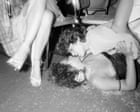
A new photo book titled *Sex, Clubs, Dissent: Visualising Queer Nightlife*, edited by writer Amelia Abraham, collects photographs from the 1960s to today that document queer nightlife around the world. The anthology features works by artists such as Wolfgang Tillmans, Sunil Gupta, Kia LaBeija, Phyllis Christopher, Roxy Lee, Ajamu X, and Del LaGrace Volcano, alongside images from trans community archives in Mexico City and Buenos Aires. The book is organized into sections on sex, clubs, and dissent, and includes a range of media from film stills to a Grindr screenshot, aiming to capture the messy, sexy, and politically charged atmosphere of queer social spaces.

Steven Soderbergh, the Colors of Money

Steven Soderbergh, les couleurs de l’argent

Steven Soderbergh's new film "The Christophers" (2025) is a sharp, chamber-piece drama about art, inheritance, and money. The story follows Julian Skar, a former art superstar from the 1970s now living in seclusion and earning a living by caricaturing himself on social media. His children, Barnaby and Sally, eager to maximize their future inheritance, hire a repentant forger named Lori Butler to secretly complete Julian's unfinished masterpiece, an eight-portrait series titled "The Christophers." The film explores the complex relationships that develop between the four characters in a labyrinthine London house, written in the style of a lively theatrical play.

Required Reading

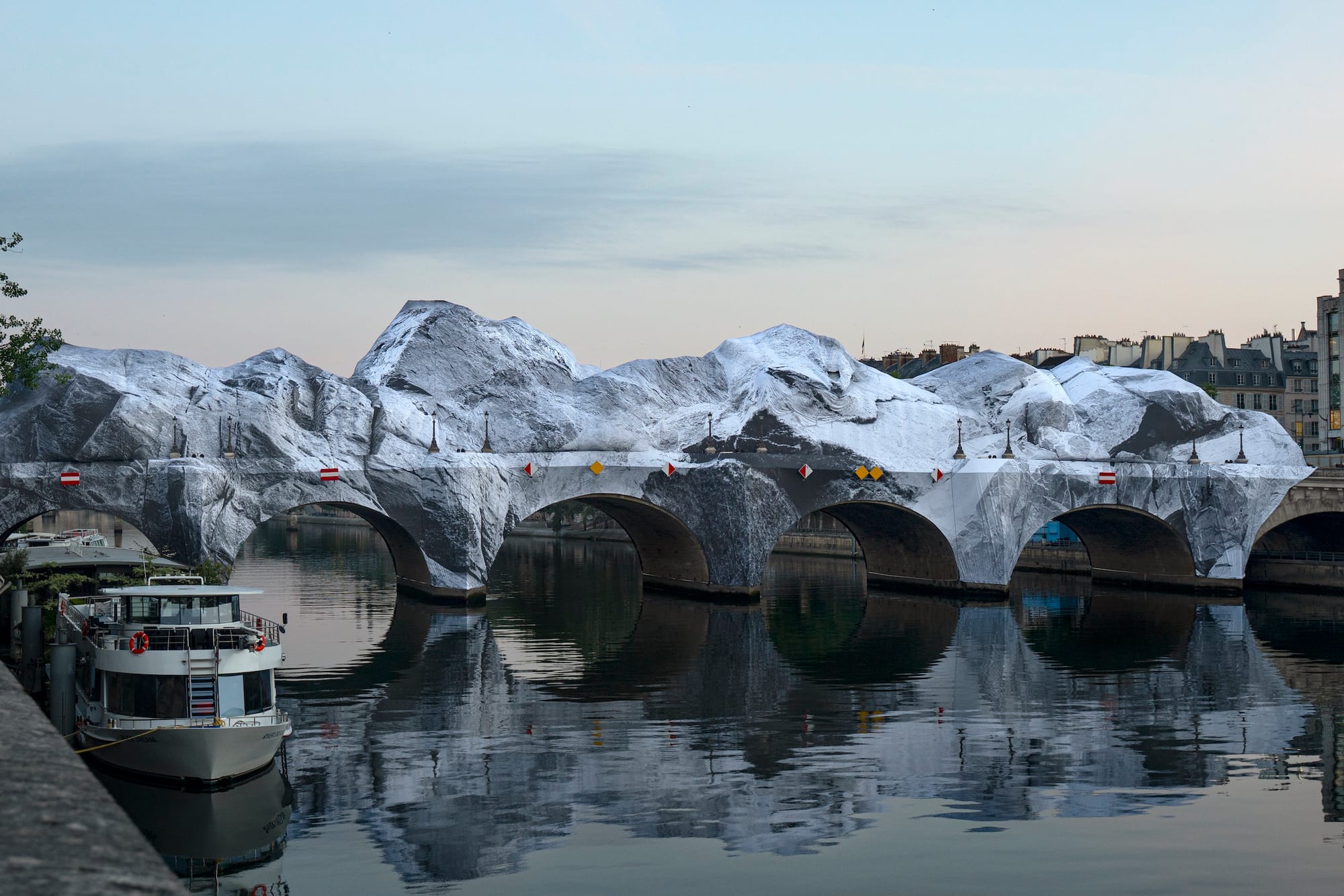
This week's Required Reading roundup from Hyperallergic covers a diverse range of art-world stories. French photographer JR has unveiled "La Caverne du Pont Neuf Paris" (2026), an optical illusion installation that transforms the pathway across the Seine into a black-and-white mountain range cave, paying homage to Christo and Jeanne-Claude's 1985 wrapping of the same bridge. Other highlights include architecture scholar Karrie Jacobs investigating a New York waterfront walking initiative for The Nation, curator Tara Contractor writing in Apollo about James McNeill Whistler's use of metallic pigments influenced by Japanese traditions, and Rob Corsini interviewing Amelia Abraham about their new book celebrating photography of queer nightlife for Dazed.

A Water Lily is a Water Lily is a Water Lily

Eine Seerose ist eine Seerose ist eine Seerose

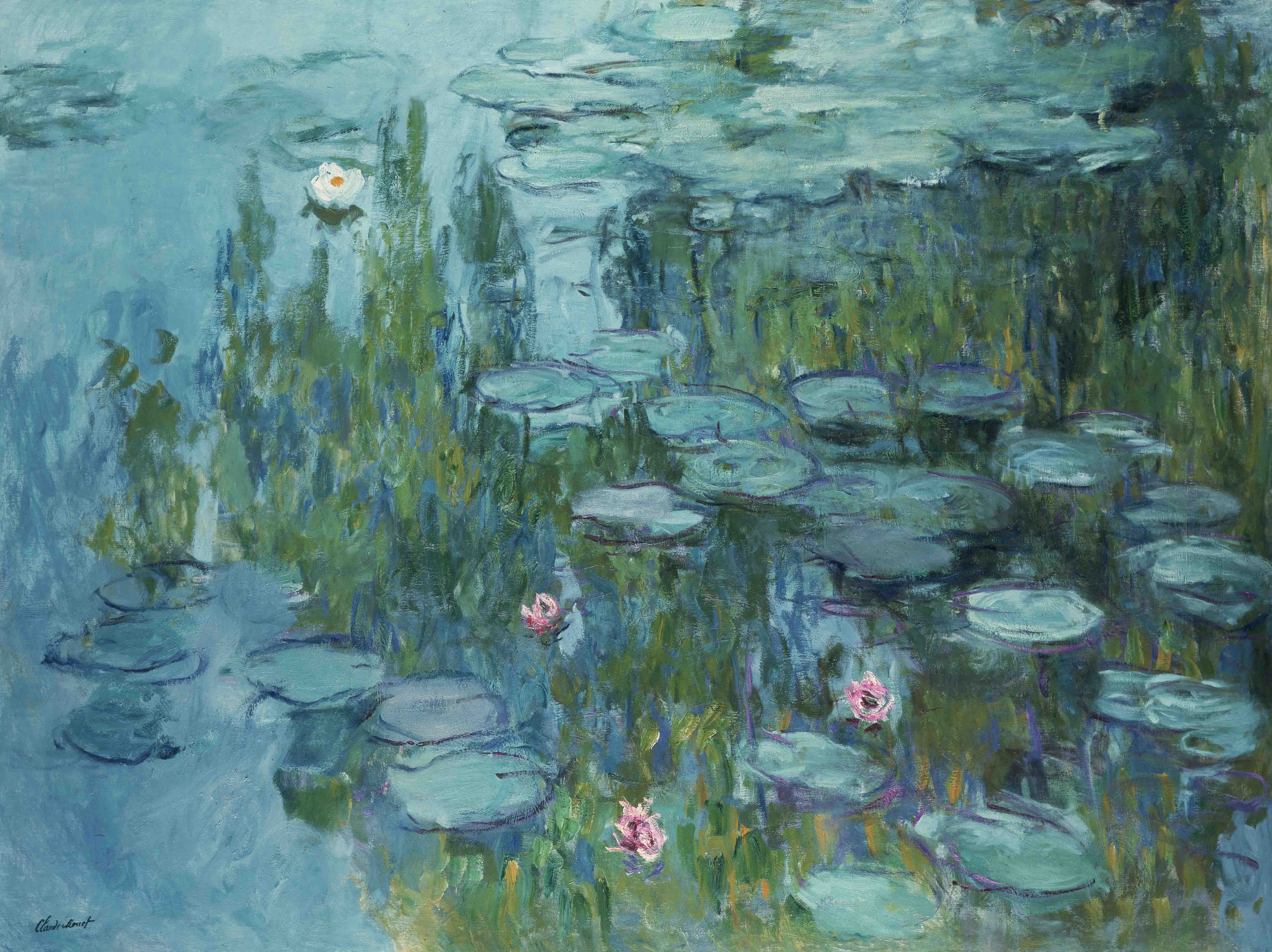
Anonymous internet artist SHL0MS posted an image of a Monet water lily painting on X, falsely claiming it was AI-generated. Thousands of users criticized the image's aesthetics, after which SHL0MS revealed it was actually a real Monet. He then minted the image as an NFT, sold it for around $40,000, and framed the entire episode as a conceptual artwork titled "Inferior Image," claiming it critiques online disinformation and debate culture.