filter_list Showing 4 results for "Houston" close Clear
search
dashboard All 52 museum exhibitions 31article local 5article news 5article culture 4person people 3gavel restitution 2article policy 1rate_review review 1
date_range Range Today This Week This Month All
Subscribe

From high BMI to the ‘GLP-1 look’: how weight-loss jabs are changing the face of beauty

Researchers and art historians are examining how weight-loss drugs like Wegovy and Mounjaro are reshaping ideals of beauty in art. Prof. Rosalind Gill and Dr. Michael Yafi argue that the rapid fat loss caused by GLP-1 medications produces a distinctive gaunt facial appearance—dubbed 'GLP-1 face'—which could become a new aesthetic standard reflected in contemporary art, similar to 'heroin chic' in the 1990s. Yafi presented his findings at the European Congress on Obesity, noting that while artists like Fernando Botero continue to celebrate fuller figures, future artworks may increasingly depict thin individuals with hollowed features.
Let’s dress like a Mark Rothko! How gen Z fell for the king of colour field paintings

Mark Rothko, the abstract expressionist known for his color field paintings, is experiencing a cultural resurgence among Generation Z on social media platforms like TikTok and Instagram. Videos inspired by his work amass hundreds of thousands of views, with creators styling outfits based on his canvases, assigning his paintings to personality archetypes, and comparing his palettes to dream pop bands like the Cocteau Twins. The Rothko Chapel in Houston, Texas, has also seen a wave of curious young visitors drawn to the meditative, confrontational experience of his art.

The Artists Who Put Their Bodies Into the Work

This article from Google News, dated May 3, 2026, profiles a selection of artists who have used their own bodies as central elements in their work. It draws a connection to the Metropolitan Museum of Art's spring Costume Institute exhibition, "Costume Art," which places fashion in dialogue with other artworks. The roundup includes Marina Abramović, known for her 2010 MoMA performance "The Artist Is Present"; Chris Burden, who staged dangerous works like "Shoot" (1971); David Hammons, creator of the "Body Prints" series; Frida Kahlo, whose painting "The Broken Column" (1944) depicts her own physical pain; Ana Mendieta, whose "Silueta" series used her figure in the landscape; and Yoko Ono, a conceptual artist with a significant body-based practice.

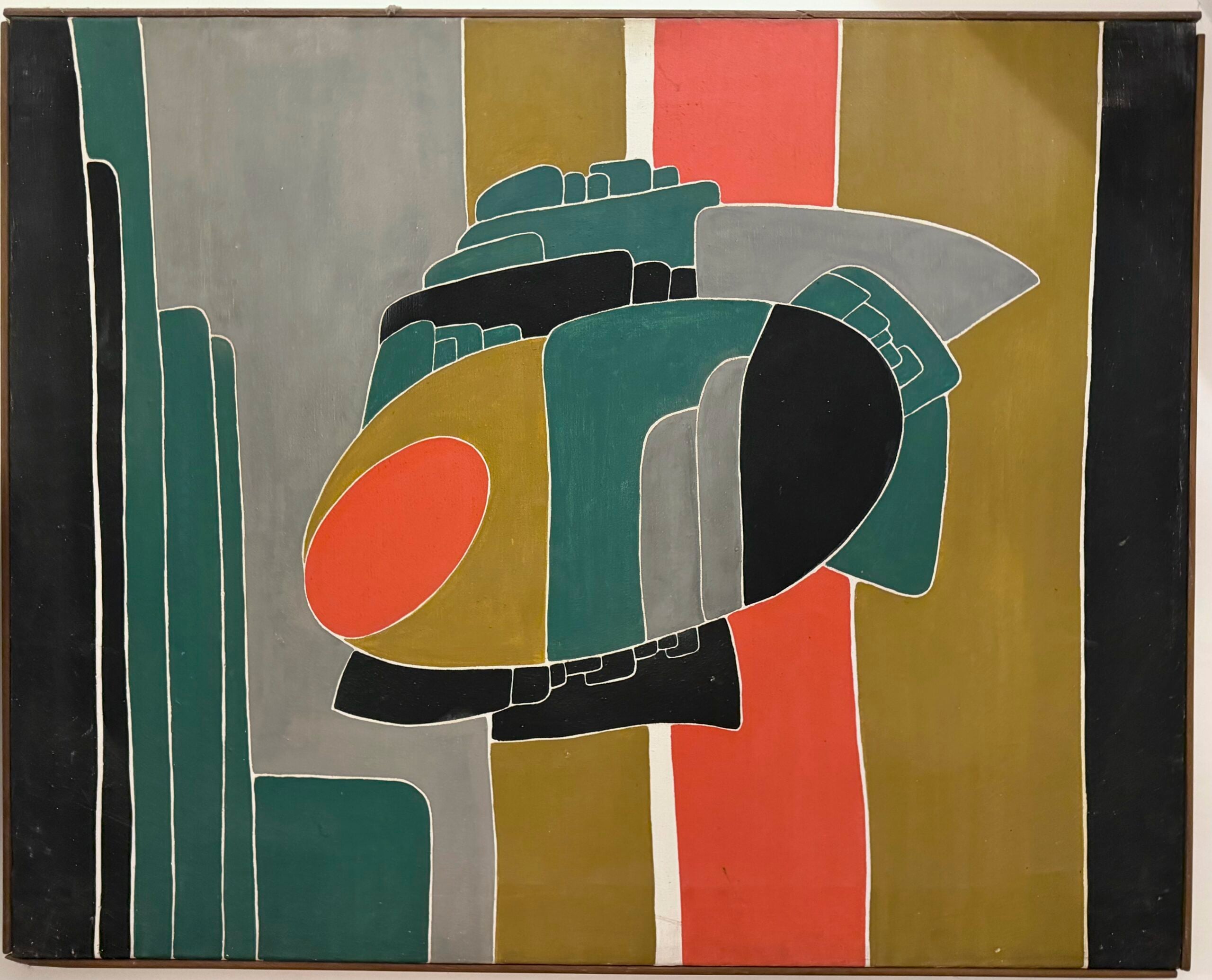
The Forgotten of Art: The Story of Artist Valeria Alberti

I dimenticati dell’arte. La storia dell’artista Valeria Alberti

Valeria Alberti (1930-2011), a courageous, rebellious, and nonconformist Italian artist, had a brief but intense career before disappearing from the art world. Recent research by scholar Manuel Barrese reconstructs her trajectory as the only woman in a circle of artists and intellectuals around poet Emilio Villa and the Galleria Appia Antica. Alberti debuted in 1957 alongside Alberto Sartoris, collaborated with ceramist Mario Molli, and created painted panels for the transatlantic liners Leonardo Da Vinci and Michelangelo. She exhibited at Galleria Ferro di Cavallo and Galleria Azimuth, and received Piero Manzoni's Certificate of Authenticity No. 26 in 1961. Her later work included geometric metal sculptures, but she ultimately vanished from the art scene.