filter_list Showing 15 results for "Interview" close Clear
search
dashboard All 45 article culture 15museum exhibitions 14article news 6person people 6candle obituary 2article policy 1trending_up market 1
date_range Range Today This Week This Month All
Subscribe

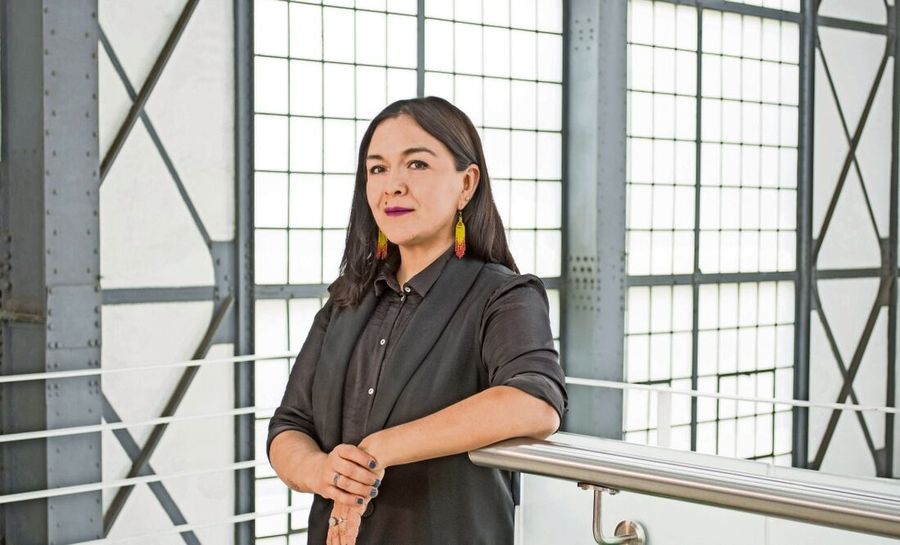
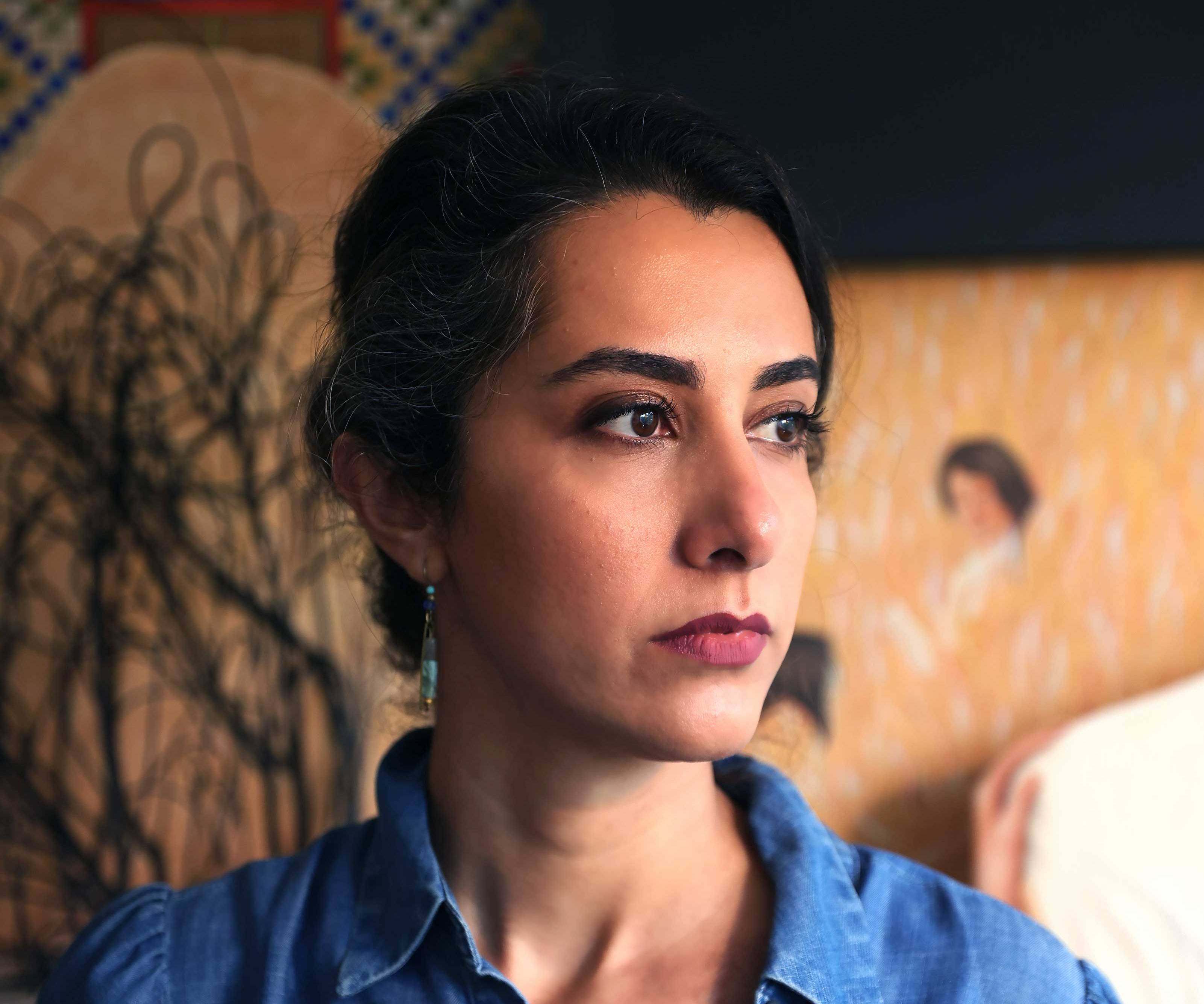
Arghavan Khosravi’s Intricate Paintings Find Hope amid Oppression

Arghavan Khosravi creates intricate, surreal three-dimensional paintings that blend sculptural elements with painted canvases, featuring hidden details such as creased book spines, concealed female figures, and glowing bullets. In an interview at her Connecticut studio, she explains her preference for works that reveal themselves gradually over time, rather than shouting for attention.
The Interview: Steven Soderbergh

Steven Soderbergh discusses his new film *The Christophers* (2025), which follows a cantankerous artist and his young assistant tasked with forging his unfinished works, exploring themes of authorship, originality, and the ethics of art-making. In an interview with ArtReview, Soderbergh also addresses his recent use of AI in a documentary about John Lennon, defending the technology as a creative tool akin to his own filmmaking process, and reflects on his career spanning genres from indie dramas to studio blockbusters.

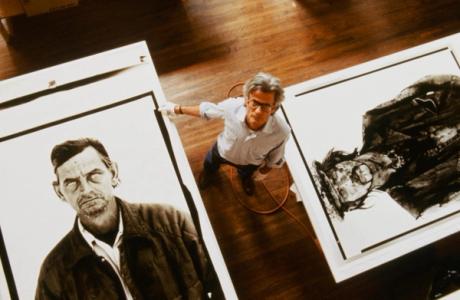
New Richard Avedon documentary chronicles how he shaped the evolution of photography

Imagine Documentaries, the nonfiction arm of Ron Howard and Brian Grazer's Imagine Entertainment, premiered a new documentary about photographer Richard Avedon at the Cannes Film Festival on May 17. The film, co-produced by the Richard Avedon Foundation, draws heavily from archival interviews conducted by Helen Whitney for the PBS series *American Masters*, supplemented by new interviews with Avedon's son John, muse Lauren Hutton, Isabella Rossellini, Twyla Tharp, and former *New Yorker* colleagues Tina Brown and John Lahr. The documentary explores Avedon's career, his technique of building rapport with subjects, and his iconic images such as *Dovima with Elephants*, which dealer Larry Gagosian notes sold for $2 million.

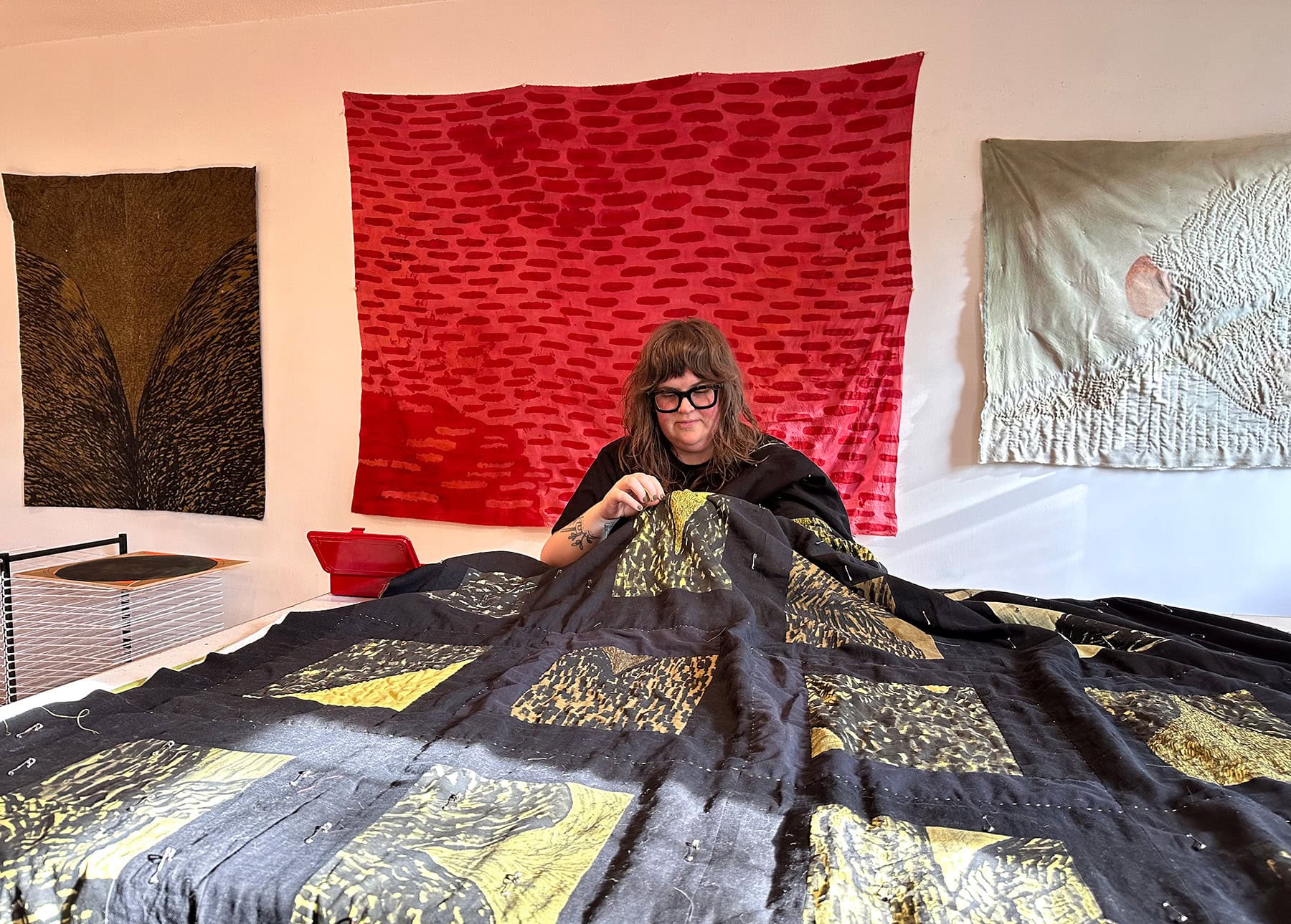
In the Studio with Casey Engel

Casey Engel, an artist based in Asheville, North Carolina, is profiled in her studio, where she creates ceramic, fiber, and paper works that blend craft traditions with avant-garde sensibilities. The article, structured as an interview with writer Merin McDivitt, explores Engel's tactile process—from pinching clay to hand-stitching quilts—and her emphasis on touch, intuition, and the tension between functionality and art. Engel previously curated over sixty shows at Blue Spiral 1 before dedicating herself full-time to her own practice.

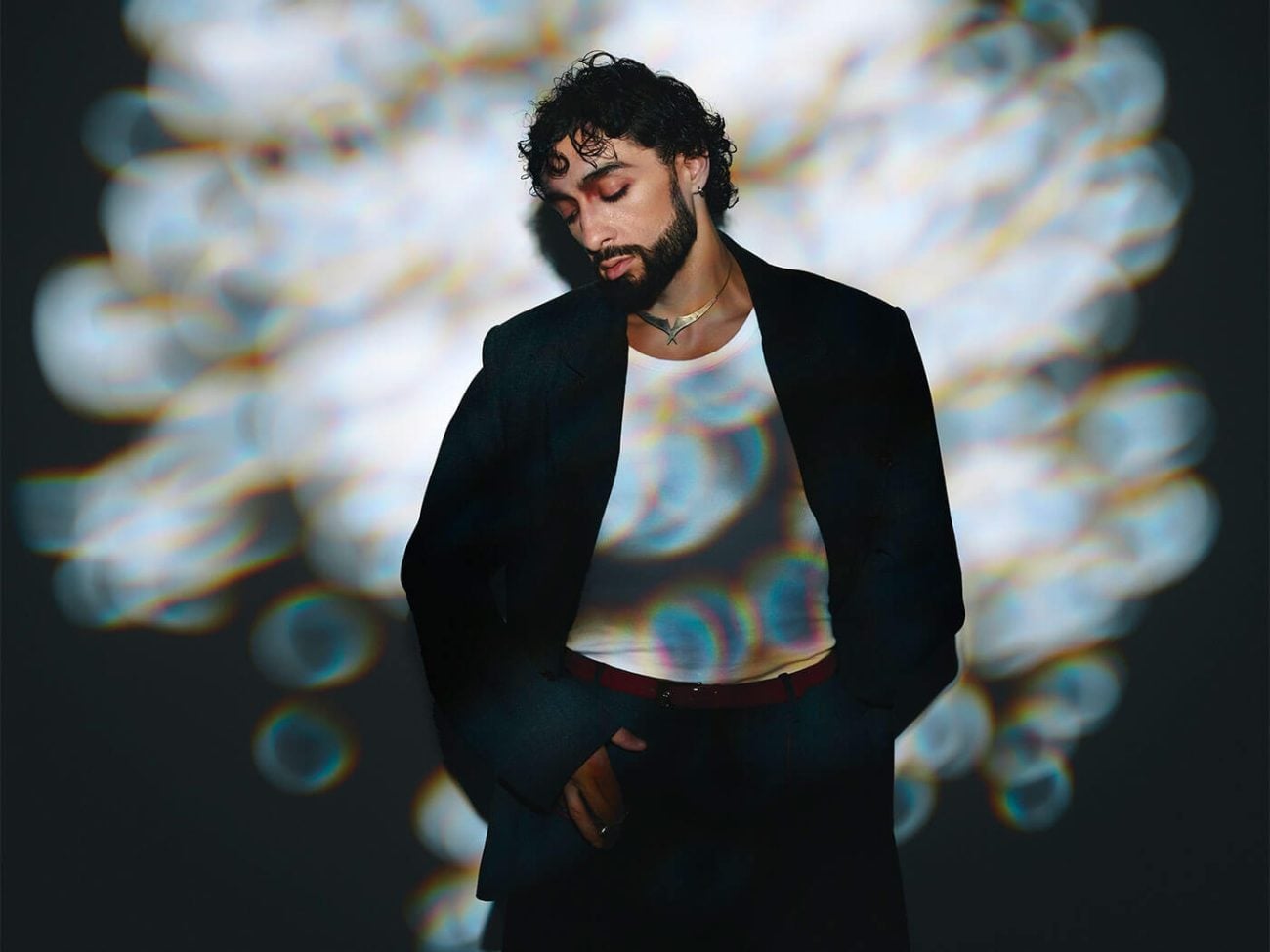
Sofiane Pamart: 'With my piano, I sculpt sound matter'

Sofiane Pamart : « Avec mon piano, je sculpte la matière sonore »

French pianist Sofiane Pamart discusses his creative process in an interview with Beaux Arts Magazine, explaining how his music is inspired by contemplative cinema, particularly the films of Takeshi Kitano and Wong Kar-wai. He describes his approach to composition as sculpting sound, drawing parallels to impressionist painting and the works of sculptors Auguste Rodin and Camille Claudel. Pamart also expresses a preference for art that interacts with nature, citing the open-air museum of sculptor Anachar Basbous in Lebanon as an example.

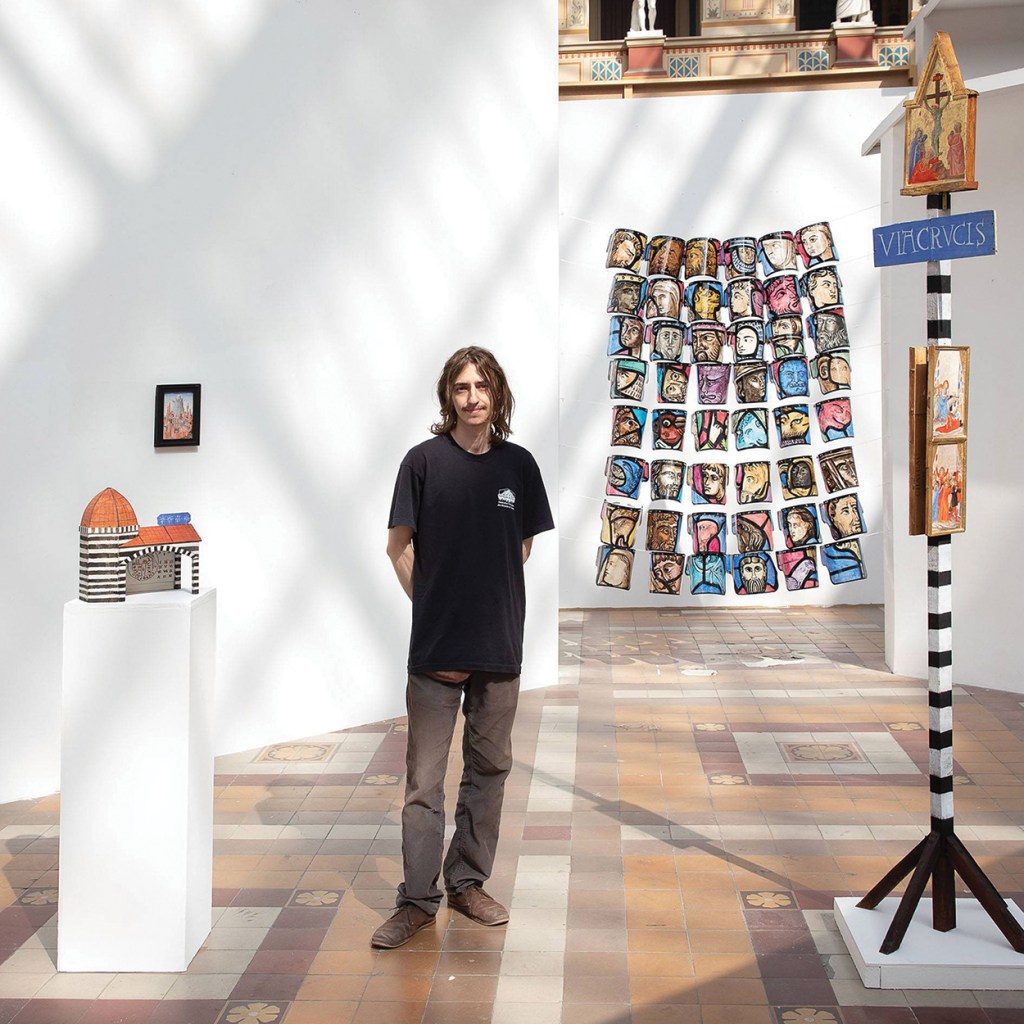
Malo Chapuy Reimagines Medieval Art on the Cover of our New Talent Issue

Malo Chapuy's painting *Virgin with Codex* (2025) appears on the cover of Art in America's new talent issue. In an interview from his Paris studio, Chapuy explains how he reinterprets medieval and early Renaissance Flemish painting by mixing its motifs with contemporary and sci-fi elements, such as gothic cathedral spaceships and QR codes designed to function like medieval manuscripts for future postapocalyptic monks. He describes his process as making "forgeries," using traditional techniques like oil on wood panels, homemade lead white, and self-carved frames to mimic aged Old Master works while addressing themes of ecological collapse, apocalyptic anxiety, and planetary exile.

Art Lovers Movie Club: Elisabeth Brun, ‘Big Tech Blues’, 2025

ArtReview's Art Lovers Movie Club presents Elisabeth Brun's film 'Big Tech Blues' (2025), an auto-documentary that follows a small village in northern Norway as it resists the installation of a SpaceX Starlink 'Gateway' transmission site. The film blends personal essay, documentary footage, and interviews with residents who protest the hub over concerns about noise pollution, radiation, and environmental impact on the rural coastline. Brun contrasts slick Starlink promotional material with slow, intimate scenes of the landscape and community organizing on Facebook, highlighting the irony of using digital tools to fight digital infrastructure.

SOL HENARO: “BAJAR LA VELOCIDAD ES POLÍTICO Y, AUNQUE CUESTA MUCHO, HAY QUE SEGUIR INTENTÁNDOLO”

Sol Henaro, director of the Museo Universitario del Chopo in Mexico City, argues in an interview for Artishock Revista that museums must resist neoliberal pressures to accelerate production, spectacularize content, and convert cultural experience into immediate consumption. She advocates for the museum as a space of plurality, deceleration, and critical thought, emphasizing the need for horizontal, careful practices that allow for dissent and coexistence. The interview is part of a series on International Museum Day featuring directors from Latin American and Ibero-American institutions.

From men on dog leads to public breast-fondling, Valie Export’s art demanded a total feminist revolution

Valie Export, the pioneering Austrian feminist artist known for her provocative and confrontational performances from the 1960s onward, is the subject of a reflective essay by writer and academic Hettie Judah. The article revisits Export's radical works such as *Hyperbulia* (1973), where she crawled naked through electrified wires; *From the Portfolio of Doggedness* (1968), in which she led a man on a dog lead through Vienna; and *Action Pants: Genital Panic* (1969), where she walked through a cinema with exposed genitals. Judah draws on her own interviews with Export, who died in 2023, and discusses the artist's manifesto demanding that women use art to reshape consciousness and achieve liberation.

The Finale Cut: Lucio Fontana e la sua arte al cinema

A new documentary titled "The Final Cut" explores the life and artistic journey of Lucio Fontana, the Italian-Argentine artist famous for his slashed canvases (Concetti Spaziali). Produced by Good Day Films and Nexo Studios, directed by Andrea Bettinetti and narrated by Miriam Leone, the film will screen in Italian cinemas on May 25–27 as part of the "La Grande Arte al Cinema" season. It features archival footage, interviews with artists such as Doug Wheeler, Antony Gormley, Carsten Höller, Alfredo Jaar, Michelangelo Pistoletto, Heinz Mack, and scholars Luca Massimo Barbero and Daniela Alejandra Sbaraglia, highlighting Fontana's revolutionary approach and his first immersive installation, "Ambiente Spaziale a luce nera" (1949).

Being a Street Photographer. Interview with Simone Morelli, the Artist of Slowness

Essere street photographer. Intervista a Simone Morelli, l’artista della lentezza

Simone Morelli, a street photographer born in Rome in 1987, discusses his slow, analog approach to photography in an interview with Artribune. He began after receiving a Praktica film camera as a gift in Sweden in 2012, and was captivated by the process of shooting and printing on film. Morelli describes his method as instinctive yet deliberate, often working on long-term projects that build a coherent visual narrative rather than seeking single 'beautiful' images. He cites Josef Koudelka as a key influence and emphasizes the importance of patience and reflection in an era dominated by fast, digital imagery.

WUF13: Director of National Art Museum explains how art shapes cities and urban change [INTERVIEW]

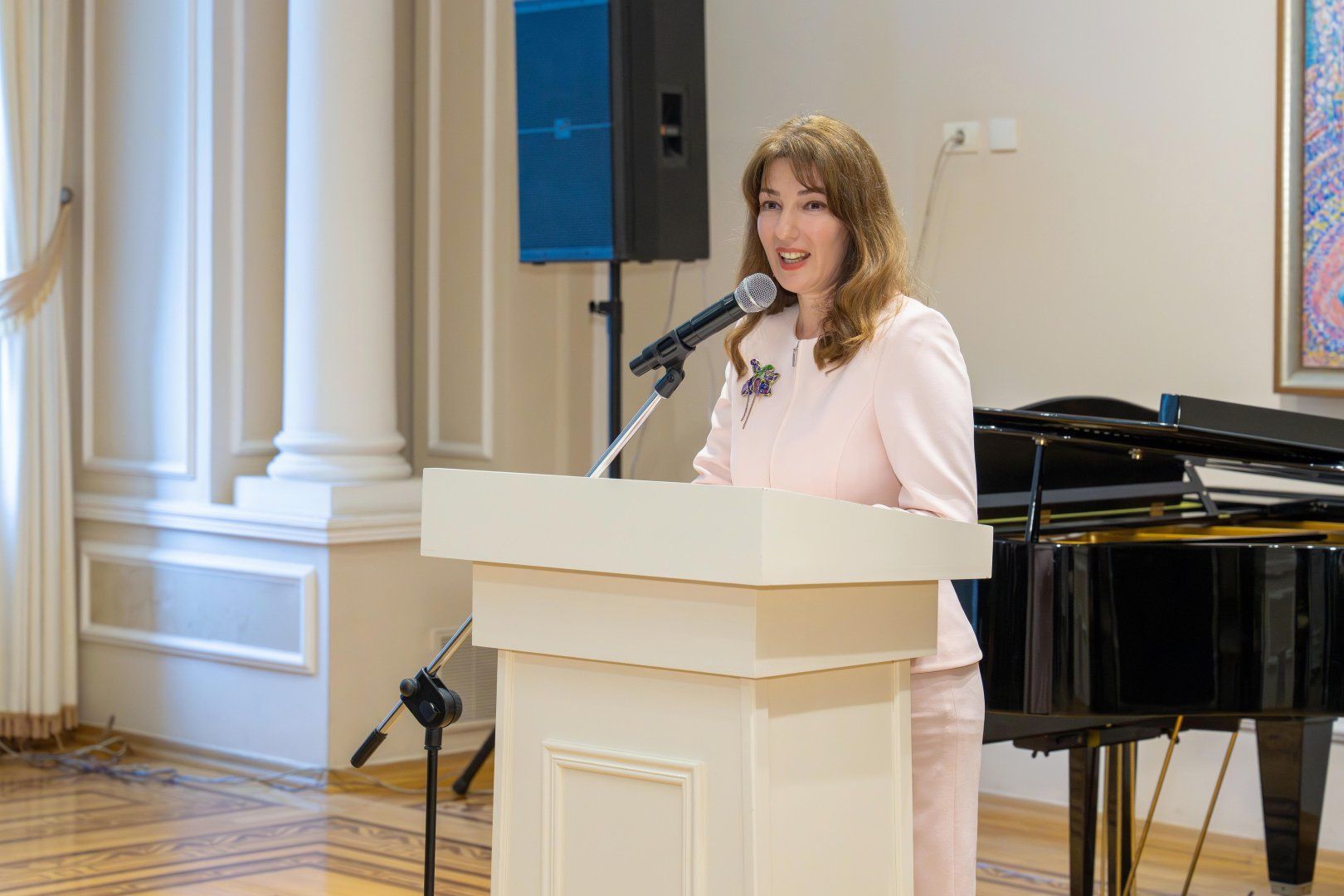
At the 13th session of the World Urban Forum (WUF13) in Baku, Shirin Malikova, director of the Azerbaijan National Art Museum, gave an interview discussing how art reflects and shapes urban development. She cited historical examples such as Bernardo Bellotto's 18th-century vedute paintings, which were used to reconstruct Warsaw's historic center after WWII, and the Eiffel Tower, originally a temporary installation that became a permanent symbol of Paris. The museum also presented an exhibition at the forum focusing on Baku's transformation across different eras, highlighting how art captures the multilayered history and cultural identity of cities.

Lifting Belly, Soft Bodies: Zuzanna Szary Talks with Wojciech Szymański

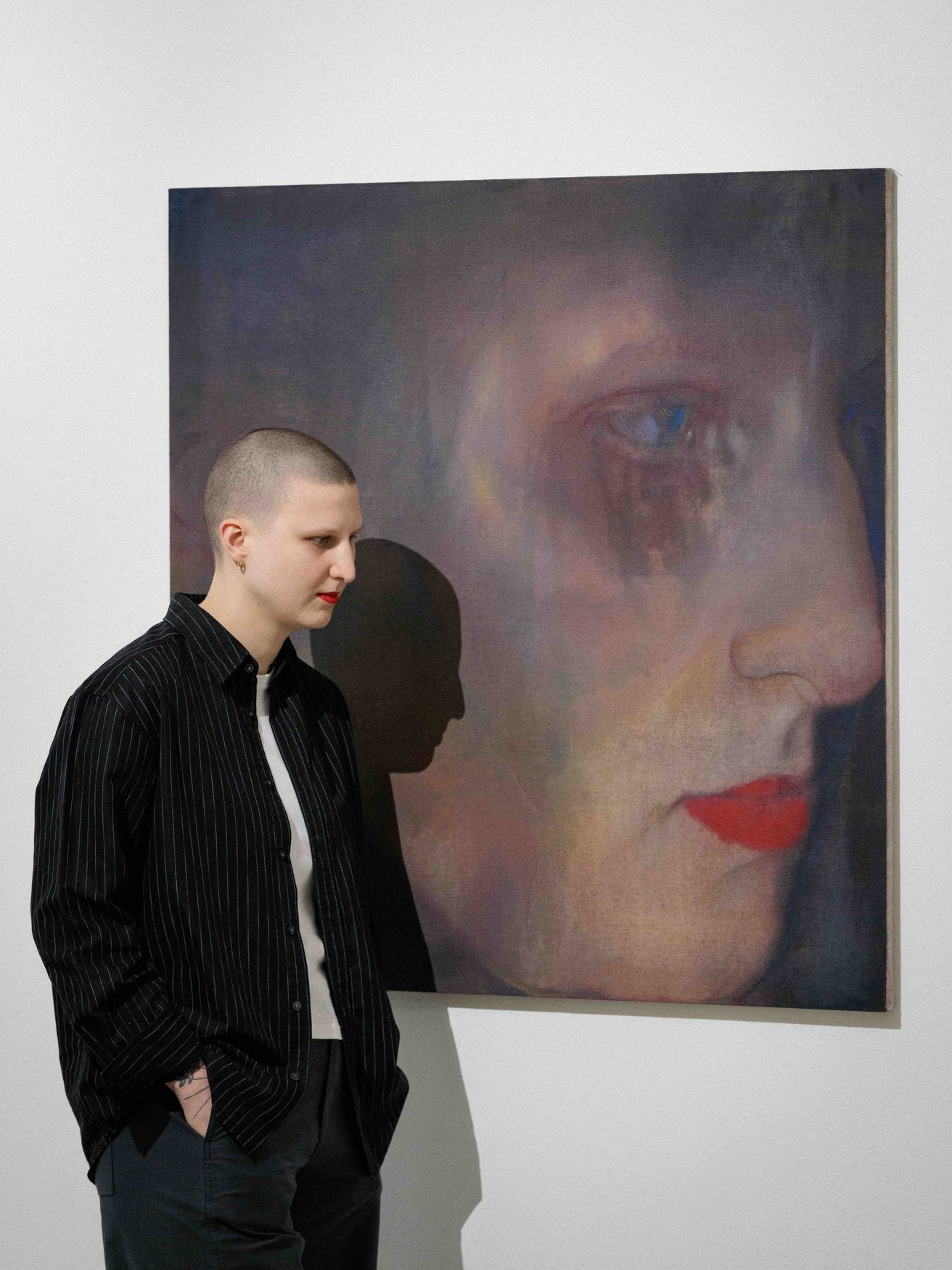
Polish painter Zuzanna Szary discusses her artistic journey and the intersection of queer identity, domesticity, and painting in an interview with Wojciech Szymański. Szary recounts discovering her lesbian identity in junior high and turning to painting after a period of clinical depression, eventually studying at the Academy of Fine Arts in Krakow. Her work, which has evolved from portraits of partners to still lifes centered on food and home, explores themes of softness, sensuality, and the politics of the body, drawing inspiration from figures like Gertrude Stein and Alice B. Toklas.

Artist Isaac Spellman on creating spaces for the misunderstood through art

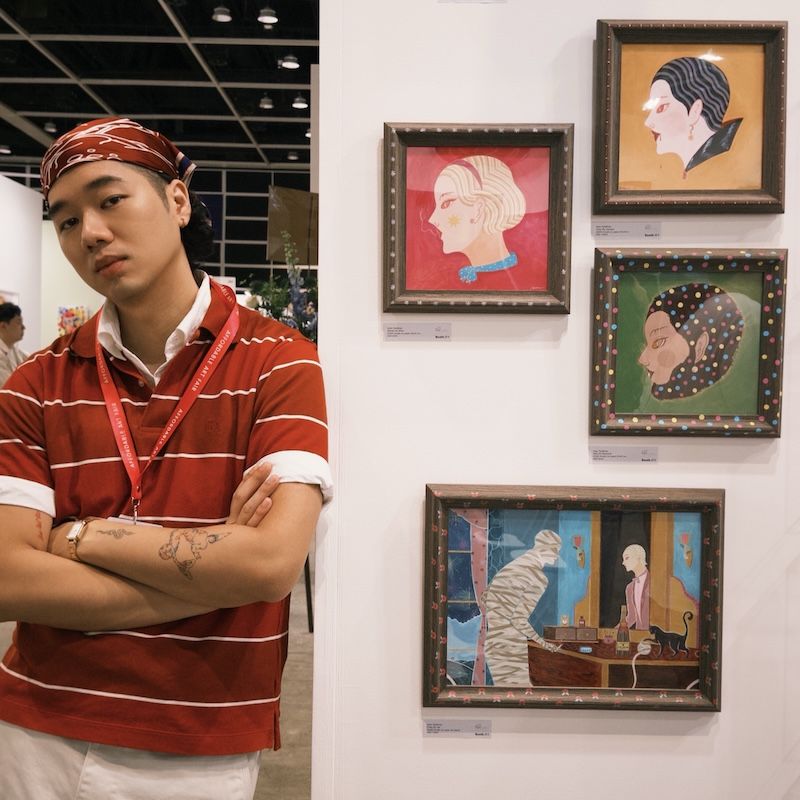
Artist Isaac Spellman discusses his creative practice and upcoming presentation at the Affordable Art Fair 2026 in an interview. Spellman, whose style blends Art Deco graphic posters with elements of Chinese gongbi silk painting, has attracted commercial clients including Louis Vuitton, Cartier, and Bang & Olufsen. For the fair, he will debut two original series: "Red, White, Bright and Young," inspired by London's Bright Young Things of the 1920s and their queer-inclusive social scene, and "Pretty Monster," which portrays whimsical monsters embracing their differences.

NICOLÁS GÓMEZ ECHEVERRI: “LA TRASCENDENCIA DEL MUSEO ES VULNERABLE A LA IMPOSICIÓN DE MODAS POR PARTE DEL ALGORITMO”

Nicolás Gómez Echeverri, director of the Unidad de Artes y Otras Colecciones at the Banco de la República de Colombia, reflects on the challenges facing museums in Iberoamérica in an interview published for International Museum Day. He oversees institutions including the Museo de Arte Miguel Urrutia (MAMU), the Museo Botero, and the Casa de Moneda. Gómez Echeverri describes the museum as a "radar" that captures decentralized artistic practices and integrates them into collective narratives, while emphasizing the need for mediation, public debate, and long-term cultural projects amid economic constraints and the pressures of digital immediacy.