filter_list Showing 32 results for "Israel" close Clear
search
dashboard All 508 article news 225museum exhibitions 130article policy 60article culture 32trending_up market 19article local 10person people 9candle obituary 9gavel restitution 6rate_review review 6article events 1article event 1
date_range Range Today This Week This Month All
Subscribe

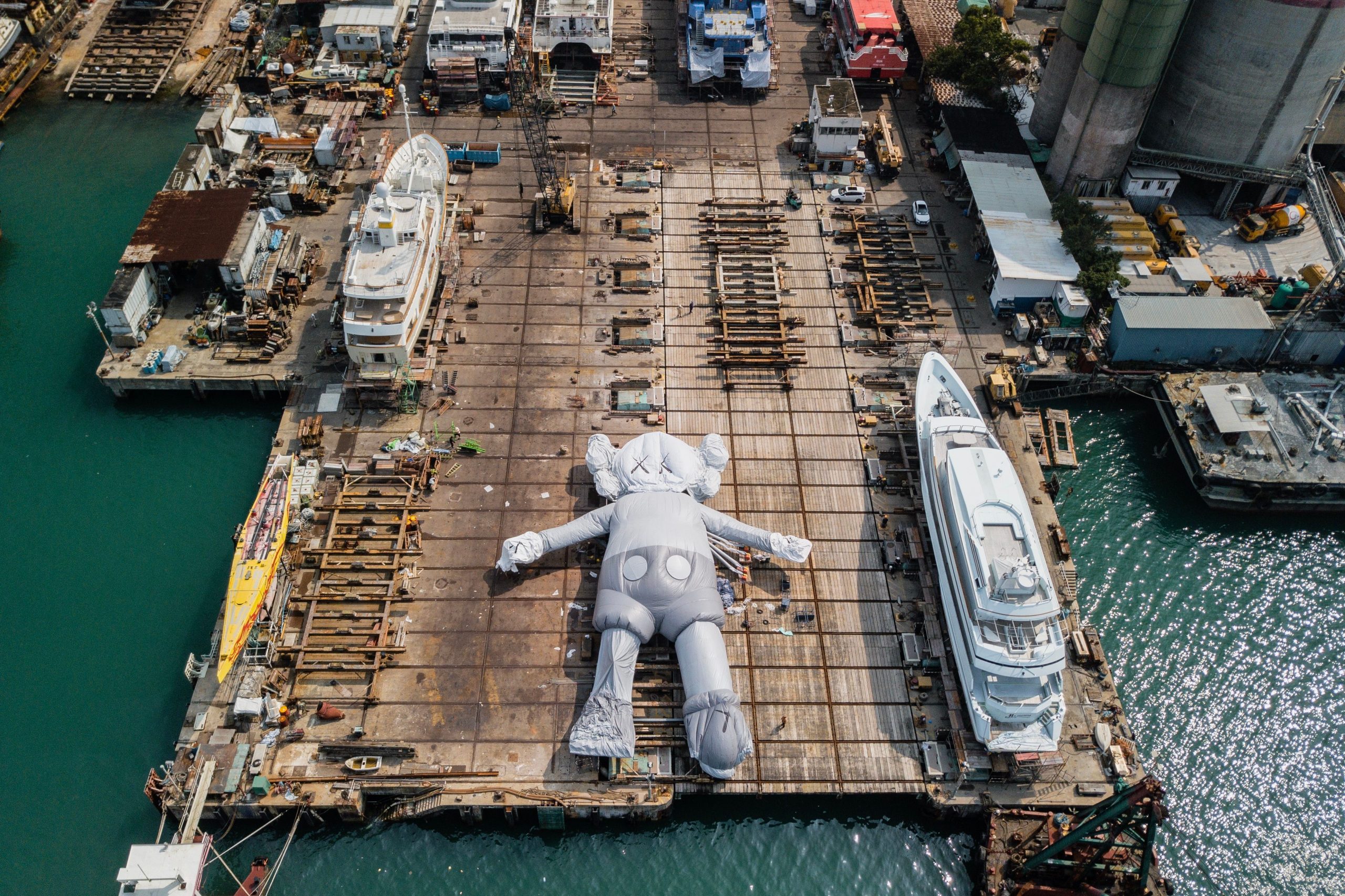
forget blue chip art its a red chip art world now

The article introduces and defines the concept of "red-chip art," a new category of art collecting that rejects traditional art-historical reverence in favor of aesthetics rooted in street art, graffiti, super-flat cartoons, multi-colored chrome, and crypto culture. It describes red-chip collectors as mysteriously affluent millennials, techies, hip-hop visionaries, and crypto aspirants who gravitate toward artworks that resemble toys, limited-edition dolls, NFTs, and memecoins, often consumed at venues like the Eden Fine Art gallery at the Wynn in Las Vegas or parties during Art Basel Miami Beach. Key artists associated with this movement include KAWS, George Condo, Virgil Abloh, Tom Sachs, Alex Israel, Damien Hirst, Harmony Korine, Yoshitomo Nara, and Banksy, with Jeff Koons and Takashi Murakami seen as transitional "purple chip" figures.
On Curating Carnage

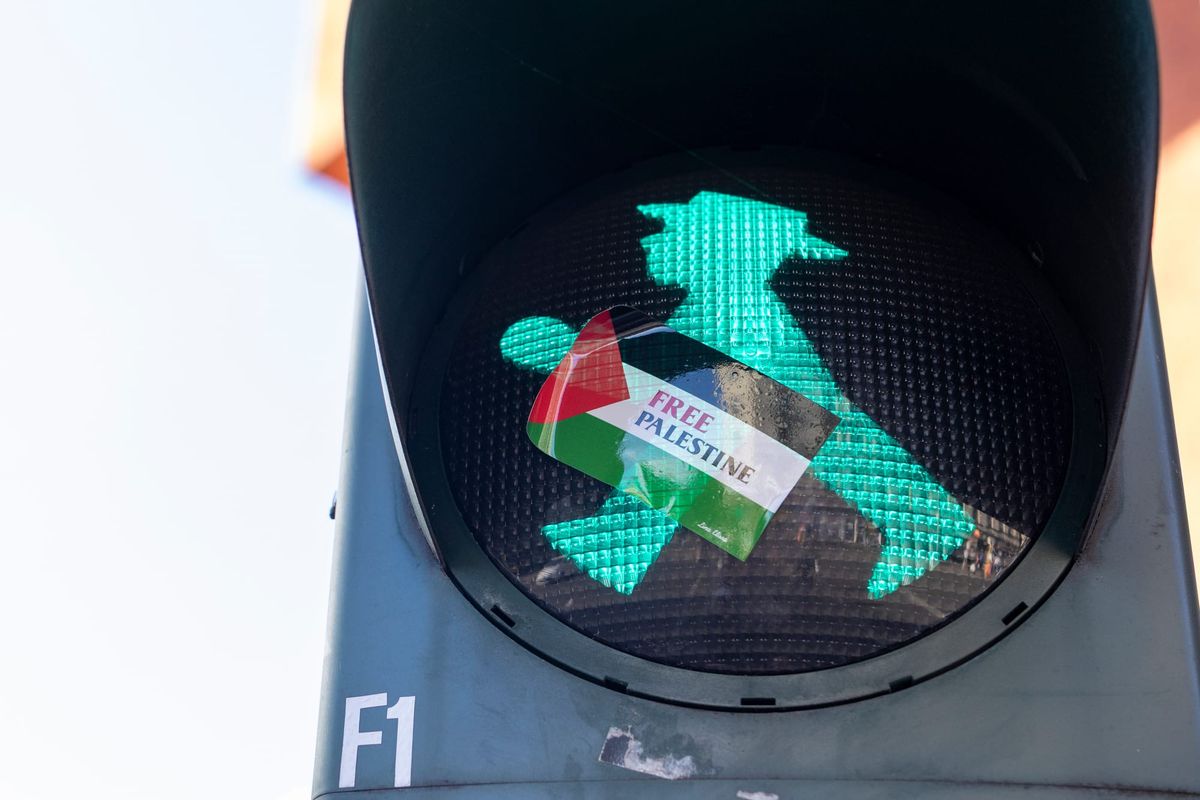
On Curating Carnage

The Berlin-based art journal *OnCurating* published a September 2025 issue titled "Let’s Talk About… Anti-Democratic, Anti-Queer, Misogynist, Antisemitic, Right-Wing Spaces and Their Counter-Movements." The article critiques this publication, arguing it uses the language of feminism, anti-racism, and anti-Semitism as a political tool to unconditionally support Israel and demonize the Palestinian cause, thereby aligning with German state policy and a specific strain of leftist thought known as Antideutsch.

art bites facts holiday small talk

Artnet News offers a lighthearted holiday guide with seven art-historical conversation starters designed to deflect awkward family small talk. The article reveals quirky facts such as a secret apartment atop the Eiffel Tower, the Surrealists' party game 'Exquisite Corpse,' Leonardo da Vinci's role as a wedding planner for Milan's nobility, Marcel Duchamp paying his dentist with a fake check, and Frank Lloyd Wright inspiring Lincoln Logs.

the right influential art historian victoria coates project esther

The article profiles Victoria Coates, an art historian and former Trump administration official, who is leading 'Project Esther,' a conservative initiative aimed at taking over US higher education and targeting progressive organizations. Named after the biblical queen, the project accuses critics of Israel of anti-Semitism and seeks to dismantle what it describes as a 'terrorist support network.' Coates, who previously served as Deputy National Security Advisor and worked on Rumsfeld's memoirs, has a long history of attacking academia from within, including as an anonymous blogger behind 'Elephants in Academia.'

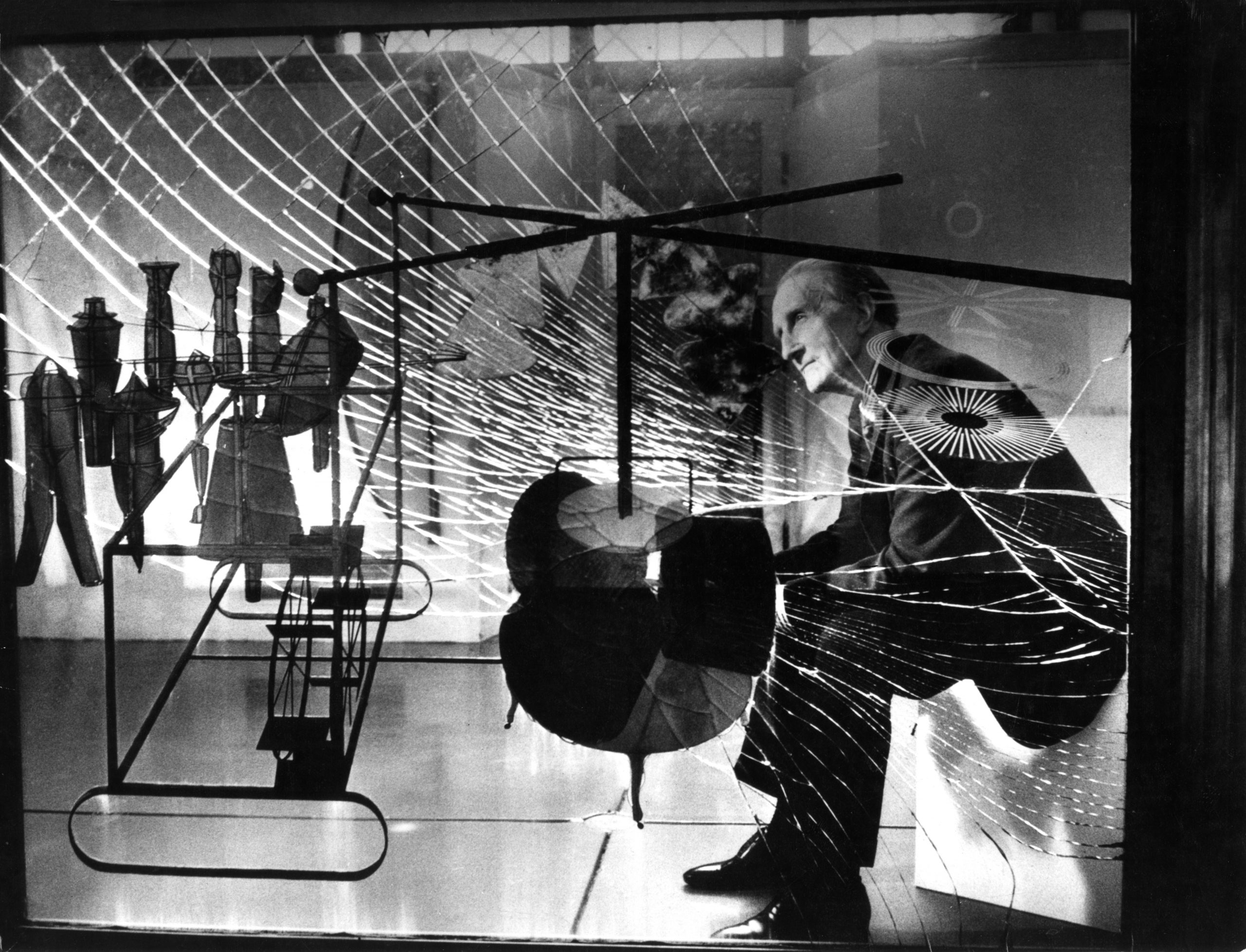
art bites marcel duchamp dentist check

Marcel Duchamp paid his dentist, Daniel Tzanck, with a hand-painted forged check in 1919, titled *Tzanck Check*. The work mimics a real bank check made out for $115, drawn on the fictitious “The Teeth’s Loan & Trust Company Consolidated.” Duchamp meticulously painted each letter to look printed, and the dentist—who was also a major art collector—never cashed it, recognizing its artistic value. The check is now a promised gift to the Israel Museum in Jerusalem, with a 1938 reproduction held by M+ museum in Hong Kong.

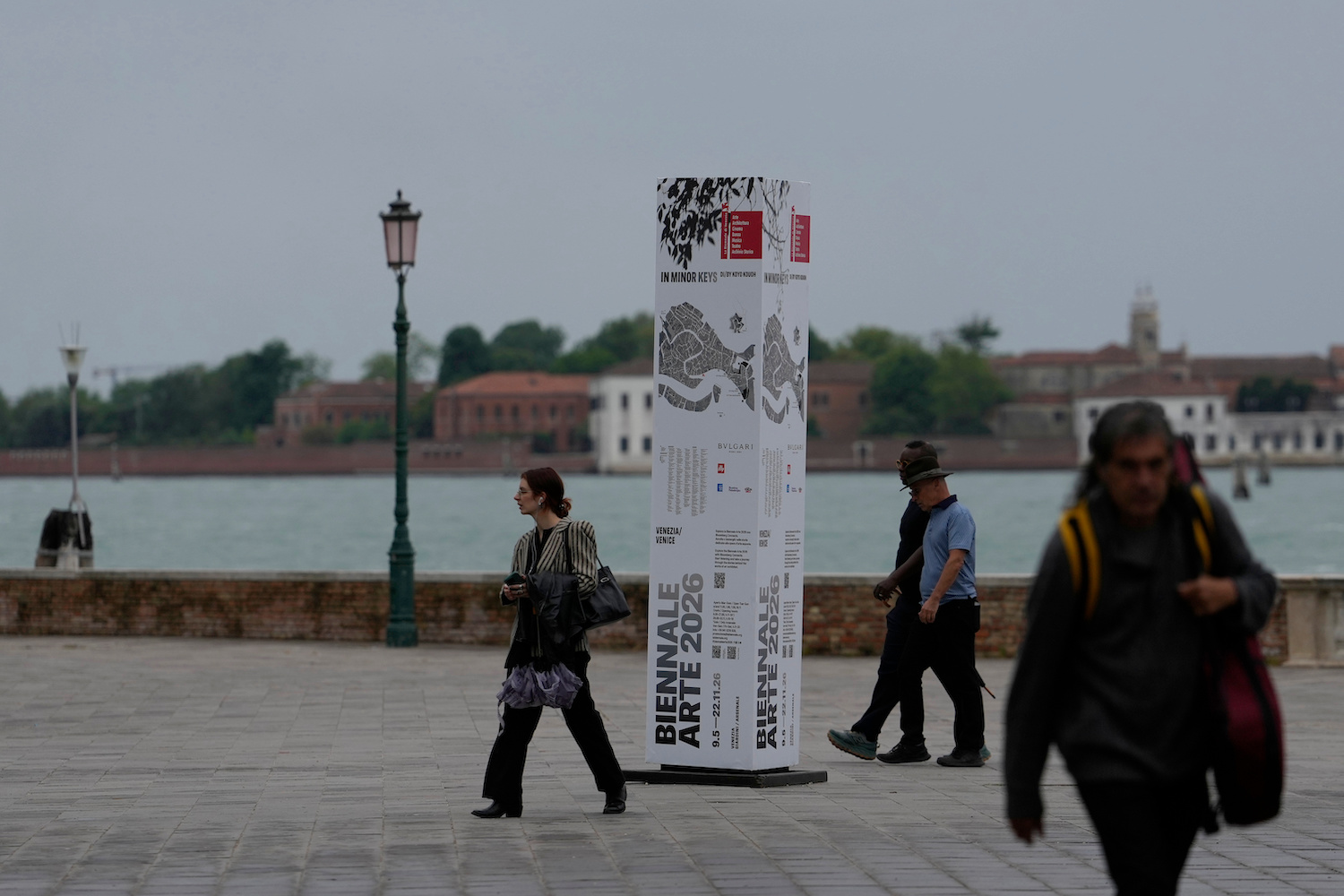
There Has Never Been an Apolitical Venice Biennale

The Venice Biennale, with its national pavilion structure, has always been a platform for political expression and soft power, a reality evident from its early 20th-century origins. Contemporary critic Arturo Lancellotti's 1909 review of the German and British pavilions was steeped in geopolitical context, revealing how national artistic displays were interpreted through the lens of imperial power and military alliances.

ai weiwei royal academy controversy

Artist Ai Weiwei has claimed in a new interview that he faced censorship in the West, citing a specific incident with London's Royal Academy. In late 2023, an exhibition of his new works at the Lisson Gallery was canceled after he posted a controversial tweet about the Israeli-Palestinian conflict. Subsequently, the Royal Academy held a vote on whether to revoke his honorary membership over accusations of antisemitism, which he won. Ai also claims the Academy then declined to publish an article he wrote on free speech for its magazine.

In Galerie Sardine, a New Idea of What the Art Gallery Can Be

Artist Joe Bradley and his wife Valentina Akerman, neither of whom had run an art gallery before, opened Galerie Sardine in a 1701 farmhouse on Main Street in Amagansett, Long Island. The gallery, named after a small fish to convey modesty and portability, attracted crowds of local and visiting art lovers, including prominent dealer Larry Gagosian. The article profiles the couple's backgrounds—Akerman, an architect and former art director from Colombia, and Bradley, a painter who rose to prominence with a solo show at MoMA PS1 in 2006 and now shows with David Zwirner.

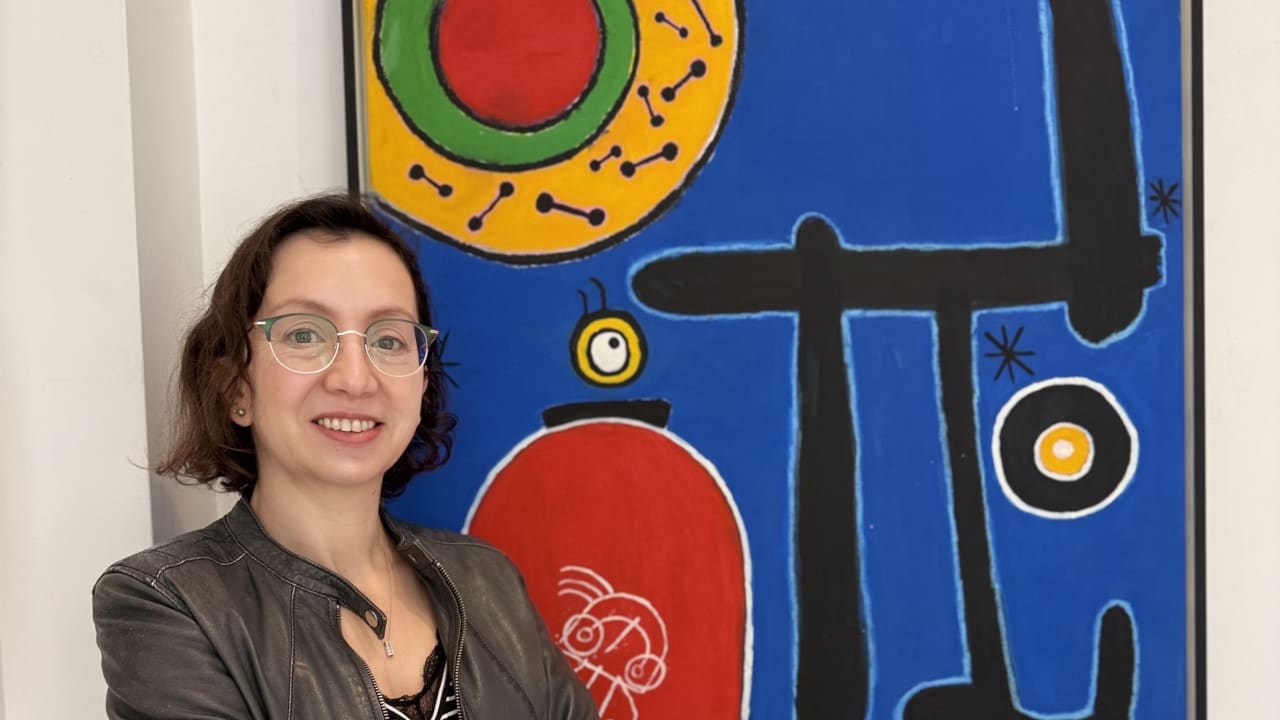
Three artists, three questions: Immersed in colors

Three Israeli artists—Vera Kunis, Avraham Kan, and Tal Tenne Czaczkes—are featured in a column exploring their use of color amid the ongoing war with Iran. Kunis, a data engineer and artist, opened her first solo exhibition, "Imagination Algorithm," at the Global Art Gallery in Tel Aviv on March 10, 2026, during the conflict. The interview was conducted remotely due to war conditions, with a siren interrupting the conversation. The artists discuss their inspirations, definitions of art, and what makes their work unique, emphasizing resilience and optimism through color.

Required Reading

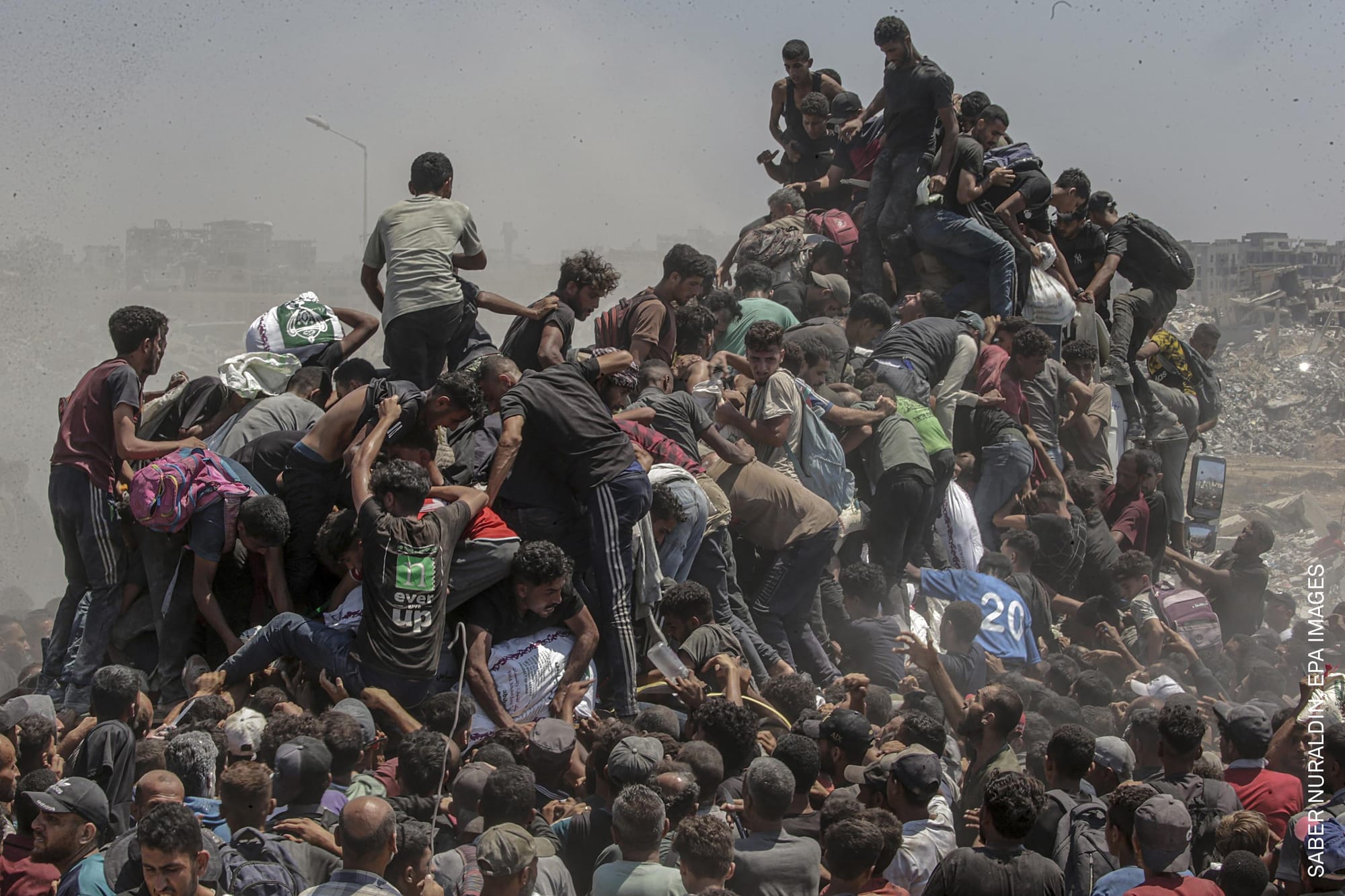
This week's Required Reading from Hyperallergic features a photo by Saber Nuraldin, a finalist for the World Press Photo of the Year, depicting Palestinians climbing an aid truck in Gaza during famine caused by Israel's blockade. The article also includes Elena Megalos's essay on the American Museum of Natural History as a site of motherhood, and reports on Meenu Batra, a legal interpreter arrested by ICE, and the New York Times blocking the Internet Archive from crawling its site.

art world gallery dinner politics parties

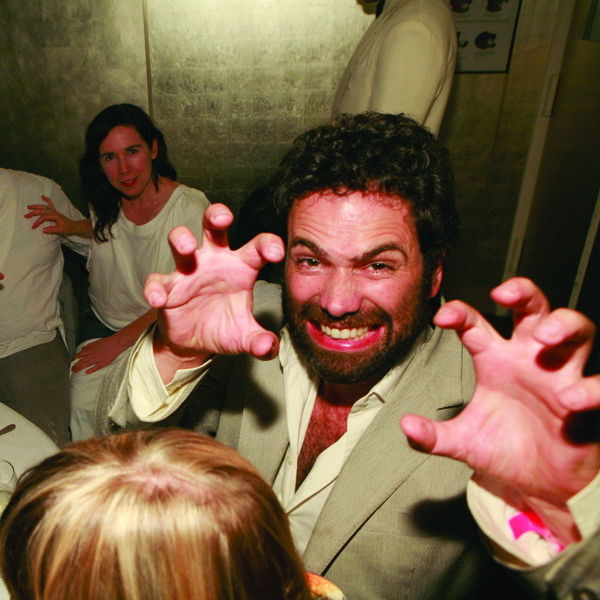
Art-world insiders share their best and worst experiences at gallery dinners, from seating disasters and VIP-only food queues to intimate gatherings and haunted-house Halloween parties. Contributors include collectors, artists, curators, writers, and gallerists who recount memorable evenings hosted by figures like Jose Martos and White Cube, revealing the social dynamics that define these events.

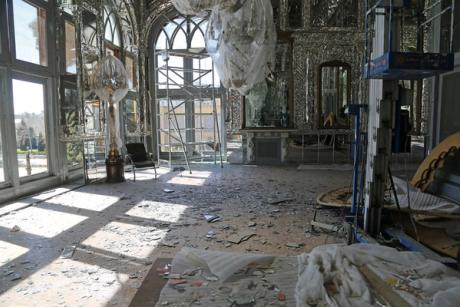
Iran’s arts community and heritage suffer as US-Israeli attacks continue

The US-Israeli bombardment of Iran, beginning in late February, has severely disrupted the country's cultural life and art scene. The typically busy Nowruz (Persian New Year) period was marked by fear, travel restrictions, and internet blackouts, leading to the evacuation of museum collections, the closure of galleries, and artists being unable to work in their studios.

Order and chaos in contemporary Israeli art

Basia Monka profiles three contemporary Israeli artists—Ariel Hacohen, Jessica Moritz, and others—who, despite diverse backgrounds and mediums, share a common drive to explore order and chaos through repetition in their work. Hacohen, a 2024 Rappaport Prize laureate, uses photography, video, and sculpture to blend archaeology, history, and memory, with current exhibitions at the Haifa Museum of Art and Tel Aviv Museum of Art. The article presents each artist's answers to three questions about inspiration, the definition of art, and what makes their work unique.

Nigerian Modernism, Tehran’s art scene after the war, Wayne Thiebaud’s ‘Cake’—podcast

This episode of The Art Newspaper's podcast covers three major stories. First, Tate Modern's new exhibition 'Nigerian Modernism' explores modern art beyond Western canons, featuring co-curator Osei Bonsu and artist Jimoh Buraimoh. Second, correspondent Sarvy Geranpayeh reports on Tehran's art scene following the 12-day Israel-Iran war in June 2025. Third, the 'Work of the Week' segment highlights Wayne Thiebaud's painting 'Cakes' (1963), now on view at the Courtauld Gallery in London for the artist's first UK museum exhibition.

art heir yoni nahmad marries model eden polani in france

Yoni Nahmad, heir to one of the world's most valuable private art collections, married Israeli model Eden Polani in a lavish three-day wedding in Cannes, France, on September 11. The €5 million celebration at Château de la Croix des Gardes hosted 500 guests including art world figures, tech entrepreneurs, and socialites, with performances by Nasrin Kadri and J Balvin.

Three artists, three questions: Contemporary art

Three Israeli artists—Ronit Porat, an evacuated photographer working with archival materials; an emerging artist using shrapnel from rocket shells as art material while serving as an IDF reservist; and a young artist opening a new exhibition after a break—are profiled in this column by Basia Monkaj. Each answers three questions about inspiration, the definition of art, and what makes their work unique, set against the backdrop of the ongoing war in Israel and the centenary of Surrealism.

Inside the Former ‘Underworld’ Where Ai Weiwei Makes Art (Published 2025)

The New York Times profiles Ai Weiwei’s current studio, located in a former underground nightclub or 'underworld' space. The article offers a rare look at the artist’s working environment, his creative process, and the large-scale installations and political works he continues to produce there in 2025.

Where to go for the next scandal?

Wo bitte geht's zum nächsten Skandal?

The article reports on the 2024 Venice Biennale preview days, where the atmosphere is dominated by political protests, media stunts, and social-media pressure rather than the art itself. Incidents include a solidarity drone choir for Gaza, a Pussy Riot and FEMEN protest at the Russian Pavilion, and a planned demonstration near the Israeli Pavilion, all amplified by PR agencies and WhatsApp alerts. A journalist describes being pressured by editors to cover scandals and political controversies instead of art reviews, which they say no longer attract clicks.

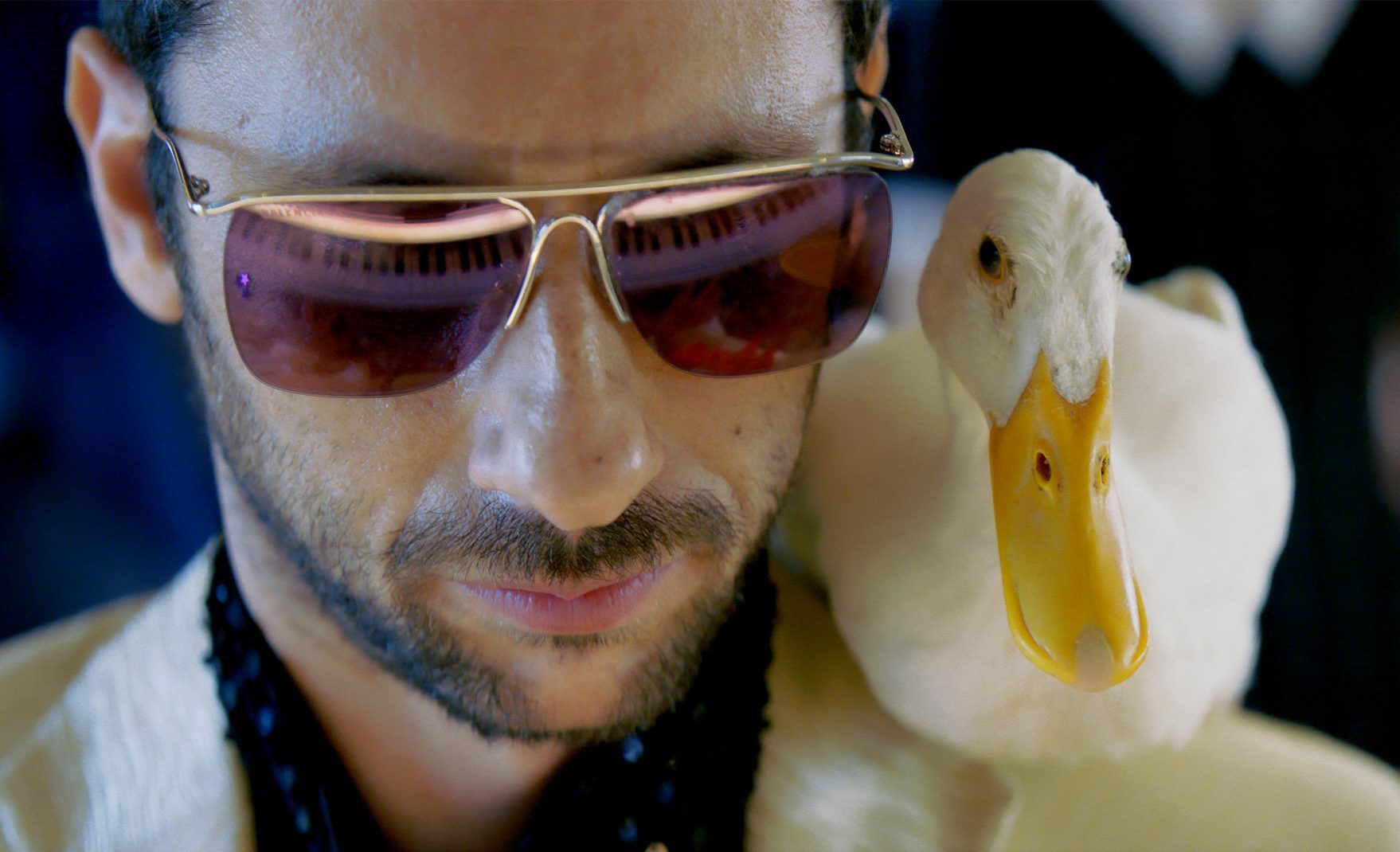
film nadav lapid yes israel palestine

Nadav Lapid's fifth feature film, *Yes*, follows an Israeli musician and his artist wife who adopt a hedonistic lifestyle of parties, orgies, and drug use alongside war ministers and Russian oligarchs in the wake of the October 7 attacks and the Gaza conflict. The film, which premiered out of competition at Cannes, faced production challenges including crew walkouts and actor dropouts, and struggled to find US distribution before being picked up by Kino Lorber for a March 27 release in New York and April 3 in Los Angeles.

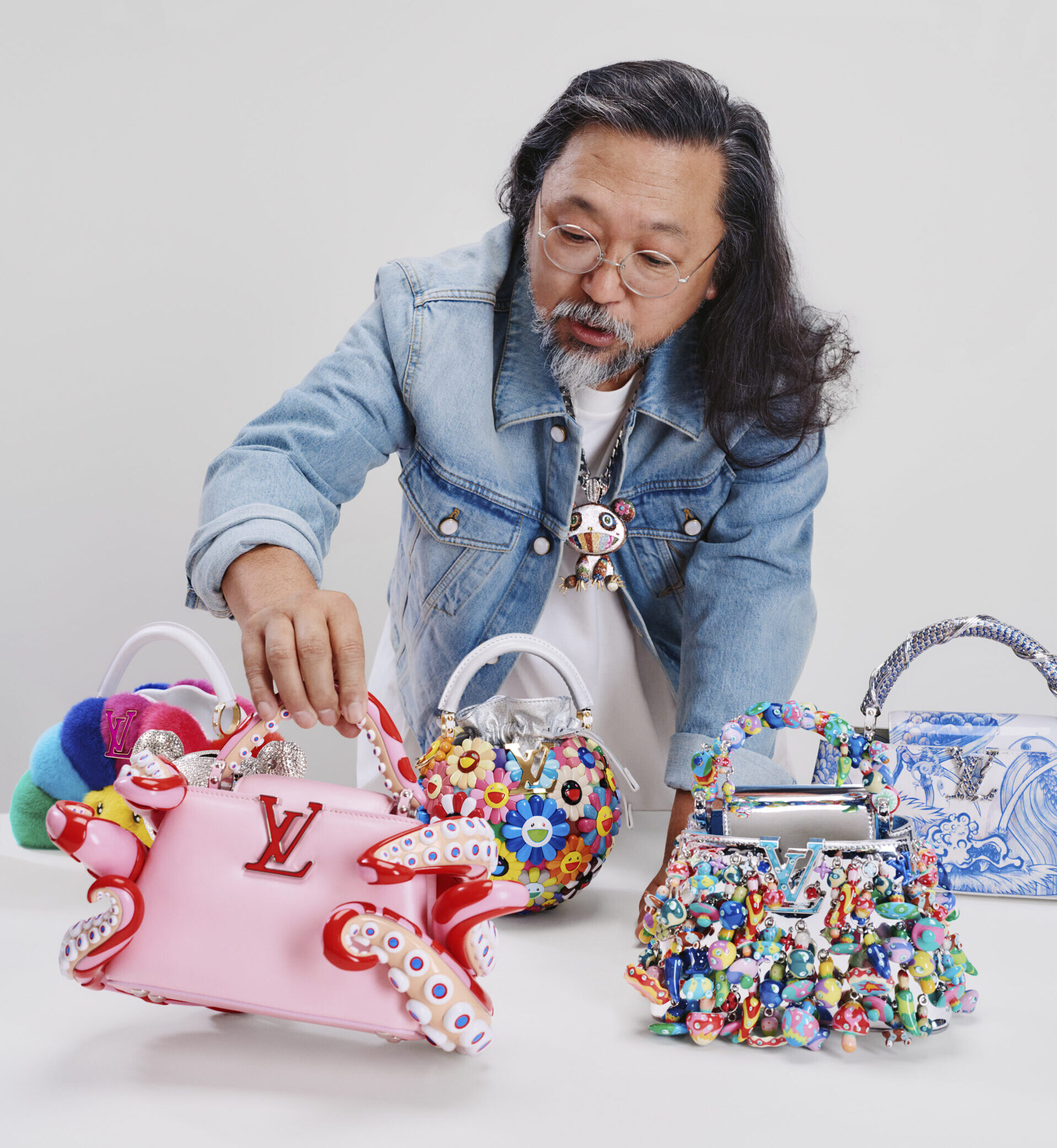
fashion louis vuitton artycapucines takashi murakami

Louis Vuitton has launched the Artycapucines VII collection, a collaboration with artist Takashi Murakami for its seventh edition of art-inspired handbags since 2019. Murakami was given full creative control over 11 new pieces, incorporating his signature motifs—such as rainbow grins, Monogram Multicolor in crocodile, skull camouflage, and tentacle-covered fuchsia calfskin—alongside a crystal-encrusted panda bag. The collection builds on over 30 previous artist collaborations with figures like Urs Fischer, Alex Israel, Park Seo-Bo, and Tschabalala Self.

Australia’s best photos of the month – March 2026

The article presents a collection of notable Australian cultural events and announcements from March 2026. It highlights the addition of the viral 'Succulent Chinese Meal' speech to the National Film and Sound Archive, a profile of 'Squid Game' composer Jung Jae-il, pianist Jayson Gillham's announced tour with a Palestinian-Jordanian musician ahead of a court case, and Kylie Minogue's scheduled performance at the AFL Grand Final.

on art history in times of war gaza islamic nasser rabbat

This essay by Nasser Rabbat reflects on the persistence and precarity of writing art history in times of war, specifically focusing on the field of Islamic art and architectural history. Rabbat draws a parallel to Gabriel García Márquez's novel *Love in the Time of Cholera* to frame his discussion, arguing that war is not a passing crisis but a persistent condition for the Islamic world. He traces how colonial conquests, postcolonial conflicts, and the ongoing Israeli genocide against Gaza have shaped the formation and theoretical orientation of Islamic art history as a Western scholarly endeavor, beginning with Napoleon's invasion of Egypt in 1798 and continuing through the "War on Terror."

The week around the world in 20 pictures

The Guardian's weekly photo feature presents a global visual summary of the past seven days, compiled by leading photojournalists. The selection includes powerful and sometimes distressing images covering major international events, from the ongoing crisis in the Middle East and a Russian drone attack in Kharkiv to a Saharan dust storm in Crete and the launch of NASA's Artemis II mission.

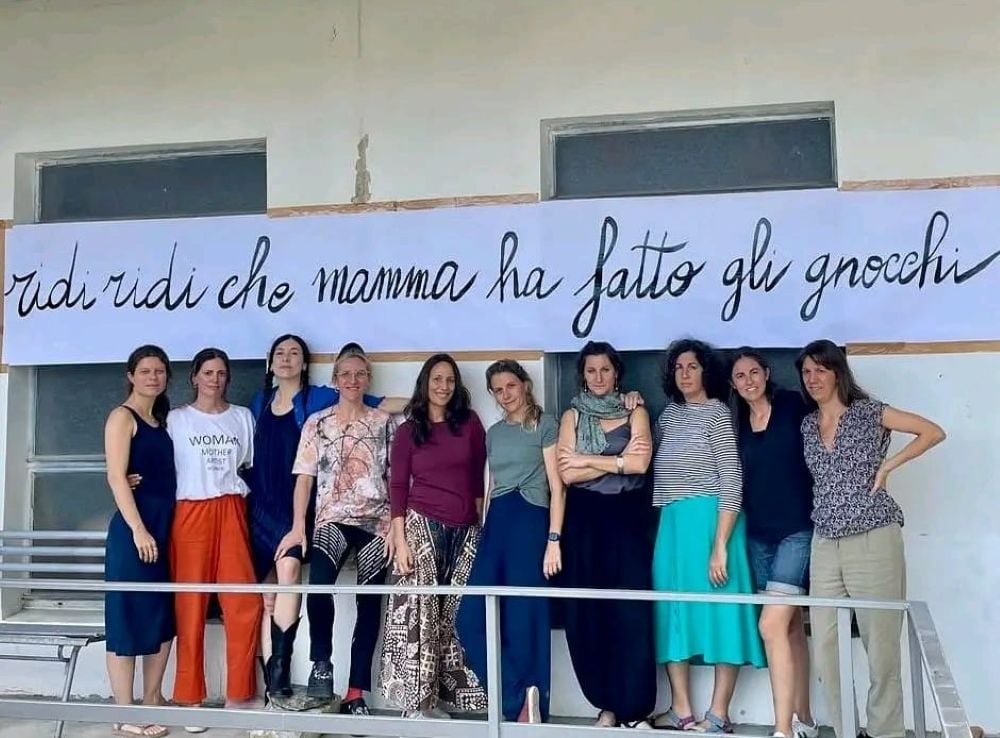
Art and politics: to take a stand or not? Nine artists and curators respond

Arte e politica: bisogna esporsi o no? Rispondono in 9 tra artisti e curatori

Nove tra artisti e curatori italiani rispondono alla domanda se l'arte debba esporsi politicamente, in un articolo pubblicato su Artribune. Marco Trulli, responsabile Cultura Arci e curatore, sostiene che l'arte non possa prescindere dal contesto storico e geopolitico, e che il mondo dell'arte debba mettere in discussione le connessioni tra istituzioni culturali, guerre e violenze sistemiche. Gabi Scardi, curatrice, rifiuta la categoria di 'arte politica' e invita gli artisti ad agire politicamente, citando esempi di padiglioni nazionali alla Biennale di Venezia (Turchia 2017, Israele 2015) come modelli di critica radicale dall'interno. Un altro contributo, legato al progetto 'Francesco 2026' per il Padiglione Internet a Venezia, propone una regola etica: l'arte deve minimizzare il danno alle persone più vulnerabili.

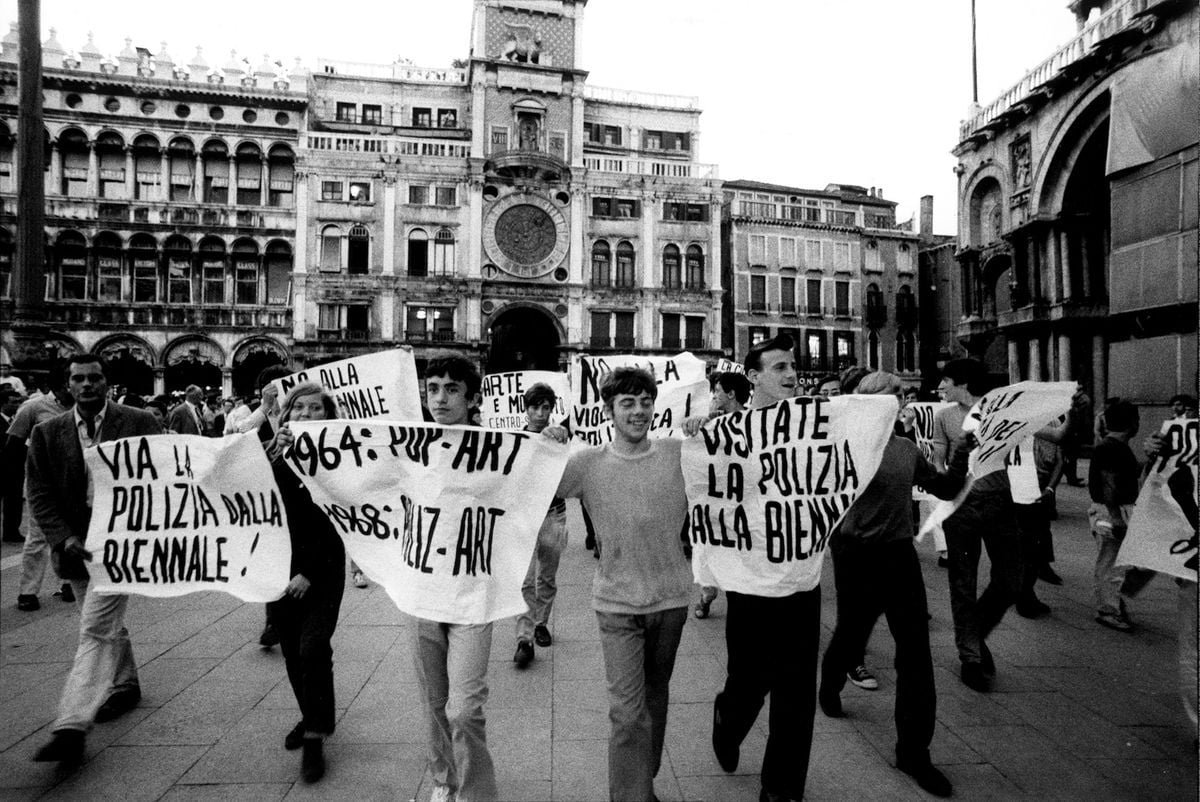
Since 1968, Protests Have Revealed the Real Impact of the Venice Biennale

The article recounts the 1968 protests at the Venice Biennale, where artists, students, and activists clashed with police over the event's perceived ties to bourgeois power and capitalist commodification. It draws parallels to the 2024 Biennale, where groups like Art Not Genocide Alliance, Pussy Riot, and Femen demonstrated against the participation of Russia and Israel, while artists staged strikes and performances like the Solidarity Drone Chorus to highlight the Gaza conflict.

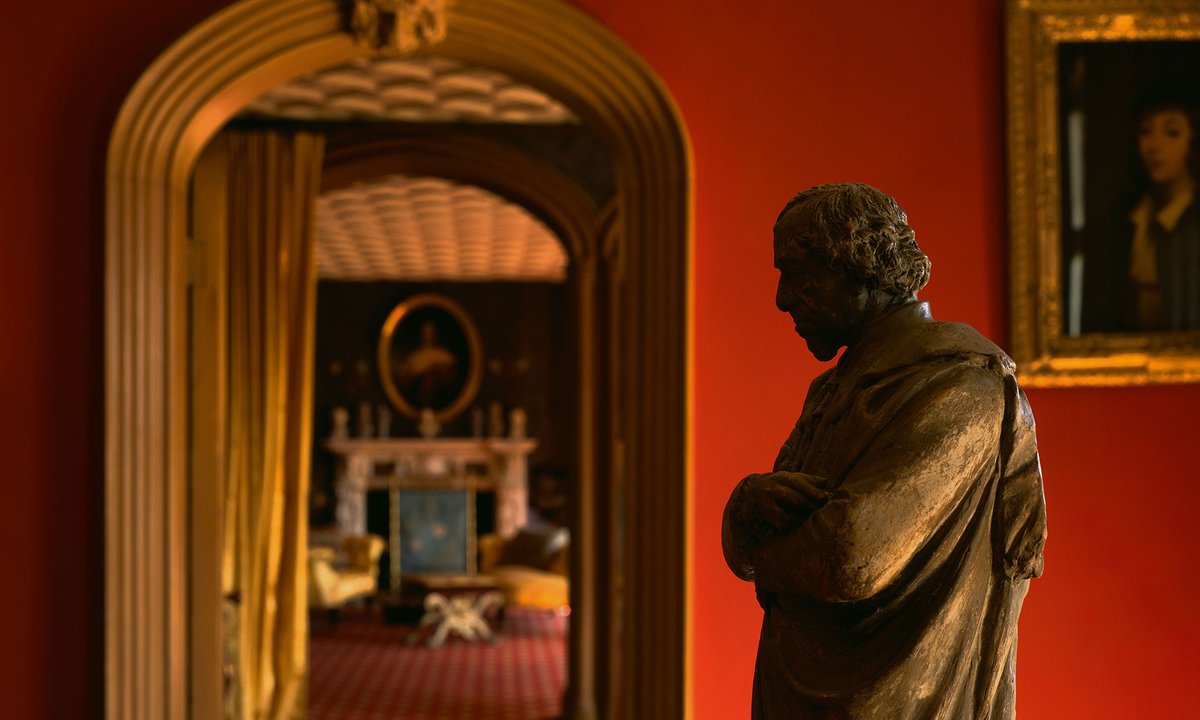
New book explores the complex history of Jewish country houses

A new book titled *Jewish Country Houses*, edited by Juliet Carey and Abigail Green, explores the history of approximately 1,000 country estates built or remodeled by wealthy Jewish families across Great Britain and Continental Europe from the French Revolution until World War II. These houses, such as Waddesdon Manor and Château de Champs-sur-Marne, served as symbols of social arrival and assimilation, blending eclectic architectural styles with art collections from European auction houses. The volume, published by Profile and Brandeis University Press in association with the National Trust, features contributions from an international team of historians and curators, with photographs by Hélène Binet, and includes case studies of a dozen houses now open to the public.

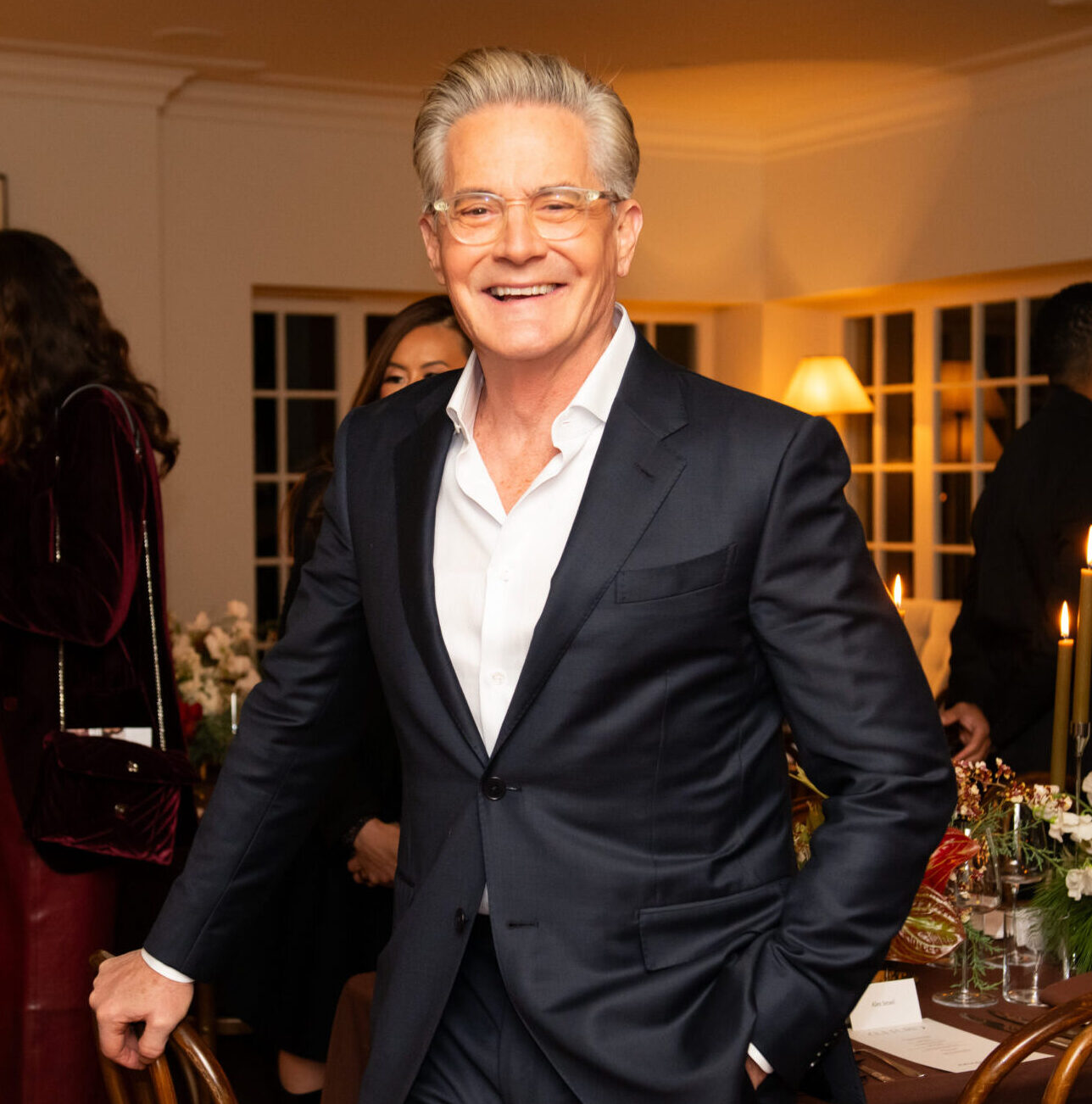
parties kyle maclachlan aesop los angeles 2

CULTURED magazine's Editor-in-Chief Sarah Harrelson hosted a candlelit dinner at her Los Angeles home to celebrate the release of the Artists on Artists issue. The event was co-hosted by actor Kyle MacLachlan, the issue's digital cover star, and skincare brand Aēsop. Guests included artists Alex Israel, Jennifer Guidi, Callida Rawles, and Lauren Halsey; actors Jeanne Tripplehorn, Jordan Firstman, and Lisa Rinna; art dealers Sara Lee Hantman and Robert Goff; collector Sonya Yu; and other creative Angelenos. The evening featured Ruinart champagne, seasonal fare by Chris Kronner's Mayday group, and Aēsop gift kits as parting favors.

Ada: My Mother the Architect review – illuminating profile of brilliant builder balances work and family

Architect-turned-filmmaker Yael Melamede directs a documentary portrait of her mother, Israeli architect Ada Karmi-Melamede, who co-designed the Supreme Court of Israel building in Jerusalem in the early 1990s with her brother Ram Karmi and later created Ben Gurion Airport. The film explores Karmi-Melamede's architectural philosophy of "architecture of the ground and of the sky," her departure from her brother's brutalism, and a painful family split when she left her husband and children in New York after being denied tenure at Columbia University.

‘It’s a huge, futuristic space with massive skylights’: Ali Zolghadri’s best phone picture

Ali Zolghadri, a Tehran-born fine art photographer, captured a composite image of the central atrium of the Iran Mall in Tehran—the world's largest shopping mall—which was shortlisted in the creative category of the 2026 Sony World Photography Awards. The photograph, taken four months before the US and Israel launched their war on Iran, depicts the mall's futuristic architecture with sweeping curved lines, metallic surfaces, and massive skylights, and includes a lone passerby to emphasize scale. Zolghadri emphasizes that his process involves manual editing in Photoshop without AI, blending three frames and removing unnecessary elements to construct meaning.

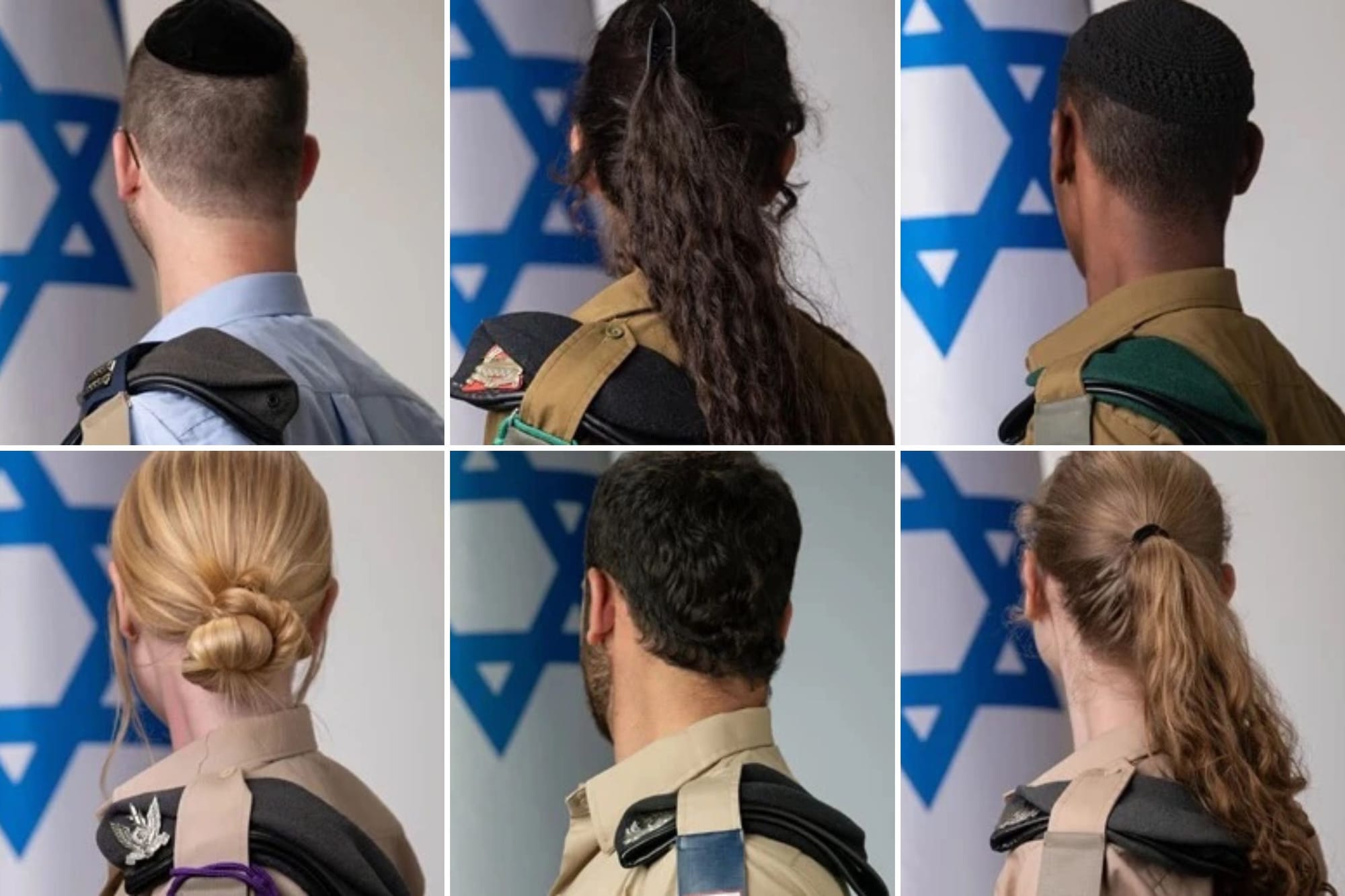
IDF Soldiers Hide From Our Gaze

An opinion article on Hyperallergic analyzes official portraits of Israeli Defense Forces (IDF) soldiers released in May 2025, in which the soldiers are depicted with their backs to the camera. The author argues that this pose is a deliberate tactic to avoid identification and potential prosecution for war crimes in the occupied Palestinian territories, weaponizing surveillance technologies against the very people they surveil. The piece frames these images as "counter-portraits" that transform individual soldiers into a faceless, intimidating mass, contrasting them with traditional portraiture that invites intimate moral scrutiny.