filter_list Showing 6 results for "Jace" close Clear
search
dashboard All 81 museum exhibitions 47article local 13article news 7article culture 6trending_up market 4article policy 2person people 1rate_review review 1
date_range Range Today This Week This Month All
Subscribe

art always too late after avant garde

This article argues that the traditional view of art as a vanguard force predicting cultural change is outdated in the early 21st century. It contends that the rapid acceleration of mainstream culture, driven by social media and news cycles, makes it nearly impossible for traditional fine art media like painting and sculpture to stay ahead of the curve. The author suggests that forward-looking art now emerges from para-artistic digital practices such as AI experiments, Red Chip art, NFTs, memes, and TikTok lore, which often challenge conventional aesthetic and ethical standards. Citing Claire Bishop's 2024 book *Disordered Attention*, the piece notes that contemporary artworks tend to be symptomatic of larger conditions rather than anticipatory, and that artists like Artie Vierkant, Joshua Citarella, and Brad Troemel have pivoted from art-making to art-adjacent content creation.

art words of the year

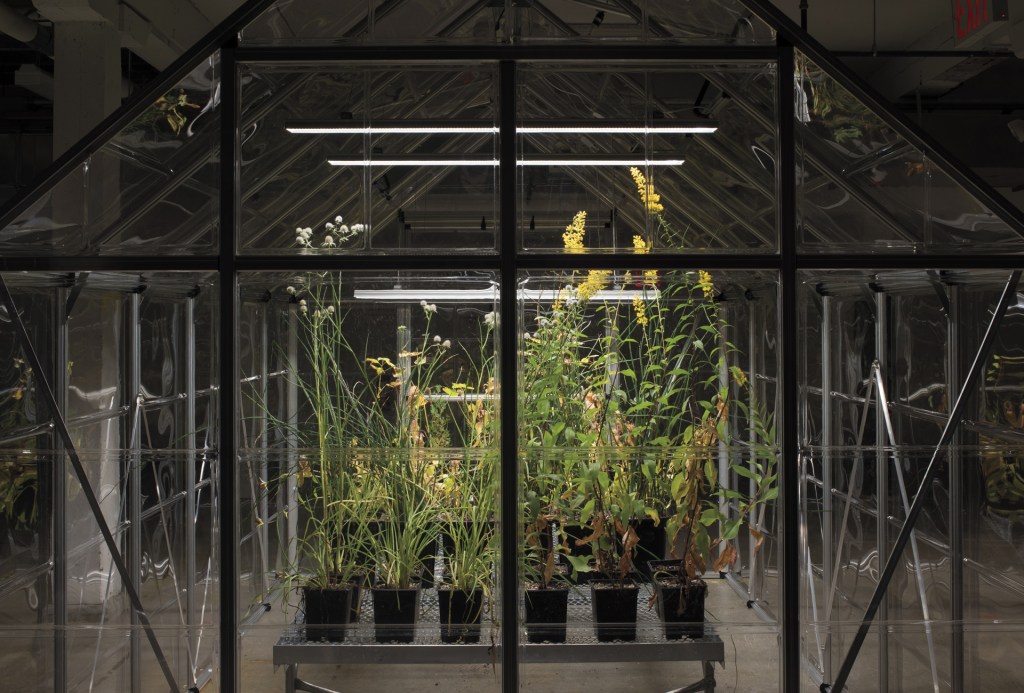
Artnet News critic Ben Davis presents his annual "art words of the year" for 2025, a curated list of terms that capture prevailing moods and ideas in the art world. The list includes "antimemetics" (from writer Nadia Asparhouva and internet fiction), "cyniserity" (coined by art writer David Colman to describe Anne Imhoff's work), "delightmare" (a horror-adjacent feeling linked to overconsumption and AI art, exemplified by Beeple's Art Basel installation), "elite capture" (from philosopher Olúfẹ́mi O. Táíwò's book, now a tool for critiquing identity politics in art), and "K-shaped" (an economic term describing divergent recovery, applied to gallery closures versus record auction sales).

How Tech Billionaires Turn Couture into Content

Wie Tech-Milliardäre Couture zu Content machen

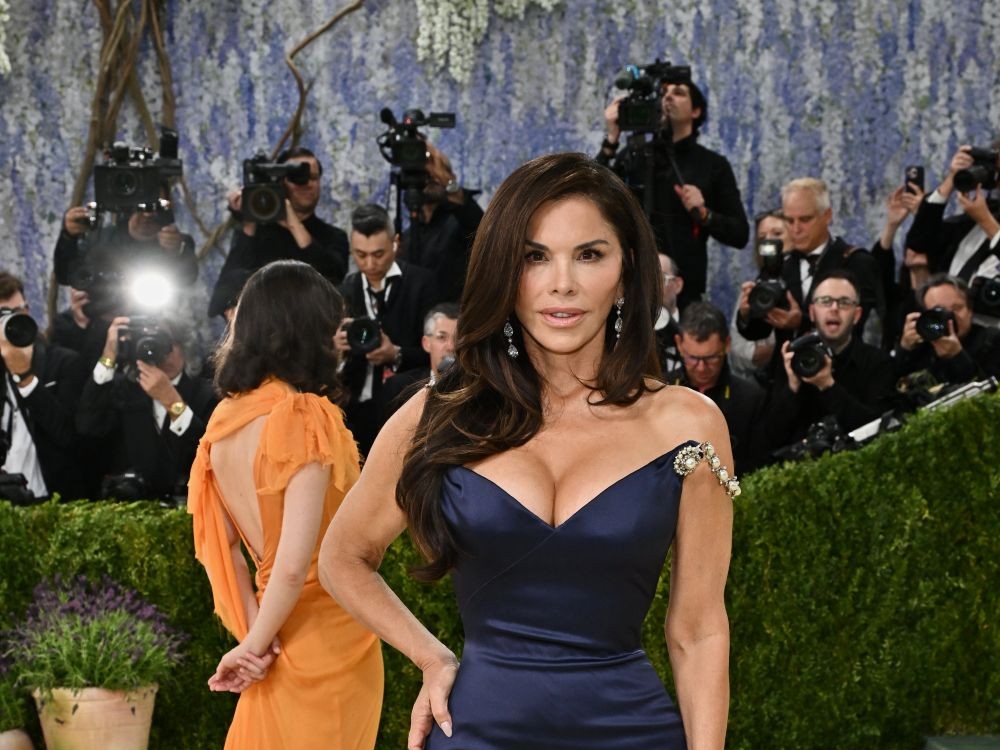
The Met Gala, long considered the premier event for fashion and cultural influence, has become increasingly dominated by tech billionaires. This year, Jeff Bezos and Lauren Sánchez Bezos purchased their role as co-hosts, sparking protests in New York and raising questions about whether money alone now buys entry into the highest echelons of fashion. Individual tickets cost $10,000 and a table $350,000, with sponsors including OpenAI, Snapchat, and Meta. The event, organized by Anna Wintour to raise funds for the Costume Institute at the Metropolitan Museum of Art, raised $31 million last year but has transformed from a benefit into a spectacle optimized for viral moments and algorithmic appeal.

What You (Maybe) Didn't Know About Édouard Manet

Ce que vous ne saviez (peut-être) pas sur Édouard Manet

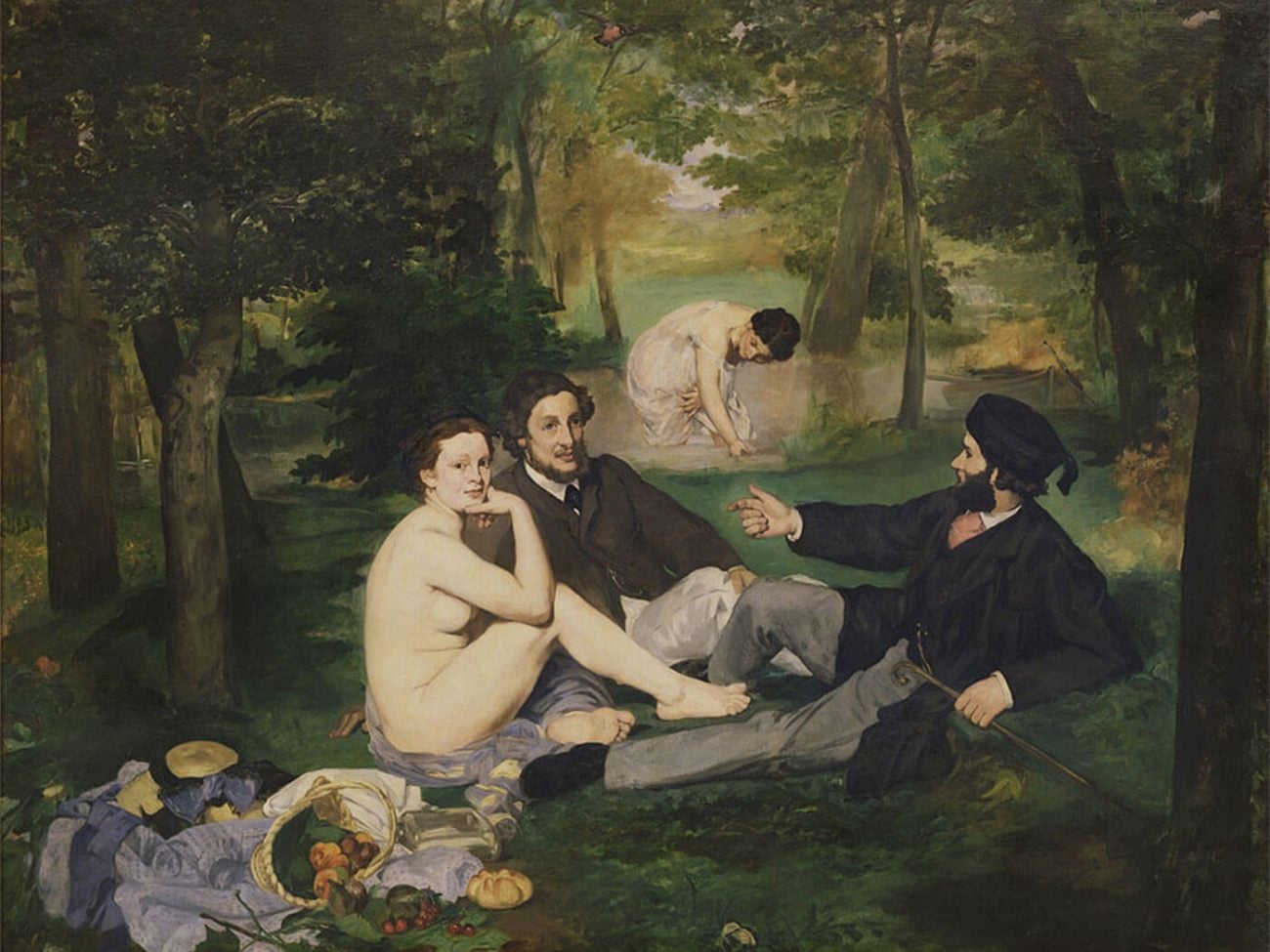
Édouard Manet (1832–1883), a pivotal figure bridging realism and impressionism, is the subject of a feature article in Beaux Arts Magazine. The piece explores lesser-known aspects of his life and career, including his near-miss as a naval officer, his rivalry with Gustave Courbet, his refusal to join the impressionist exhibitions despite close ties to the movement, and his deep fascination with Spanish culture. It highlights his scandalous works like *Le Déjeuner sur l'herbe* (1863) and *Olympia*, the latter entering the Louvre after a subscription launched by Claude Monet in 1889.

In the new film Nagi Notes, art is a vessel for characters’ desires

Japanese writer-director Koji Fukada's new film *Nagi Notes* premiered on 13 May at the Cannes Film Festival. The story follows Yuri (Shizuka Ishibashi), who visits the remote town of Nagi to sit for a sculptor friend, Yoriko (Takako Matsu). The film explores how characters use art—from drawings to sculptural busts—as a medium to express unspoken desires, grief, and identity, with key scenes set at the Nagi Museum of Contemporary Art featuring a permanent installation by Arakawa and Madeline Gins.

From galleries to guest rooms: The best art-inspired stays in Europe

A number of European hotels are integrating art collections and museum-quality experiences into their accommodations, offering travelers the chance to stay within or adjacent to art spaces. Notable examples include MACAM in Lisbon, Portugal, which combines a contemporary art museum with a hotel featuring the private collection of founder Armando Martins, including works by Marina Abramović and Paula Rego; the Byblos Art Hotel Villa Amistà in Verona, Italy, blending Renaissance architecture with avant-garde art; and the Elizabeth Arthotel in Ischgl, Austria, which has showcased art and sculpture since 1976 and recently added a rooftop commission by the artist duo NONOS.