
filter_list Showing 3 results for "Jess" close Clear
search
dashboard All 32 museum exhibitions 17article local 7article culture 3person people 1article policy 1rate_review review 1trending_up market 1article news 1
date_range Range Today This Week This Month All
Subscribe

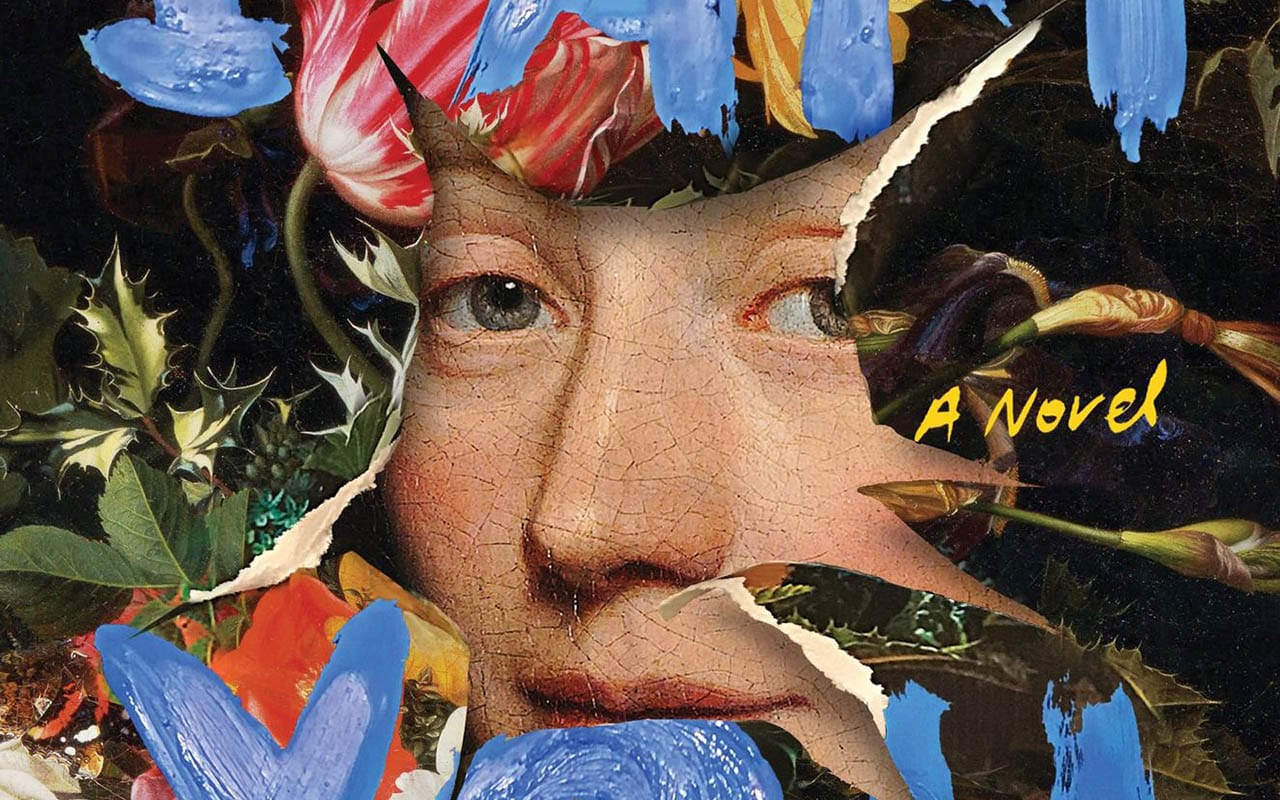
The Painted Book Cover Is Back

The article reports on a growing trend in book cover design: the use of painted, figurative artwork instead of stock photos or digital renderings. Publishers are increasingly licensing paintings by artists from Hilma af Klint to Shannon Cartier Lucy, seeing them as a way to signal cultural authority and intellectual rigor. The trend is discussed through examples like Victoria Redel's *I Am You* (2025) and Kyung-Ran Jo's *Blowfish* (2025), with insights from LiteraryHub Managing Editor Emily Temple and Astra House publisher Benjamin Schrank.
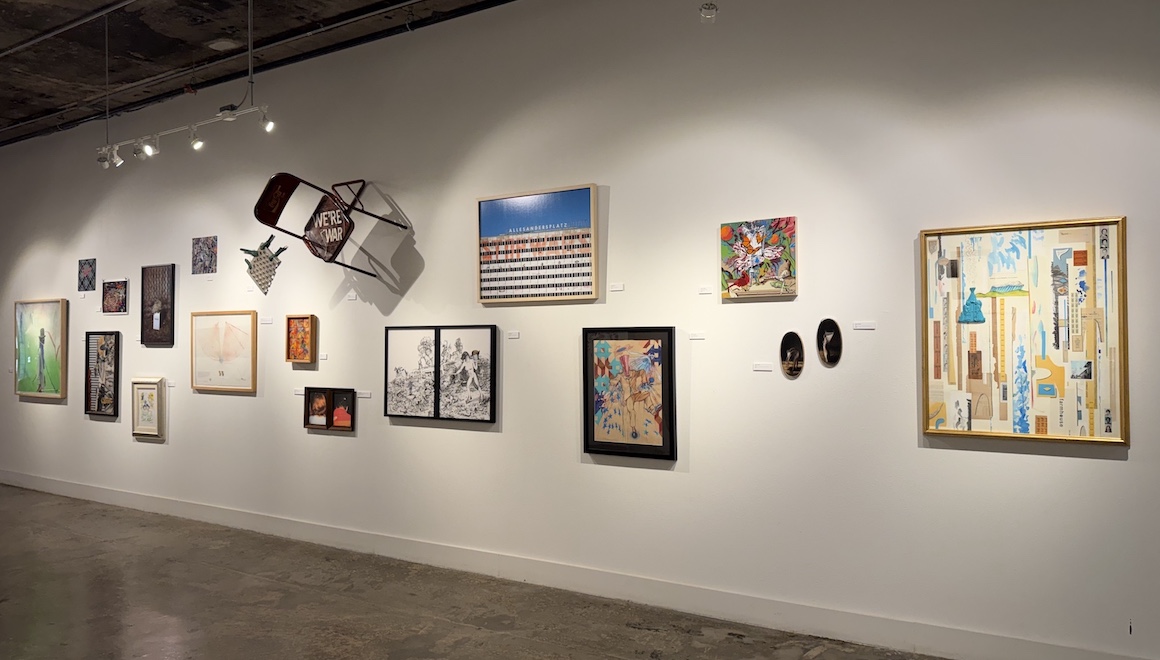

The Whelm of Massive Group Shows, and My Tender Eyes

The article reflects on the overwhelming experience of massive group exhibitions, using examples like Lawndale's "The Big Show" (77 artists in 2025), "Hecho en Dallas" (66 artists), and the School of the Art Institute of Chicago's 1999 MFA thesis show (around 150 artists). The author, a gallerist, recounts visiting two recent San Antonio shows—"A Postmodernist Says ¿Que?" at Centro de Artes and "Fan of a Fan 3" at C7 Space—which feature dozens of works hung salon-style, forcing viewers to make choices about where to focus attention.

Should art have moral limits?

At Metropolitan State University of Denver, students, artists, professors, and curators debate whether art should have moral limits, particularly when it addresses violence, political division, or sensitive social issues. The discussion features perspectives from Jess Gerome, an art education student who argues discomfort should not dictate creative expression, and Xtna Doleres, a multidisciplinary artist who believes art carries an ethical responsibility to speak truth and represent communities respectfully. Professor Jason Miller adds that while art alone may not cause harm, it must be taken seriously when it suggests real-world danger.