filter_list Showing 9 results for "LG" close Clear
search
dashboard All 82 museum exhibitions 41article local 12article culture 9trending_up market 7article news 5rate_review review 4candle obituary 2person people 1article policy 1
date_range Range Today This Week This Month All
Subscribe

The 21st Century’s Biggest Art Trend is Not a Style. But Once You See It, You’ll Notice It Everywhere.

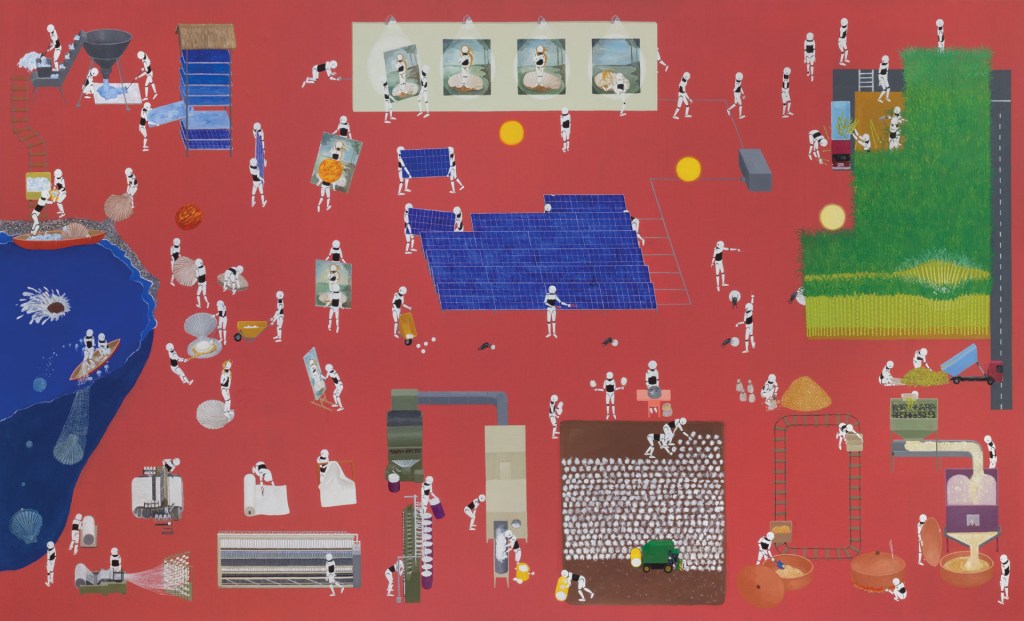
The article traces the evolution of "systems art," a term coined by critic Jack Burnham in 1968 to describe art that uses rules, seriality, and repetition to mirror and reveal the growing protocols of the Cold War era. It highlights early practitioners like Kenneth Noland, Robert Morris, Dan Flavin, and notably Hans Haacke and Adrian Piper, who shifted from atmospheric systems (e.g., Haacke's *Condensation Cube*) to social systems (e.g., Haacke's *Shapolsky et al. Manhattan Real Estate Holdings*). The piece argues that systems thinking has become unavoidable in contemporary life—from algorithms to systemic racism—and that art remains a crucial tool for making these invisible systems legible.
The Contemporary Art Destinations Gallerists and Artists Have on Their Radar

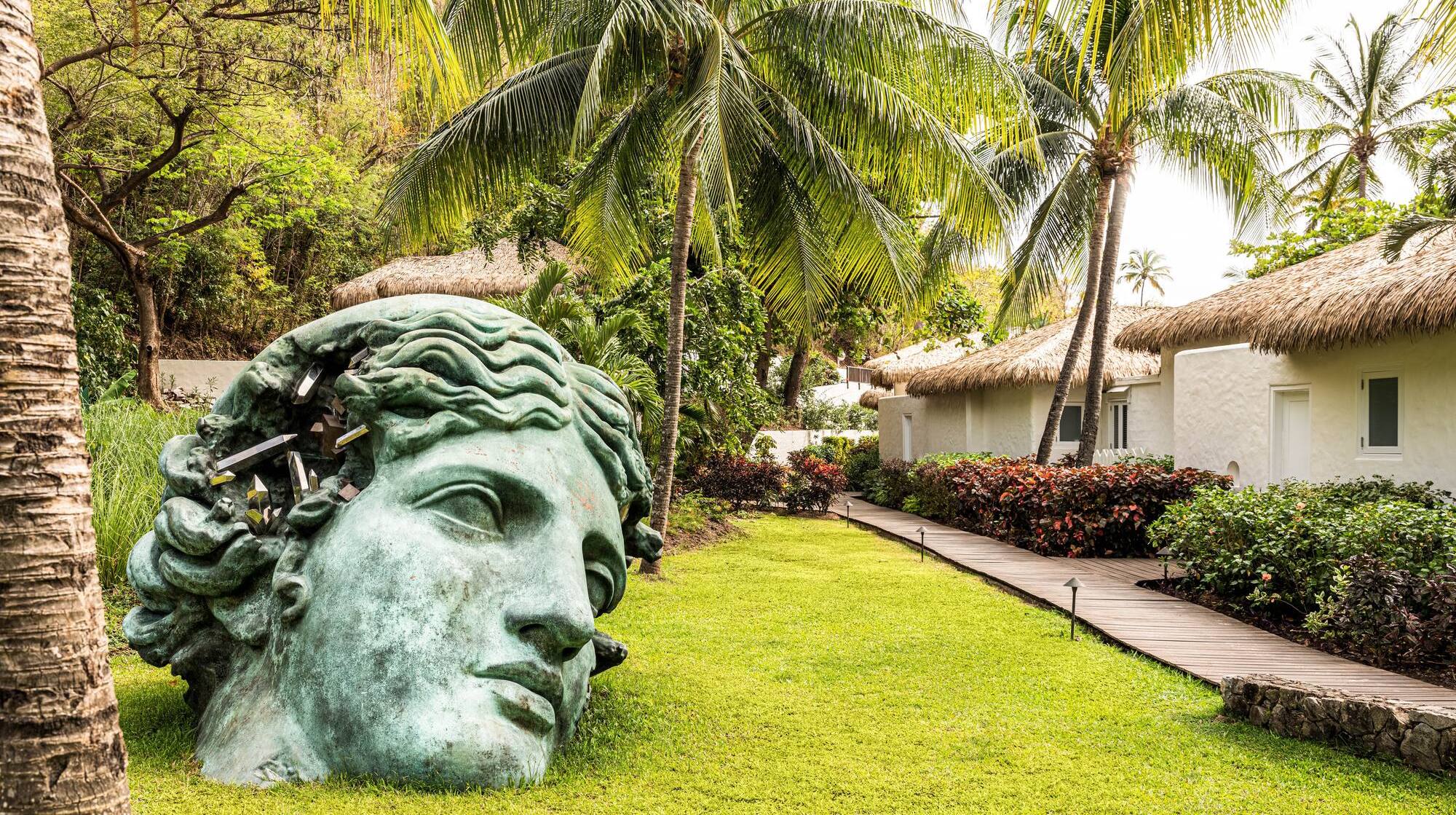
WWD asked top international gallerists, collectors, and artists to name the cities they find most exciting for contemporary art. Karen and Christian Boros recommend Naples and the Amalfi Coast, highlighting galleries like Galleria Giangiacomo Rossetti, Thomas Dane Gallery, and Lia Rumma, as well as Fondazione Morra Greco and Le Sirenuse hotel. Daniel Arsham points to Sugar Beach in St. Lucia for its large contemporary sculpture collection. Jean-Michel Othoniel champions South Korea, citing Seoul's Leeum Samsung Museum of Art, Kukje Gallery, and the Kiaf Seoul fair, plus the city of Busan. Emma Lavigne of the Pinault Collection names Venice, especially during the Biennale Arte di Venezia, as an essential destination.

In the Studio with Casey Engel

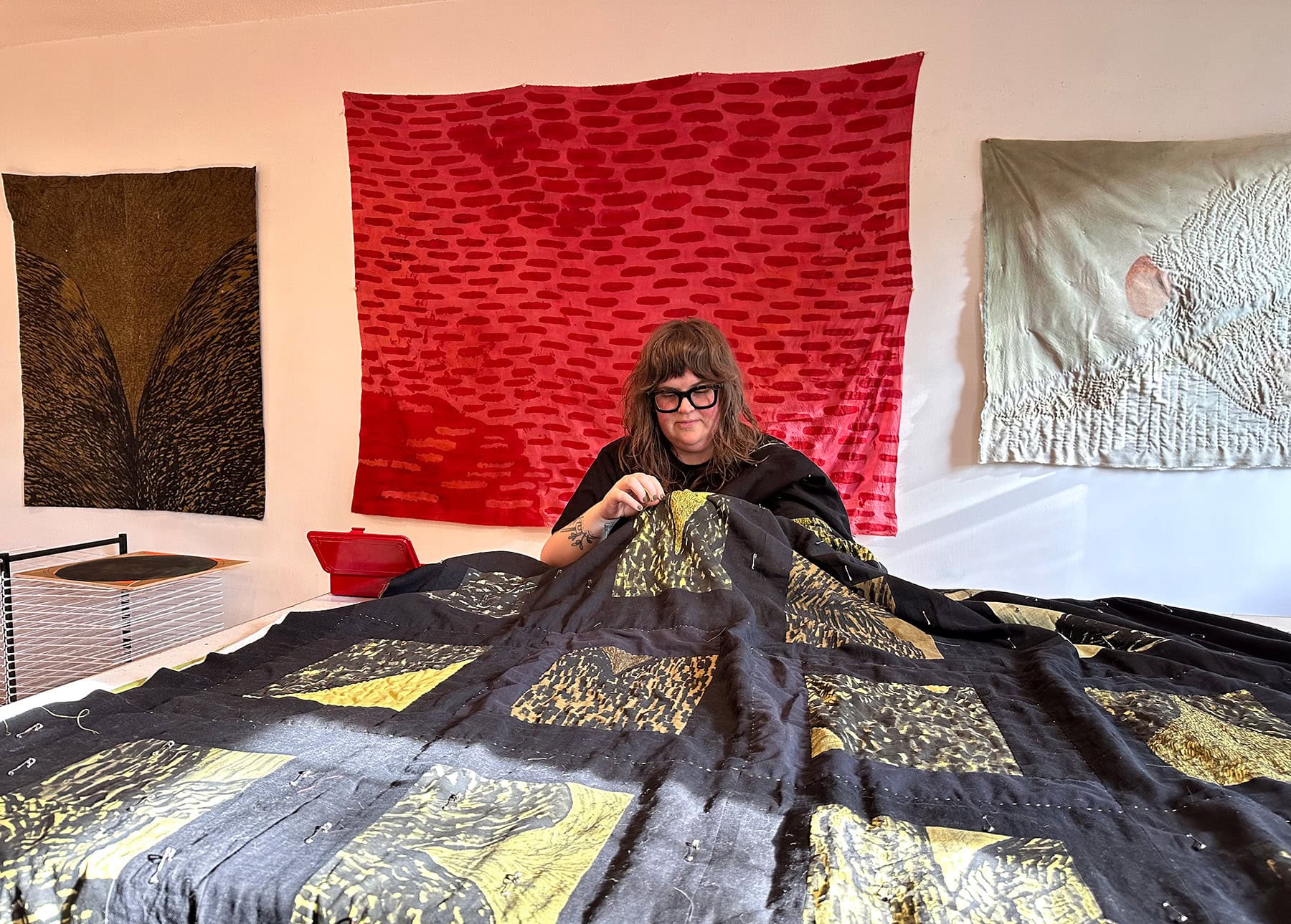
Casey Engel, an artist based in Asheville, North Carolina, is profiled in her studio, where she creates ceramic, fiber, and paper works that blend craft traditions with avant-garde sensibilities. The article, structured as an interview with writer Merin McDivitt, explores Engel's tactile process—from pinching clay to hand-stitching quilts—and her emphasis on touch, intuition, and the tension between functionality and art. Engel previously curated over sixty shows at Blue Spiral 1 before dedicating herself full-time to her own practice.

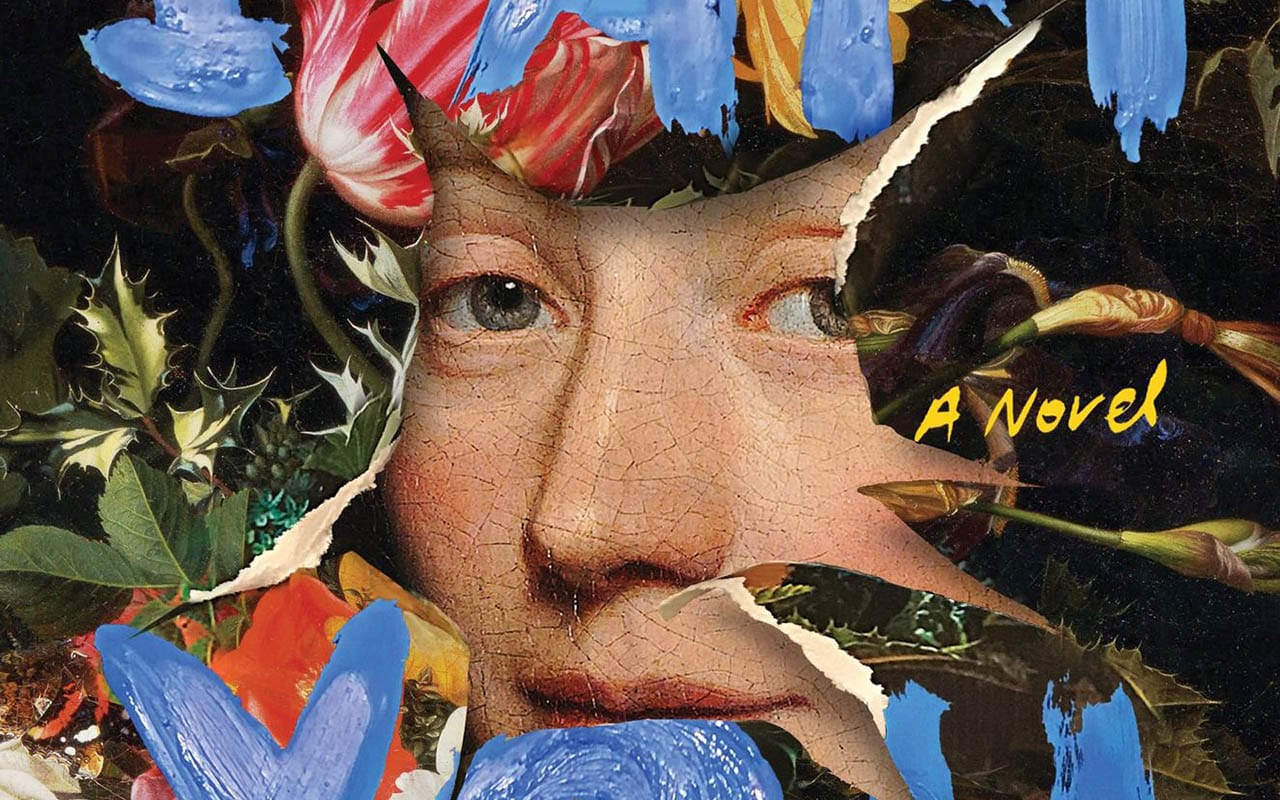
The Painted Book Cover Is Back

The article reports on a growing trend in book cover design: the use of painted, figurative artwork instead of stock photos or digital renderings. Publishers are increasingly licensing paintings by artists from Hilma af Klint to Shannon Cartier Lucy, seeing them as a way to signal cultural authority and intellectual rigor. The trend is discussed through examples like Victoria Redel's *I Am You* (2025) and Kyung-Ran Jo's *Blowfish* (2025), with insights from LiteraryHub Managing Editor Emily Temple and Astra House publisher Benjamin Schrank.

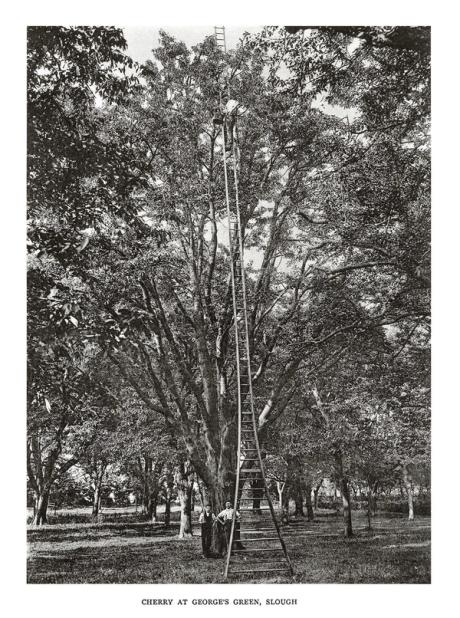
Shoot and branch: new photography book highlights the enduring majesty of trees

A new photography book, *Trees of Great Britain and Ireland*, reproduces over 60 photographs originally taken between 1906 and 1913 for Henry John Elwes and Augustine Henry's ambitious seven-volume catalogue of tree species. The images, mostly by uncredited photographers, were printed using a collotype process by the Autotype Company and are now newly lithoprinted to preserve their tonal subtlety. The book includes an introduction by Michael Pritchard and notes by photographic historian Björn Andersson, highlighting the historical and aesthetic significance of these botanical photographs.

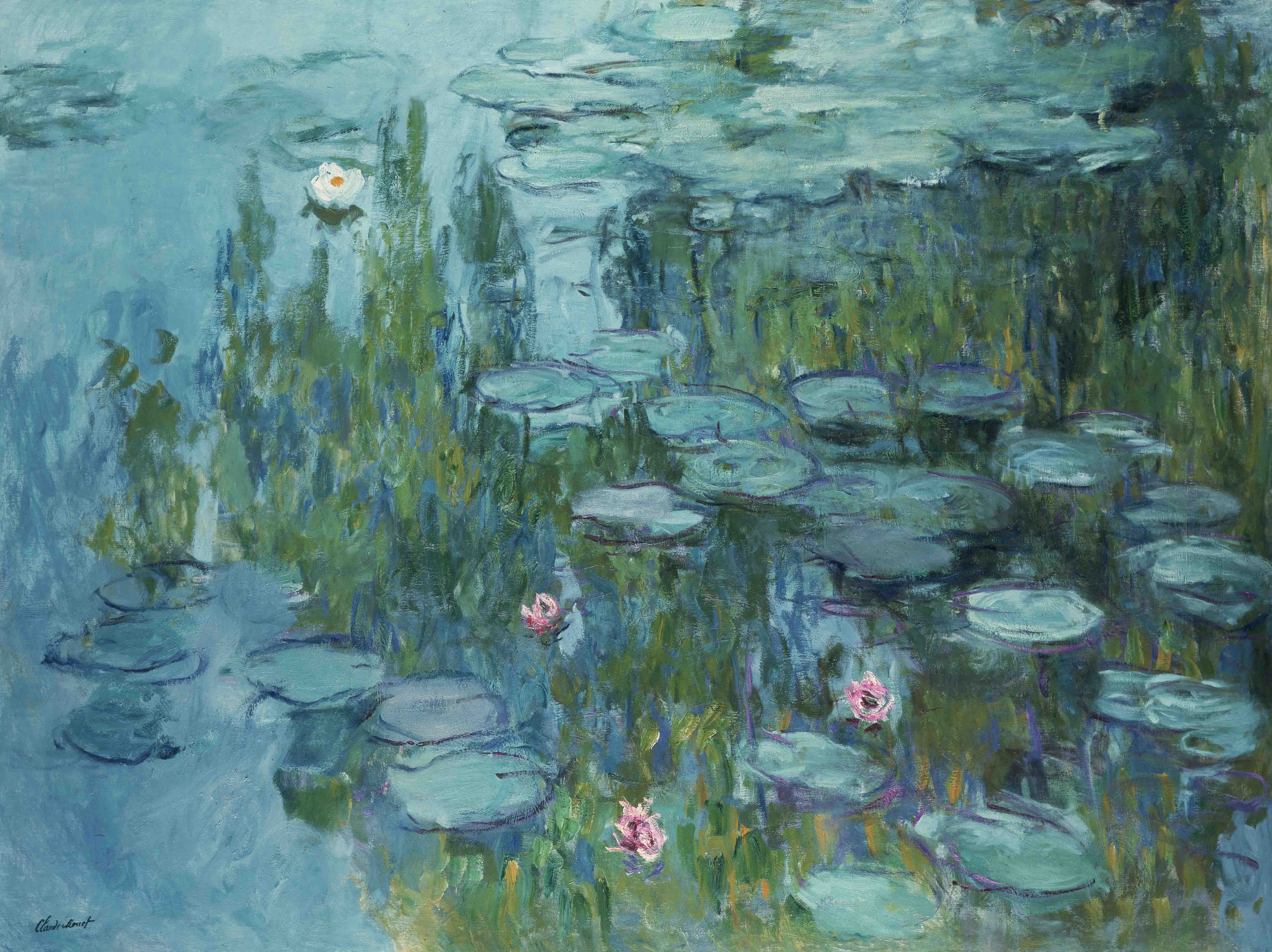
A Water Lily is a Water Lily is a Water Lily

Eine Seerose ist eine Seerose ist eine Seerose

Anonymous internet artist SHL0MS posted an image of a Monet water lily painting on X, falsely claiming it was AI-generated. Thousands of users criticized the image's aesthetics, after which SHL0MS revealed it was actually a real Monet. He then minted the image as an NFT, sold it for around $40,000, and framed the entire episode as a conceptual artwork titled "Inferior Image," claiming it critiques online disinformation and debate culture.

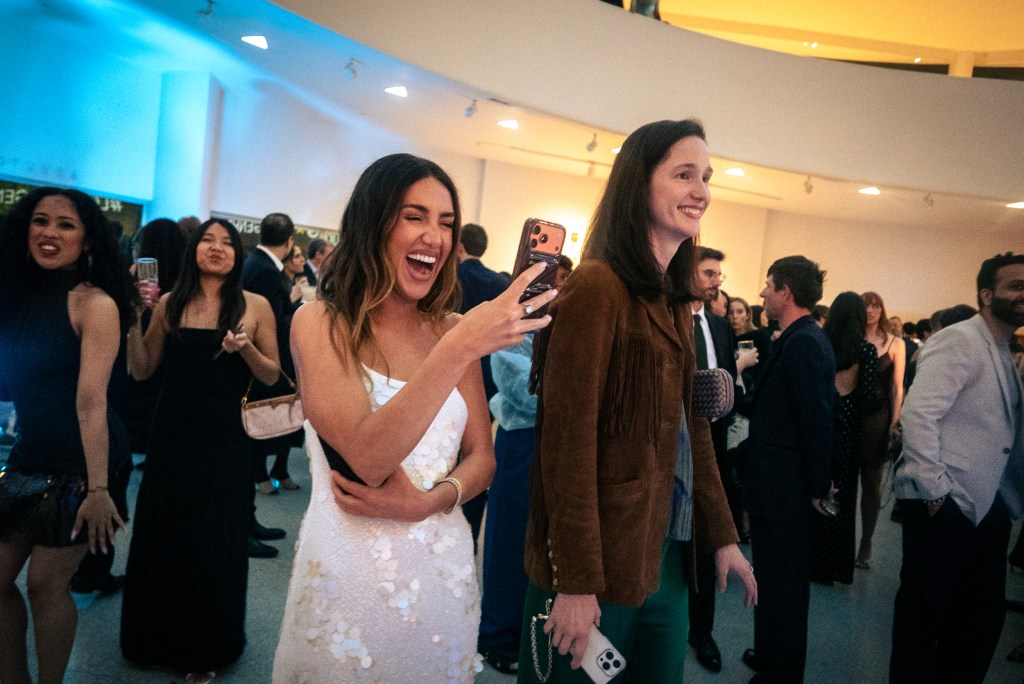
Elle Peréz Gets Personal with the Next-Gen Collectors Changing the Art World

Elle Peréz, a photographer and co-chair of the Young Collectors Council (YCC) at an unnamed museum, discusses the group's activities in an interview. The YCC meets twice a year to acquire artworks through a transparent process involving curator presentations and studio visits, with members voting on acquisitions. Peréz highlights the party celebrating Diane Severin Nguyen's commissioned piece, noting the seamless integration of music, art, and aesthetics, and emphasizes that the acquisition meetings are the core of the group's appeal.

Nei grandi capolavori della storia dell’arte si sorseggia una celebre birra belga. Il video

Stella Artois, the Belgian beer brand, has launched a campaign called "The Artois Probability" that uses an algorithm to analyze historical paintings and calculate the likelihood that the beer depicted in them is actually Stella Artois. Developed in 2023 by the agency GUT in collaboration with the Museo de Bellas Artes in Buenos Aires, the campaign examines variables such as the painting's year, geographic location, glass type, and liquid color, cross-referencing them with the brand's archives. The campaign includes works by artists like Manet, Brueghel, and Brouwer, and aims to make viewers think of Stella Artois whenever they see a beer in a painting.

Two Major Architecture Firms Aim to Revolutionize Rome Over the Next 25 Years

Due grandi studi di architettura puntano a rivoluzionare Roma nei prossimi 25 anni

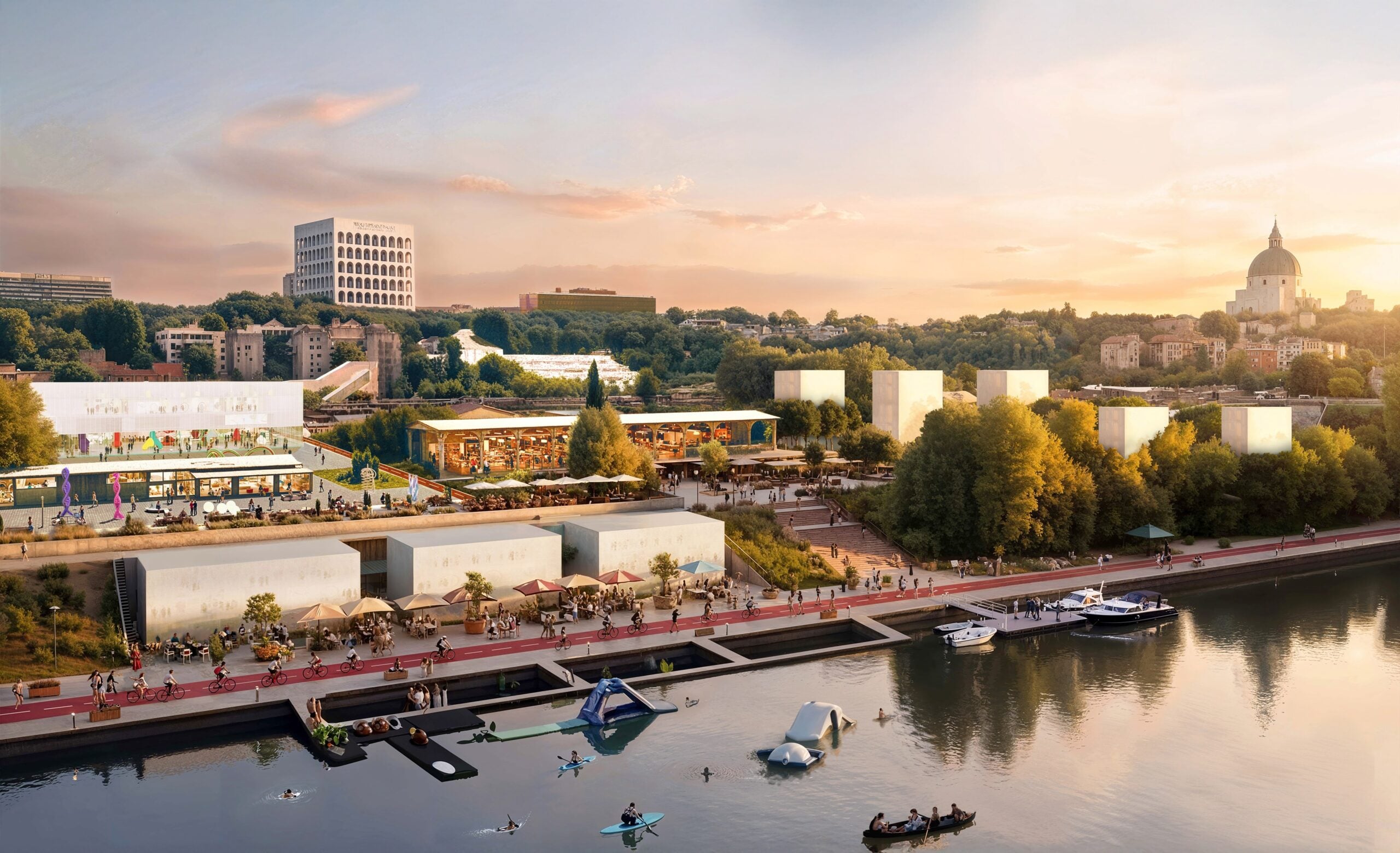
A multidisciplinary team led by Italian architecture and urban planning firm IT'S and Dutch firm OMA has won the international ideas competition "Vision for Rome," promoted by the Fondazione Roma REgeneration. Their project, "Roma Continua," was presented at the Auditorium della Tecnica di Confindustria during the second ROMA REgeneration FORUM. The proposal aims to rethink Rome over the next 25 years through a paradigm shift in urban, social, and cultural planning, envisioning the city as a living ecosystem. It is based on five guiding principles—care, beauty, knowledge, movement, reuse, and grafting—and includes five green corridors anchored to the Tiber River, "Fori dell'innovazione" (innovation forums), and a continuous mobility network. The project also seeks to reduce tourist pressure on the historic center by creating new cultural itineraries and sustainable transport links.