filter_list Showing 6 results for "Local" close Clear
search
dashboard All 293 article local 134museum exhibitions 131article news 8article culture 6person people 6article policy 5trending_up market 2candle obituary 1
date_range Range Today This Week This Month All
Subscribe

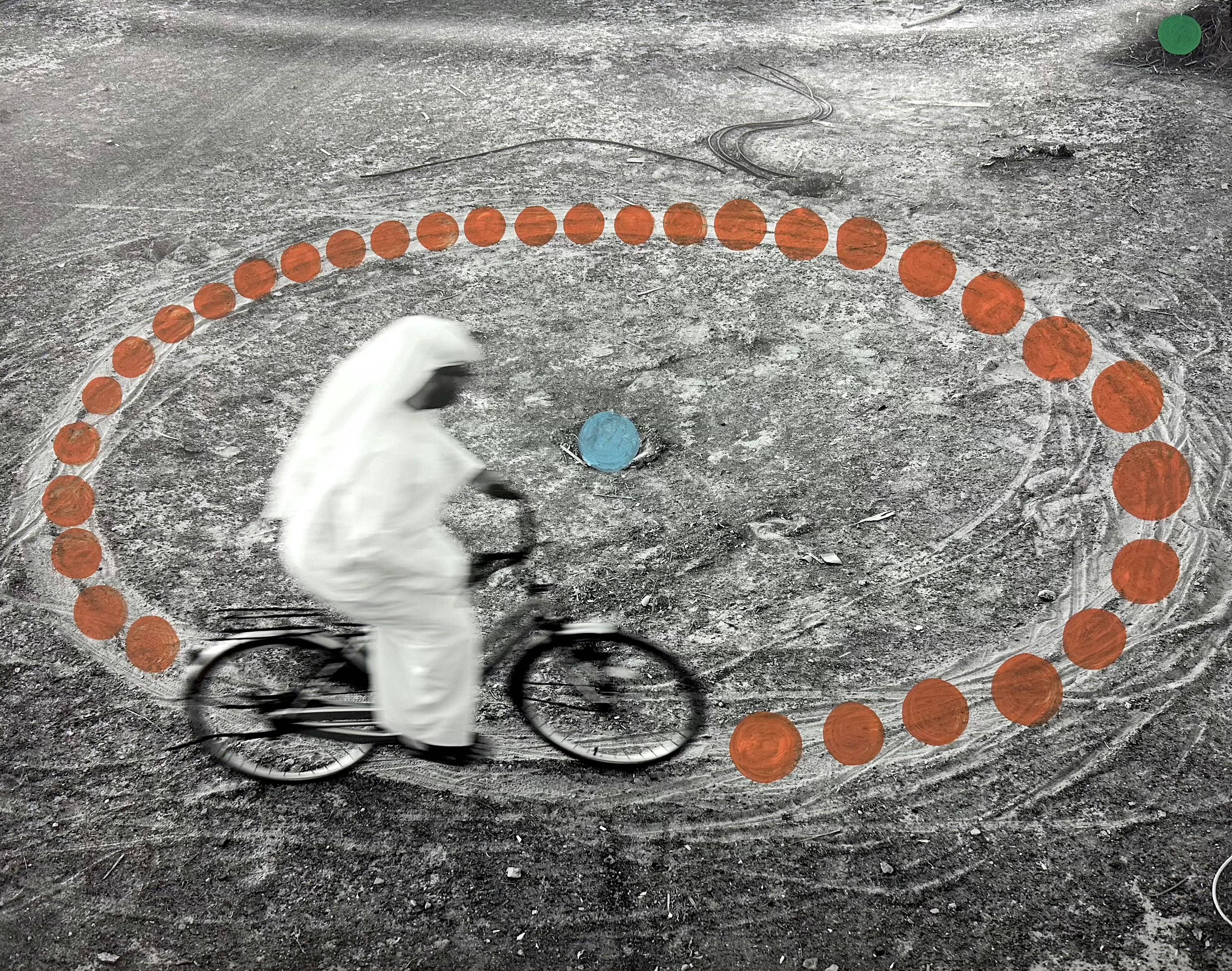
11 Contemporary Emirati Artists To Know

The article highlights 11 contemporary Emirati artists, providing an overview of their practices and significance within the Gulf's evolving art scene. It contextualizes this list against recent major events in the region, including the debut of Art Basel Qatar in early February and the subsequent U.S. attacks on Iran, which caused turmoil across the Gulf, disrupted airline operations, and forced Art Dubai to scale back its event to a smaller fair in mid-May. Artists and galleries in the Gulf also had to temporarily close.
The other side of the art world

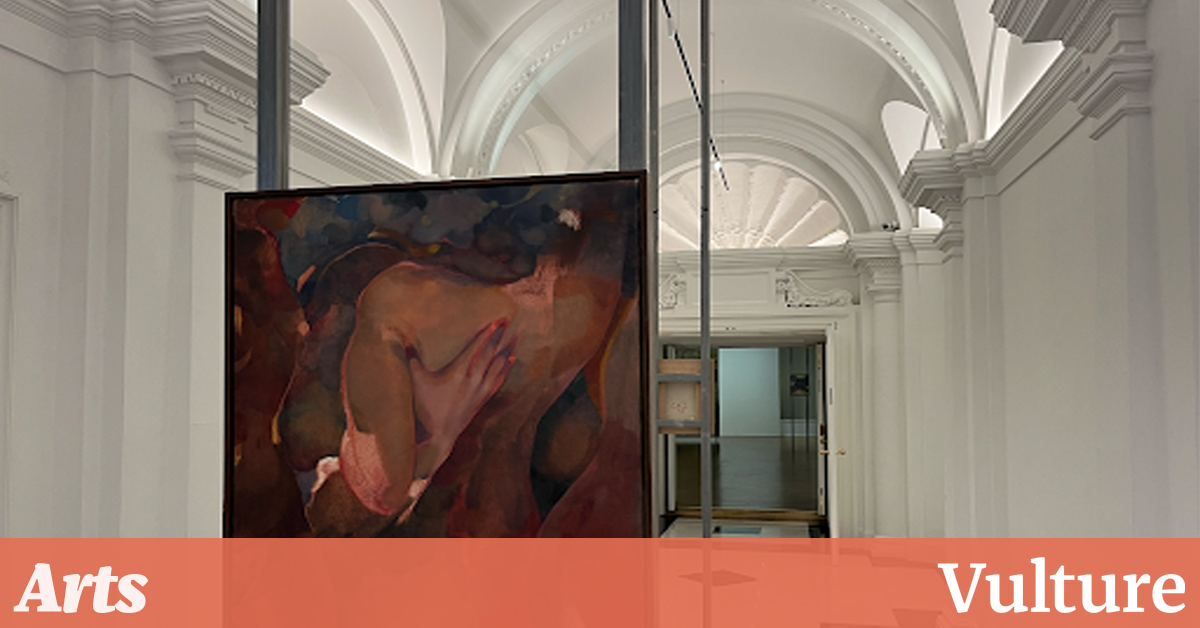
Isabel Adair recounts her visits to commercial art galleries in London and Cambridge, describing the experience of viewing Eva Pade's exhibition at Galerie Thaddeus Ropac in Mayfair and the abstract works at Byard Art near King's College. She highlights the contrast between the polished, elite atmosphere of a high-end Mayfair gallery and the more accessible, profit-driven local gallery, while noting the freedom and openness of these spaces to the public.

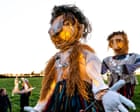
Go big or go home: how The Lost Giants revived the ancient art of goliath-making

The Lost Giants (TLG), an art collective based in Lostwithiel, Cornwall, is reviving the British tradition of making processional giants—large, community-built figures made from wood, cloth, and papier-mâché. Founded three years ago by theatre designer Ruth Webb and her sister-in-law Amy Webb, the group has created giants for events ranging from local lantern parades to a harvest procession at Hauser & Wirth’s Somerset gallery. This New Year’s Eve, environmentalist Lisa Schneidau joined a massive procession of these giants in Lostwithiel, describing it as an extraordinary experience. The collective recently issued a public callout for an environmental group to collaborate on making a new beastie.

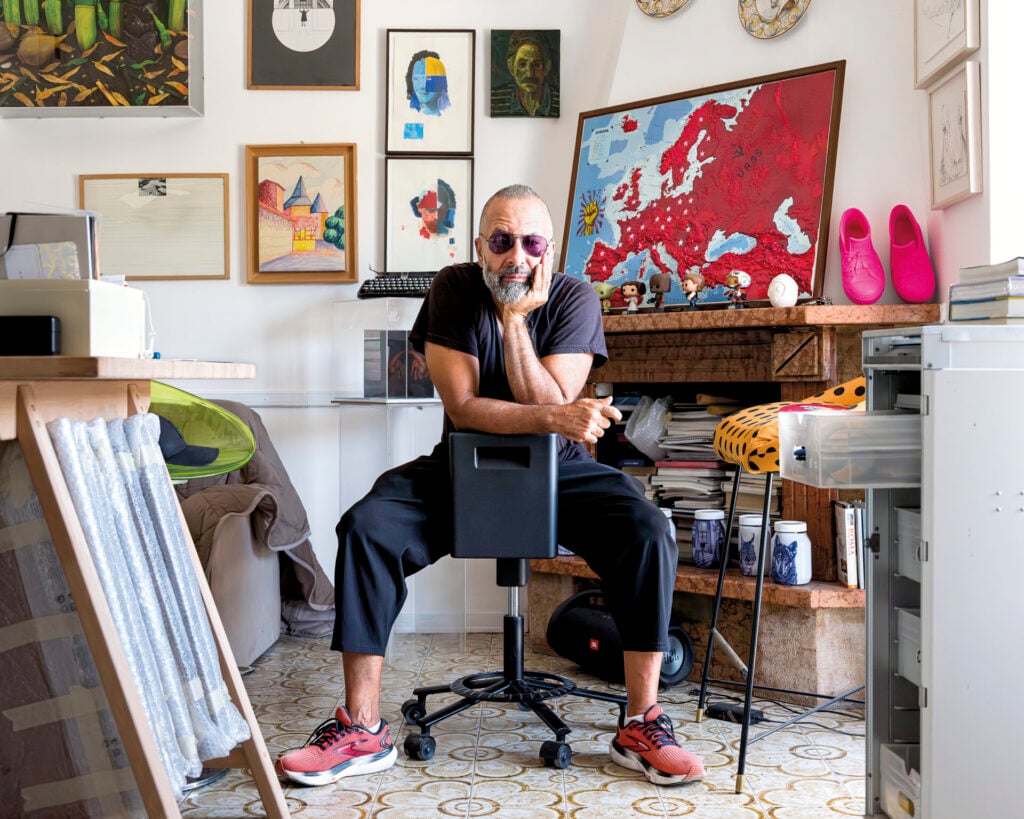
Provincia Cosmica. Interview with Giuseppe Stampone, the artist who chose Gran Sasso as his home

Provincia Cosmica. Intervista a Giuseppe Stampone, l’artista che ha scelto il Gran Sasso come casa

Italian contemporary artist Giuseppe Stampone, born in Cluses in 1974, has returned to his native Abruzzo after years living in New York, Rome, and Brussels. Following the loss of his parents, he established his studio in the province of Teramo, where he is restoring a farmhouse under the Gran Sasso mountain to house the Archivio Giuseppe Stampone-Maria Crispal and an artist residency called Abruzzo Mon Amour. Stampone won the PAC2021 prize for his project "La natura delle cose," which explores his bond with the region and will create an archive dedicated to the flora and fauna of the Monti della Laga, Parco Nazionale d’Abruzzo, and Gran Sasso areas.

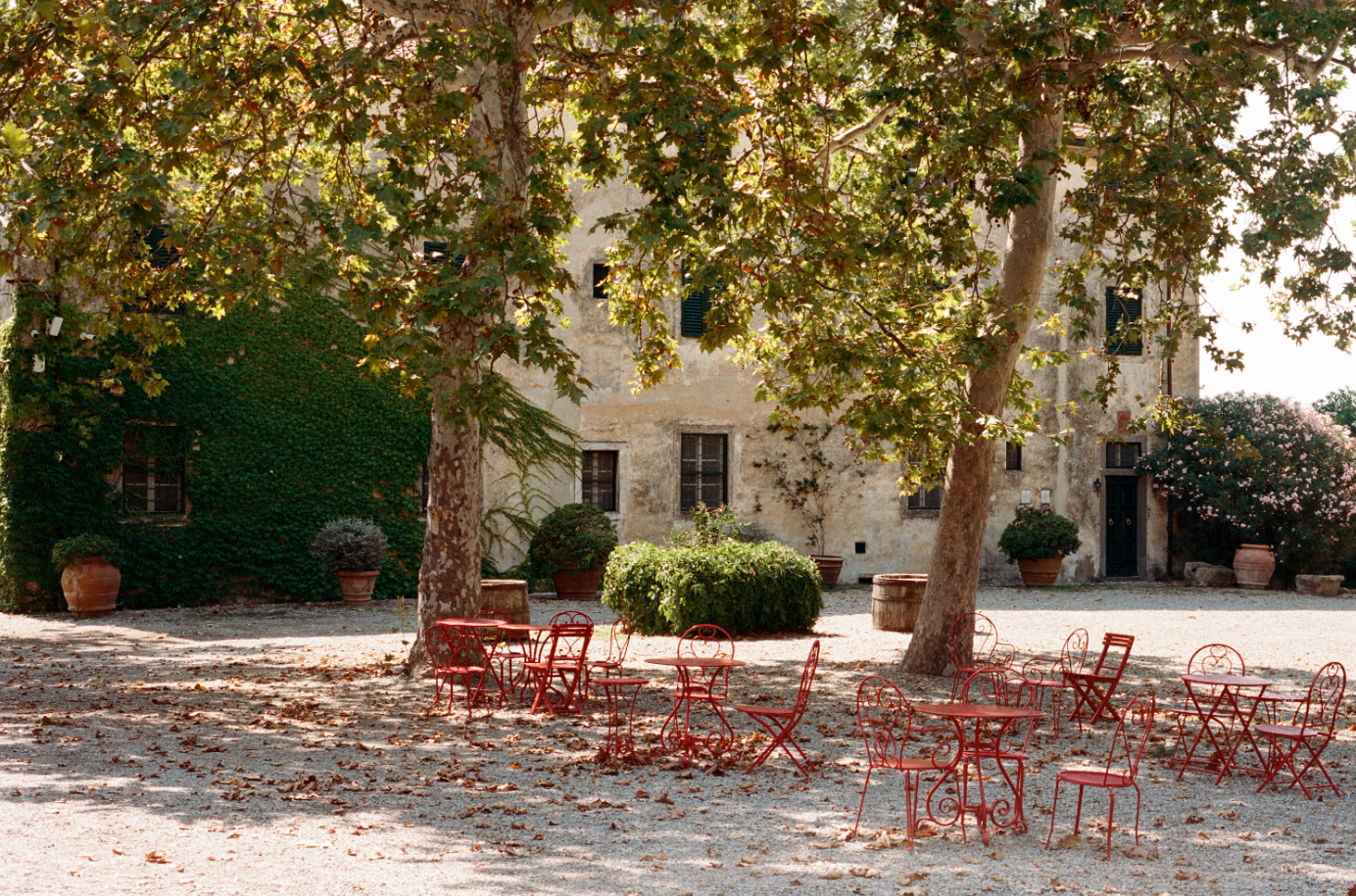
Two photographers tried to tell Tuscany beyond the usual clichés

Due fotografi hanno provato a raccontare la Toscana oltre i soliti cliché

The article profiles photographers Gioconda Rafanelli and August Kaciuruba, who are contributing to the "How Italy Feels" project curated by Marina Serena Cacciapuoti and Cesare Cacciapuoti of Italy Segreta. The project involves twenty local photographers capturing Italy beyond stereotypes. In the Tuscany chapter, Rafanelli and Kaciuruba present a lived, off-duty vision of the region, blending fashion, architecture, and cinematic influences. They discuss their collaborative process, their shared gaze, and how their work shifts between the fast pace of Milan and the slower rhythms of Tuscany, drawing inspiration from filmmakers like Wong Kar-wai, Stanley Kubrick, Luchino Visconti, and Michelangelo Antonioni.

The dialogue between painter Vichit Nongnual and art history

The article explores the artistic practice of Thai painter Vichit Nongnual, examining how his work engages in a continuous dialogue with art history. It highlights his unique approach to blending traditional Thai artistic elements with contemporary techniques, positioning his paintings as a bridge between past and present visual cultures.