filter_list Showing 34 results for "Lore" close Clear
dashboard All 741 museum exhibitions 531article local 67article culture 34article news 32rate_review review 31person people 23trending_up market 10gavel restitution 5candle obituary 5article policy 2article event 1
date_range Range Today This Week This Month All
Subscribe

More Than Breakfast

Mehr als Frühstück

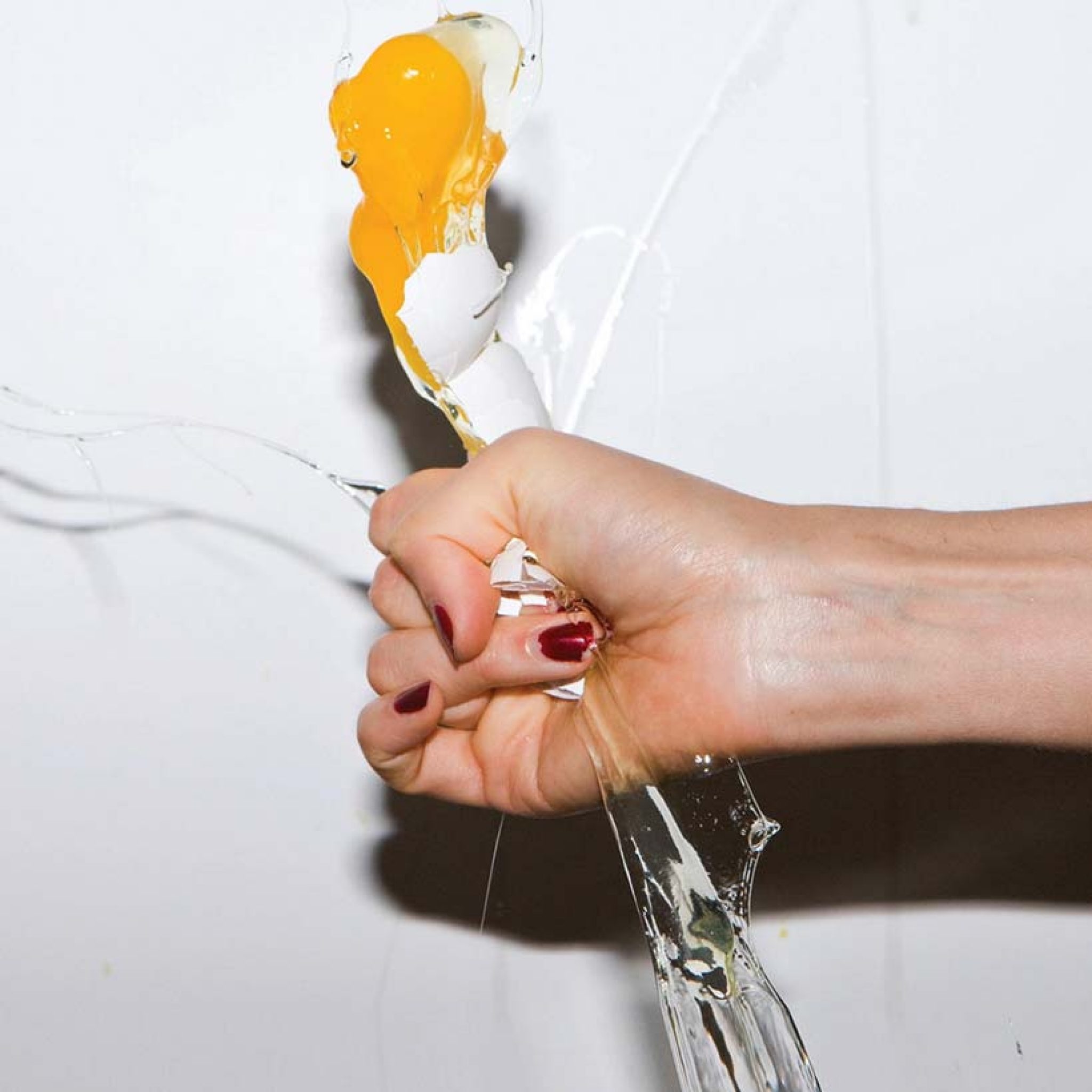
The article explores the enduring presence and symbolism of the egg as a motif throughout art history. It highlights works by artists from Hieronymus Bosch and Pieter Bruegel the Elder to Salvador Dalí and Constantin Brâncuși, showing how the egg has been used in painting, sculpture, and photography to represent themes of origin, life, and perfect form.
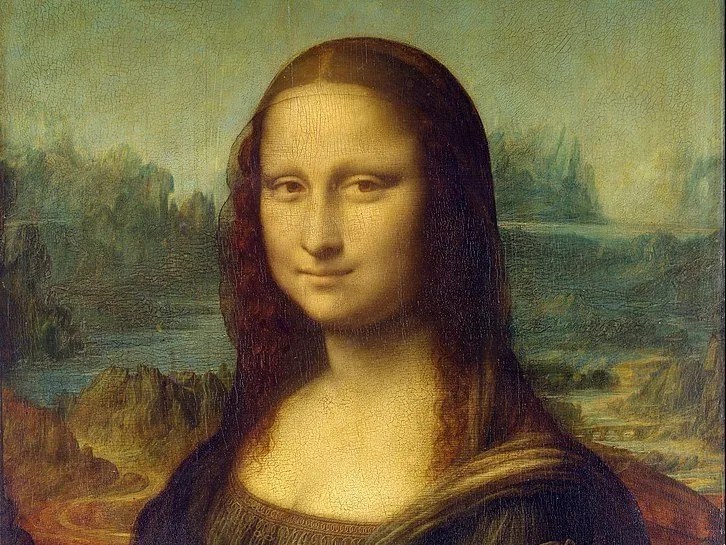
Andrew Lloyd Webber Is Writing a Musical About the Heist that Made ‘Mona Lisa’ Famous

Renowned composer Andrew Lloyd Webber has announced he is developing a new musical centered on the 1911 theft of Leonardo da Vinci’s Mona Lisa. The production will dramatize the true story of Vincenzo Peruggia, a Louvre employee who stole the masterpiece and hid it for two years before it was recovered in Italy. Lloyd Webber revealed the project following the Broadway opening of Cats: The Jellicle Ball, noting that he is beginning the writing process immediately.

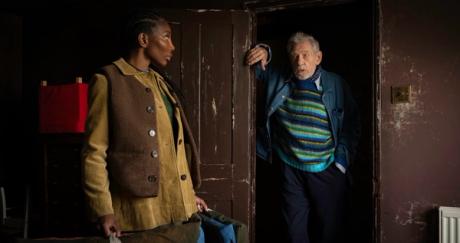
In The Christophers, an aging artist’s unfinished masterpieces are subjects of speculation and scheming

The Christophers is a new film starring Ian McKellen as Julian Sklar, a once-celebrated 1970s painter who has become a social pariah and reality TV villain. The plot follows a 'reverse art heist' where Sklar’s estranged children hire a restorer and former forger, played by Michaela Coel, to secretly finish a series of nine incomplete portraits of his former lover. The goal is to inflate the works' market value so they can be 'discovered' as masterpieces upon the aging artist's death.

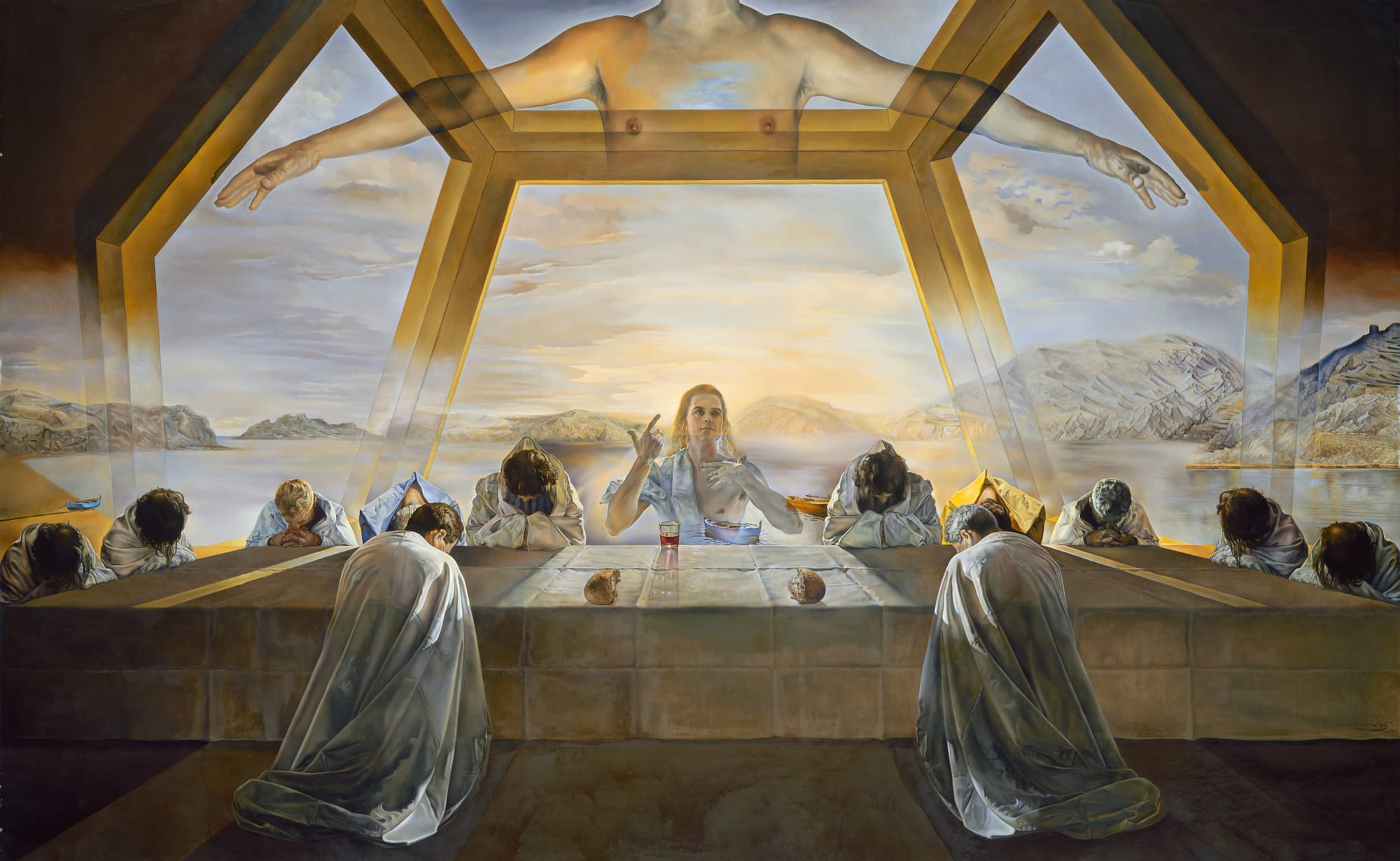
Salvador Dalí’s Frustrating Vision of the Divine

A feature article examines Salvador Dalí's controversial religious painting "Christ of Saint John of the Cross" (1951), which was physically attacked by vandals on two separate occasions—once with a rock in 1961 and later with an air rifle. The painting, part of Dalí's "Nuclear Mysticism" phase, depicts a floating, unblemished Christ from an aerial perspective, based on a drawing by the mystic St. John of the Cross and modeled by a Hollywood stunt double.

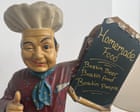
I thought my cuckoo clock was amazing, but it’s got nothing on my statue of Bert the cheery chef | Adrian Chiles

Adrian Chiles, a writer and broadcaster, recounts his acquisition of a whimsical figurine of a cheerful chef, which he named Bert after the reclamation yard owner from whom he bought it in the Black Country. He describes the personal joy and daily lift the statue brings him, contrasting it with a cuckoo clock whose novelty eventually wore off. Chiles details the statue's charming, slightly worn appearance and its role as a conversation piece, particularly due to the West Midlands slang word "bostin'" written on its menu board.

‘Barbara Windsor smacked our bottoms!’ Pet Shop Boys on showstopping visuals, horrified bosses – and snubbing the queen

The Pet Shop Boys have released a comprehensive 600-page visual monograph titled 'Pet Shop Boys: Volume,' documenting over 40 years of their aesthetic evolution. The book explores the duo's collaboration with high-profile artists, photographers, and directors including Wolfgang Tillmans, Alasdair McLellan, Derek Jarman, and long-time designer Mark Farrow. It highlights how Neil Tennant and Chris Lowe utilized the music industry's 1980s boom to treat pop music as a 'Gesamtkunstwerk' (total work of art), merging avant-garde fashion, minimalist graphic design, and cinematic music videos.

What Art Can Do

A conversation between German author and filmmaker Alexander Kluge and curator Hans Ulrich Obrist, originally published in 2017, has been republished following Kluge's recent death at age 94. The dialogue explores the unique capacities of different art forms, the need for interdisciplinary collaboration, and the role of art as an "oasis" or "garden" within an overwhelming technological landscape.

How Duchamp Inspired These 4 Artists

Contemporary artists continue to grapple with the legacy of Marcel Duchamp, specifically his 1917 readymade "Fountain." This analysis highlights four modern creators who have directly referenced or reinterpreted the iconic porcelain urinal to explore themes of gender, domesticity, and institutional critique.

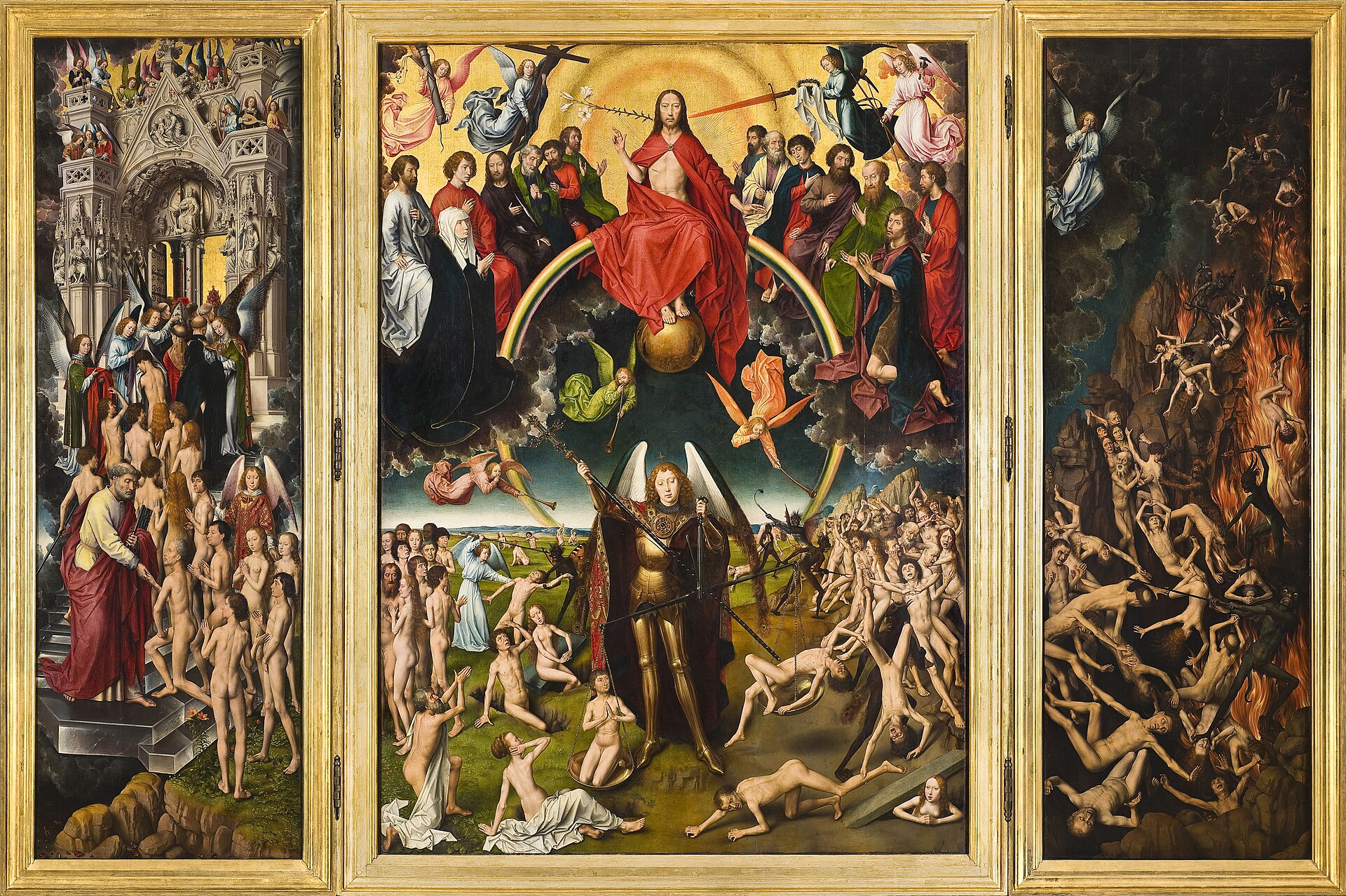
What Hans Memling's Last Judgment Still Tells Us

Was uns Hans Memlings Jüngstes Gericht noch sagt

Hans Memling's 15th-century triptych "The Last Judgment" is currently undergoing restoration at the National Museum in Gdańsk, Poland, and is expected to be off view until the end of the year. The artwork, painted before 1465, has a dramatic provenance, having been captured at sea by a privateer en route from Bruges to Florence and eventually finding a permanent home in Gdańsk after various displacements.

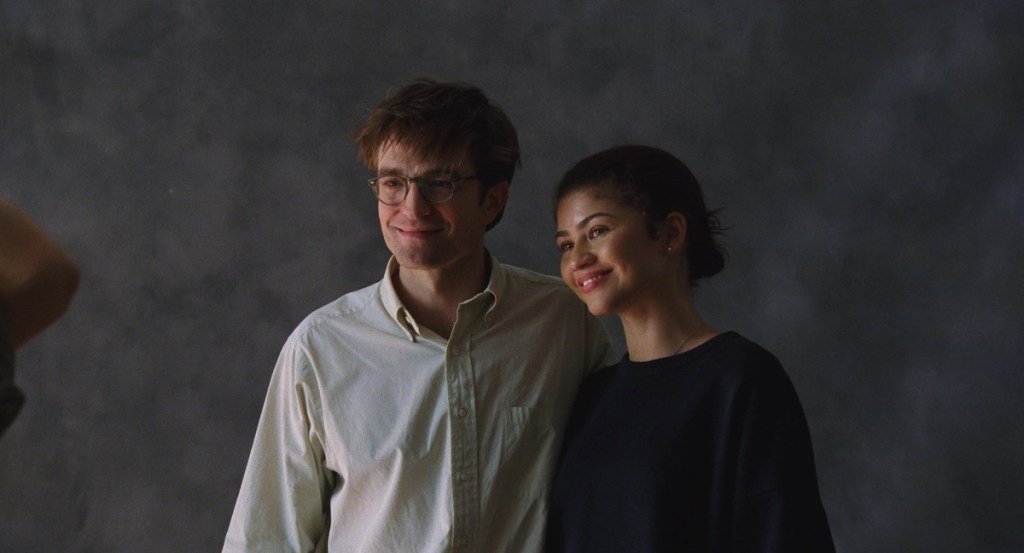
Did This Photographer’s Provocative Work Inspire a Key Plot Point in The Drama?

The new film *The Drama*, directed by Kristoffer Borgli and starring Zendaya and Robert Pattinson, features a central plot point involving a fictional photobook titled *Brainrot*. In the movie, Pattinson’s character, a museum curator, becomes obsessed with the book's provocative imagery of young women with firearms after learning of his fiancée’s past violent intentions. While *Brainrot* is a fictional creation, its aesthetic and subject matter draw significant parallels to Lindsay McCrum’s 2011 photography book, *Chicks with Guns*, which documented the diverse demographics of female gun owners in America.

How Australian Chefs and Farmers Are Rediscovering the Ingredients That Have Been There All Along

Author Bruce Pascoe and a new generation of Australian chefs are leading a movement to rediscover and commercialize native Indigenous ingredients like kangaroo grass, Kakadu plums, and wattleseeds. By revisiting historical archives and journals from 19th-century explorers, Pascoe’s research in his book *Dark Emu* challenges the colonial narrative that Indigenous Australians were solely nomadic hunter-gatherers, revealing instead a sophisticated history of permanent settlements, irrigation, and organized agriculture.

A truckload of F1 KitKats, a painting of fish: what is it that makes heists so delicious? | Imogen West-Knights

The article explores the curious public fascination with high-profile heists, using two recent examples as a springboard: the theft of 12 tons of Formula 1-themed KitKats from a truck in Italy and the robbery of paintings by Renoir, Cézanne, and Matisse from a museum in northern Italy. The author notes that such stories reliably go viral, not due to outrage but because people find them thrilling and even amusing, especially when the victims are large corporations or when the crime feels audacious and tangible.

Learning is something aesthetic and emotional. Marco Dallari says so in his latest book (and in this interview)

L’apprendimento è qualcosa di estetico e di emotivo. Lo dice Marco Dallari nel suo ultimo libro (e in questa intervista)

Italian pedagogist Marco Dallari discusses his latest book, "La bellezza di Sophia" (2026), which explores the intrinsic human drive for knowledge as an aesthetic and emotional necessity rather than a pragmatic survival tool. Drawing on Freudian concepts and the work of Alessandra Risso, Dallari argues that the desire to learn is a primal impulse that should be nurtured through beauty and curiosity rather than stifled by rigid institutional structures.

Collapse Finance, Part 2: Longevity Capitalism—Life as an Asset Class

The essay explores the emergence of "longevity capitalism," a financial and biopolitical regime where biological duration and life expectancy are treated as assets for capital accumulation. As traditional welfare systems and collective pension schemes collapse, the uncertainty of human lifespan has been transformed into a speculative frontier, with retirement security increasingly tied to volatile private equity and cryptocurrency markets.

At the Feast of the Revolution: A Film to Tell the Story of Gabriele D’Annunzio’s Fiume Enterprise

Alla Festa della Rivoluzione. Un film per raccontare l’impresa a Fiume di Gabriele D’Annunzio

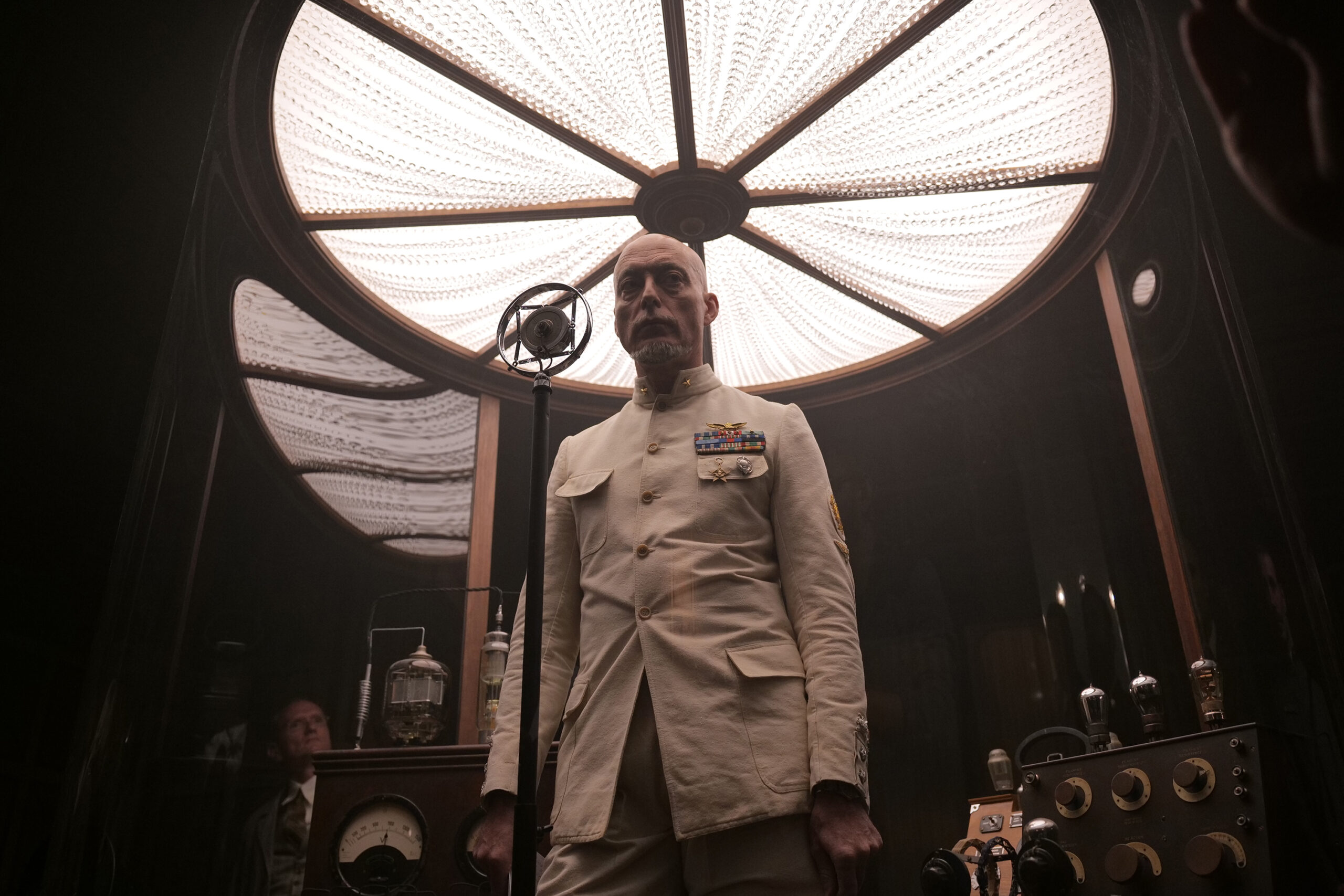
Director Arnaldo Catinari’s new film, *Alla Festa della Rivoluzione*, explores the 1919 occupation of Fiume led by the poet-soldier Gabriele D’Annunzio. Distributed by 01 Distribution and set for a mid-April release, the film depicts the city-state as a visionary laboratory where art served as a structural foundation and social hierarchies were temporarily dismantled. The narrative follows three fictional characters—a spy, a government official, and a deserter—whose lives intersect amidst the political and aesthetic fever of the D’Annunzio enterprise.

What’s Your Star Sign? The Ancients Could Offer You Some Insight.

The article explores the ancient origins of astrology, tracing its foundational concepts to Babylonian, Egyptian, and classical civilizations. It details how these early cultures developed complex systems of celestial observation and interpretation that predate modern horoscope apps and the contemporary astrology industry.

‘Volcano Snake Sun, September’: A Poem by Ella Frears

Poet Ella Frears has composed a new literary work in response to Charlie Prodger’s 2024 drawing, 'Volcano Snake Sun, September'. The poem explores themes of observation, physical detachment, and the tension between tranquility and underlying violence, mirroring the shift in Prodger’s practice from conceptual film to representational pencil-and-pastel works on paper.

How to Feel the Benefits of Art, According to Psychologists

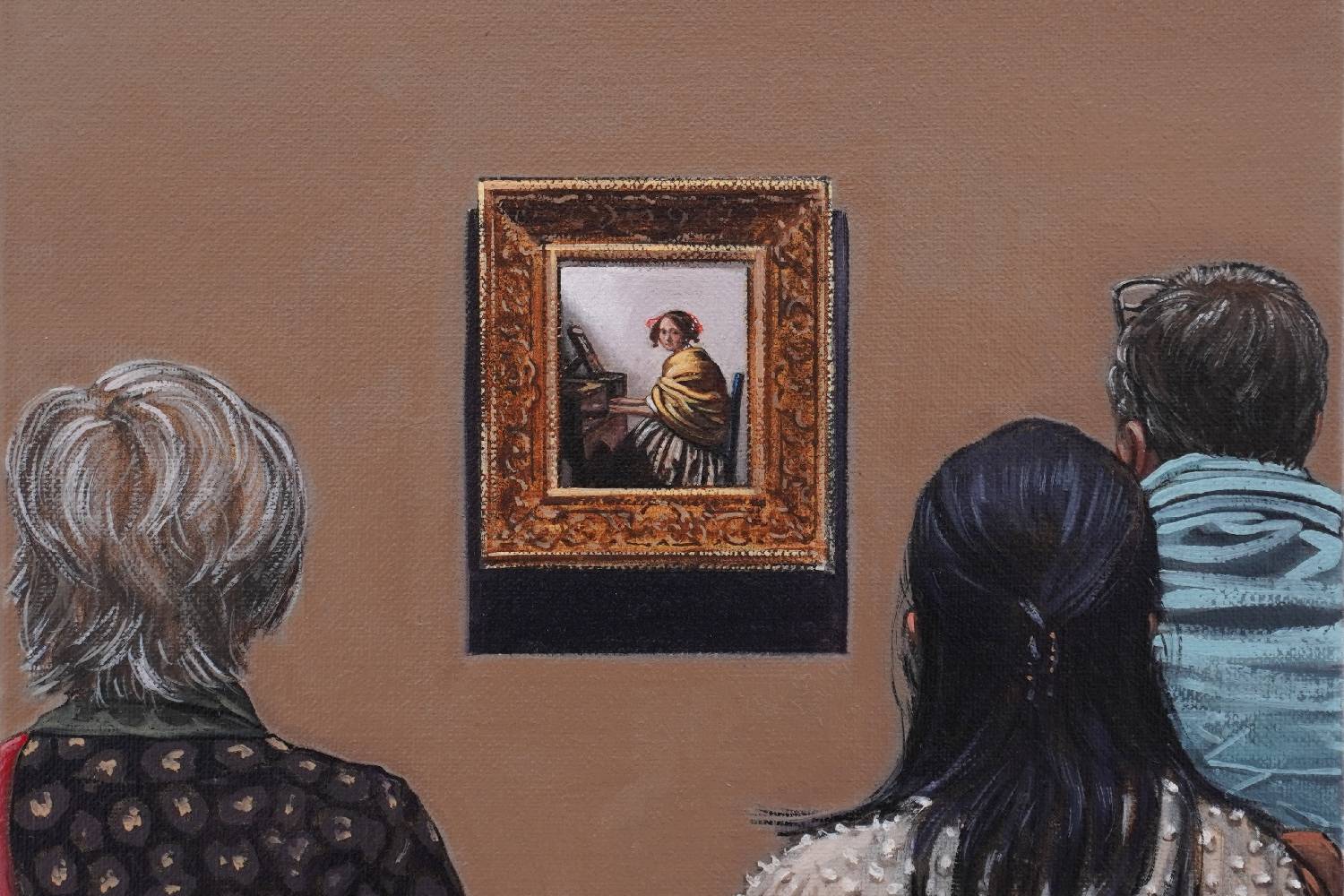
Recent psychological research confirms that engaging with visual art provides significant physical and mental health benefits, including the alleviation of depression, anxiety, and stress. Studies indicate that viewing art can also enhance cognitive functioning and social skills, prompting new initiatives to explore the specific mechanisms behind these wellness improvements.

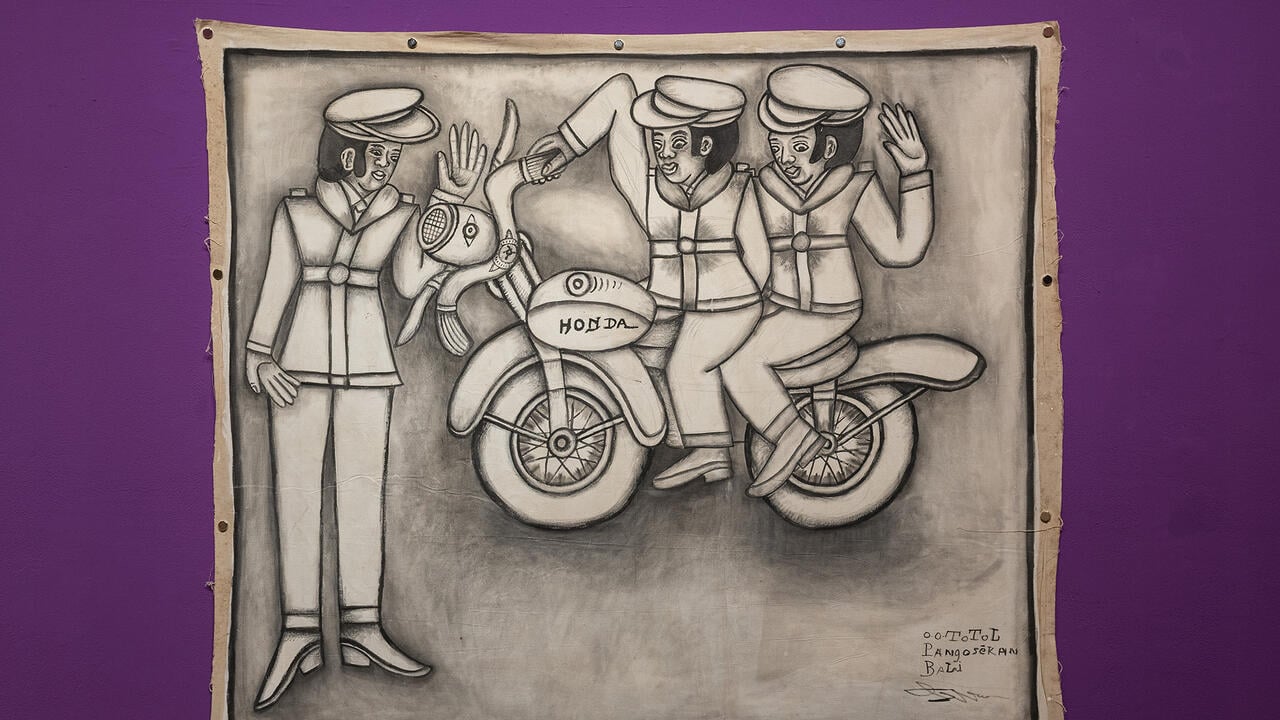
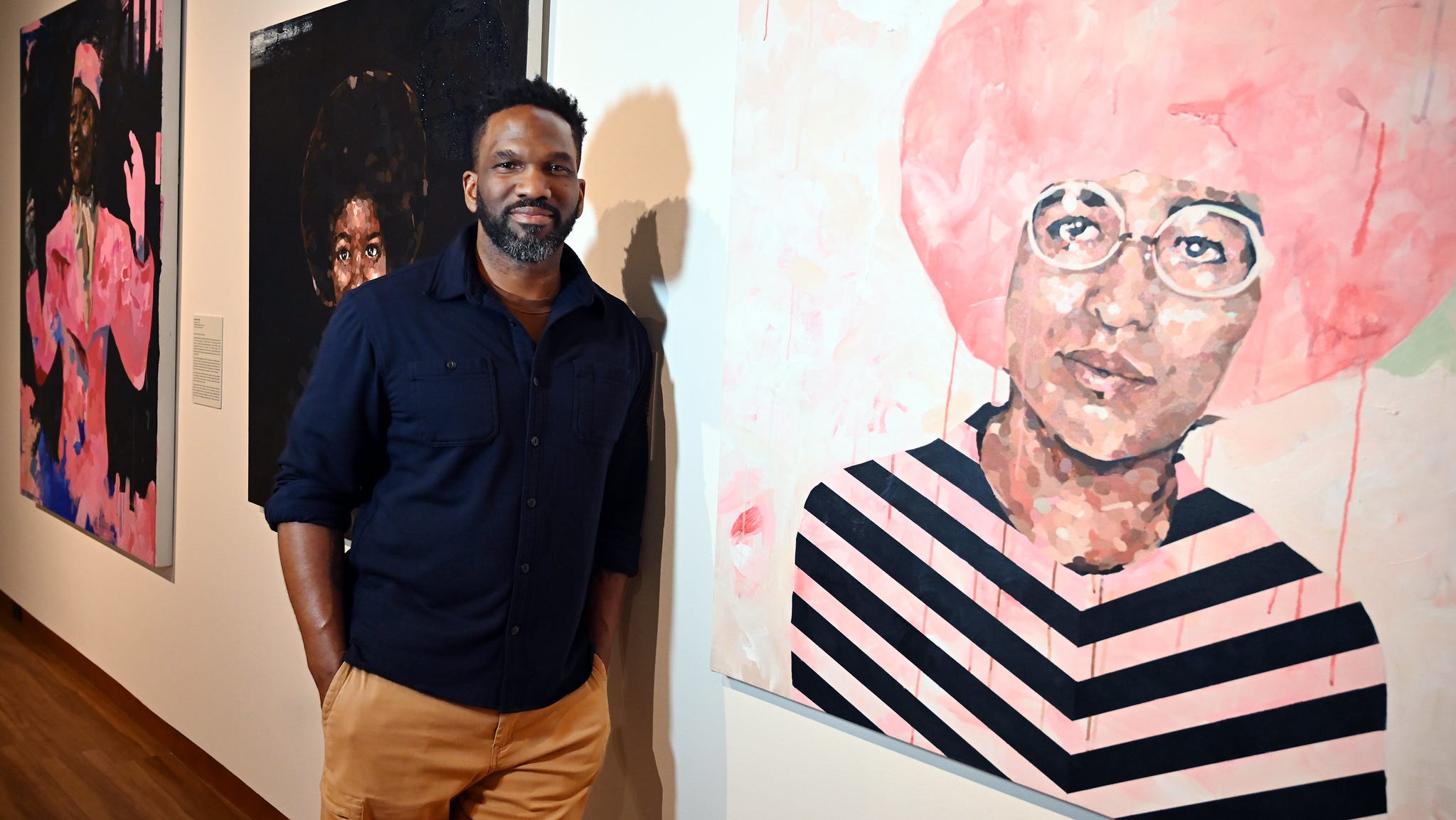
What Oototol’s Art Reveals about Indonesian History

Tara Anne Dalbow explores the emerging trend of 'one-work exhibitions,' where galleries and museums dedicate an entire show to a single masterpiece. This format encourages 'slow looking,' a meditative practice that prioritizes deep engagement and spatial experience over the rapid-fire consumption of images typical of the digital age.

'Presence of Color.' How race shaped photography | Opinion

The Fayetteville Observer explores the historical racial bias embedded in photographic technology through the lens of "Shirley Cards." These reference tools, used by film developers for decades to calibrate color balance, were based exclusively on the skin tones of white female models, resulting in poor image quality and distorted representations for Black and dark-skinned subjects.

The business of body art

The article explores the evolving economic landscape of the professional tattooing industry, shifting from a counter-culture fringe to a sophisticated global business sector. It details how artists and studio owners are adopting traditional corporate structures, including brand licensing, specialized retail products, and digital marketing strategies to capitalize on the increasing mainstream acceptance of body art.

What does it really mean to ‘age well’?

The article explores the concept of 'aging well' through the lens of art and creativity, examining how artists and cultural figures approach their later years. It discusses various perspectives on maintaining vitality, purpose, and artistic practice as one ages.

Navid Baraty’s Atmospheric Photos Explore Contrasting Scales of Time

Navid Baraty's series "The Time Between" combines digital photographs of urban skylines like Manhattan and Chicago with dramatic natural landscapes such as desert dunes and snow-capped mountains. Using a double-exposure technique, the artist blends city lights and skyscraper outlines with geological features to explore contrasts between contemporary urban life and ancient, timeless terrains.

Long Live the King?

Sam Jacob's essay in ArtReview uses the upcoming Baz Luhrmann film 'EPIC: Elvis Presley in Concert' (2026) as a springboard to explore the cultural and technical implications of digital restoration. The film, a spinoff from Luhrmann's 2022 Elvis biopic, draws on 59 hours of previously unseen footage from Elvis Presley's 1970 and 1972 Las Vegas performances, recovered from Warner's Kansas salt-mine archive. Using Peter Jackson's Park Road Post technology—including Machine Assisted Learning (MAL) for demixing audio and video—the damaged, fragmented material has been digitally scanned, reconstructed, and enhanced to 4k resolution with 12-channel sound, presented in IMAX cinemas.

« Le monde entier semble s’être mis en mouvement, animé par une soif d’expériences culturelles »

The article explores the transformation of cultural travel for artists and art lovers, contrasting the arduous, unknown journeys of historical figures like Eugène Delacroix, Paul Gauguin, and Ella Maillart with today's accessible, curated experiences. It describes how contemporary artists such as Ólafur Elíasson, JR, and Marina Abramović now use travel itself as a medium, creating works that engage with climate change, social issues, and presence. Destinations like the Venice Biennale, AlUla in Saudi Arabia, Naoshima in Japan, and Le Voyage à Nantes are highlighted as hubs where art and travel merge into immersive, sensory experiences.

Contrast Reigns in Austn Fischer’s Conspicuous Black-and-White Photos

Austn Fischer, a Wisconsin-born, London-based photographer, creates black-and-white images that explore fashion as performance and identity. His work features striking contrasts, such as lace ruffs paired with athletic wear, and he has collaborated with clients like The New Statesman and Crack Magazine, photographing subjects including Ai Weiwei and David Byrne. Fischer describes his process as working backwards, arranging scenes intuitively and later reflecting on their personal significance, especially regarding his sexuality and masculinity.

An artist told the incredible story of a Calabrian village that no longer exists. The interview

Un artista ha raccontato l’incredibile storia di un borgo della Calabria che non c’è più. L’intervista

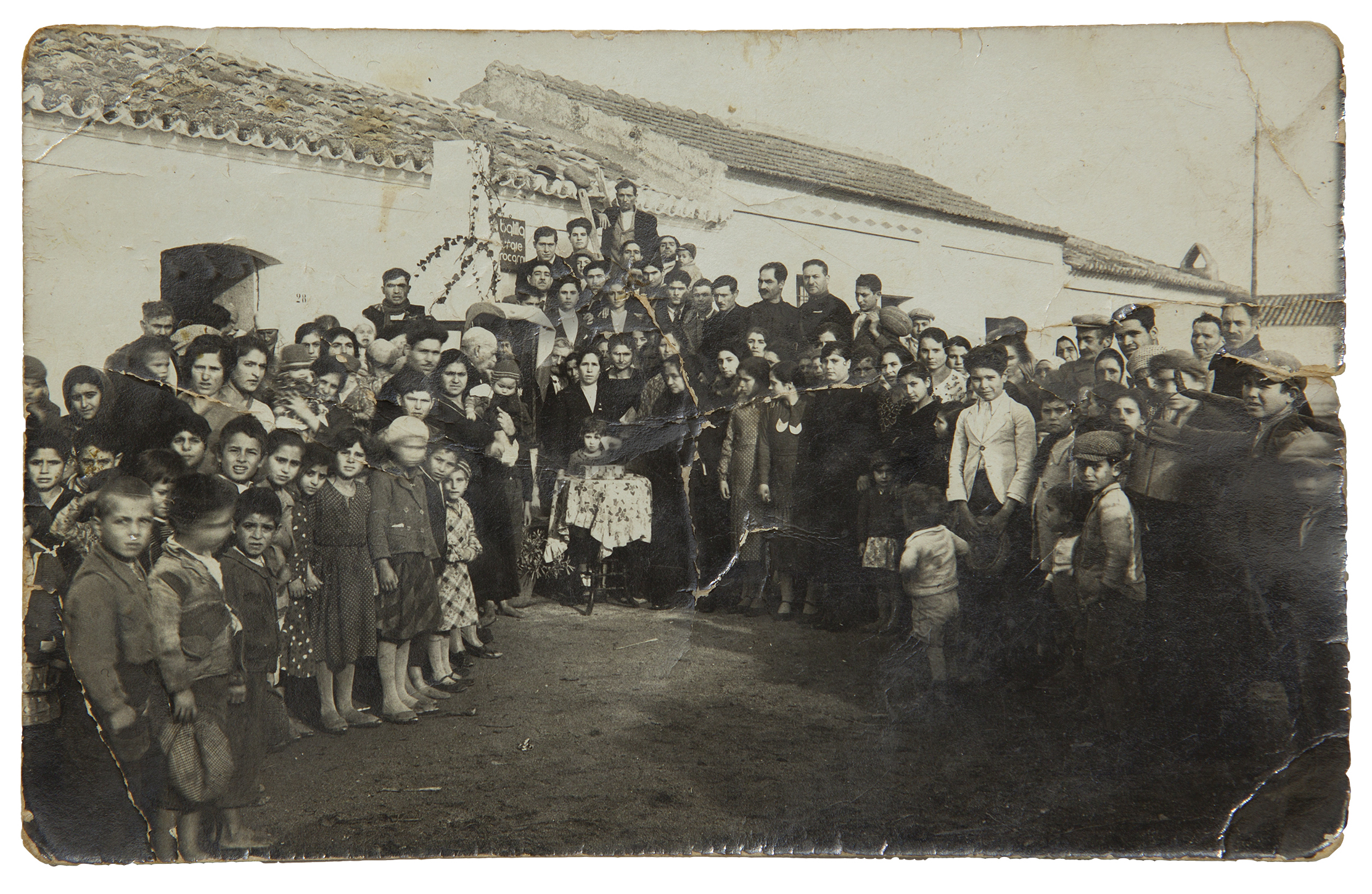
Italian artist Martin Errichiello has created [campanamuta], a six-part audio work broadcast on RAI Radio 3's Zazà program in late 2025 and now available on RaiPlay Sound. The piece tells the story of Eranova, a farming community founded in 1896 near Reggio Calabria that was destroyed by 1980 after the Christian Democratic party planned—but never built—a steel center on its land, now the site of the Port of Gioia Tauro. Errichiello weaves together interviews with former residents and his own original texts, using non-linear narration to explore the village's utopian origins and forced disappearance.

Can Art Feel?

Hyperallergic's newsletter explores the question of whether artworks can possess personhood, drawing on Lisa Siraganian's essay that references the 2010 Citizens United Supreme Court decision and Pierre Huyghe's uncanny human statues. Other featured pieces include Ed Simon's review of Elizabeth Goldring's new book on Hans Holbein the Younger, Michael Glover's introduction to George Stubbs's equine portraits at the National Gallery in London, and news of a historic $116M gift to the National Gallery of Art for an artwork lending program. The newsletter also covers Byron Kim's exhibition at James Cohan Gallery, the new V&A East museum in London, and obituaries for Desmond Morris, James Hayward, and Flo Oy Wong.

Can an Artwork Have Personhood?

The article explores a growing trend in contemporary art where artists like Pierre Huyghe, Nina Katchadourian, and Marge Monko create works that blur the line between art objects and sentient beings. These works incorporate human performers, animals, AI, and smart devices, prompting viewers to question whether these entities possess or simulate personhood, and forcing an examination of our instinct to anthropomorphize.

13 Nudes That Changed Western Art History

The article presents a curated list of 13 seminal Western artworks featuring the nude form, highlighting how each piece shifted artistic conventions and cultural perceptions. It begins with the Paleolithic Venus of Willendorf and moves chronologically through works by artists including Sandro Botticelli, Leonardo da Vinci, Lavinia Fontana, and Édouard Manet, analyzing their groundbreaking approaches to depicting the human body.