filter_list Showing 53 results for "MANA" close Clear
search
dashboard All 947 museum exhibitions 244article news 194trending_up market 175article local 90person people 87article policy 71article culture 53gavel restitution 18candle obituary 8rate_review review 5article event 2
date_range Range Today This Week This Month All
Subscribe

forget blue chip art its a red chip art world now

The article introduces and defines the concept of "red-chip art," a new category of art collecting that rejects traditional art-historical reverence in favor of aesthetics rooted in street art, graffiti, super-flat cartoons, multi-colored chrome, and crypto culture. It describes red-chip collectors as mysteriously affluent millennials, techies, hip-hop visionaries, and crypto aspirants who gravitate toward artworks that resemble toys, limited-edition dolls, NFTs, and memecoins, often consumed at venues like the Eden Fine Art gallery at the Wynn in Las Vegas or parties during Art Basel Miami Beach. Key artists associated with this movement include KAWS, George Condo, Virgil Abloh, Tom Sachs, Alex Israel, Damien Hirst, Harmony Korine, Yoshitomo Nara, and Banksy, with Jeff Koons and Takashi Murakami seen as transitional "purple chip" figures.
The 21st Century’s Biggest Art Trend is Not a Style. But Once You See It, You’ll Notice It Everywhere.

The article traces the evolution of "systems art," a term coined by critic Jack Burnham in 1968 to describe art that uses rules, seriality, and repetition to mirror and reveal the growing protocols of the Cold War era. It highlights early practitioners like Kenneth Noland, Robert Morris, Dan Flavin, and notably Hans Haacke and Adrian Piper, who shifted from atmospheric systems (e.g., Haacke's *Condensation Cube*) to social systems (e.g., Haacke's *Shapolsky et al. Manhattan Real Estate Holdings*). The piece argues that systems thinking has become unavoidable in contemporary life—from algorithms to systemic racism—and that art remains a crucial tool for making these invisible systems legible.

re air uncovering the louvres hidden stories

Artnet News re-airs a podcast episode exploring the hidden stories of the Louvre, prompted by a recent daylight heist in which thieves stole eight pieces of royal jewelry from the Paris museum. The episode features Elaine Sciolino, a former Paris bureau chief for the New York Times, who discusses her book *Adventures in the Louvre: How to Fall in Love with the World’s Greatest Museum*, based on unprecedented access to the museum's guards, curators, and hidden rooms.

collectors reveal key advice

Collectors share advice for aspiring art patrons in a two-part series, recounting their early mistakes and lessons learned. Diana Bowes, board chair of the Aldrich Contemporary Art Museum, recalls buying her first pieces at Art Basel in 2006 and warns against purchasing art online without seeing it in person, as well as protecting works from water, children, and house painters. Mana Jalalian, an interior designer based in Dubai with over 400 works by Iranian artists, emphasizes following instincts, continuous learning, and the value of working with an art advisor.

The Defining Themes of Today’s Biennial Art

The article analyzes the defining themes and styles of the past four years in the international biennial circuit, based on a survey of 130 biennials. It identifies a core group of artists who appeared most frequently, including Ali Eyal, Apichatpong Weerasethakul, Carolina Caycedo, Kapwani Kiwanga, and Tuan Andrew Nguyen, among others. Many of these artists are also featured in the upcoming 61st Venice Biennale curated by the late Koyo Kouoh. The piece categorizes their work under two broad themes: "Post-Colonial Post-Conceptualism," which involves poetic engagement with colonial history and artifacts, and "Families and Networks," where artists explore personal and political family histories.

The Philosopher Who Predicted Our Post-Literate Art Moment

Art critic Martha Schwendener has released a new book titled 'The Society of the Screen: Vilém Flusser’s Radical Prescience,' exploring the prophetic theories of the late philosopher Vilém Flusser. Flusser, a Prague-born thinker who lived in Brazil and Europe, argued in the 1980s that society was transitioning from a text-based culture to one dominated by 'technical images,' a shift he believed would fundamentally alter human consciousness and the function of the 'apparatus' in daily life.

can brainrot be art beeple thinks so

Digital artist Mike Winkelmann, known as Beeple, joined Ben Davis on the Artnet News podcast "The Art Angle" to discuss his work and the evolving perception of digital art. Beeple first gained global attention in 2021 when his NFT artwork "Everydays, The First 5,000 Days" sold for $69 million at Christie's, making him a symbol of the NFT boom. Since then, he has continued to experiment with new media, including interactive video sculptures shown at LACMA and robot dogs with human heads displayed at Art Basel Miami Beach 2025.

the artists way julia cameron interview

Artnet News published an interview with Julia Cameron, author of the bestselling creativity guide *The Artist's Way*, originally released in 1992. Cameron discusses the origins of her 12-week program for overcoming artistic blocks, including the famous 'Morning Pages' ritual of writing three pages of unedited text each day. She also introduces her new book *The Daily Artist's Way*, which offers a fresh approach for fans. The interview, conducted by Ben Davis, revisits how Cameron's practical, spiritually-infused techniques have become a staple for artists, musicians, and writers worldwide.

11 Contemporary Emirati Artists To Know

The article highlights 11 contemporary Emirati artists, providing an overview of their practices and significance within the Gulf's evolving art scene. It contextualizes this list against recent major events in the region, including the debut of Art Basel Qatar in early February and the subsequent U.S. attacks on Iran, which caused turmoil across the Gulf, disrupted airline operations, and forced Art Dubai to scale back its event to a smaller fair in mid-May. Artists and galleries in the Gulf also had to temporarily close.

8 gulf artists defining the regions new cultural renaissance

Artnet News profiles eight Gulf artists who are shaping the region's cultural renaissance, including Mohammad Alfaraj and Dana Awartani. The article highlights their growing international recognition, with Alfaraj winning Art Basel Emerging Artist and Gold Awards in 2025 and Awartani exhibiting at the 2024 Venice Biennale. It notes the expansion of major art fairs like Art Basel and Frieze into the Gulf, alongside new homegrown initiatives such as the Diriyah Contemporary Art Biennale and Rubaiya Qatar.

How Is Arts Patronage Changing?

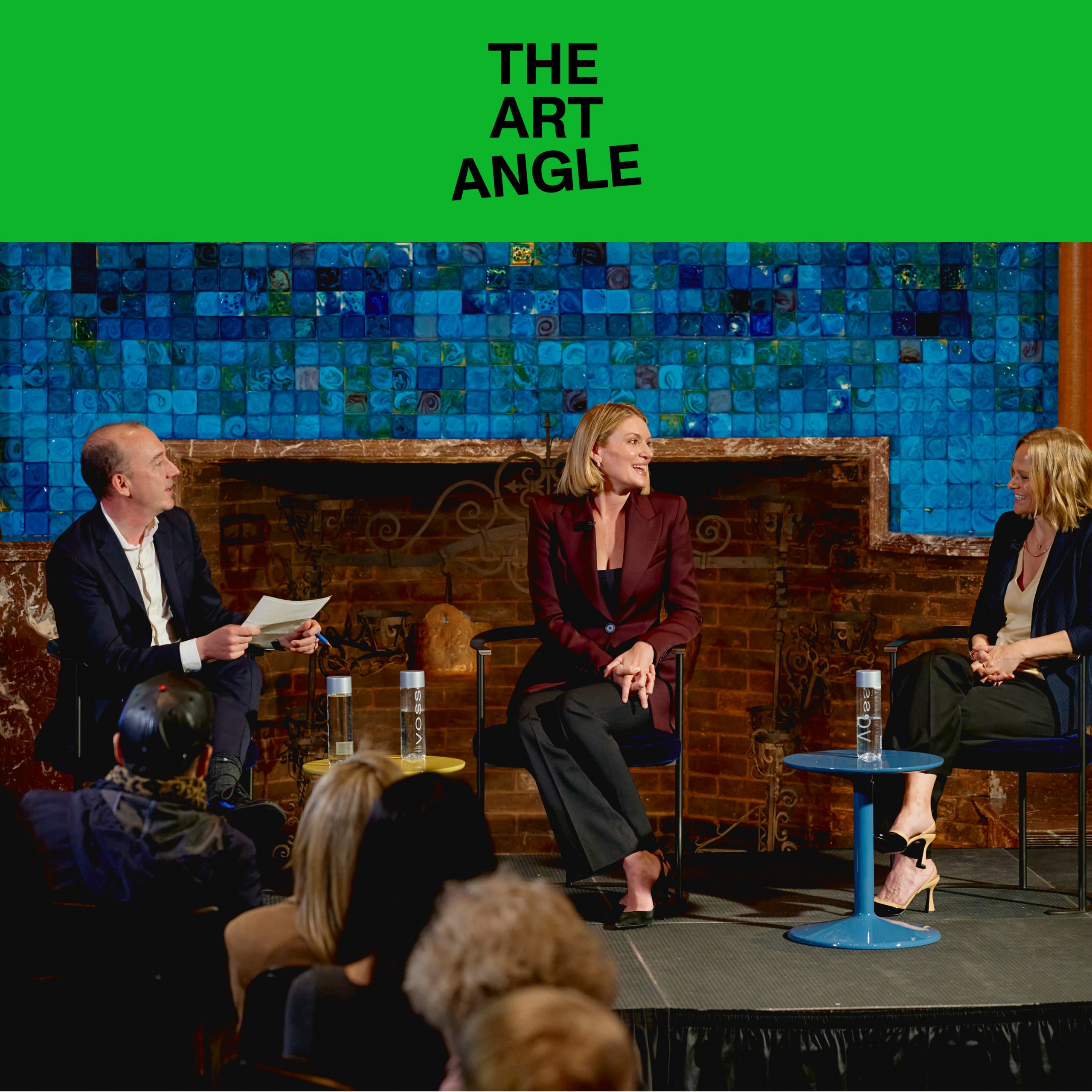
At TEFAF New York, Artnet News editor Andrew Russeth moderated a panel titled “Who Supports Art Now? Patronage in a Shifting Cultural Landscape” featuring two prominent figures in American arts philanthropy: Sarah Arison and Michi Jigarjian. Arison, who became the youngest president of the Museum of Modern Art’s board in 2024 at age 39, also leads the Arison Arts Foundation and chairs YoungArts. Jigarjian, CEO of Work of Art Holdings and a partner at 7G Group, has led Baxter St at CCNY for 15 years and serves on the boards of the Brooklyn Museum and MoMA PS1. The discussion took place during fair week in mid-May at the Park Avenue Armory.

New Richard Avedon documentary chronicles how he shaped the evolution of photography

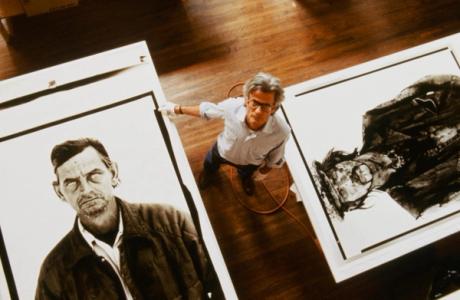
Imagine Documentaries, the nonfiction arm of Ron Howard and Brian Grazer's Imagine Entertainment, premiered a new documentary about photographer Richard Avedon at the Cannes Film Festival on May 17. The film, co-produced by the Richard Avedon Foundation, draws heavily from archival interviews conducted by Helen Whitney for the PBS series *American Masters*, supplemented by new interviews with Avedon's son John, muse Lauren Hutton, Isabella Rossellini, Twyla Tharp, and former *New Yorker* colleagues Tina Brown and John Lahr. The documentary explores Avedon's career, his technique of building rapport with subjects, and his iconic images such as *Dovima with Elephants*, which dealer Larry Gagosian notes sold for $2 million.

psychedelics and art ryan mcginniss

Artist Ryan McGinness has published a new art book titled 'Trip Advisor: Notes From over 25 Years of Psychedelic Voyages.' The book combines images of his paintings, studio photos, and personal diaries chronicling his experiences with psilocybin mushrooms since 1999, alongside essays reflecting on their significance.

experts how to make it art world

Artnet News has launched a new four-part podcast mini-series titled "How to Get Ahead in the Art World," produced in partnership with Art Market Mentors. Hosted by editor-in-chief Naomi Rea and produced by Sonia Manalili, the series features insights from top art-world insiders including Cat Manson (former Christie's leader turned career coach), Loïc Gouzer (former Christie's rainmaker and founder of Fair Warning), and Brooke Lampley (senior roles at Sotheby's and Gagosian). Each episode covers a key career lesson: taking ownership of your career, trusting your instincts, leading with passion, and embracing a layoff as a reset.

roberta smith interviews larry gagosian

Roberta Smith, the former New York Times co-chief art critic, interviews Larry Gagosian, the world's most famous art dealer, for Numero magazine. The conversation covers Gagosian's hands-on management of his 18 galleries, his admission of mistakes in closing locations in San Francisco and Geneva, and his view of his galleries as tryout spaces akin to off-Broadway. Gagosian shares anecdotes about his first Picasso purchase at Sotheby's for $900,000 (now worth $40 million), his early shows featuring David Salle and Warhol's Oxidation paintings, and his regret over selling Eli Broad's Basquiat skull painting for $80,000. Smith recalls attending Gagosian's first New York show in the 1970s, and the two reflect on their long, distant acquaintance.

the art angle canyon art basel adrien brody

The Art Angle podcast team reviews three major art stories from June. First, Canyon, a new museum-like venue dedicated to immersive video art, has been announced for New York's Lower East Side. Second, the team discusses the outcomes of Art Basel in Switzerland, the art world's most important fair, and ongoing volatility in art pricing. Third, they examine the buzz—and mockery—surrounding Oscar-winning actor Adrien Brody's painting exhibition in New York City. Culture editor Min Chen joins host Ben Davis and senior editor Kate Brown to analyze these developments.

lorde man of the year new york earth room

Lorde released a music video for her song "Man Of The Year," the second single from her upcoming album *Virgin*. The video features the singer in a room filled with dirt, which fans quickly noted resembles Walter De Maria's iconic installation *New York Earth Room*. Lorde has acknowledged the homage, describing the work as an inspiration for the song's sound and her personal rebirth. The video was not filmed in the actual installation, which is permanently housed in SoHo and managed by the Dia Art Foundation.

frank lloyd wright news

More than sixty years after his death, Frank Lloyd Wright remains a highly influential architect, and in 2025 his legacy continues to generate news. This article from Artnet News compiles eight recent stories about Wright's buildings, including Marc Jacobs' restoration of the Max Hoffman House, Loyola University's acquisition of the Emil Bach House, the contested sale of Oklahoma's Price Tower, and the deteriorating condition of the J.J. Walser Jr. House in Chicago. It also notes a fictional Wright-inspired building appearing in the Apple TV+ series *The Studio*, starring Seth Rogen.

re air the rise of the red chip art world

Artnet News re-airs an episode on "red chip art," a phenomenon characterized by Cybertrucks, crypto wallets, and artists like KAWS, MSCHF, and Daniel Arsham. The episode is prompted by actor Adrien Brody's solo exhibition "Made in America" at Eden Gallery in New York, featuring mixed-media paintings of Marilyn Monroe, Basquiat-inspired motifs, and interactive elements like audience chewing gum on the wall. Brody's show exemplifies the red chip art world's blend of celebrity, commerce, and spectacle.

Inside New York’s Rogue Project Spaces

A digital cover story profiles New York City's rogue project spaces—artist-run venues like U-Haul Gallery, Desnivel, Spielzeug, Catbox Contemporary, and 95 Gallon Gallery—that operate in unconventional locations such as trash bins, moving trucks, bodegas, laundromats, buses, and cat towers. The article features interviews with founders including Maria De Victoria (Desnivel), James Sundquist and Jack Chase (U-Haul Gallery), and others, highlighting how these spaces counter the bureaucracy of institutional exhibitions by prioritizing artist freedom, intimacy, and community engagement.

Korean artists are taking the world by storm—but why does their work resonate so widely?

Korean artists are gaining unprecedented global recognition, with figures like Haegue Yang, Do Ho Suh, Lee Bul, and Mire Lee leading a shift from traditional Dansaekhwa abstraction to more conceptual and contemporary practices. The article highlights how K-pop and Korean soap operas have boosted cultural awareness, drawing new audiences to events like Frieze Seoul and prompting major international galleries such as White Cube, Perrotin, and Pace to open in Seoul. Curators and scholars note that Korean art now engages deeply with globalization, historical trauma, and sociopolitical change, facilitated by biennials in Gwangju, Busan, and Seoul, as well as a surge in art institutions.

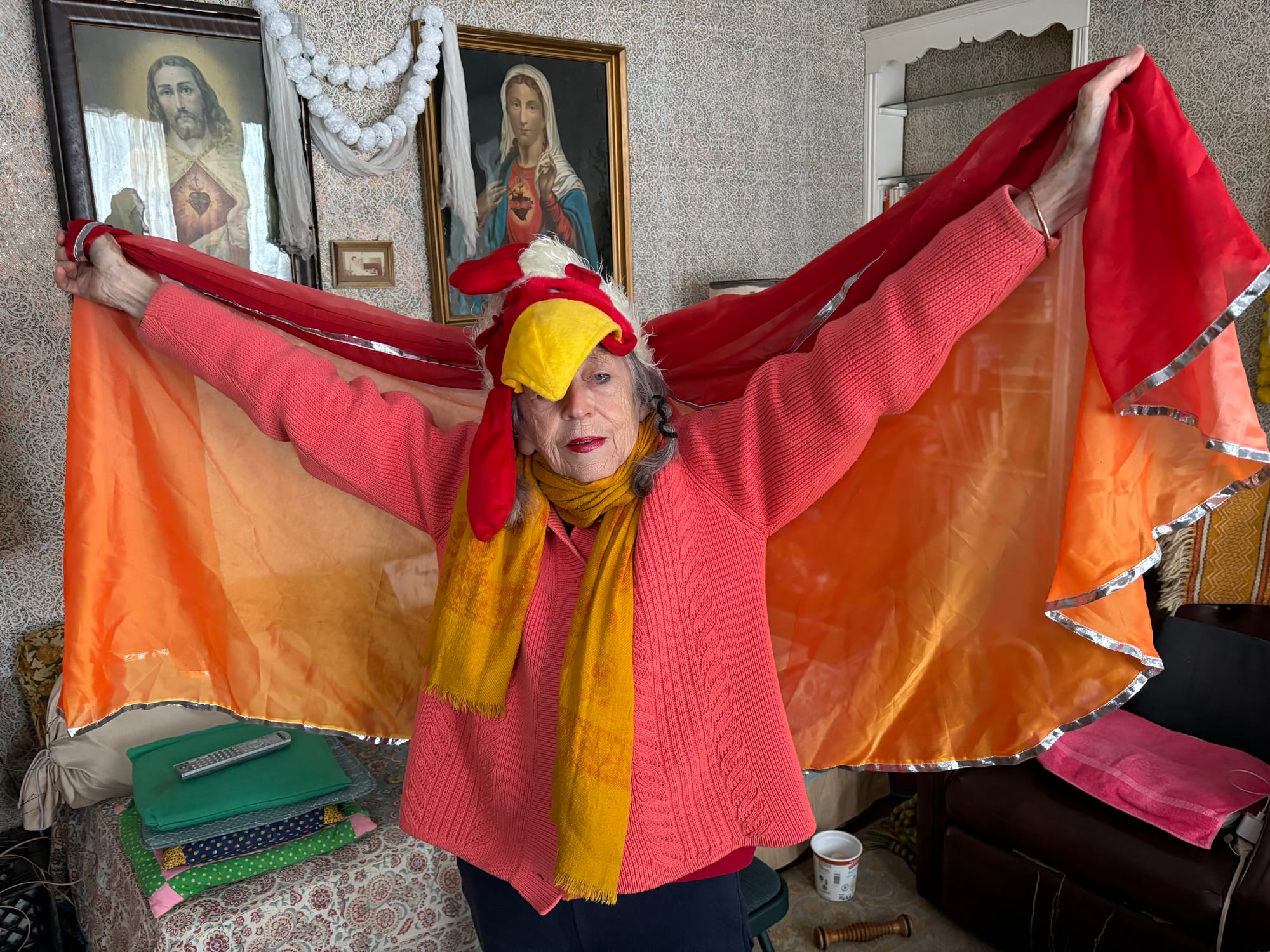
The Divine Powers of “Chicken Linda”

Performance artist Linda Mary Montano, now in her 80s, invited writer Taliesin Thomas into her home in Saugerties, New York, which functions as a living shrine filled with altars, experimental sculptures, and religious iconography. Montano, who calls herself “Chicken Linda” to connect with the Holy Spirit, discussed her six-decade career as an endurance performance artist, her Catholic faith, her studies with guru Shri Bhramananda Saraswati, and her influential early years in San Francisco during the First Wave feminist art movement. She also recounted personal tragedies, including the murder of her former husband Mitchell Payne, which led to her video work “Mitchell’s Death,” now in the collections of MoMA and the Museum of Conceptual Art, Los Angeles.

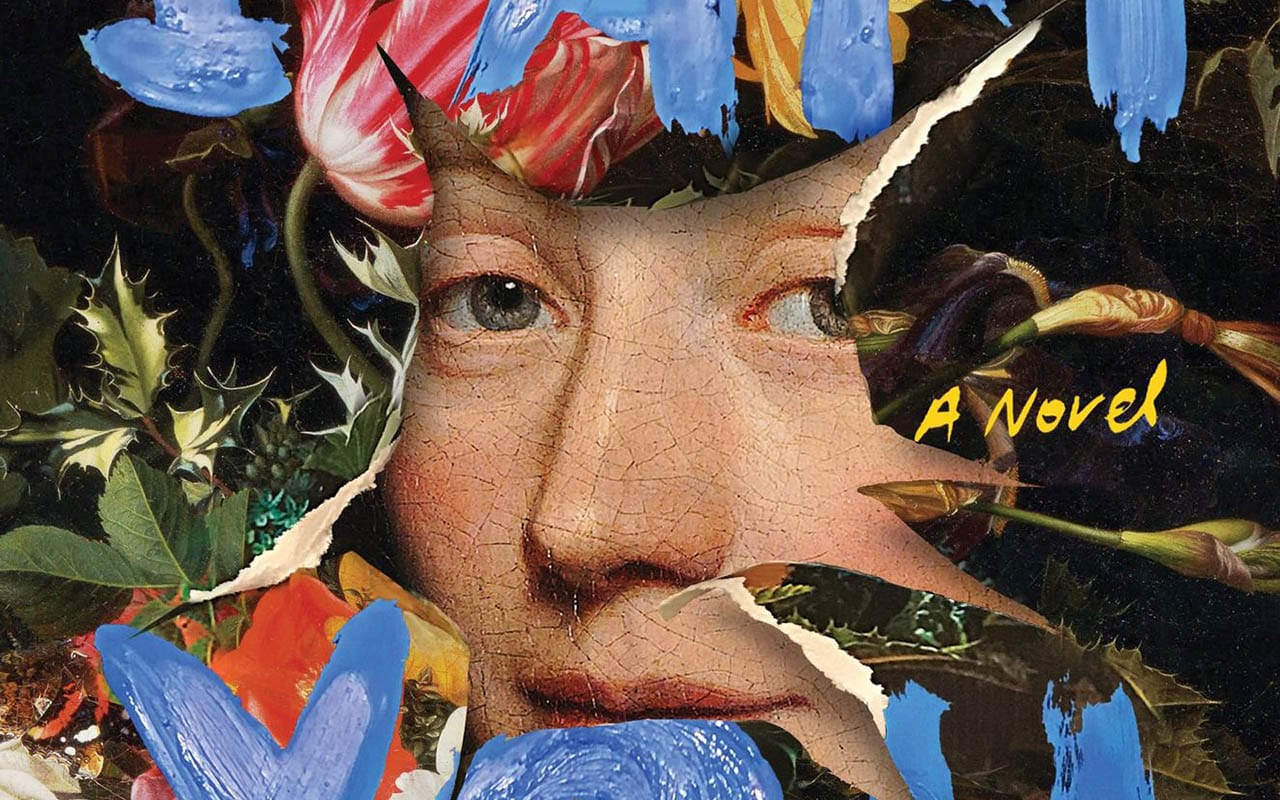
The Painted Book Cover Is Back

The article reports on a growing trend in book cover design: the use of painted, figurative artwork instead of stock photos or digital renderings. Publishers are increasingly licensing paintings by artists from Hilma af Klint to Shannon Cartier Lucy, seeing them as a way to signal cultural authority and intellectual rigor. The trend is discussed through examples like Victoria Redel's *I Am You* (2025) and Kyung-Ran Jo's *Blowfish* (2025), with insights from LiteraryHub Managing Editor Emily Temple and Astra House publisher Benjamin Schrank.

Les jardins de Monet à l’épreuve du surtourisme

Claude Monet's gardens in Giverny, France, which were recreated in 1980 after being abandoned in the 1950s, are now suffering from severe overtourism. The site, which attracted 70,000 visitors in its first year, is expected to exceed one million visitors in 2026, the centenary of Monet's death. Crowds are so dense that visitors report feeling unable to experience any emotion, and gardeners spend hours each morning repairing damage from trampling. The gardens have become a kind of industrial product, with 15,000 plants propagated each season to replace those destroyed.

‘It’s a tiny bit of joy!’ How trinket swapping is making the world a happier place, one china sheep at a time

Trinket exchange boxes, where people swap small items like pins, stickers, and ceramic animals, are rapidly spreading across the UK and US. The phenomenon, which began in Philadelphia in autumn 2024, has grown from 800 to nearly 1,500 installations in two months, according to Portland-based artist Rachael Harms Mahlandt, who tracks them on a world map. In Edinburgh, pet-sitter Sam Stevens runs a popular pink box outside Argonaut Books, inspired by a San Francisco exchange, and has seen her follower count jump overnight as locals trade trinkets for fun.

w david marx blanks space

W. David Marx joins Artnet News senior editor Kate Brown on the podcast 'The Art Angle' to discuss his new book, *Blank Space: A Cultural History of the Twenty-First Century*. The book argues that creativity across art, media, and popular culture has stagnated over the past 25 years, driven by commercialization, rapid technology shifts, and a preference for profit-driven formulas over experimentation. Marx identifies a 'conspicuous blank space where art and creativity used to be' and proposes five strategies to revive cultural inventiveness.

chris kraus novel

Chris Kraus, the influential contemporary art writer, co-editor of Semiotext(e), and novelist best known for her 1997 autobiographical novel *I Love Dick*, has released a new novel titled *The Four Spent the Day Together*. The book follows a character named Catt Greene, who closely mirrors Kraus's own life: a childhood in Connecticut, later success as an art critic and novelist with *I Love Dick* (adapted into an Amazon series), a marriage to an addiction counselor struggling with his own addiction, and online backlash for being a landlord. In the third part, Greene investigates a real-life murder in rural Minnesota, seeking new material as her own life feels depleted.

Andrew Lloyd Webber Says He's Writing a New Musical About the Time the 'Mona Lisa' Vanished Without a Trace in 1911

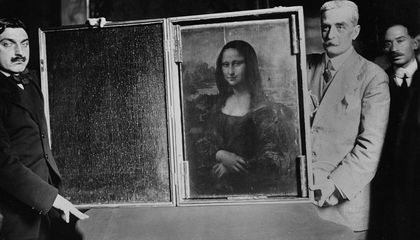
Andrew Lloyd Webber, the legendary composer behind 'The Phantom of the Opera,' has announced he is developing a new musical centered on the 1911 theft of Leonardo da Vinci’s 'Mona Lisa.' The production will dramatize the true story of Vincenzo Peruggia, an Italian glazier who stole the masterpiece from the Louvre, leading to a two-year international search before the painting was recovered in Italy.

Pappi Corsicato's film on photographer Claudio Abate, which recounts the artistic ferment of Rome between the 1960s and 1990s, is now on RaiPlay

È su RaiPlay il film di Pappi Corsicato sul fotografo Claudio Abate che racconta il fermento artistico di Roma tra gli Anni ’60 e ‘90

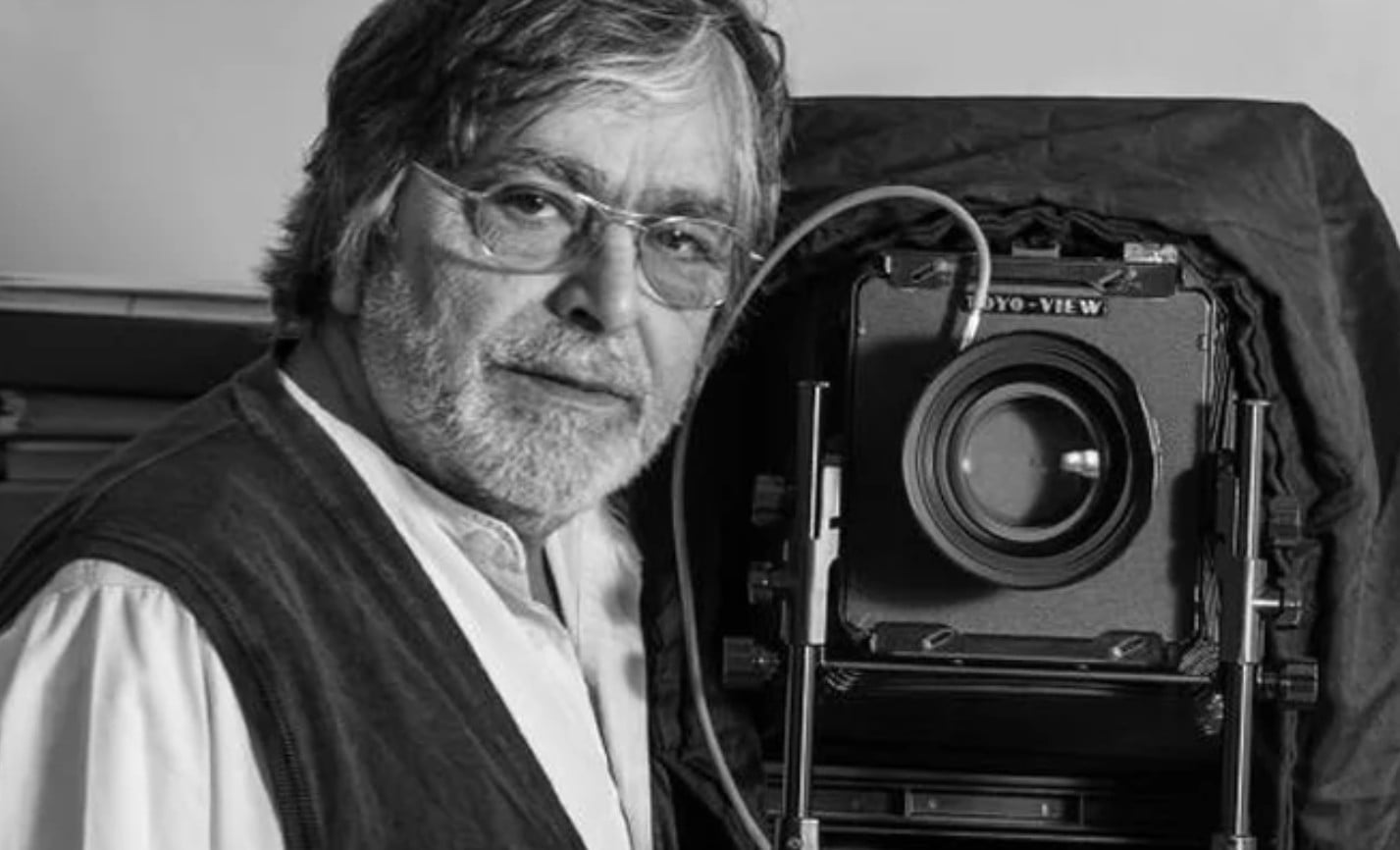
RaiPlay has released a new documentary film by Pappi Corsicato titled "Claudio Abate. L’obiettivo nell’arte" (2026), which pays tribute to the late photographer Claudio Abate (1943–2017). The film weaves together interviews, archival materials, and footage from Istituto Luce to chronicle Abate's life and work, focusing on his role documenting the vibrant Roman art scene from the 1960s through the 1990s. It highlights his collaborations with key figures such as Jannis Kounellis, Michelangelo Pistoletto, Fabio Sargentini, and the artists of the Pastificio Cerere school, capturing seminal performances, happenings, and installations that defined Arte Povera and other avant-garde movements.

A View From the Easel

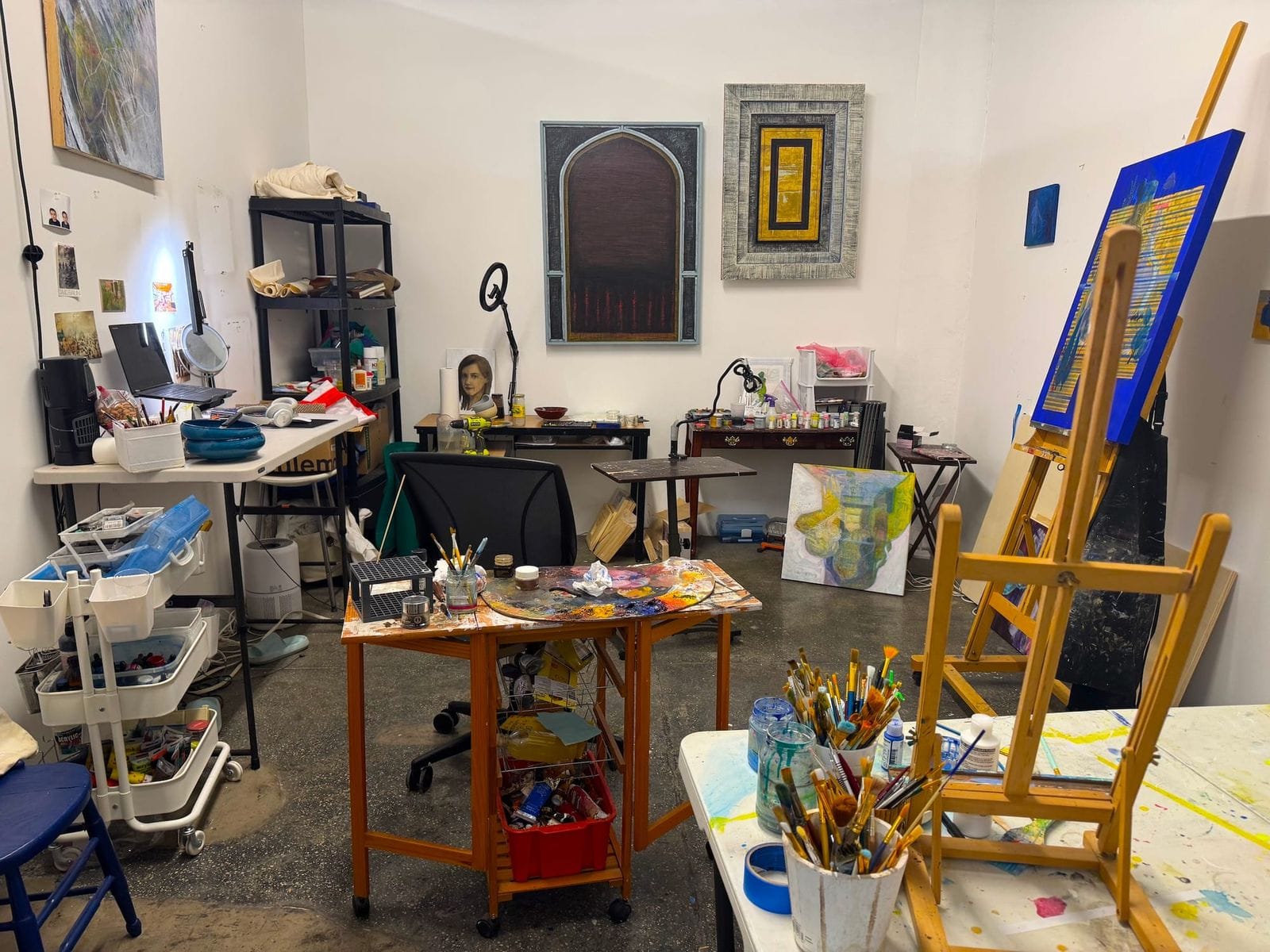
New Jersey-based artist Hadieh Afshani is featured in the 334th installment of Hyperallergic's 'A View From the Easel' series, which profiles artists in their workspaces. Afshani describes her studio practice at Mana Contemporary in Jersey City, where she balances her art with caring for her baby, working around his feeding and sleeping rhythms. She emphasizes the importance of natural light, a sink for fluid processes, and the supportive community of fellow artists and mothers.