filter_list Showing 22 results for "Margaret" close Clear
search
dashboard All 427 museum exhibitions 140trending_up market 110article local 60article news 47article culture 22person people 20article policy 11candle obituary 7gavel restitution 5rate_review review 5
date_range Range Today This Week This Month All
Subscribe

best artworks 2025

Artnet News editors and journalists compiled their annual roundup of the best artworks seen in 2025, highlighting standout pieces from around the world. Among the featured works are Richard Serra's monumental steel sculpture "East-West/West-East" (2014) in the Qatari desert, Emma Ferrer's painting "You Will Return the Evil to Its Steppe (Homage to Josefa de Óbidos)" (2024) shown at New York's Sapar Contemporary, and Kerry James Marshall's "The White Queens of Africa: Colette" (2025) from his retrospective at the Royal Academy of Art. Each artwork is accompanied by a personal reflection from the journalist who encountered it.

15 museum shop gifts were loving

Artnet News has curated a selection of 15 unusual and art-themed gifts available at museum shops worldwide, ranging from a snake-embroidered brooch inspired by Cartier at the Victoria and Albert Museum in London to a 'Souls in Purgatory' magnet from the Morgan Library & Museum in New York, a traditional palm-leaf fan from Al Ain Museum in Abu Dhabi, a gilded sewing kit from the Neue Galerie in New York, and a CD of a Hanne Darboven composition from the Dia Art Foundation. Each item is presented with its price, source museum, and a brief explanation of its appeal, often tying back to specific exhibitions or artworks.

re air uncovering the louvres hidden stories

Artnet News re-airs a podcast episode exploring the hidden stories of the Louvre, prompted by a recent daylight heist in which thieves stole eight pieces of royal jewelry from the Paris museum. The episode features Elaine Sciolino, a former Paris bureau chief for the New York Times, who discusses her book *Adventures in the Louvre: How to Fall in Love with the World’s Greatest Museum*, based on unprecedented access to the museum's guards, curators, and hidden rooms.

okwui enwezor cuator duke collected writings

A new two-volume collection of Okwui Enwezor's writings, titled "Okwui Enwezor: Selected Writings, Volume 1: Toward a New African Art Discourse" and "Volume 2: Curating the Postcolonial Condition," has been published by Duke University Press in 2025, edited by Terry Smith. Spanning over a thousand pages and covering the years 1994 to 2019, the collection gathers Enwezor's catalog essays, exhibition reviews, and analyses, tracing his evolution as a poet, writer, curator, theorist, educator, and museum director who died in 2019 at age 56.

How Josh Kline Wrote the Essay That the Art World Can’t Stop Talking About

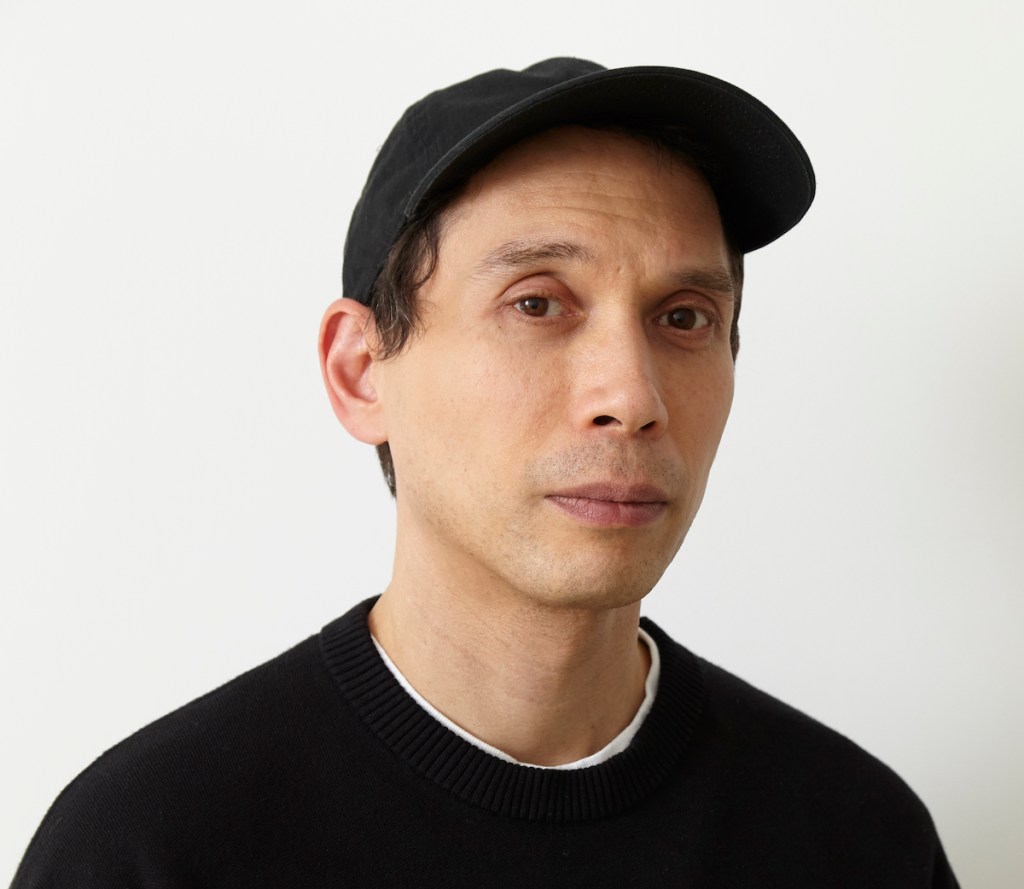
Artist Josh Kline has sparked intense debate across the New York art world with his viral essay, "New York Real Estate and the Ruin of American Art," published in the journal October. The text serves as a scathing critique of the current state of the American art industry, diagnosing it as "sick" due to skyrocketing real estate costs, systemic power imbalances, and a market that has become an unsustainable "conveyor belt" of commercial painting. Kline argues that the economic pressures of post-pandemic New York have made the city a hostile environment for experimental and conceptual practices.

Made in Fire Island: how artists were at the heart of the LGBTQ+ mecca

A new book titled 'Fire Island Art: 100 Years' chronicles the century-long, integral relationship between artists and the LGBTQ+ community on Fire Island. The book, edited by John Dempsey, traces the creative legacy from pre-war artists like Paul Cadmus to modern figures, highlighting how the island's unique environment fostered both sexual and artistic freedom.

How Well Do the Met Gala’s Attendees Know Their Art History? We Critique Looks by Madonna, Hunter Schafer, and More

The article critiques nine outfits from the 2026 Met Gala, which was held under the theme 'Fashion Is Art' in conjunction with the Costume Institute's new exhibition 'Costume Art' at the Metropolitan Museum of Art. It analyzes how attendees like Hunter Schafer, Lauren Sánchez Bezos, and Kylie Jenner referenced specific artworks—such as Gustav Klimt's *Mäda Primavesi* and John Singer Sargent's *Madame X*—in their fashion choices, evaluating the success of these art-historical allusions.

Why Was Sarah Miriam Peale, Pioneering Member of America’s First Art Dynasty, Left Behind?

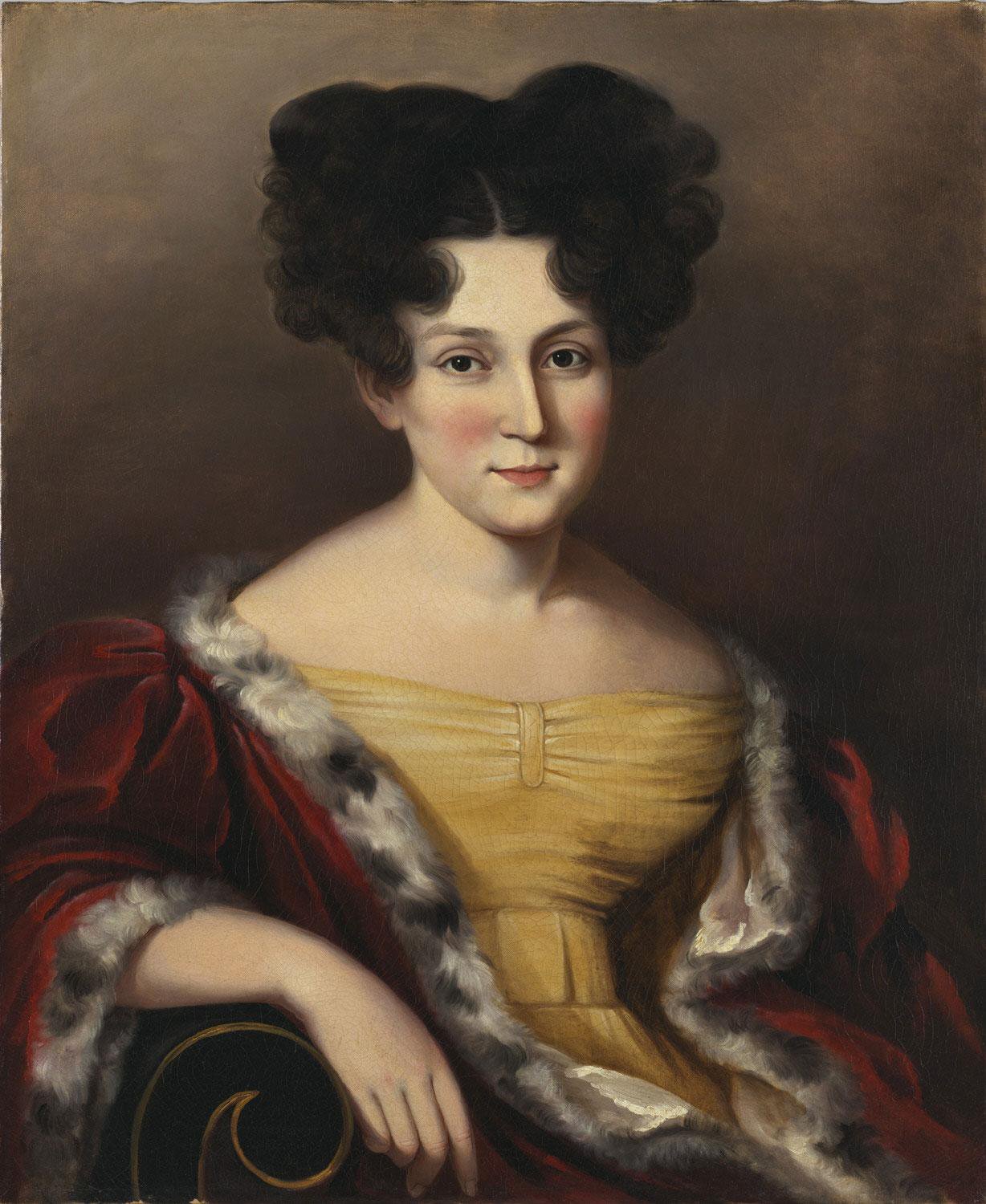
Sarah Miriam Peale, a member of the prominent Peale art dynasty and arguably the first professional woman artist in the United States, is finally receiving long-overdue institutional recognition. Despite a prolific sixty-year career painting portraits of political figures and still lifes in Baltimore and St. Louis, her legacy was largely overshadowed by her uncle Charles Willson Peale and her male cousins. Her independence as an unmarried woman who supported herself entirely through her craft marked a radical departure from the gender norms of the 19th century.

diego velasquezs las meninas why so important

Diego Velázquez's 1656 painting *Las Meninas* is examined as one of the most conceptually complex works in Western art history. The article explores how the painting subverts Renaissance artistic conventions by playing with perspective, illusion, and the relationship between viewer and subject, depicting Infanta Margaret Theresa surrounded by her entourage in the Royal Alcázar of Madrid.

15 Artists Share the Best Advice They Got From Their Mother

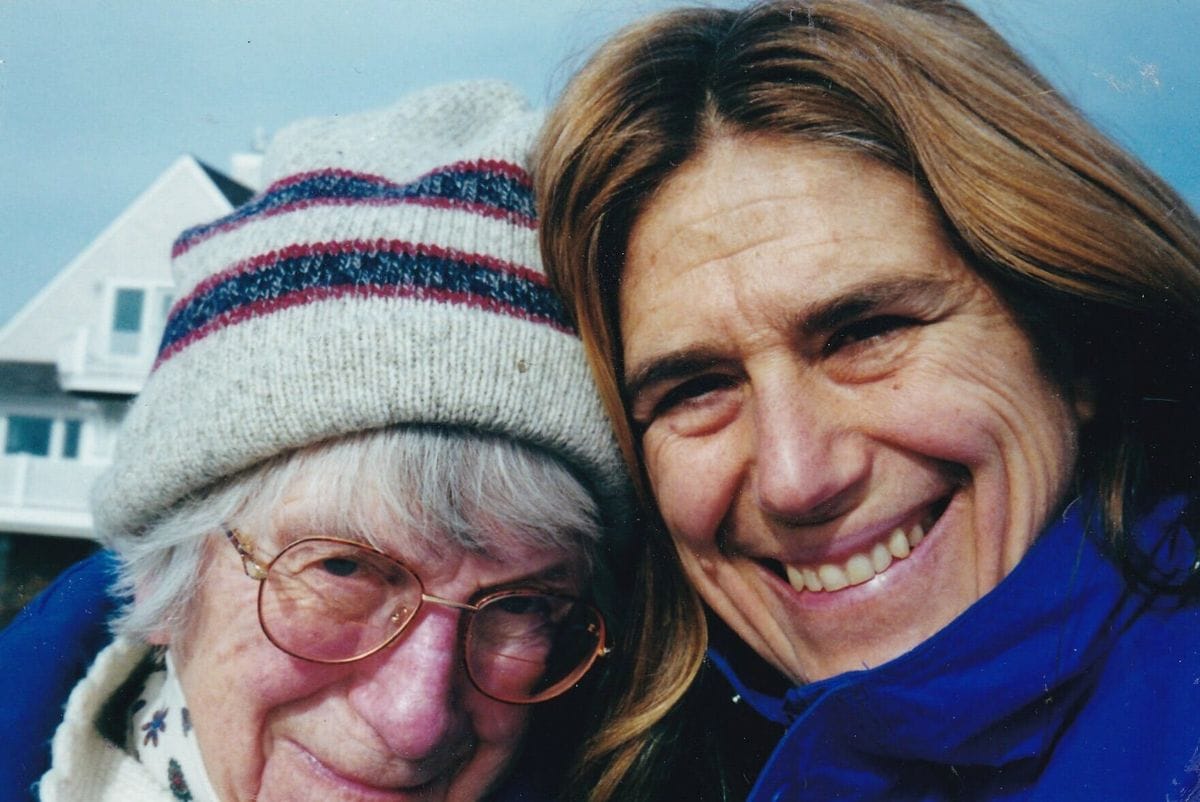
Hyperallergic asked 15 artists to share the best advice they received from their mother or a maternal figure, in honor of Mother's Day. The article features reflections from artists including Pat Oleszko, Maddy Inez, Nathaniel Mary Quinn, and Shahzia Sikander, who recount maternal wisdom ranging from encouragement to pursue art to life lessons about empathy and resilience. Each anecdote is accompanied by images of the artists' works or personal photos.

art where artists hang out nyc

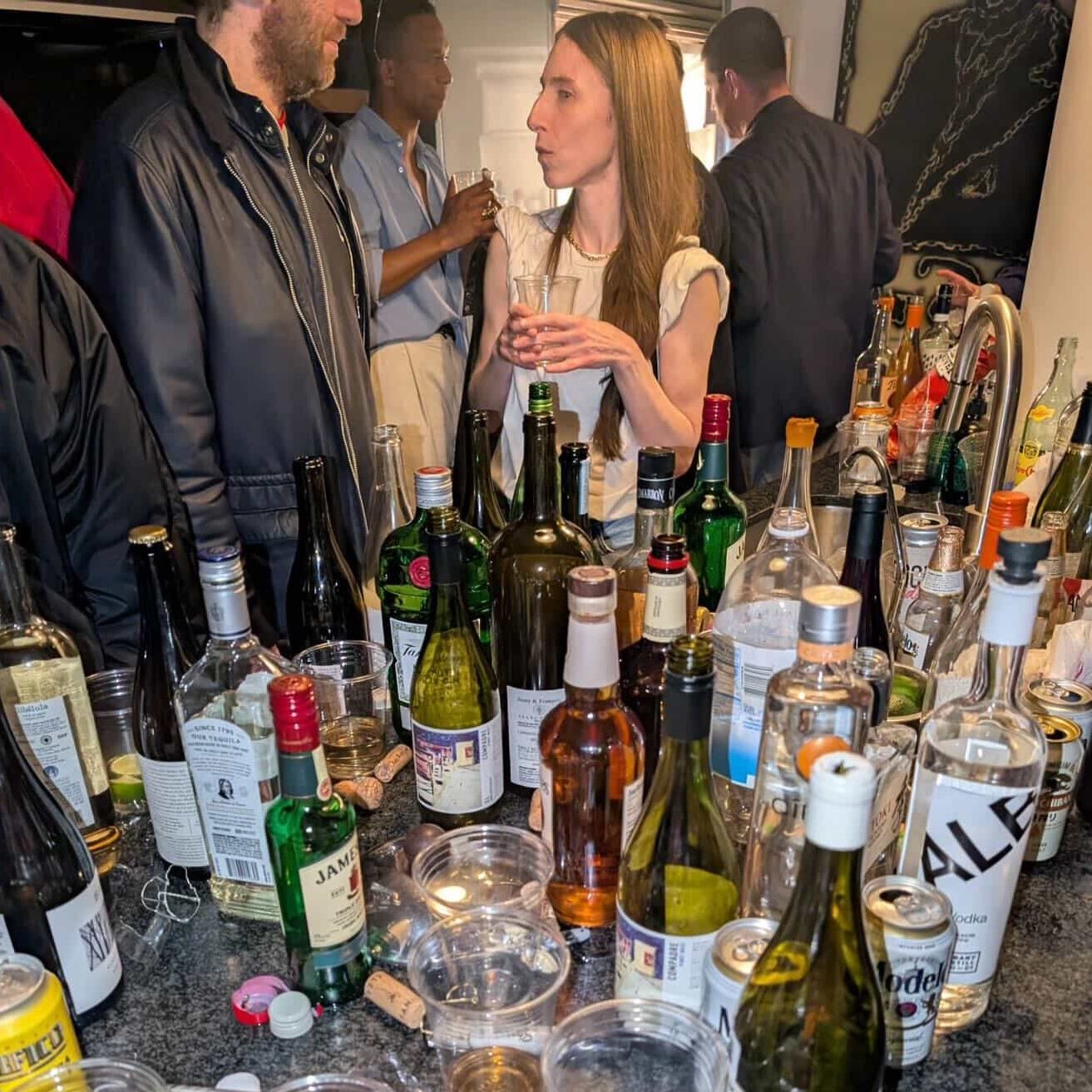
Cultured magazine surveyed 30 New York-based artists to find out where they hang out in 2026, as affordable and easy gathering places have become scarce. The responses range from iconic spots like the Rose Reading Room at the New York Public Library and the Metropolitan Museum of Art to more offbeat locales such as a karaoke bar on Bowery, a Cantonese noodle house in Chinatown, and a church hosting vogue sessions. Artists including Coco Klockner, Jamian Juliano-Villani, Tiffany Sia, Amanda Ba, Lucy Bull, and others share their personal favorites, highlighting a diverse mix of libraries, restaurants, bars, and community spaces.

What Role Do Galleries Play in the Art World?

Maxwell Rabb's article explains the fundamental role of commercial art galleries in the art world, tracing their evolution from 19th-century Parisian storefronts like Goupil & Cie to contemporary spaces. It highlights how galleries function as private businesses that showcase and sell artworks, support artists, organize exhibitions, and connect with collectors, curators, and institutions. The piece also addresses the perception of galleries as exclusive spaces while noting they are often free and open to the public, serving as a bridge between the art world and curious visitors.

New book digs into the little-known gallery that brought Modern art to America

Researcher Julia May Boddewyn has published a new book, 'The Valentine Gallery: The Forgotten Story of Valentine Dudensing, Matisse, Picasso, and the US Market for Modern Art (1926-1947)', which unearths the history of a pivotal but overlooked New York gallery. Founded a century ago, the F. Valentine Dudensing Gallery was responsible for introducing European Modernism to America, hosting the first US solo shows for icons like Joan Miró and Piet Mondrian, and organizing the American debut of Picasso’s 'Guernica'.

best art world movies 2025

Artnet News has published a roundup of the best art world movies of 2025, highlighting films that explore the anxieties, ambitions, and contradictions of the contemporary art scene. The selection includes Kelly Reichardt's heist film *The Mastermind*, about a man stealing Arthur Dove paintings from a museum; the satire *Auction*, which follows a Parisian auctioneer discovering a long-lost Egon Schiele; the documentary *Art for Everybody*, reexamining Thomas Kinkade's legacy; and Ira Sachs's *Peter Hujar's Day*, a gentle portrait of the photographer's daily life. Spike Lee's *Highest 2 Lowest* also features, marking his entry into the old-guard canon.

28 years later antony gormley angel of the north

The article examines the appearance of Antony Gormley's iconic 1998 sculpture *Angel of the North* in the zombie film *28 Years Later*. The Cor-Ten steel work, which towers 66 feet tall near Gateshead, appears in an overgrown field as a symbol of post-apocalyptic abandonment, reflecting the film's themes of failed quarantine and societal collapse. Director Danny Boyle and screenwriter Alex Garland use the sculpture to critique conservative British politics, with the film's ending making explicit reference to a British celebrity posthumously accused of rape.

The Artists Who Put Their Bodies Into the Work

This article from Google News, dated May 3, 2026, profiles a selection of artists who have used their own bodies as central elements in their work. It draws a connection to the Metropolitan Museum of Art's spring Costume Institute exhibition, "Costume Art," which places fashion in dialogue with other artworks. The roundup includes Marina Abramović, known for her 2010 MoMA performance "The Artist Is Present"; Chris Burden, who staged dangerous works like "Shoot" (1971); David Hammons, creator of the "Body Prints" series; Frida Kahlo, whose painting "The Broken Column" (1944) depicts her own physical pain; Ana Mendieta, whose "Silueta" series used her figure in the landscape; and Yoko Ono, a conceptual artist with a significant body-based practice.

Modern Art and Politics in Germany 1910–1945

The article examines the complex and often fraught relationship between modern art and political power in Germany from 1910 to 1945. It details how avant-garde movements like Expressionism, Dada, and the Bauhaus initially flourished, only to be systematically suppressed and labeled "degenerate" by the Nazi regime after 1933.

Meet Elizabeth Catlett in 11 Facts

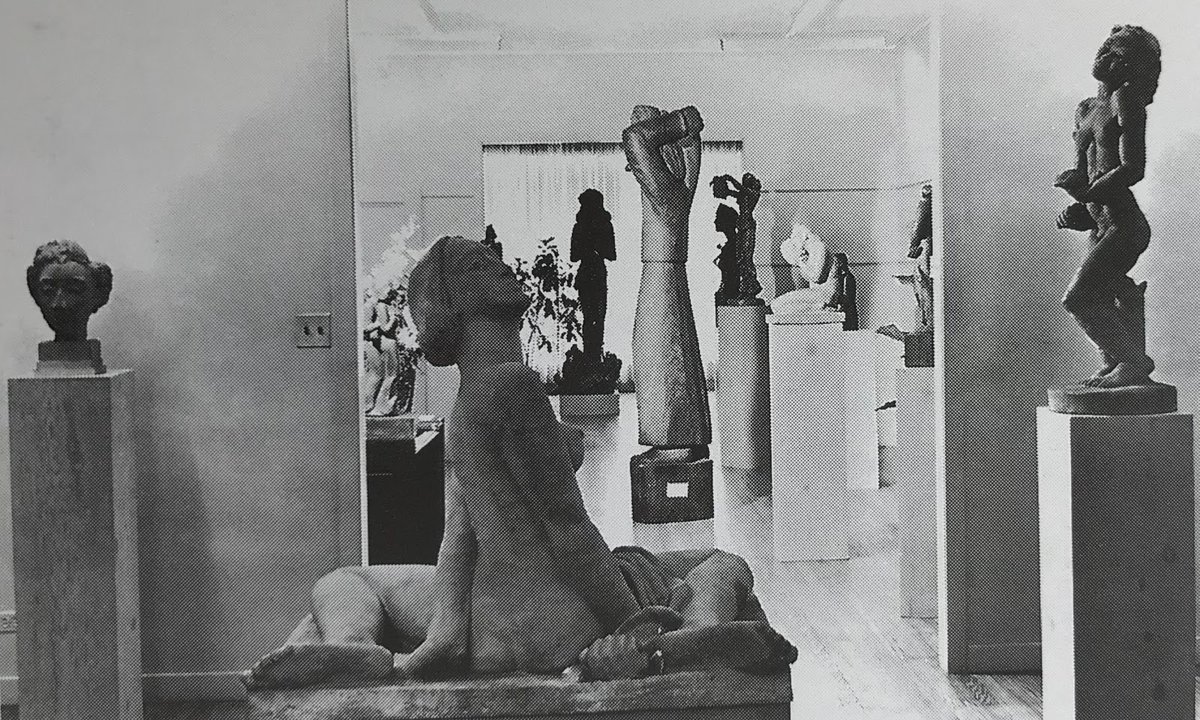
Elizabeth Catlett (1915–2012) was a sculptor, printmaker, feminist, and social activist whose art was inseparable from her life and politics. Born in Washington, DC, to parents who worked in education, she faced racial discrimination early on—denied a scholarship to the Carnegie Institute of Technology and paid less than white colleagues as a teacher. She became the first Black woman to earn an MFA from the University of Iowa, studying under Grant Wood, and later taught at the George Washington Carver School in Harlem, where she connected with Harlem Renaissance figures. Catlett moved to Mexico, married artist Francisco Mora, and created woodblock and linocut prints for 20 years. She was investigated by the House Un-American Activities Committee, declared an "undesirable alien," and became a Mexican citizen in 1962. Her work centered on Black and Mexican women, and she famously stated, "We have to create an art for liberation and for life."

Les pionniers de la photographie à connaître

Beaux Arts Magazine publishes a dossier on the pioneers of photography, marking the medium's 200th anniversary. The article profiles key figures such as Nicéphore Niépce, Louis Daguerre, Anna Atkins, Gustave Le Gray, Nadar, Eugène Atget, Girault de Prangey, Alfred Stieglitz, Julia Margaret Cameron, and Edward Steichen, highlighting their innovations in heliography, cyanotype, daguerreotype, and pictorialism. It also includes a focus on the oldest known photograph.

on art history in times of war gaza islamic nasser rabbat

This essay by Nasser Rabbat reflects on the persistence and precarity of writing art history in times of war, specifically focusing on the field of Islamic art and architectural history. Rabbat draws a parallel to Gabriel García Márquez's novel *Love in the Time of Cholera* to frame his discussion, arguing that war is not a passing crisis but a persistent condition for the Islamic world. He traces how colonial conquests, postcolonial conflicts, and the ongoing Israeli genocide against Gaza have shaped the formation and theoretical orientation of Islamic art history as a Western scholarly endeavor, beginning with Napoleon's invasion of Egypt in 1798 and continuing through the "War on Terror."

literature darkology rhae lynn barnes blackface minstrelsy

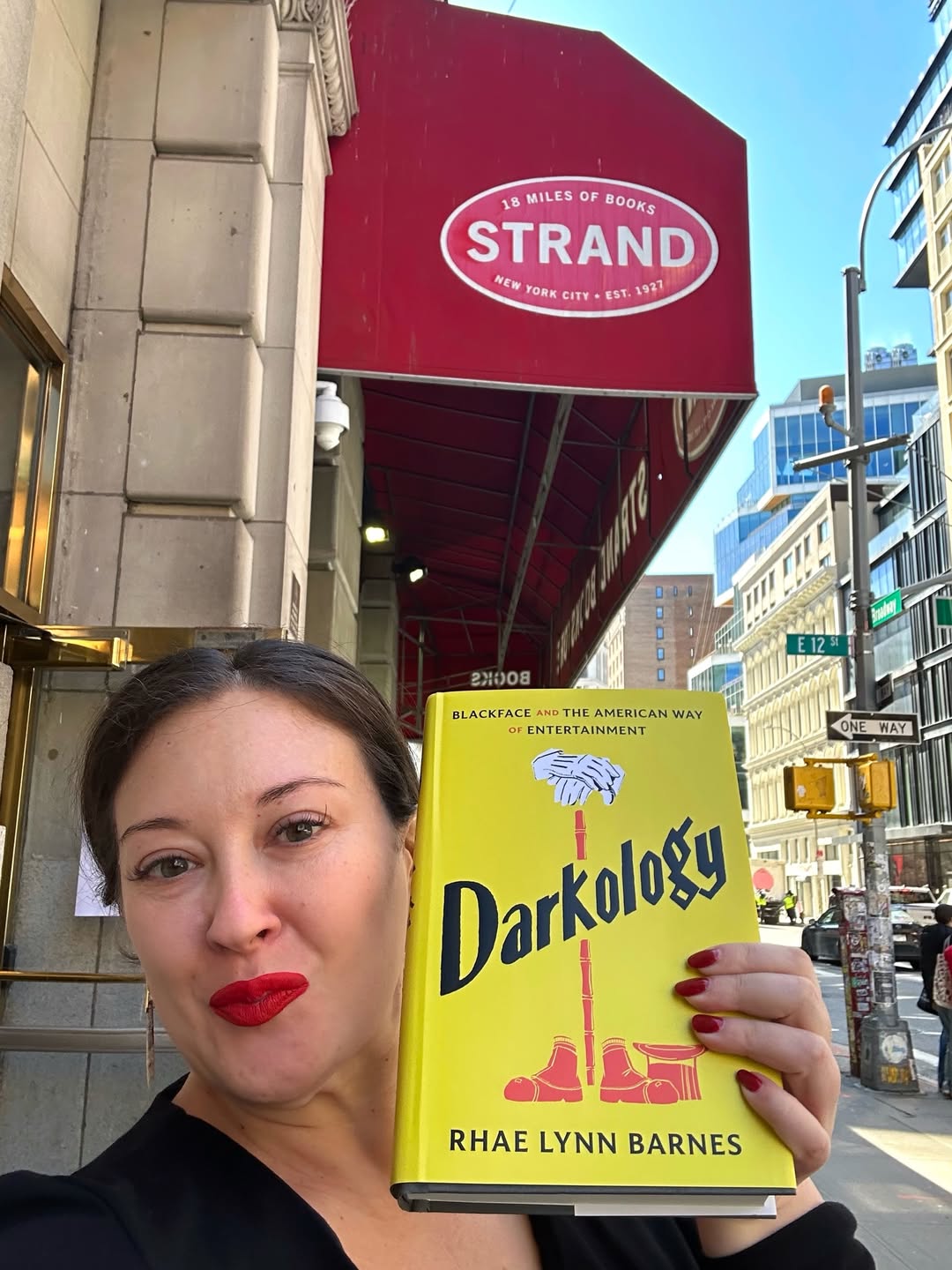
Rhae Lynn Barnes, a scholar at Princeton, has published a new book titled "Darkology: Blackface and the American Way of Entertainment," which examines the pervasive history of amateur minstrelsy in American life from the 19th through 20th centuries. Drawing on two decades of archival research, Barnes reveals how blackface performances were not confined to professional theaters but were common in living rooms, schools, USO shows, fraternal lodges, and even Japanese internment camps, involving figures like Shirley Temple, Frank Sinatra, and Bing Crosby.

Holy ground: why Persian carpets played an important symbolic role in the funeral of Pope Francis

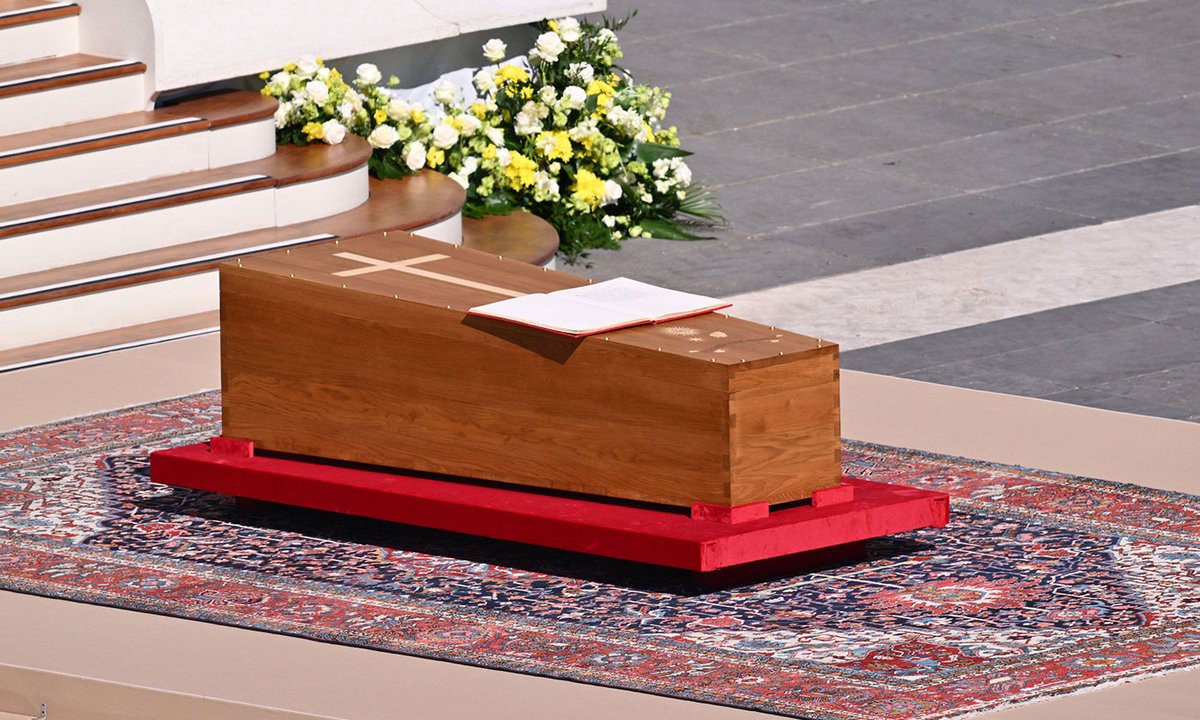
Persian carpets from northwest Iran were used in the funeral proceedings of Pope Francis, placed beneath his casket in St. Peter's Basilica and later in St. Peter's Square. The article traces this tradition back over 600 years, explaining how carpets from Islamic lands—first Anatolia, then Iran, Egypt, and the Levant—were depicted in Renaissance religious paintings as markers of sacred space, appearing at the feet of the Virgin Mary and other holy figures.