
filter_list Showing 4 results for "Medium" close Clear
dashboard All 71 museum exhibitions 52article local 9article culture 4article event 2article news 2person people 1rate_review review 1
date_range Range Today This Week This Month All
Subscribe

Why Contemporary Photographers Are Rejecting the Camera

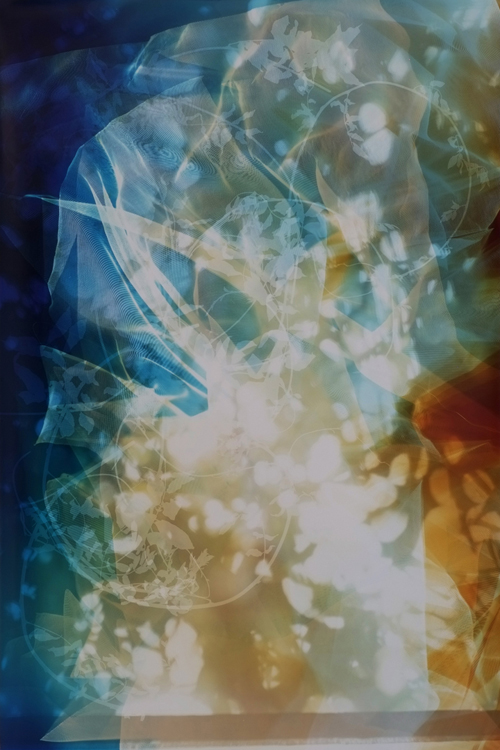
Contemporary photographers are increasingly rejecting traditional cameras in favor of alternative, camera-less techniques such as photograms, cyanotypes, and chemigrams. These artists draw inspiration from early scientific experiments with light-sensitive materials, like those of Johann Heinrich Schulze and Thomas Wedgwood, who created temporary images using silver nitrate and sunlight before photography was formally invented.

« Le monde entier semble s’être mis en mouvement, animé par une soif d’expériences culturelles »

The article explores the transformation of cultural travel for artists and art lovers, contrasting the arduous, unknown journeys of historical figures like Eugène Delacroix, Paul Gauguin, and Ella Maillart with today's accessible, curated experiences. It describes how contemporary artists such as Ólafur Elíasson, JR, and Marina Abramović now use travel itself as a medium, creating works that engage with climate change, social issues, and presence. Destinations like the Venice Biennale, AlUla in Saudi Arabia, Naoshima in Japan, and Le Voyage à Nantes are highlighted as hubs where art and travel merge into immersive, sensory experiences.

Water Samples from Around the World Melt into Dima Rebus’ Dreamy Paintings

London-based artist Dima Rebus creates large-scale watercolor paintings using water samples collected from strangers around the world. In her series "Floaters," she freezes the crowdsourced water with pigments, then lets it melt across paper to form abstract color fields, later adding figures and aquatic landscapes. Each sample arrives with a letter, building an archive of rain, rivers, seas, oceans, and glaciers that serve as both material and human message.

How Digital Animation Can Help Audiences Understand Installation Art Before They Experience It in Person

The article examines the inherent limitations of traditional photography in documenting installation art, arguing that static images fail to convey the experiential qualities of scale, sequence, and audience interaction central to the medium. It uses Olafur Eliasson's iconic 'The Weather Project' as a prime example of a work whose atmospheric and social dimensions are lost in photographic reproduction.