filter_list Showing 15 results for "Meta" close Clear
search
dashboard All 188 museum exhibitions 128article local 21article culture 15article news 9rate_review review 7trending_up market 3person people 3candle obituary 2
date_range Range Today This Week This Month All
Subscribe

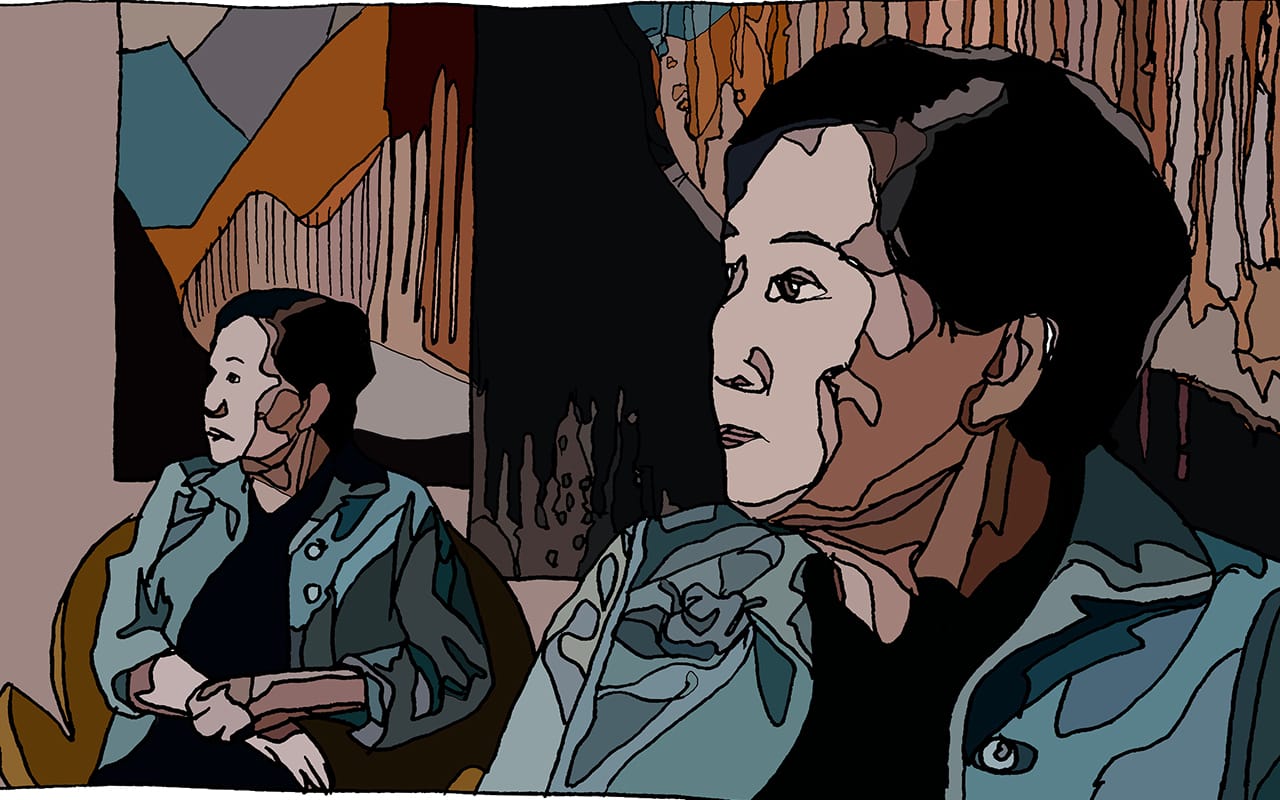
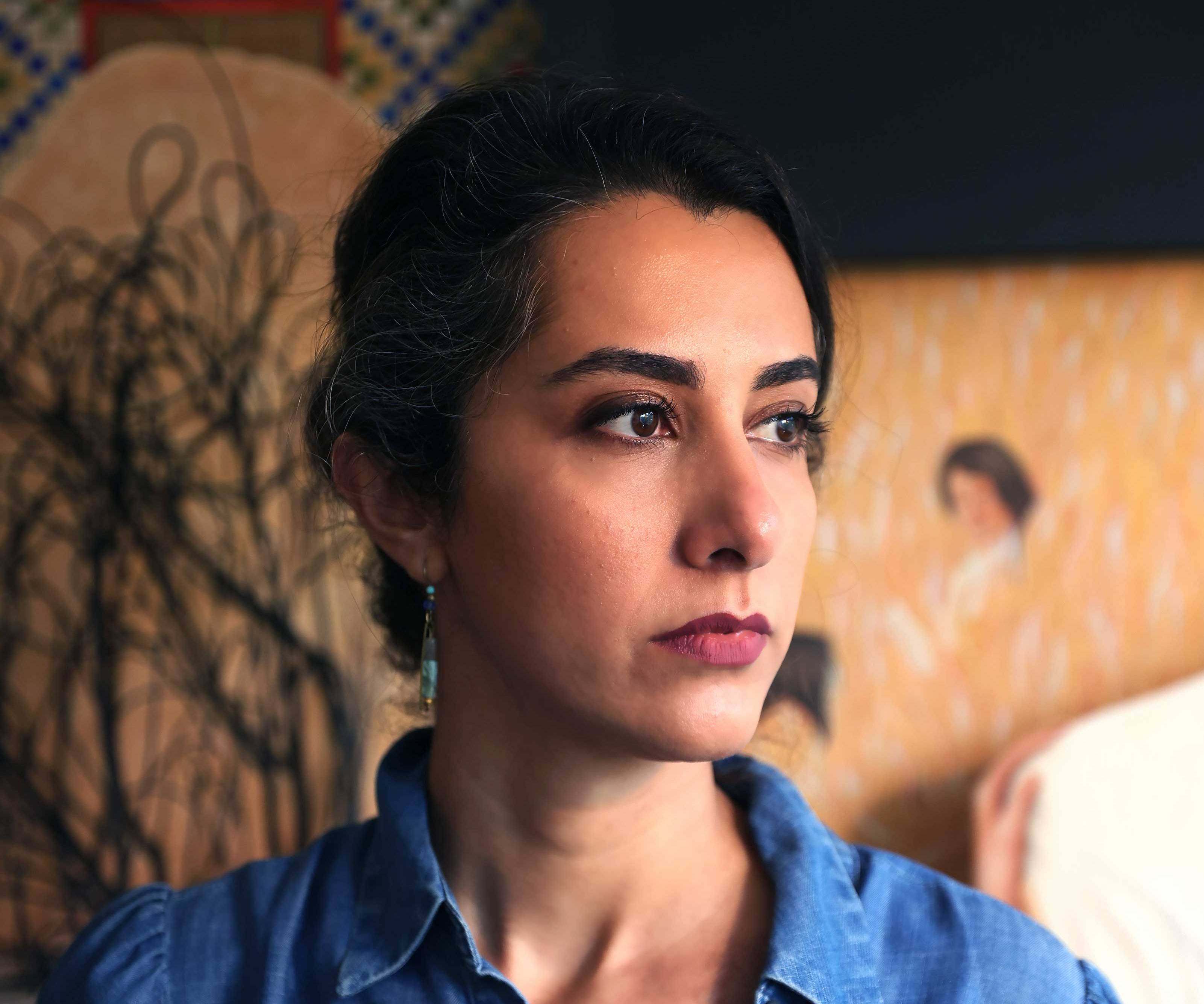
Arghavan Khosravi’s Intricate Paintings Find Hope amid Oppression

Arghavan Khosravi creates intricate, surreal three-dimensional paintings that blend sculptural elements with painted canvases, featuring hidden details such as creased book spines, concealed female figures, and glowing bullets. In an interview at her Connecticut studio, she explains her preference for works that reveal themselves gradually over time, rather than shouting for attention.
Global Art Biennials: Renovation, Revelation—or Repetition?

The article examines the current state of global art biennials, arguing that recent controversies—such as the 2022 documenta antisemitism crisis and geopolitical tensions at the 61st Venice Biennale—reveal these exhibitions as deeply politicized platforms rather than neutral cultural events. It highlights how juries and curators have introduced geopolitical criteria, and cites ongoing debates in Artforum (April 2026) featuring voices like Daniel Birnbaum, Michelle Grabner, and Adam Szymczyk, who diagnose visible tensions but overlook deeper structural conditions.

Vincenzo Trione's new book aims to redefine the concept of the avant-garde (reviews by his students)

Il nuovo libro di Vincenzo Trione vuole ridefinire il concetto di avanguardia (le recensioni dei suoi allievi)

On March 9, 2026, at IULM University in Milan, Vincenzo Trione presented his new book *Rifare il mondo. Le età dell’avanguardia* (Einaudi, 2025). The event was part of the cultural program *Leonardo alla IULM*, which also featured pages from the Codex Atlanticus on loan from the Biblioteca Ambrosiana. Trione, a professor at IULM, discussed the book with four of his students: Anna Luigia De Simone, Vincenzo Di Rosa, Anna Calise, and Alessia Scaparra Seneca. The talk, titled "Nessuna parola caratterizza l’arte contemporanea più di avanguardia," explored the concept of the avant-garde, its historical legacy, and its contemporary reactivation through movements, manifestos, collectives, and cultural phenomena.

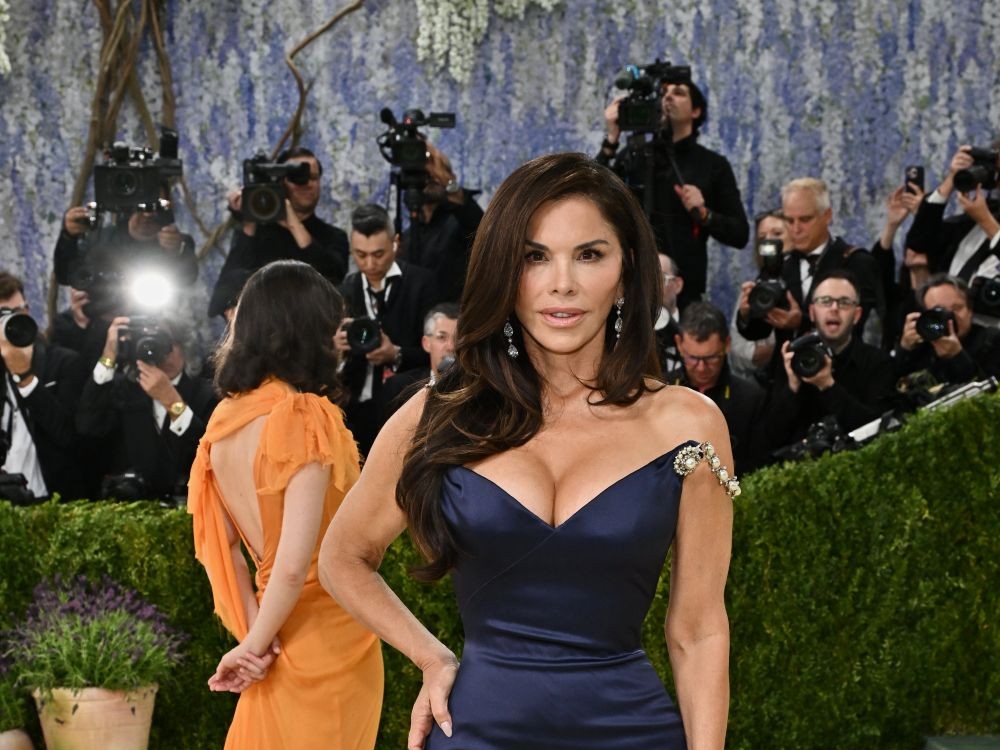
How Tech Billionaires Turn Couture into Content

Wie Tech-Milliardäre Couture zu Content machen

The Met Gala, long considered the premier event for fashion and cultural influence, has become increasingly dominated by tech billionaires. This year, Jeff Bezos and Lauren Sánchez Bezos purchased their role as co-hosts, sparking protests in New York and raising questions about whether money alone now buys entry into the highest echelons of fashion. Individual tickets cost $10,000 and a table $350,000, with sponsors including OpenAI, Snapchat, and Meta. The event, organized by Anna Wintour to raise funds for the Costume Institute at the Metropolitan Museum of Art, raised $31 million last year but has transformed from a benefit into a spectacle optimized for viral moments and algorithmic appeal.

Lee ShinJa's Handwoven Portals

Hyperallergic profiles the work of South Korean textile artist Lee ShinJa, whose handwoven artworks are described as 'portals' that bridge traditional craft and contemporary abstraction. The article highlights her use of traditional Korean weaving techniques to create layered, ethereal pieces that evoke both physical and metaphysical spaces.

GEORGE FEBRES: TRANSLATION, IRONY, AND LIBERATION. AN ECUADORIAN ARTIST IN THE DIASPORA

The article examines the life and work of George Febres (1943–1996), an Ecuadorian artist who spent most of his career in the United States, primarily in New Orleans. Febres’s practice blends Pop Art, Neo-Surrealism, and Southern US culture with his experiences as a migrant and queer subject, using bilingualism and ironic tropical imagery to create a hybrid, irreverent body of work. Despite his significance, no works by Febres exist in Ecuadorian public collections, and no major retrospective has been held in his home country, reflecting a broader erasure of queer narratives from national art history.

GEORGE FEBRES: TRADUCCIÓN, IRONÍA Y LIBERACIÓN. UN ARTISTA ECUATORIANO EN LA DIÁSPORA

George Febres (Guayaquil, 1943 – New Orleans, 1996) was an Ecuadorian artist whose work blended pop art, neo-surrealism, and Southern U.S. culture, shaped by his experience as a migrant and queer individual. The article traces his life from a privileged but unstable childhood in Ecuador to his migration to the United States, where he was drafted during the Vietnam War and eventually settled in New Orleans. Febres used bilingualism and ironic appropriation of tropical imagery to create a hybrid, irreverent body of work that challenges the official historiography of Ecuadorian art.

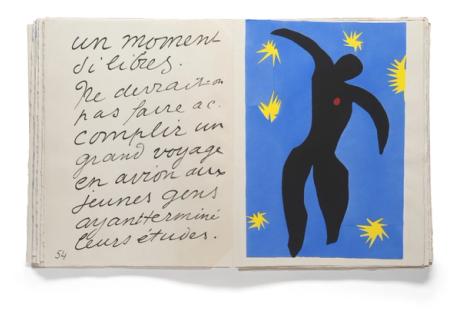
May Book Bag: from a guide on entering the art world to a publication about artists influenced by Ovid’s Metamorphoses

The May Book Bag article from The Art Newspaper reviews four new art-related publications. It covers "Metamorphoses: Ovid and the Arts," edited by Francesca Cappelletti and Frits Scholten, which examines Ovid's influence on Western art through works by artists like Titian, Caravaggio, and Louise Bourgeois. Other featured books include Hettie Judah's "How to Enter the Art World," a practical guide for emerging artists; "Derrick Adams: Prints," showcasing the artist's printmaking from 2019-2025; and "Whistler's Legacy" by Daniel Sutherland, which explores the legacy of James Abbott McNeill Whistler through his close associates.

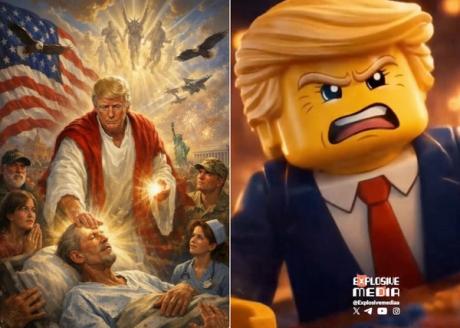
Comment | The slopification of political art

The article critiques the rise of AI-generated political imagery, such as Donald Trump depicted as Jesus and viral Lego videos of the Iranian Revolutionary Guard Corps, arguing that these shallow, generic visuals fail to provide meaningful or lasting cultural commentary on current conflicts. The author contrasts this with the inventive, humorous resistance seen during the 2013 Gezi Park protests in Istanbul, which later influenced a generation of Turkish artists.

8 Art Films Worth Watching in May

8 Kunstfilme, die sich im Mai lohnen

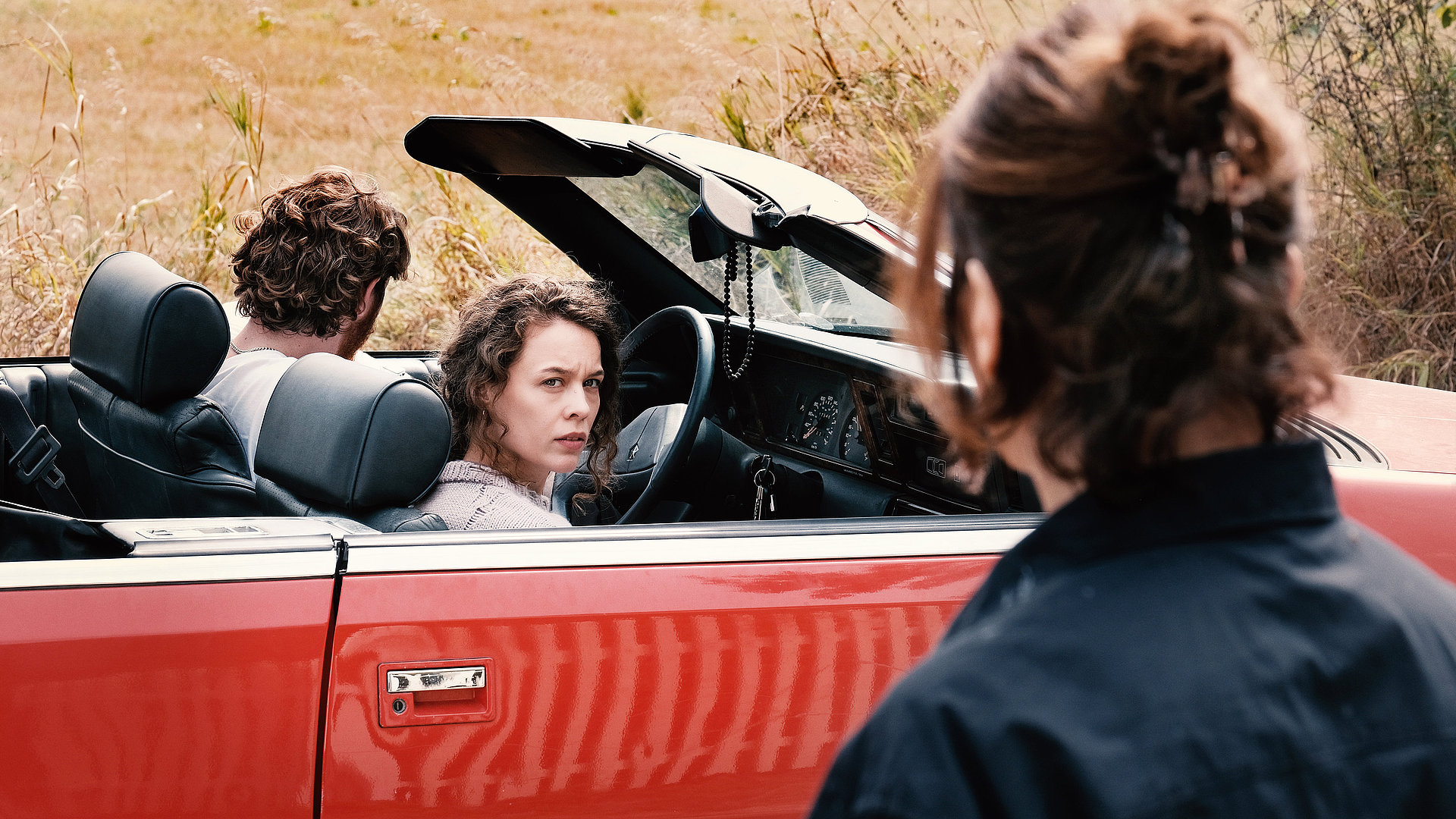
Monopol magazine presents eight art films worth streaming in May, including a documentary featuring 40,000 slides from critic Jerry Saltz capturing the 1990s New York art scene, Shirin Neshat's film "Women Without Men" about women in 1953 Tehran, Christian Petzold's new film "Miroirs No. 3," and a documentary on the Shroud of Turin. The roundup also includes a politically charged drama directed by Yael Bartana and a Dada-metal film, offering a diverse selection of art-related cinema.

In love with trees, sculptor Lélia Demoisy elevates nature through hybridization

Amoureuse des arbres, la sculptrice Lélia Demoisy sublime la nature par l’hybridation

Lélia Demoisy, a French sculptor born in 1991, creates hybrid works that blend wood with animal elements, such as a yew wood sculpture covered in fox fur or a suspended skeleton made from naturally curved thuya branches. She lives in a small village in the Yvelines region, where she works with wood and metal herself, often sourcing materials locally, and recently participated in the Maif pour le vivant committee as the only artist on the jury.

Required Reading

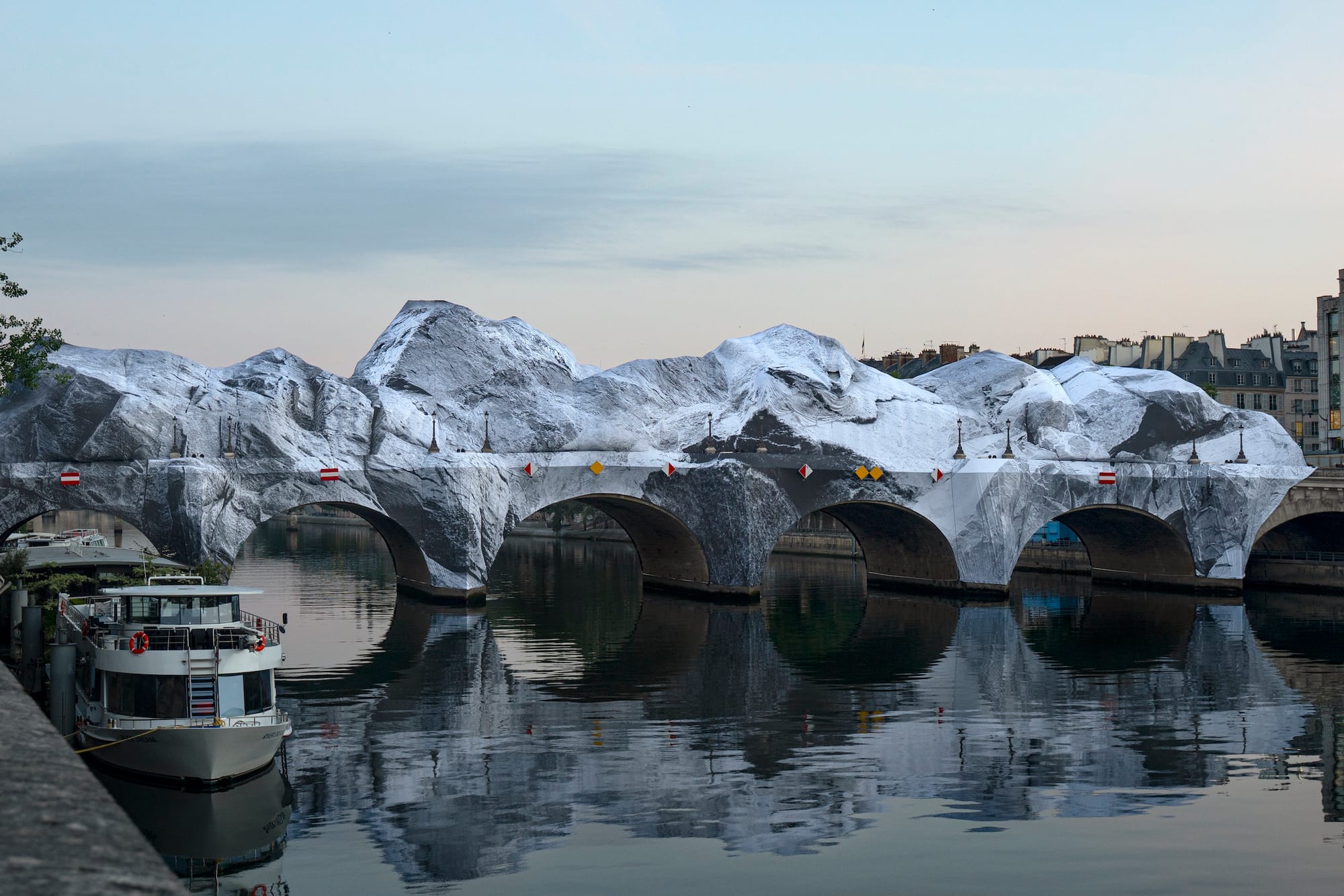
This week's Required Reading roundup from Hyperallergic covers a diverse range of art-world stories. French photographer JR has unveiled "La Caverne du Pont Neuf Paris" (2026), an optical illusion installation that transforms the pathway across the Seine into a black-and-white mountain range cave, paying homage to Christo and Jeanne-Claude's 1985 wrapping of the same bridge. Other highlights include architecture scholar Karrie Jacobs investigating a New York waterfront walking initiative for The Nation, curator Tara Contractor writing in Apollo about James McNeill Whistler's use of metallic pigments influenced by Japanese traditions, and Rob Corsini interviewing Amelia Abraham about their new book celebrating photography of queer nightlife for Dazed.

Jewellers delve into the Dalíesque with dreamlike pieces

Jewellers are creating a new wave of sculptural, nature-themed pieces inspired by the surrealist artist Salvador Dalí. These dreamlike works draw on Dalí's iconic motifs—melting clocks, fantastical creatures, and organic forms—reimagined in precious metals and gemstones by contemporary designers and luxury houses.

‘It’s a huge, futuristic space with massive skylights’: Ali Zolghadri’s best phone picture

Ali Zolghadri, a Tehran-born fine art photographer, captured a composite image of the central atrium of the Iran Mall in Tehran—the world's largest shopping mall—which was shortlisted in the creative category of the 2026 Sony World Photography Awards. The photograph, taken four months before the US and Israel launched their war on Iran, depicts the mall's futuristic architecture with sweeping curved lines, metallic surfaces, and massive skylights, and includes a lone passerby to emphasize scale. Zolghadri emphasizes that his process involves manual editing in Photoshop without AI, blending three frames and removing unnecessary elements to construct meaning.

Why Is Everyone Obsessed With Bogs?

The New York Times Art section published an explainer titled "Why Is Everyone Obsessed With Bogs?" examining the cultural fascination with wetlands, particularly bogs, across fashion and art. The article explores how bogs have become a recurring motif in contemporary visual culture, from runway collections to gallery installations, reflecting a broader societal interest in these unique ecosystems.