filter_list Showing 10 results for "Metro" close Clear
search
dashboard All 68 museum exhibitions 25article local 14article culture 10article news 8trending_up market 4rate_review review 3article policy 2person people 1gavel restitution 1
date_range Range Today This Week This Month All
Subscribe

Rocked on their heels: how exhibitions can change the course of artists’ lives

Alyce Mahon's new book, *Dorothea Tanning: A Surrealist World*, explores how the 1936 MoMA exhibition *Fantastic Art, Dada, Surrealism* profoundly transformed the young artist Dorothea Tanning, who described being "rocked on my run-over heels" by the experience. The article also recounts similar life-changing exhibition encounters for contemporary artists Lorna Simpson and Hurvin Anderson, as discussed on *The Week in Art* and *A brush with…* podcasts, highlighting how specific shows shaped their artistic trajectories.
The Met’s Frida & Diego Opera Imagines Feminist Revenge from Beyond the Grave

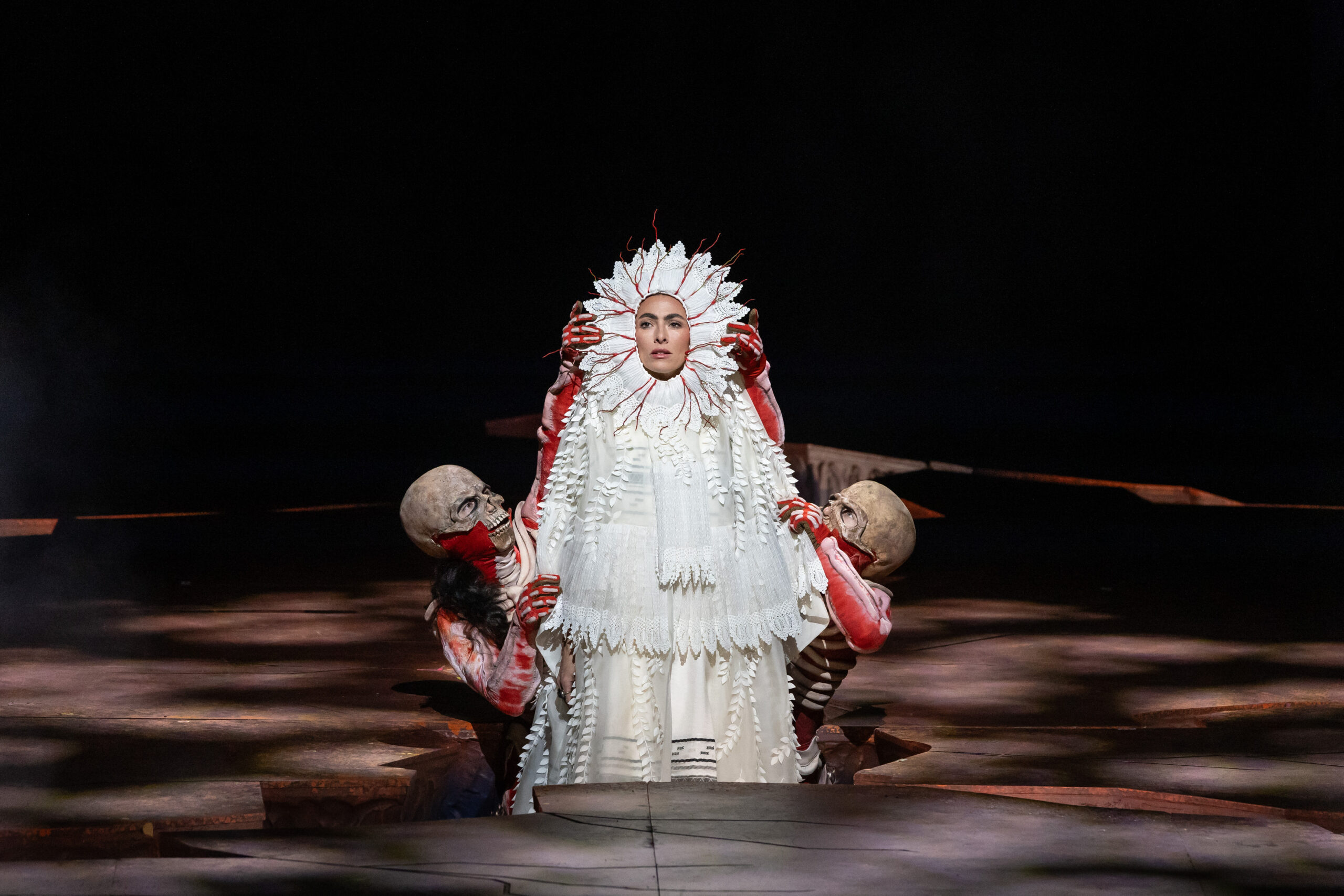
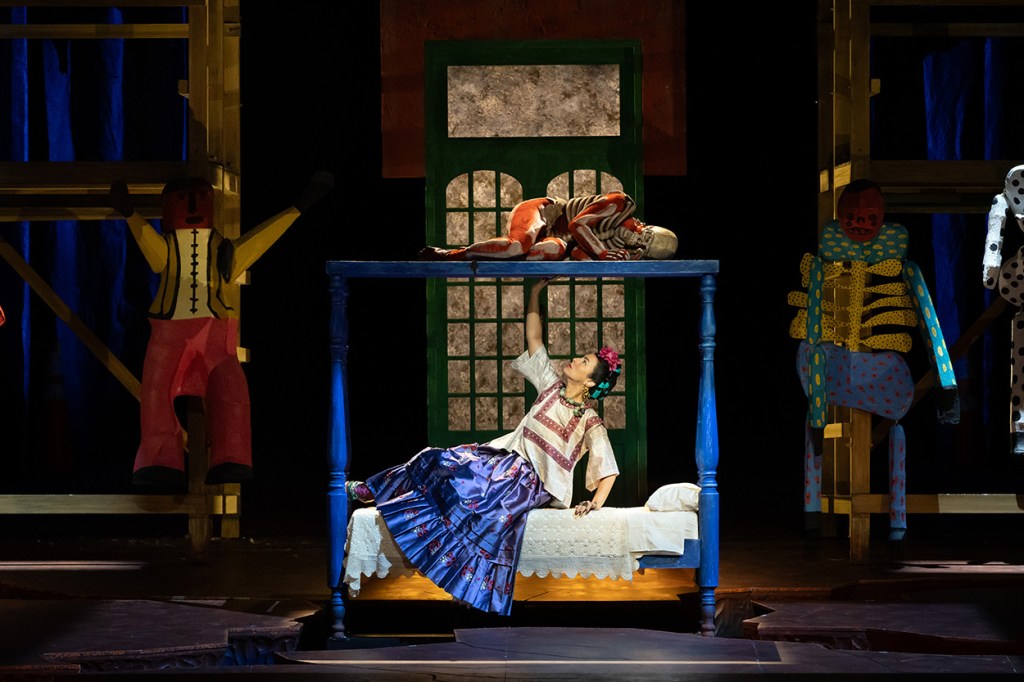
The Metropolitan Opera has opened "El Último Sueño de Frida y Diego," a new opera by composer Gabriela Lena Frank and librettist Nilo Cruz that imagines Frida Kahlo returning from the underworld during Día de los Muertos for a reunion with her husband Diego Rivera. The production features mezzo-soprano Isabel Leonard as Frida, Carlos Álvarez as Diego, and choreography by Deborah Colker, with sets by Jon Bausor that evoke Kahlo's iconic paintings and mirror. The opera explores themes of pain, creativity, and marital strife, granting Kahlo physical freedom denied to her in life while centering her perspective over Rivera's.

Our Summer Art Reading List

Hyperallergic's summer art reading list features a curated selection of art books, including Kory Stamper's 'True Color' about the Merriam-Webster color definer, Megan O'Grady's essay collection on art as necessity, and 'O'Keeffe-isms' drawn from Georgia O'Keeffe's writings. The list also highlights art detective mysteries like 'The Case of the Disappearing Gauguin' by Stephanie Brown and provenance stories from the San Antonio Museum of Art, alongside upcoming Yale University Press titles on Anni Albers, Dorothea Tanning, and Edward Steichen. Additional coverage includes an exhibition of Jack Kerouac's letters and photographs in NYC, and the Printed Matter art book fair in Los Angeles.

In the Studio with Casey Engel

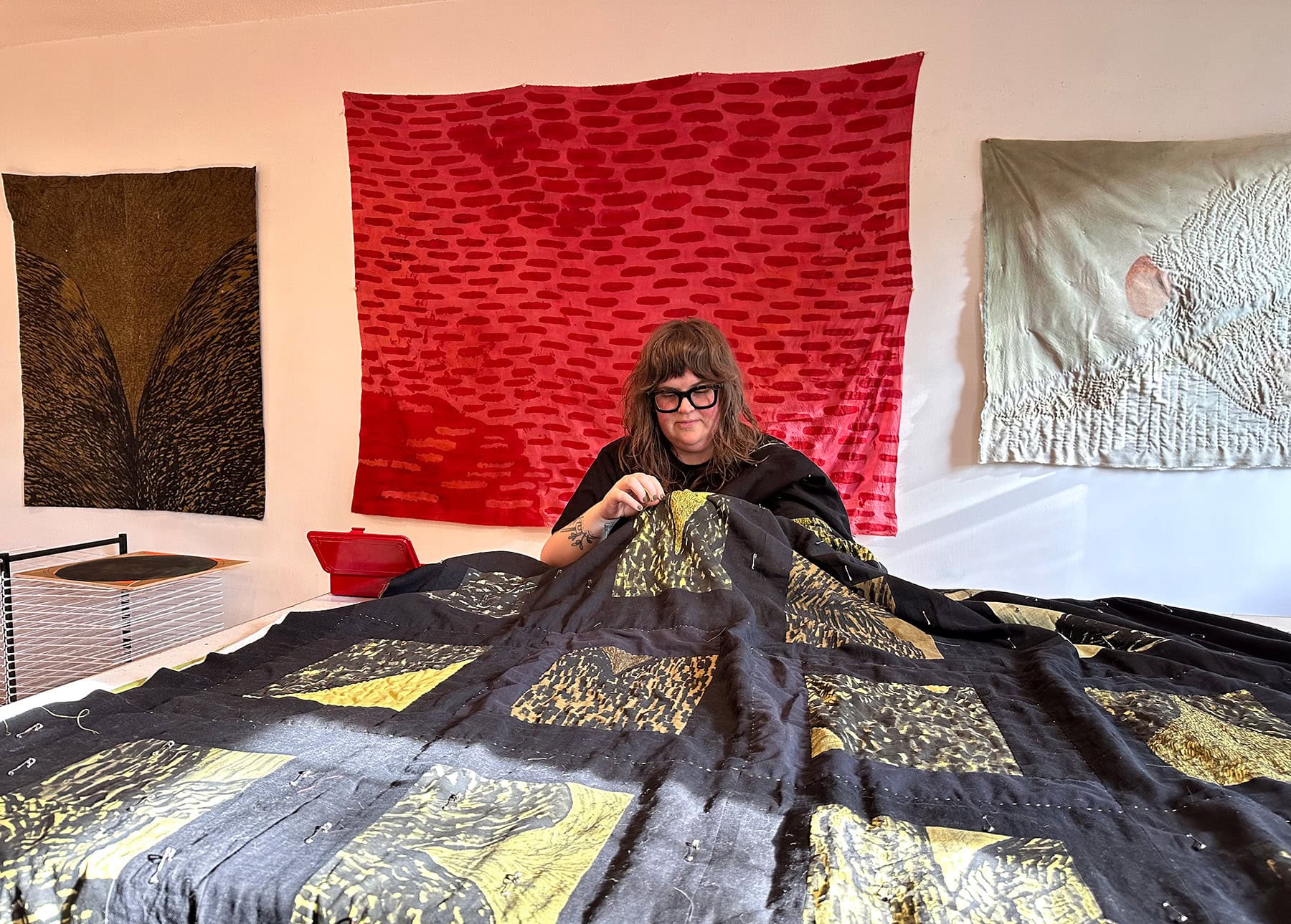
Casey Engel, an artist based in Asheville, North Carolina, is profiled in her studio, where she creates ceramic, fiber, and paper works that blend craft traditions with avant-garde sensibilities. The article, structured as an interview with writer Merin McDivitt, explores Engel's tactile process—from pinching clay to hand-stitching quilts—and her emphasis on touch, intuition, and the tension between functionality and art. Engel previously curated over sixty shows at Blue Spiral 1 before dedicating herself full-time to her own practice.

The Painted Book Cover Is Back

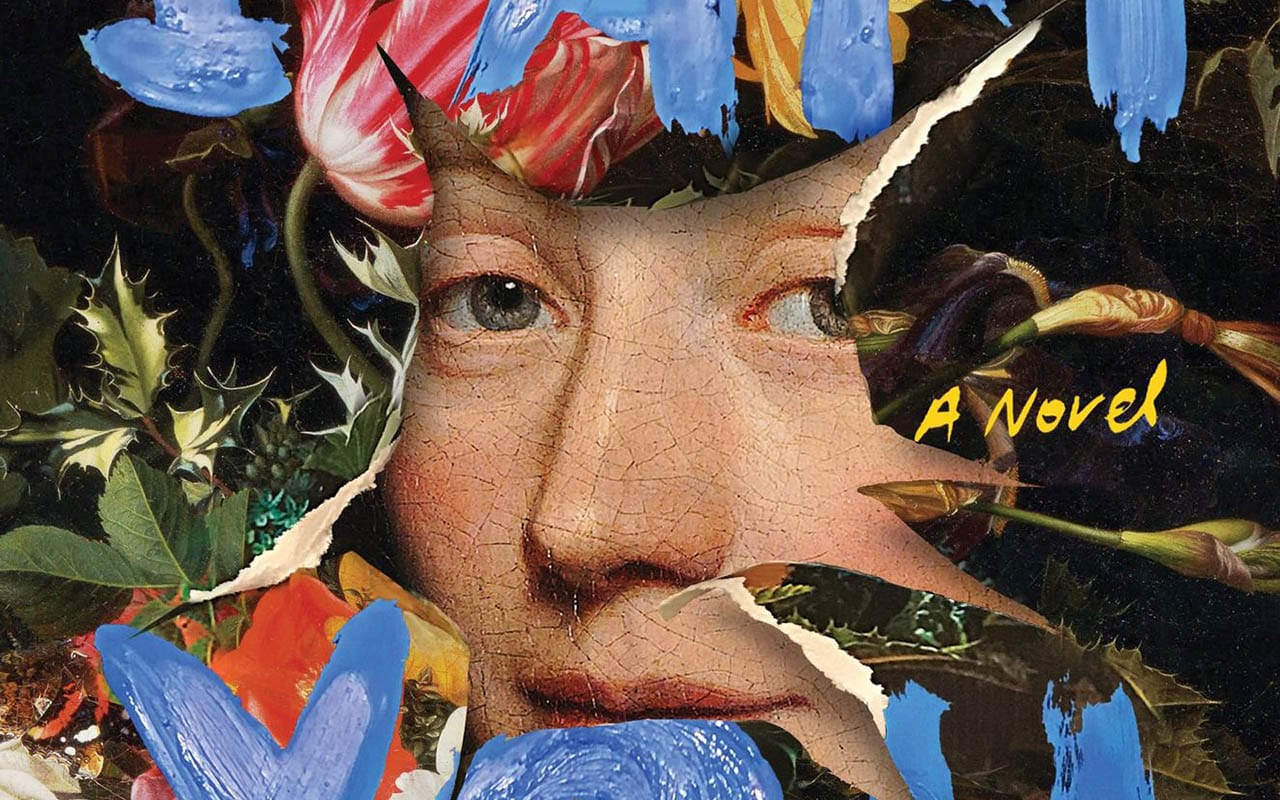
The article reports on a growing trend in book cover design: the use of painted, figurative artwork instead of stock photos or digital renderings. Publishers are increasingly licensing paintings by artists from Hilma af Klint to Shannon Cartier Lucy, seeing them as a way to signal cultural authority and intellectual rigor. The trend is discussed through examples like Victoria Redel's *I Am You* (2025) and Kyung-Ran Jo's *Blowfish* (2025), with insights from LiteraryHub Managing Editor Emily Temple and Astra House publisher Benjamin Schrank.

What You (Maybe) Didn't Know About Édouard Manet

Ce que vous ne saviez (peut-être) pas sur Édouard Manet

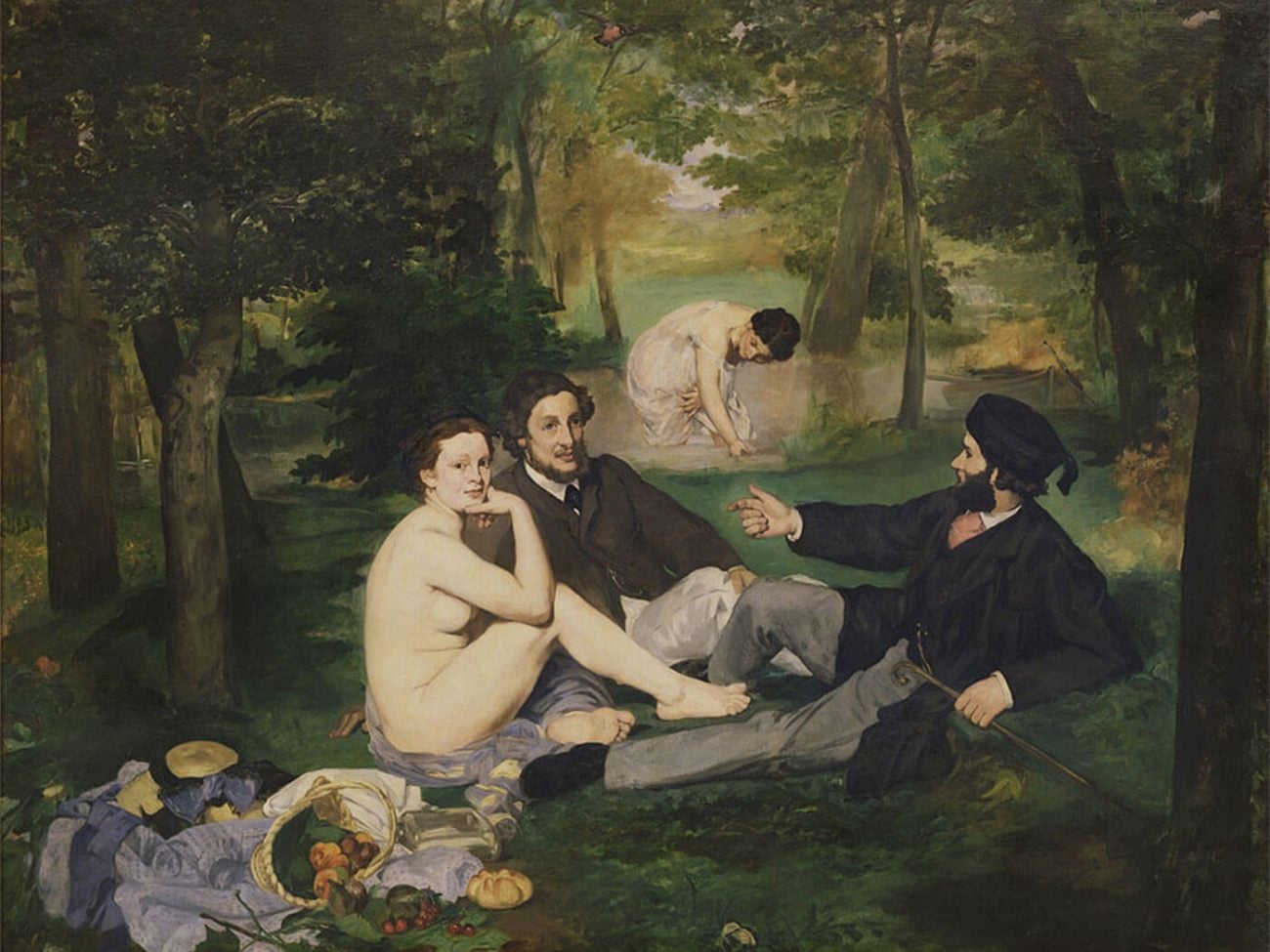
Édouard Manet (1832–1883), a pivotal figure bridging realism and impressionism, is the subject of a feature article in Beaux Arts Magazine. The piece explores lesser-known aspects of his life and career, including his near-miss as a naval officer, his rivalry with Gustave Courbet, his refusal to join the impressionist exhibitions despite close ties to the movement, and his deep fascination with Spanish culture. It highlights his scandalous works like *Le Déjeuner sur l'herbe* (1863) and *Olympia*, the latter entering the Louvre after a subscription launched by Claude Monet in 1889.

Why Did the Met Opera Decide to Exhume Frida Kahlo and Diego Rivera’s Marital Strife?

The Metropolitan Opera has staged Gabriela Lena Frank's first opera, *El Último Sueño de Frida y Diego*, which imagines a supernatural reunion between Frida Kahlo and Diego Rivera on Día de los Muertos. The production, conducted by Yannick Nézet-Séguin and starring Isabel Leonard and Carlos Álvarez, uses magical realism to explore the couple's turbulent relationship, though it largely sidelines their Communist activism and Kahlo's queer affairs in favor of a simplified reconciliation narrative.

“Edmonia Lewis: Said in Stone” Reconstructs a Life Across Fragments

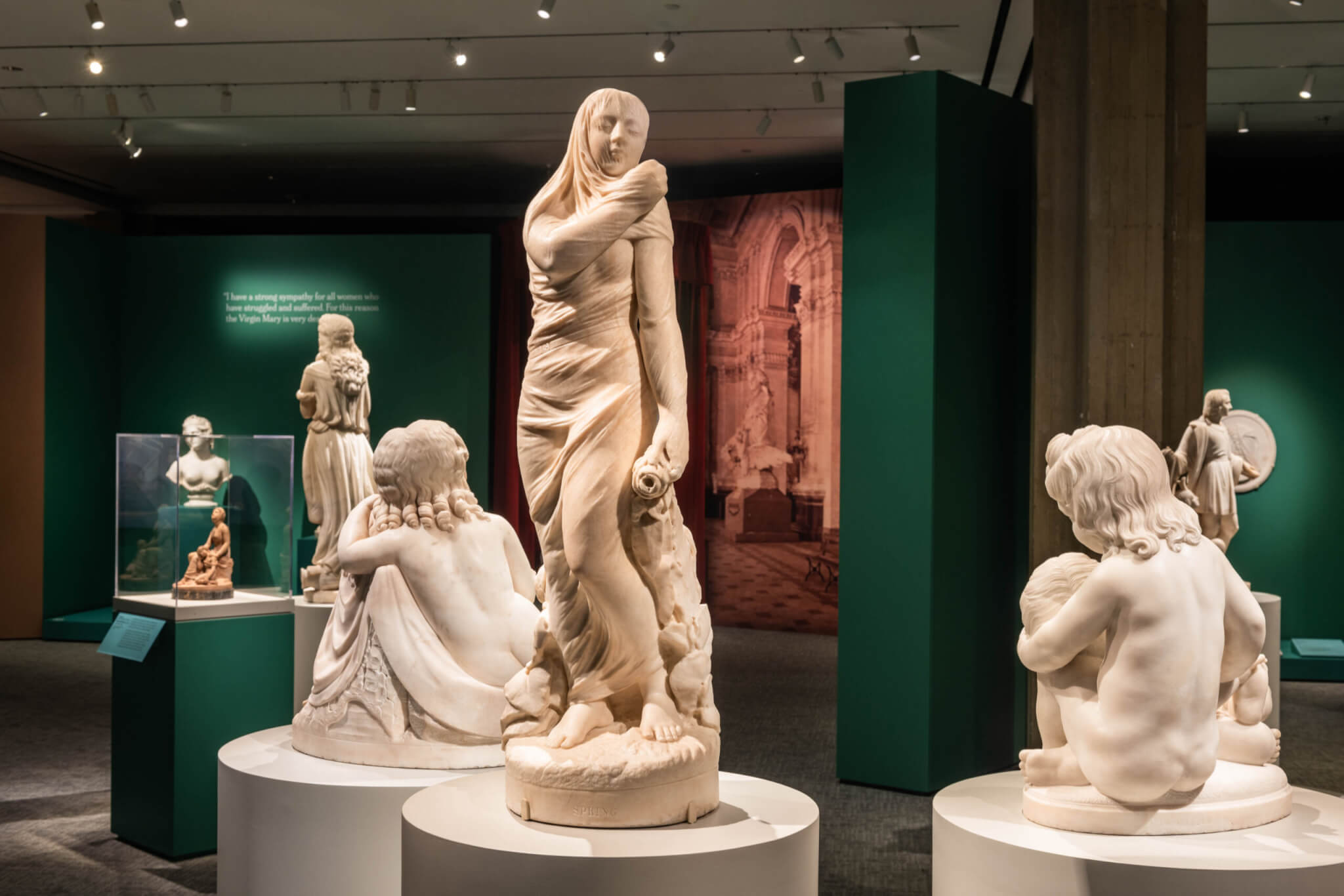
Boston Art Review (BAR) has published an article titled “Edmonia Lewis: Said in Stone” that reconstructs the life of the 19th-century sculptor Edmonia Lewis across fragmented historical records. The piece examines Lewis’s career, her neoclassical marble works, and the challenges of piecing together her biography due to limited archival materials.

10 Tips for Getting the Most Out of Your Next Museum Visit

This article offers ten practical tips for enhancing museum visits, emphasizing preparation, physical comfort, and mindful engagement. It advises planning around specific artworks using online databases, addressing bodily needs like food and hydration, and timing visits to avoid crowds. The piece also recommends slowing down to spend ten minutes per work, using techniques like slow looking to deepen appreciation.

Should art have moral limits?

At Metropolitan State University of Denver, students, artists, professors, and curators debate whether art should have moral limits, particularly when it addresses violence, political division, or sensitive social issues. The discussion features perspectives from Jess Gerome, an art education student who argues discomfort should not dictate creative expression, and Xtna Doleres, a multidisciplinary artist who believes art carries an ethical responsibility to speak truth and represent communities respectfully. Professor Jason Miller adds that while art alone may not cause harm, it must be taken seriously when it suggests real-world danger.