
filter_list Showing 3 results for "President" close Clear
search
dashboard All 37 museum exhibitions 15article policy 9article news 6article culture 3article local 2person people 1gavel restitution 1
date_range Range Today This Week This Month All
Subscribe

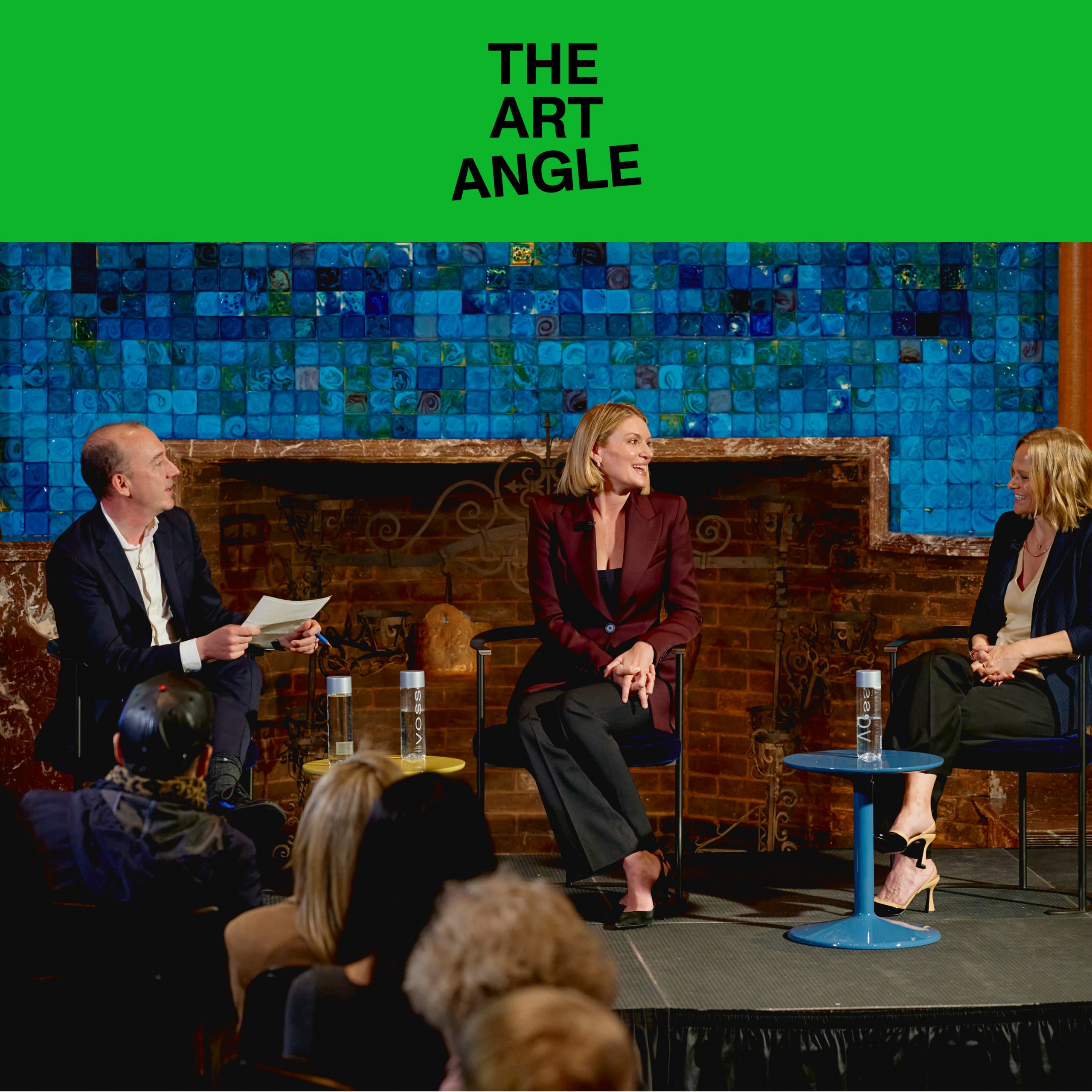
How Is Arts Patronage Changing?

At TEFAF New York, Artnet News editor Andrew Russeth moderated a panel titled “Who Supports Art Now? Patronage in a Shifting Cultural Landscape” featuring two prominent figures in American arts philanthropy: Sarah Arison and Michi Jigarjian. Arison, who became the youngest president of the Museum of Modern Art’s board in 2024 at age 39, also leads the Arison Arts Foundation and chairs YoungArts. Jigarjian, CEO of Work of Art Holdings and a partner at 7G Group, has led Baxter St at CCNY for 15 years and serves on the boards of the Brooklyn Museum and MoMA PS1. The discussion took place during fair week in mid-May at the Park Avenue Armory.
‘Writing is exactly like love – you need to do it in the dark’: novelist Leila Slimani on why literature is erotic

French-Moroccan novelist Leïla Slimani discusses her residency at Madrid's Museo del Prado, where she draws inspiration from Francisco Goya's Black Paintings for her writing. She reflects on her career, including winning the Prix Goncourt for her novel *Lullaby*, her appointment by French President Emmanuel Macron as a representative for Francophone culture, and the personal trauma of her father's imprisonment that fueled her early writing. The article explores her views on literature, painting, and the erotic nature of writing.

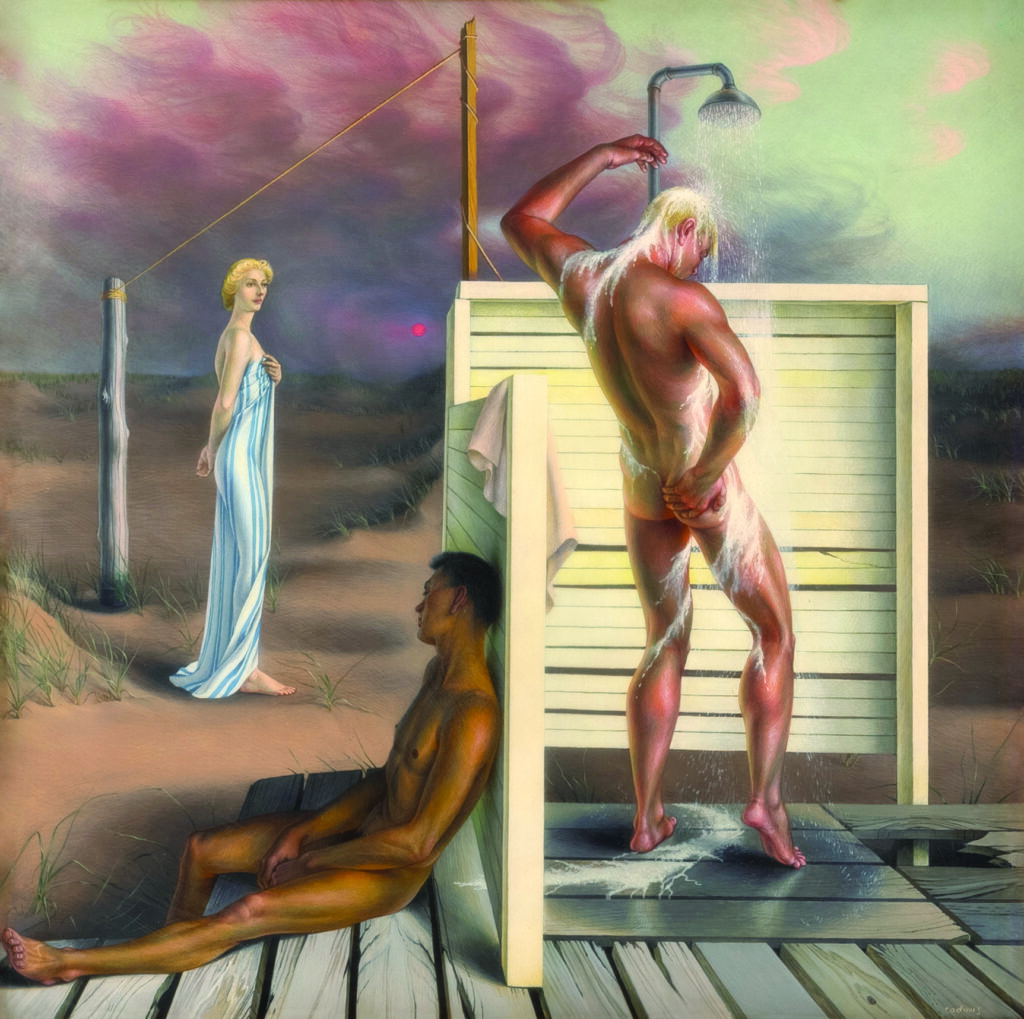
Are You a Queer Artist Heading to Fire Island This Summer? Pack This Book.

Cultured magazine highlights a new book, *Fire Island Art: 100 Years*, edited by John Dempsey, president of the Fire Island Pines Historical Society. The volume surveys queer artmaking on Fire Island from the 1930s to the present, featuring canonical figures like Richard Avedon, David Hockney, and Andy Warhol alongside overlooked artists, and includes contemporary voices such as TM Davy, Nicole Eisenman, and Salman Toor. It draws on archival material, newly unearthed pieces, essays, interviews, and primary texts to reframe the island as a cornerstone of queer modernism.