filter_list Showing 19 results for "RAM" close Clear
dashboard All 372 museum exhibitions 191article local 92article news 28article culture 19person people 13trending_up market 11article policy 10rate_review review 6candle obituary 2
date_range Range Today This Week This Month All
Subscribe

There will be mud! Could my child (and buggy) survive a day at a sculpture park?

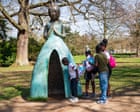
A parent takes their toddler to Yorkshire Sculpture Park (YSP) in West Yorkshire, UK, during a rainy February day. Despite the mud and drizzle, the child engages with outdoor artworks by Barbara Hepworth, Henry Moore, Bharti Kher, Sol LeWitt, Vanessa da Silva, and Damien Hirst, treating the sculptures as playgrounds and objects of discovery. The park offers free activity packs, a Hidden Forest designed for under-fives, and a family-friendly environment that encourages children to explore art and nature without the constraints of indoor galleries.
Harnessing the winds of societal change: how art dealers have been able to shape taste for centuries

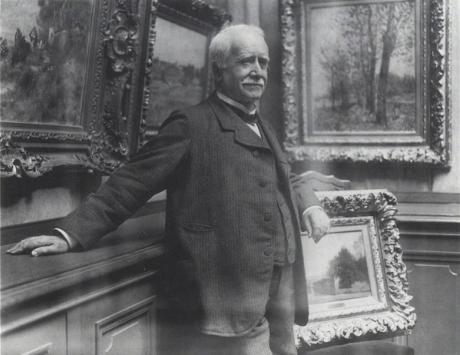
Valentina Castellani, a former Gagosian director, has authored a new book titled *Trading Beauty: Art Market Histories from the Altar to the Gallery* (out 1 May). The book traces how art dealers have historically leveraged societal changes—political, economic, and social—to reshape taste and market structures. Castellani begins in the Middle Ages, when art was made only on commission for patrons like the Catholic church and monarchies, and moves through key shifts such as the Dutch Republic's first open art market in the 17th century, which gave rise to the professional art dealer. She highlights dealers like Paul Durand-Ruel, Joseph Duveen, and Leo Castelli who capitalized on anti-establishment energy, new wealth, and post-war consumer culture to bring avant-garde art to the forefront.

Luca De Michelis, chief executive of Marsilio Arte, on his favourite spots in Venice beyond the Biennale

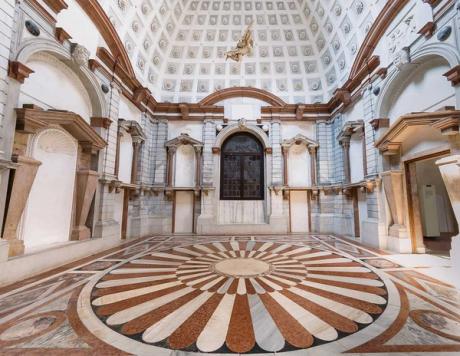
Luca De Michelis, CEO of Marsilio Arte, shares his personal guide to Venice beyond the Biennale, highlighting historic sites, shopping, dining, and cultural venues. His recommendations include Palazzo Grimani, Micheluzzi Glass, the Gardens of the Church of the Redeemer on Giudecca, Antiche Carampane restaurant, the newly opened Dries Van Noten Foundation, San Giorgio Maggiore island, Codroma for spritz, and the upcoming exhibition 'Strange Rules' at Palazzo Diedo’s Berggruen Arts & Culture.

Expanded Vocabulary: Revisiting Deborah Kass’ Studio

The article recounts the author's visit to Deborah Kass's Brooklyn studio, which she shares with her wife, artist Patricia Cronin. The visit was prompted by logistical issues related to the author's exhibition "Social Minimalism" (2025). During the visit, the author and Kass revisited themes central to Kass's work over three decades: the exclusion of women from art history, Jewish identity, queer voice, lesbian subjectivity, and postwar American art. The conversation also touched on Kass's series including the Warhol Project, Feel Good Paintings, No Kidding, and the large painting/sculpture installation "Everybody" (2019), which was recently featured in a conversation between Kass and Titus Kaphar in Interview magazine.

Trevor Paglen’s New Book Says AI Is Rewriting What Images Do

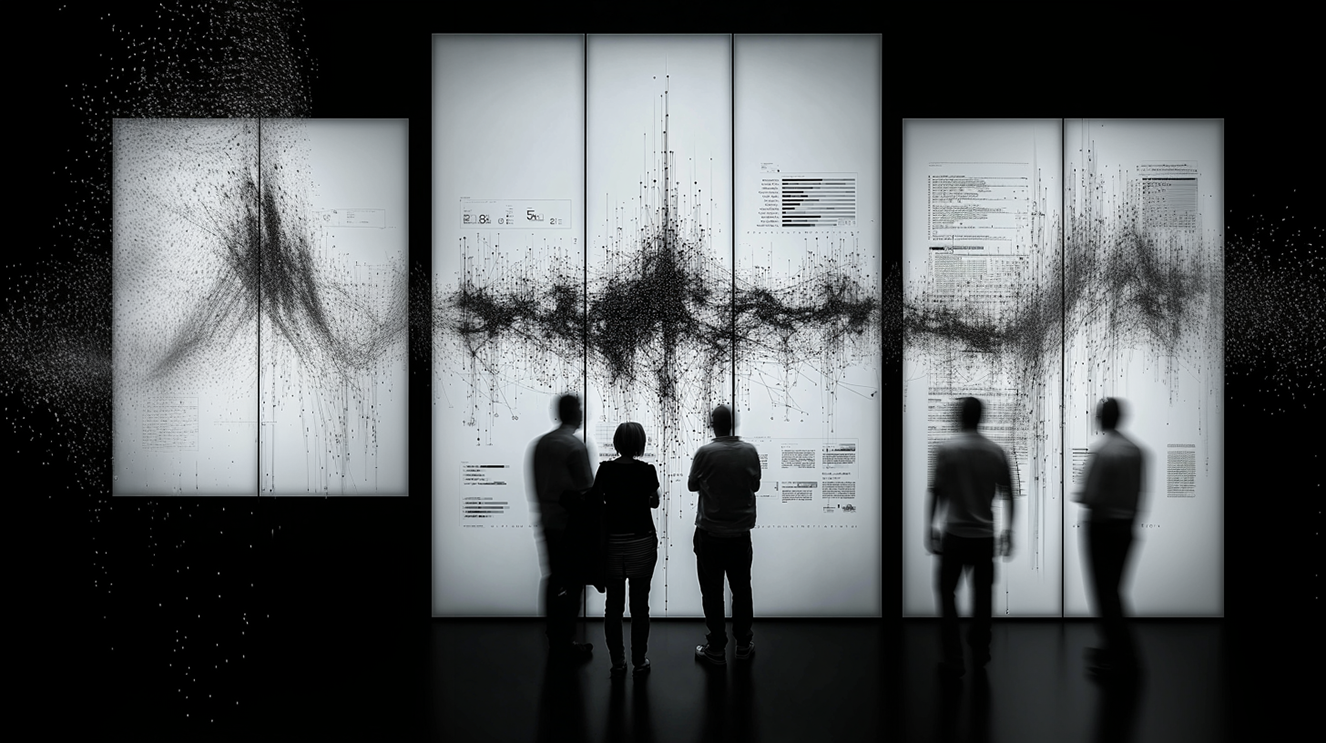
Artist Trevor Paglen has published a new book, *How to See Like a Machine: Images After AI*, which argues that generative AI and computer vision are fundamentally changing how images function in culture. Drawing on his decade-long practice, Paglen contends that images are no longer merely representations for human interpretation but have become operational tools—'activations' that trigger automated responses and shape reality. He cites examples such as surveillance cameras at grocery stores, the Samsara navigation system in trucks, and the ImageNet database to illustrate how machine vision systems normalize surveillance in service of capital, a phenomenon he terms 'machine realism.'

Martin Schongauer in 2 Minutes

Martin Schongauer en 2 minutes

Martin Schongauer (c. 1445–1491), the Alsatian painter, draftsman, and engraver, is celebrated as the greatest German copperplate engraver before Albrecht Dürer and one of the first artists to achieve pan-European fame in his lifetime. The article outlines his life and career, from his early training in his father's goldsmith workshop in Colmar to his studies at the University of Leipzig and travels through Flanders, where he absorbed the influence of Rogier van der Weyden and Dirk Bouts. It highlights his 116 copper engravings, signed with the monogram 'M+S', which elevated engraving to a high art and circulated from Spain to Bohemia, inspiring Dürer and the young Michelangelo. Key works discussed include the painting 'La Vierge au buisson de roses' (1473) and the engraving 'La Tentation de saint Antoine' (c. 1470–1475).

27 Best Museums in the World for Art, History, and Cultural Wonders

This article from Travel + Leisure lists 27 of the best museums in the world, covering art, history, science, and culture. Featured institutions include the Louvre in Paris, the Metropolitan Museum of Art in New York, the Vatican Museums, the National Museum of China in Beijing, the National Gallery and Tate Modern in London, the Natural History Museum in London, the Griffin Museum of Science and Industry in Chicago, and Miraikan in Tokyo. The piece highlights iconic artworks such as the Mona Lisa, Venus de Milo, and the Sistine Chapel ceiling, as well as notable architectural features like I.M. Pei's glass pyramid at the Louvre.

Beyond the prompt: when the medium is generative AI, the artist becomes a systemic director

Oltre il prompt: quando il medium è l’AI generativa l’artista diventa regista sistemico

The article argues that as AI-generated images become more spectacular, the role of the artist is often misunderstood as merely writing prompts. Instead, the author contends that the most significant generative artworks are systems—predetermined rule-based environments where the artist designs the conditions for images to emerge. Works like Hans Haacke's "Condensation Cube" (1963-1965) and Refik Anadol's "Unsupervised" (2022) exemplify this shift from object to process, where the artwork is the behavior or architecture itself.

"There are no minor or feminine arts." Domitilla Dardi explains this in her new book

“Non esistono arti minori o femminili”. Ce lo spiega Domitilla Dardi nel suo nuovo libro

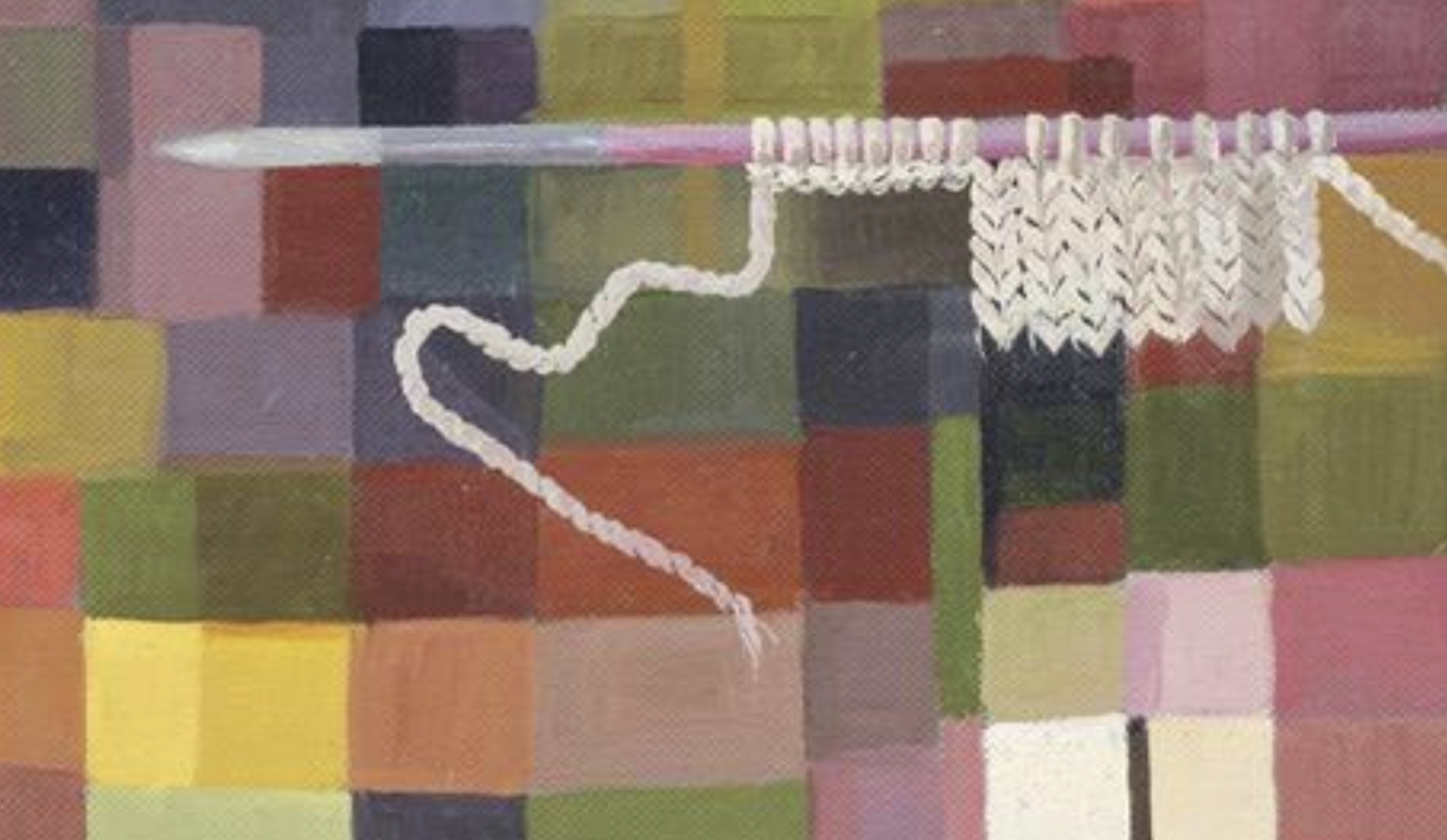
Domitilla Dardi's new book "Cucire Universi" (published by Einaudi) presents a counter-history of design, focusing on techniques traditionally dismissed as "feminine" and "minor"—such as sewing, ceramics, cooking, and knitting. The book argues that these practices have been systematically undervalued by official art histories, yet have contributed significantly to technologically advanced research fields. Dardi uses real historical figures like Emily Dickinson to illustrate how women's creative and scientific talents were channeled into these marginalized domains, and she calls for overcoming the dualistic view that separates art from craft.

8 Art Films Worth Watching in May

8 Kunstfilme, die sich im Mai lohnen

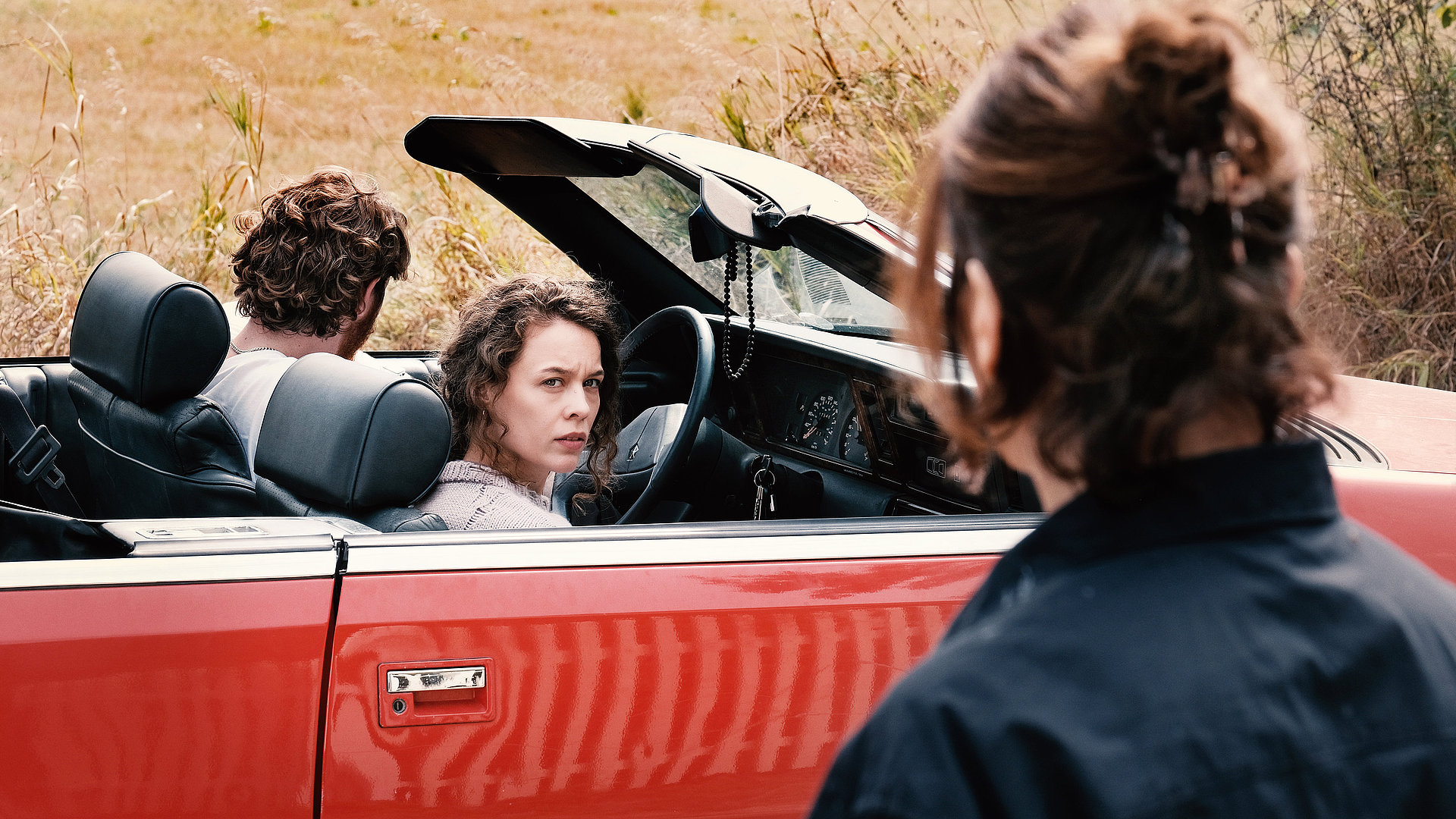
Monopol magazine presents eight art films worth streaming in May, including a documentary featuring 40,000 slides from critic Jerry Saltz capturing the 1990s New York art scene, Shirin Neshat's film "Women Without Men" about women in 1953 Tehran, Christian Petzold's new film "Miroirs No. 3," and a documentary on the Shroud of Turin. The roundup also includes a politically charged drama directed by Yael Bartana and a Dada-metal film, offering a diverse selection of art-related cinema.

Bodies in Motion, Bodies at Rest: Ali Cherri in Conversation with Kaelen Wilson-Goldie

This article presents a conversation between artist Ali Cherri and writer Kaelen Wilson-Goldie, marking the second installment of a collaborative series between TextWork by Fondation Pernod Ricard and Mousse Magazine. The series features in-depth dialogues between artists from the TextWork program and magazine contributors, expanding on the traditional interview format, and is set to continue until 2027.

Forgers, One-Way Mirrors of the Art Market

Les faussaires, miroirs sans tain du marché de l’art

Anthropologist Monique Jeudy-Ballini has published a new book, "Peintres de l’ombre. Les faussaires à l’œuvre," in which she examines art forgers through an ethnographic lens. Drawing on autobiographical accounts, published interviews, and expert writings—including those of notorious forgers Wolfgang Beltracchi, Eric Hebborn, and Guy Ribes—she explores the motivations and practices of these clandestine figures, arguing that their work involves not only technical skill but also the creation of elaborate narratives and pedigrees for their forgeries. The book is part of the Ethnologiques series edited by Philippe Descola and published by Éditions Mimésis.

An Art Historian’s Riotous Novel Melds Medieval Art with Monica Lewinsky

Julia Langbein's new novel *Dear Monica Lewinsky*, published by Doubleday, follows translator Jean Dornan as she revisits a traumatic relationship with a professor from her youth, set against the backdrop of the 1998 Monica Lewinsky scandal. The story interweaves medieval art, particularly the 13th-century *Golden Legend*, with Lewinsky's public shaming, as Jean prays to Lewinsky for guidance and is visited by a haloed version of her. Langbein, an art historian with a PhD from the University of Chicago, draws on her expertise to explore themes of humiliation, self-estrangement, and collective experience.

Ada: My Mother the Architect review – illuminating profile of brilliant builder balances work and family

Architect-turned-filmmaker Yael Melamede directs a documentary portrait of her mother, Israeli architect Ada Karmi-Melamede, who co-designed the Supreme Court of Israel building in Jerusalem in the early 1990s with her brother Ram Karmi and later created Ben Gurion Airport. The film explores Karmi-Melamede's architectural philosophy of "architecture of the ground and of the sky," her departure from her brother's brutalism, and a painful family split when she left her husband and children in New York after being denied tenure at Columbia University.

What Artists Sign Away

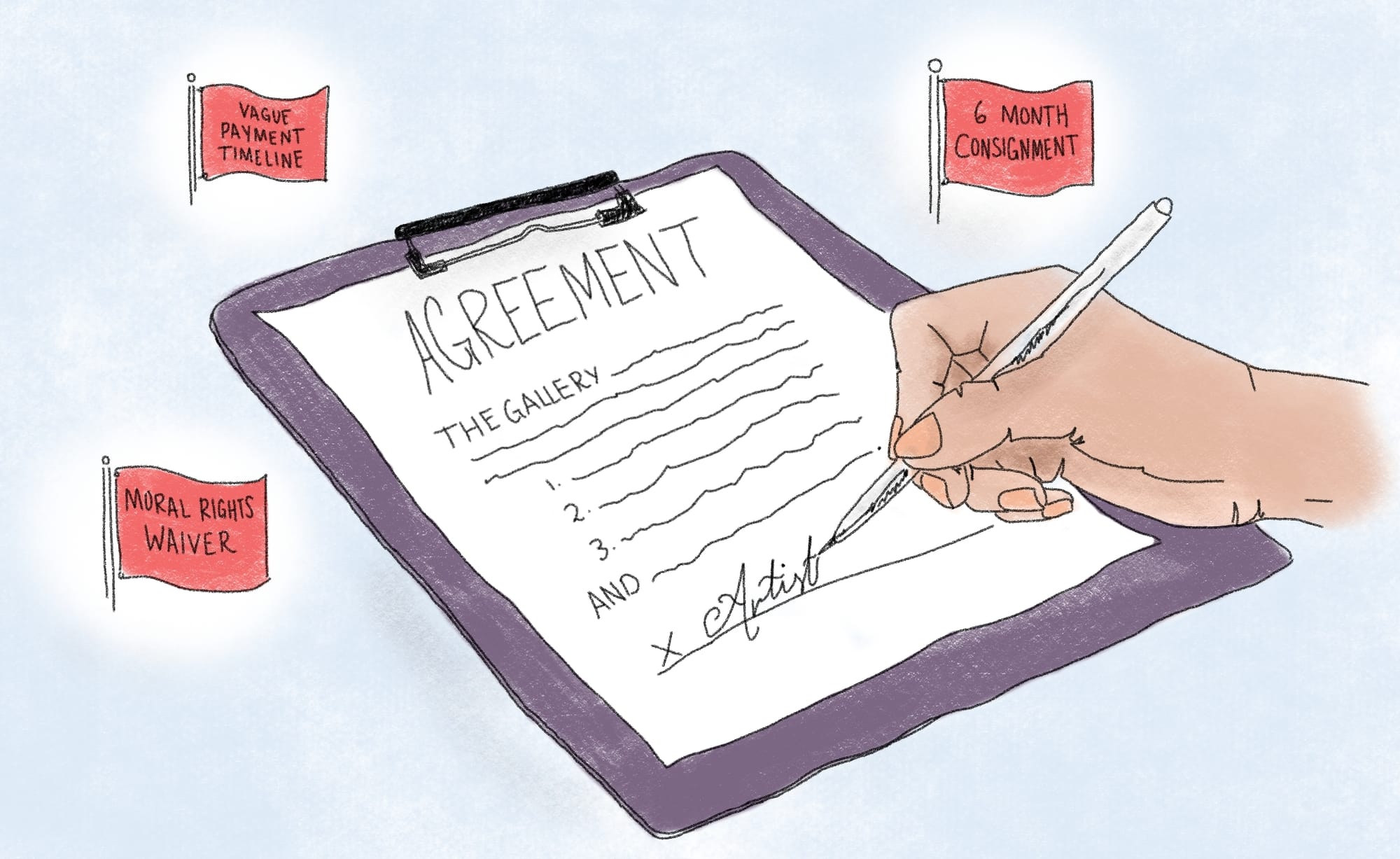
Artist and writer Sarah Hotchkiss recounts two personal experiences where galleries and residency programs used standard contracts to limit artists' rights. In the first, a new gallery refused to shorten a six-month consignment period after an exhibition, leaving her work in "contractual limbo" where she would owe the gallery half of any sale even if she found the buyer herself. In the second, a residency required her to waive moral rights under the Visual Artists Rights Act, protections that allow artists to prevent distortion and control attribution of their work.

How the GDR apron became Italian luxury

Wie die DDR-Schürze zum Italo-Luxus wurde

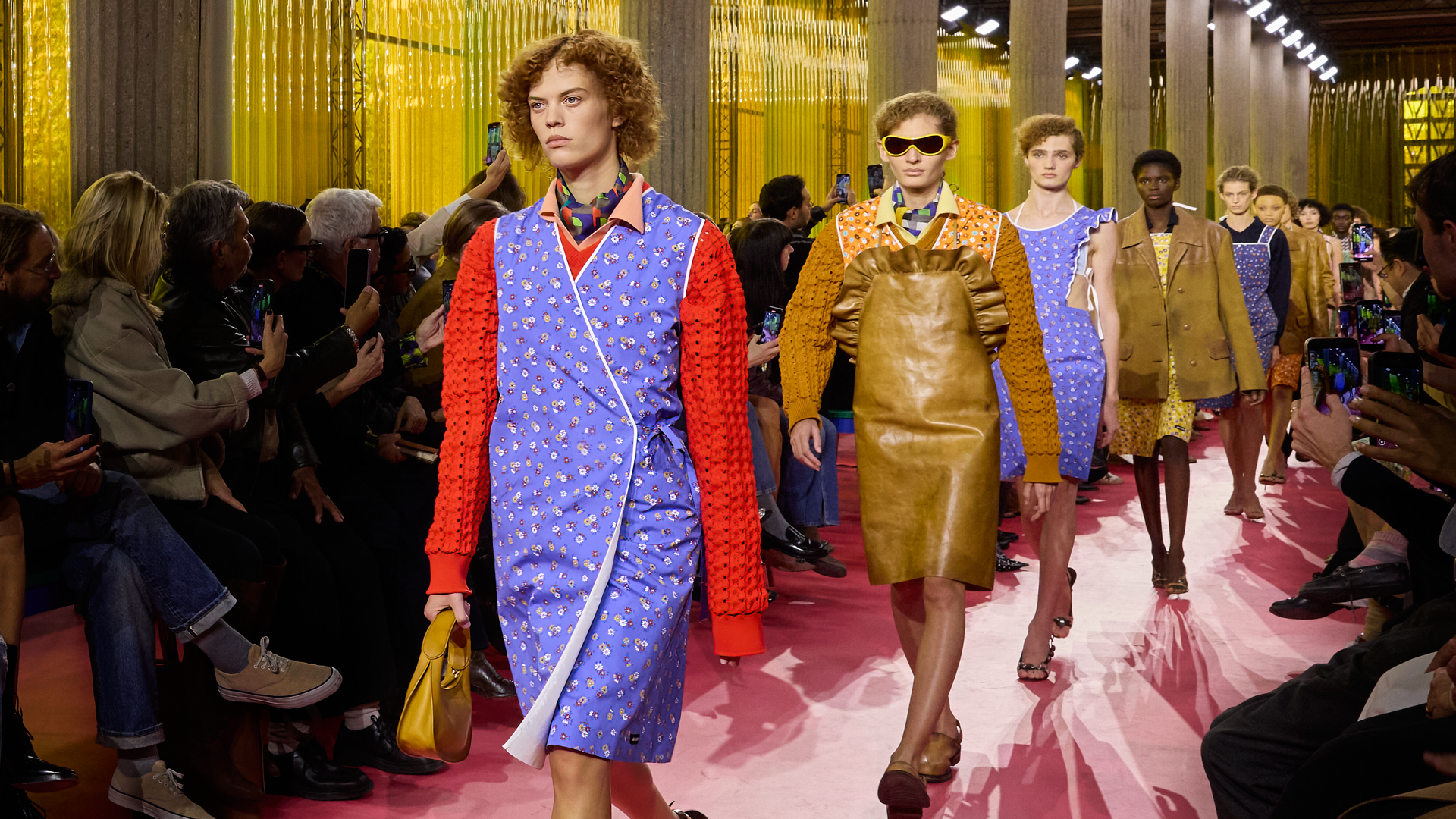
Italian luxury label Miu Miu has released dresses for summer 2026 that resemble 1980s East German kitchen aprons, with prices reaching up to €12,000 for crystal-embroidered versions. The collection debuted on the Paris runway in October, where actress Sandra Hüller opened the show in robust workwear, evoking factory workers from the former GDR. Designer Miuccia Prada, a former member of the Italian Communist Party, drew inspiration from Helga Paris's 1984 photo series "Frauen bei der Arbeit" (Women at Work), which documented female laborers in East Berlin's VEB Treffmodelle textile factory.

From Micro to Mega, Jon McCormack’s Striking Photos Reveal Nature’s Patterns

Photographer Jon McCormack, who grew up in the Australian Outback and has traveled to all seven continents, has a new book titled "Patterns: Art of the Natural World," forthcoming from Damiani Books. The project emerged during the pandemic when limited travel led him to revisit local spots and develop a patient, attentive approach to capturing nature's hidden harmony and symmetry. The book features 90 images ranging from microscopic crystals to aerial views of flamingos in Kenya, along with text contributions from fellow photographers and conservationists.

Creating Variety in Contemporary Rome: The Story of the Conventicola degli Ultramoderni on Sky Arte

Fare varietà nella Roma contemporanea: la storia della Conventicola degli Ultramoderni su Sky Arte

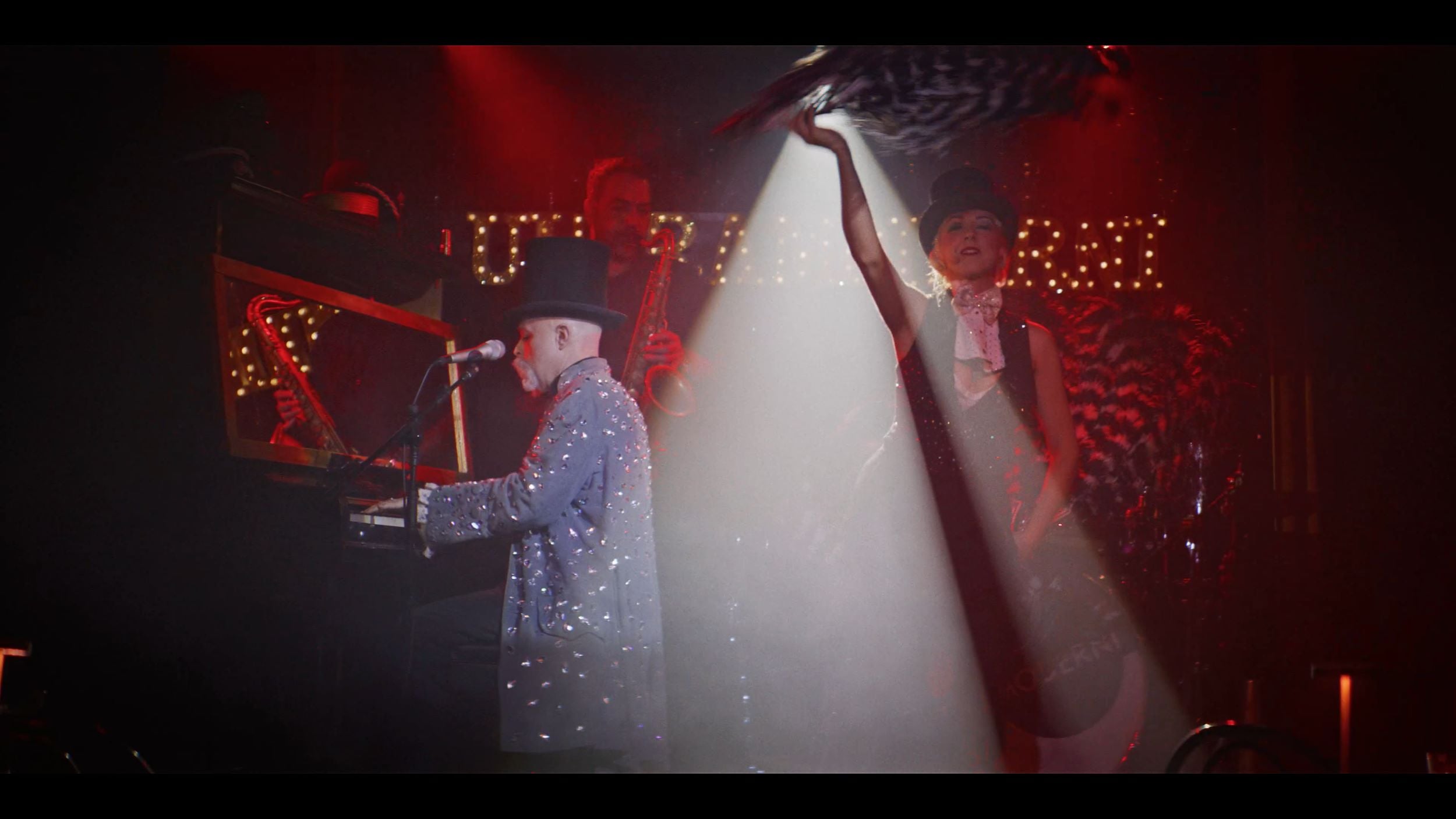
On Sunday, May 3, Sky Arte will premiere the documentary "Ultramoderni," which chronicles the rise of the Conventicola degli Ultramoderni, a unique artistic collective in Rome. Founded by Sior Mirkaccio and Madame de Freitas, who met in 2011, the group operates from a small hidden venue in the San Lorenzo district, blending music, cabaret, burlesque, and contemporary variety shows with a retro-futuristic aesthetic. The documentary, filmed in their Roman space, features interviews with the duo and excerpts from their performances, tracing how they built a diverse community of enthusiasts around their reinvention of past traditions.

Rachel Mentzer Transforms Discarded Cartons into Dusky Collagraphs

Ohio-based artist Rachel Mentzer creates collagraph prints using discarded cartons as printing plates, carving them with images of birds, trees, and energy infrastructure. Her process involves carving the cardboard, sealing it with polyurethane, inking it, and transferring the image via an etching press, often incorporating chine collé for color. Her work was recently shown at the Manhattan Graphics Center, and she will participate in the Suzanne Wilson Artist-in-Residence Program at Glen Arbor Arts Center this summer.