filter_list Showing 14 results for "STATION" close Clear
dashboard All 265 museum exhibitions 131article local 37article news 34trending_up market 21article culture 14rate_review review 8person people 8gavel restitution 4candle obituary 3article policy 2article events 1article museum 1article event 1
date_range Range Today This Week This Month All
Subscribe

david diao icons 2025 1234750608

Artist David Diao reflects on his long engagement with Barnett Newman's work, from his 1966 experience as an art handler installing Newman's 'Stations of the Cross' series at the Guggenheim Museum to his own paintings that reference Newman both admiringly and critically. Diao's 1992 work 'Barnett Newman: Paintings by Title & Size' lists all 118 of Newman's paintings against a red background, treating them as inventory rather than masterpieces, while later works like 'BN: Spine 2' (2013) incorporate the worn fold of a Newman catalog cover. The article, based on a studio visit, captures Diao's matter-of-fact perspective on Newman's art and his own decades-long dialogue with the Abstract Expressionist.

collectors reveal key advice 2632313

Collectors share advice for aspiring art patrons in a two-part series, recounting their early mistakes and lessons learned. Diana Bowes, board chair of the Aldrich Contemporary Art Museum, recalls buying her first pieces at Art Basel in 2006 and warns against purchasing art online without seeing it in person, as well as protecting works from water, children, and house painters. Mana Jalalian, an interior designer based in Dubai with over 400 works by Iranian artists, emphasizes following instincts, continuous learning, and the value of working with an art advisor.

30 Artists Defining Queer Art Now

Artsy has published its annual Pride Month feature 'Queer Art Now,' spotlighting 30 LGBTQ+ artists who are shaping contemporary art. The artists were nominated by leading art-world figures including curator Legacy Russell, photographer Catherine Opie, and art advisor Racquel Chevremont. The cohort spans painters, photographers, performers, and sculptors, with profiles detailing their practices and recent exhibitions. The feature also includes a reflective essay by curator Gemma Rolls-Bentley on major themes in queer art today.

Fever Pitch: On Bourgeois Coldness by Henrike Kohpeiß

The article is a critical essay analyzing Henrike Kohpeiß's new book, 'Bourgeois Coldness,' which examines the concept of coldness as an affective strategy of the bourgeois subject. Kohpeiß traces this subjectivity from its mythological roots in Homer's Odyssey to its modern manifestations, arguing that it is forged in and sustained by structures of racial exploitation and colonial power, despite claims of abolition.

Madrid: Hypnotic Laugh Track by Manga Ngcobo

Writer Manga Ngcobo reflects on the architectural and cultural landscape of Madrid in early 2025, juxtaposing the city's historic art institutions with its rapid technological and commercial evolution. Drawing on Ben Lerner’s novel 'Leaving the Atocha Station', the piece explores the growing disconnect between the profound emotional experiences promised by masters like Velázquez and Goya and the reality of a city increasingly designed for content creation, retail aesthetics, and digital consumption.

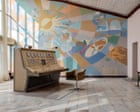
Reaching for the stars: enduring symbols of Soviet science – in pictures

Photographer Eric Lusito documents Soviet-era scientific institutes across former USSR states in his book "Soviet Scientific Institutes," published by FUEL. The photo essay captures decaying facilities and enduring equipment at locations including the Institute of Radio Astronomy in Kharkiv, Ukraine; the Byurakan astrophysical observatory in Armenia; the Andronikashvili Institute of Physics in Tbilisi, Georgia; and the Fesenkov Astrophysical Institute in Kazakhstan, among others.

art rob teeters art advisor sagaponack home collecting

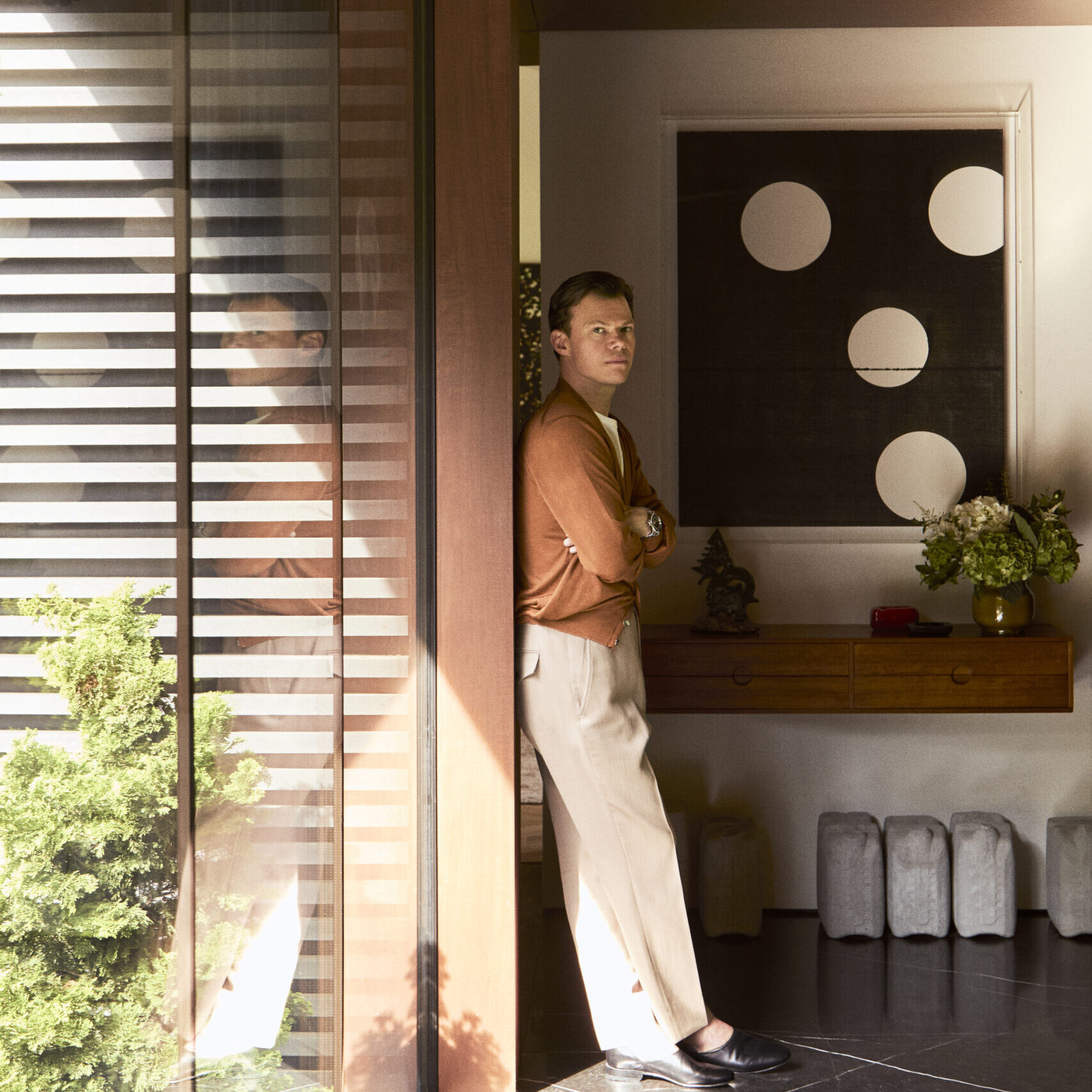
Art advisor Rob Teeters opens his 1950s Sagaponack home to CULTURED magazine, revealing how he curates his personal collection alongside his husband, ceramicist Bruce M. Sherman. The home features a mix of ancient artifacts, such as a third-century Roman marble head, and contemporary works by Wade Guyton, Sherrie Levine, and Matias Faldbakken, alongside Sherman's own polychrome ceramics. Teeters, who founded Front Desk Apparatus in 2006 and leads the Dallas nonprofit art space the Power Station, discusses the nuanced process of living with art and how arrangement, lighting, and even the texture of a room affect the experience.

On the Background in the Cinema

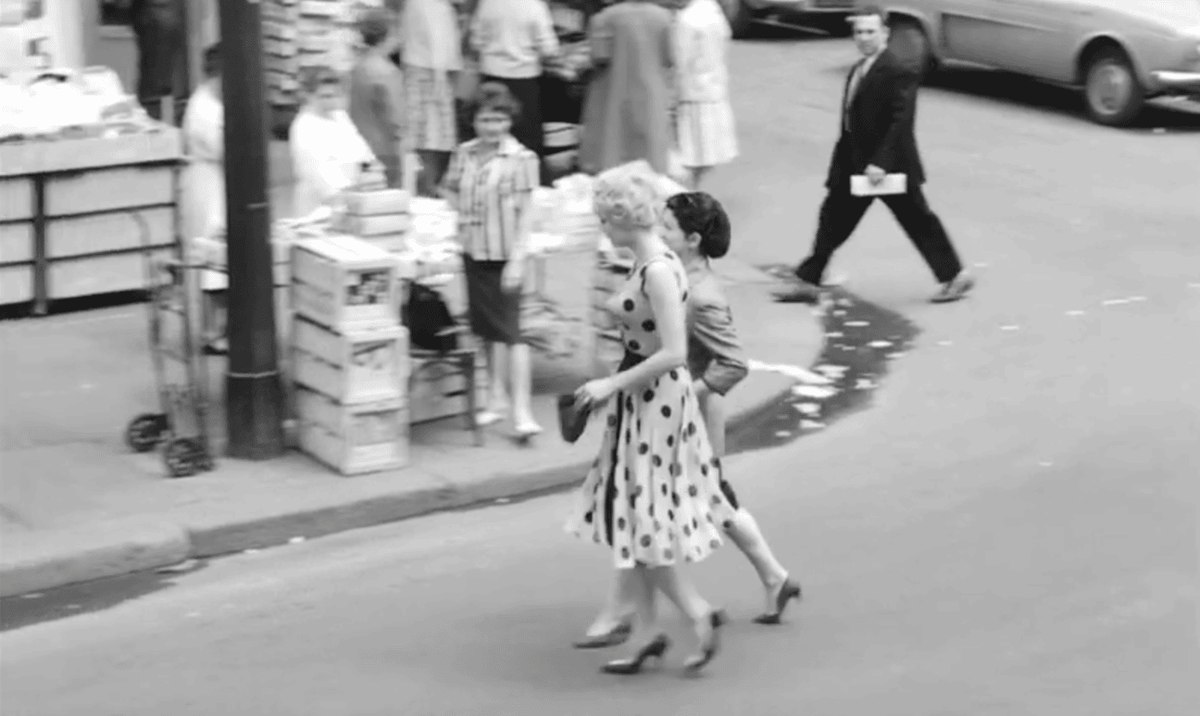
Film Notes has published a new essay by scholar Tiago de Luca, drawn from his research on environment and cinema. The essay focuses on the conceptual and aesthetic role of the background in film, tracing its technical history and examining its relation to power, marginalization, and environmental crisis.

Social Malpractice in the Age of Cultural Compliance

Artist Ed Woodham reflects on the evolution and co-option of socially engaged art, using his own projects like 'The Keepers' protests and the Art in Odd Places initiative as examples. He describes a troubling trend where the language and strategies of social practice art, once used to challenge systems, are now being adopted by developers, corporations, and institutions for branding, place-making, and community engagement initiatives that often operate within the very economic structures driving displacement and eroding public space.

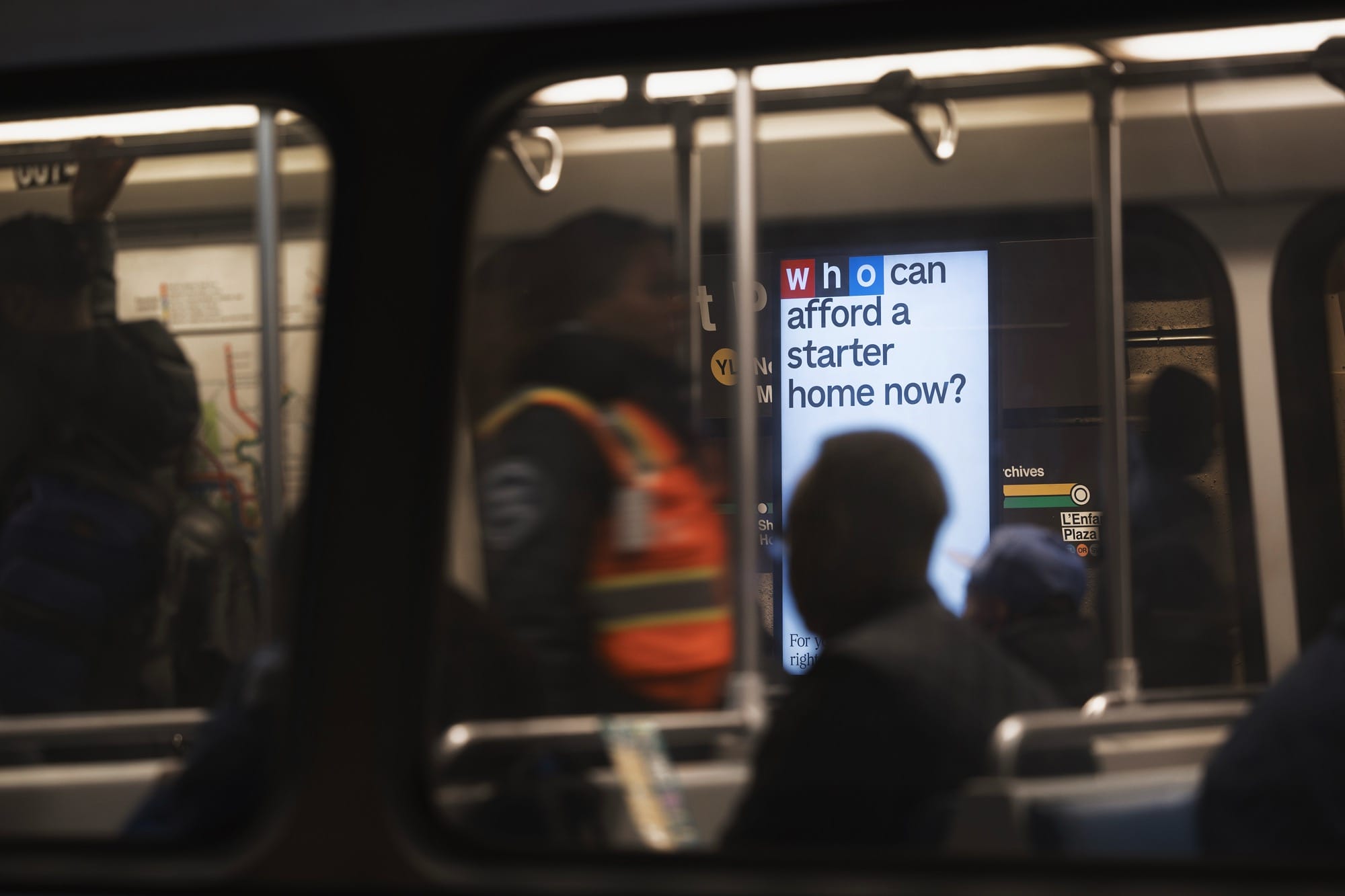
Mischief’s Genius Ads for NPR Provoke Urgent Questions About the Right to Information

In mid-2025, the Trump administration rescinded $9 billion in public media funding, including $1.1 billion for the Corporation for Public Broadcasting (CBP), which subsequently voted to dissolve. While NPR stated its mission would continue unchanged, the cuts disproportionately impacted rural member stations that relied on CBP for about 13% of their revenue, threatening local access to public media.

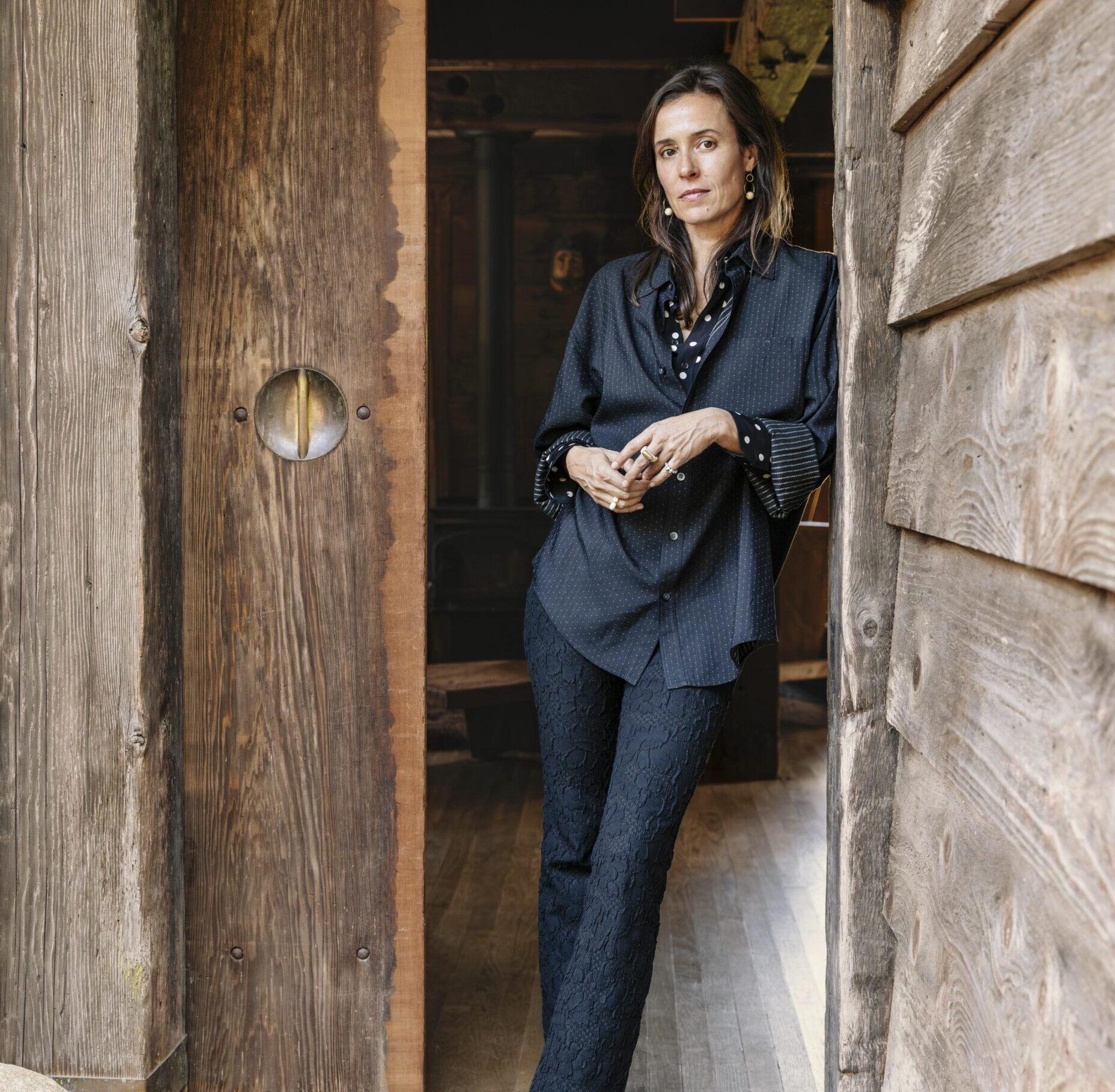
art blunk house mariah nielson collector

Mariah Nielson, director of the JB Blunk Estate, reflects on growing up in the Blunk House—a home built by her father, artist JB Blunk, in the 1950s from salvaged materials in Point Reyes Station, California. She describes the house as a living sculpture where art, craft, and daily life merge. Today, she runs Blunk Space, the estate's gallery, and currently presents the exhibition “100 Candleholders,” featuring works by artists connected to the Blunk legacy. Nielson shares how her father's philosophy of functional, un-precious art shapes her collecting and curatorial practice.

Births, deaths and a first kiss: life near the frontline in Ukraine – in pictures

British-Iranian artist Aria Shahrokhshahi's long-term photographic project "Wet Ground" captures daily life in Ukraine during Russia's full-scale invasion, focusing on moments of youth, subculture, and fragile continuity rather than traditional war imagery. The series, developed through repeated stays and volunteering since 2019, includes scenes from teenage discos, hospital wards, a birth during a missile attack, and a first kiss near the frontline, all shot in stark black and white.

In che modo la rigenerazione sta provando a cambiare l’Italia? Risponde la newsletter Render

Artribune's newsletter "Render" is set to release its 57th issue on May 11, featuring stories on urban regeneration projects across Italy. Highlights include a new library under construction in Latisana near the train station, a square-shaped island in the Venice lagoon transformed into an exhibition space after decades of abandonment, participatory tactical urbanism initiatives in Torre Annunziata funded by a Ministry of Social Policies and Labor grant, and a post-war complex in Rome poised to become a cultural hub. The issue will also profile the Peruvian architecture duo Barclay & Crousse ahead of their exhibition at the Politecnico di Milano and include a reflection on contemporary green spaces inspired by a visit to a private English park.

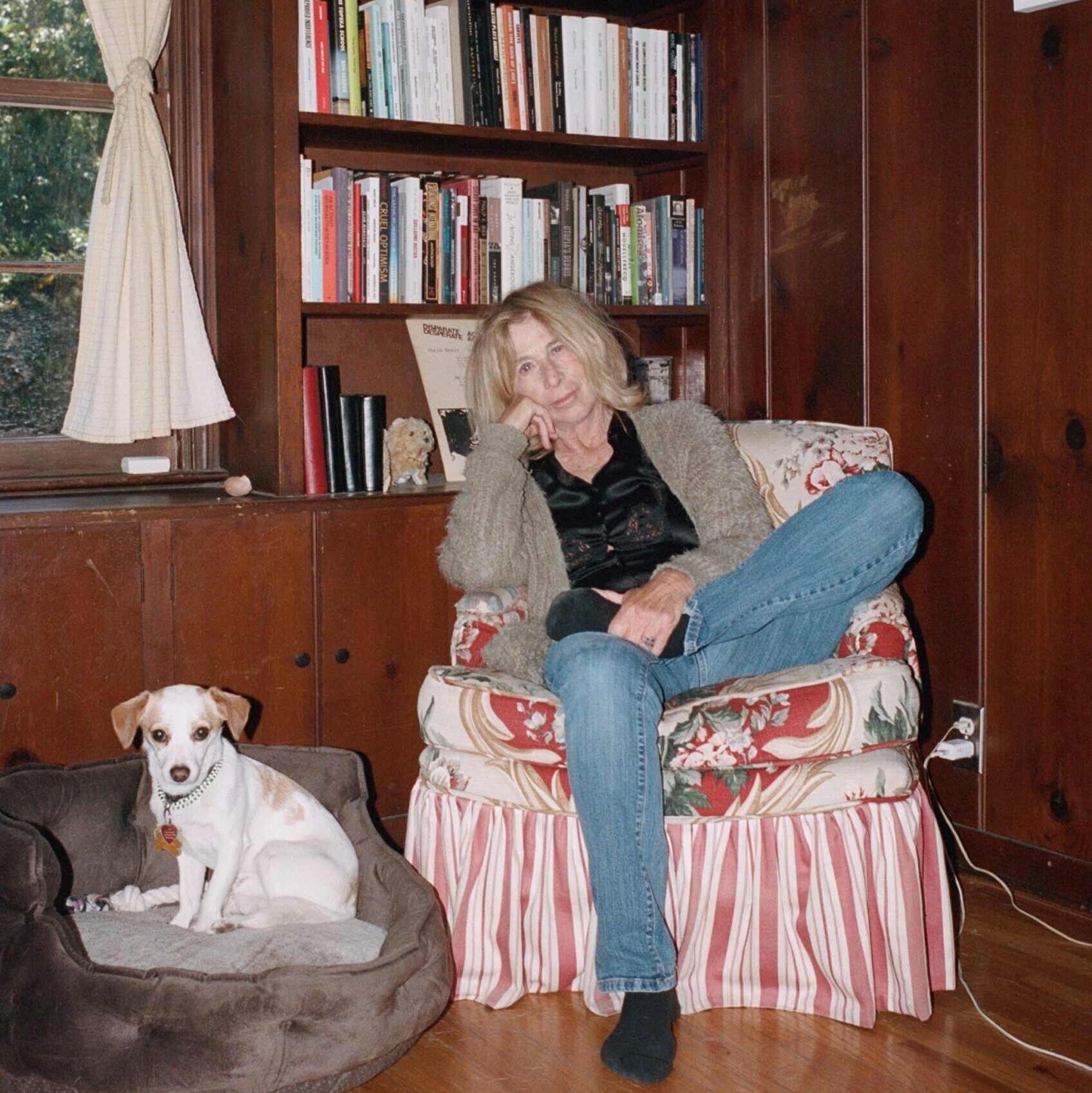
chris kraus interview addiction true crime

Chris Kraus's latest novel, *The Four Spent the Day Together*, reimagines the true crime genre by shifting focus from individual villains to systemic forces like addiction, poverty, and broken treatment systems. Set in Minnesota's Iron Range, the story follows autofictional avatar Catt Greene and her husband as they confront a lost day, a potentially violated girl, methamphetamine, and a gun, with confessions coming easily but answers remaining elusive. Kraus draws on her own childhood and a marriage unraveling amid alcoholism and cancel culture, using wordplay and chance to restore nuanced meaning to stories often reduced to predestined narratives.