
filter_list Showing 3 results for "Sacrifice" close Clear
search
dashboard All 25 museum exhibitions 10article news 5article culture 3trending_up market 2article local 1person people 1article policy 1gavel restitution 1rate_review review 1
date_range Range Today This Week This Month All
Subscribe

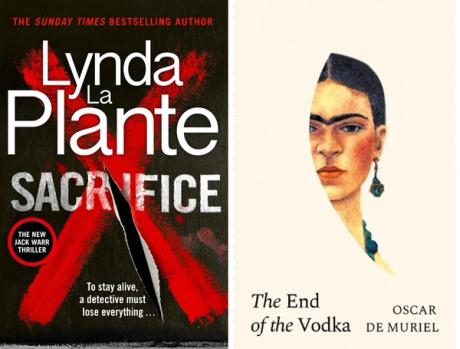
A hated portrait and a forged masterpiece: two new thrillers with paintings at their centre

Two new thrillers center on paintings: "The End of the Vodka" by an unnamed author, which fictionalizes the real story of Frida Kahlo's commissioned portrait of Dorothy Hale—a painting that horrified its patron Clare Boothe Luce—and weaves an imagined conversation between Luce and Wallis Simpson amid the backdrop of World War II. The second, "Sacrifice" by Lynda La Plante, follows Detective Jack Warr as he investigates a possible forgery of a Jean-Michel Basquiat painting, leading to murder and a missing art forger.
50 Women Artists You Absolutely Should Know

50 artistes femmes que vous devriez absolument connaître

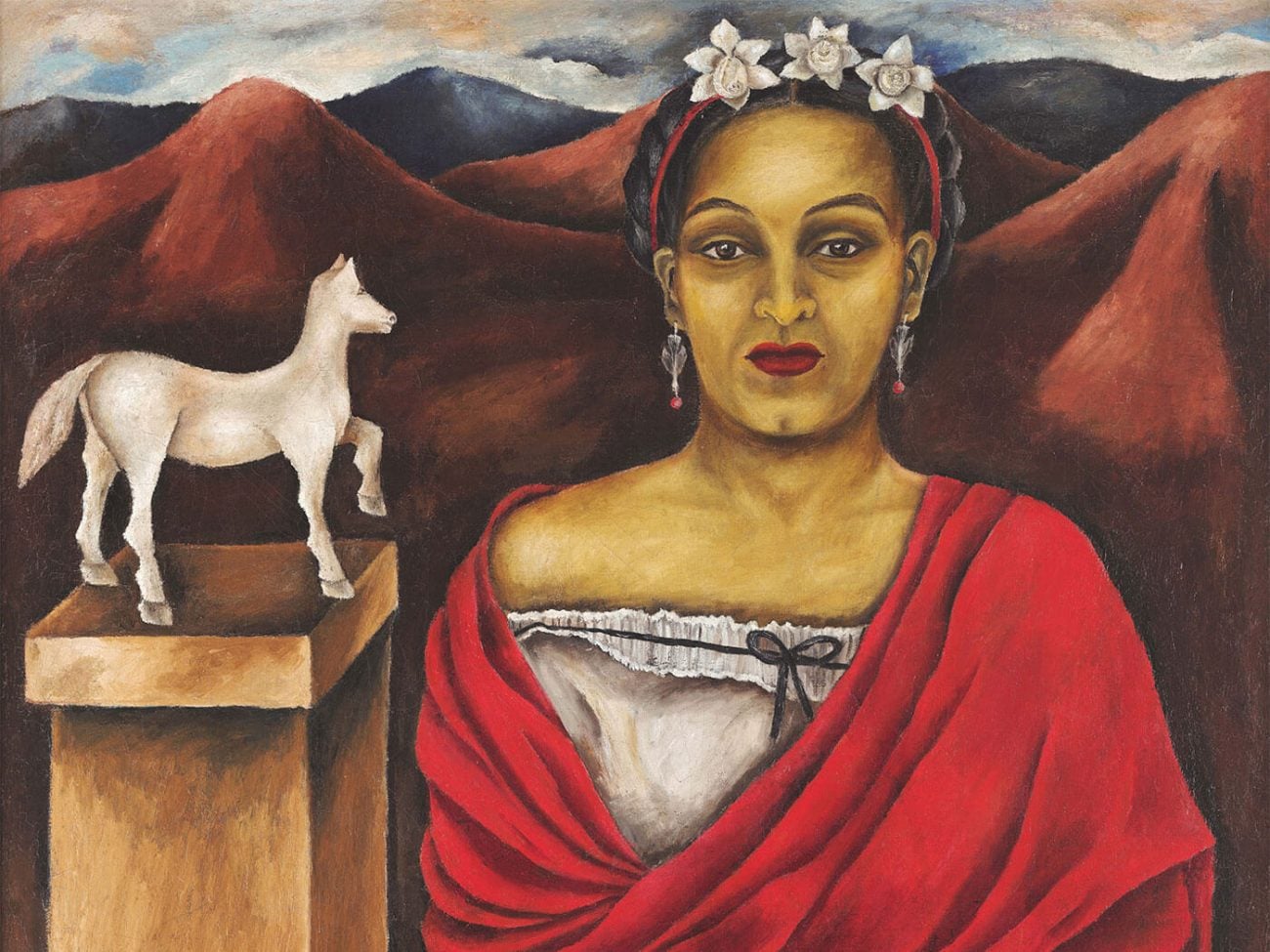
Beaux Arts Magazine is publishing a multi-part series throughout March highlighting 50 historically significant but often overlooked women artists. The series profiles figures like Impressionist painter Marie Bracquemond, whose career was curtailed by her husband, pioneering Spanish photographer Mey Rahola, and Brazilian modernist Tarsila do Amaral, who will be the subject of a major exhibition at the Musée du Luxembourg in 2024.

An artist told the incredible story of a Calabrian village that no longer exists. The interview

Un artista ha raccontato l’incredibile storia di un borgo della Calabria che non c’è più. L’intervista

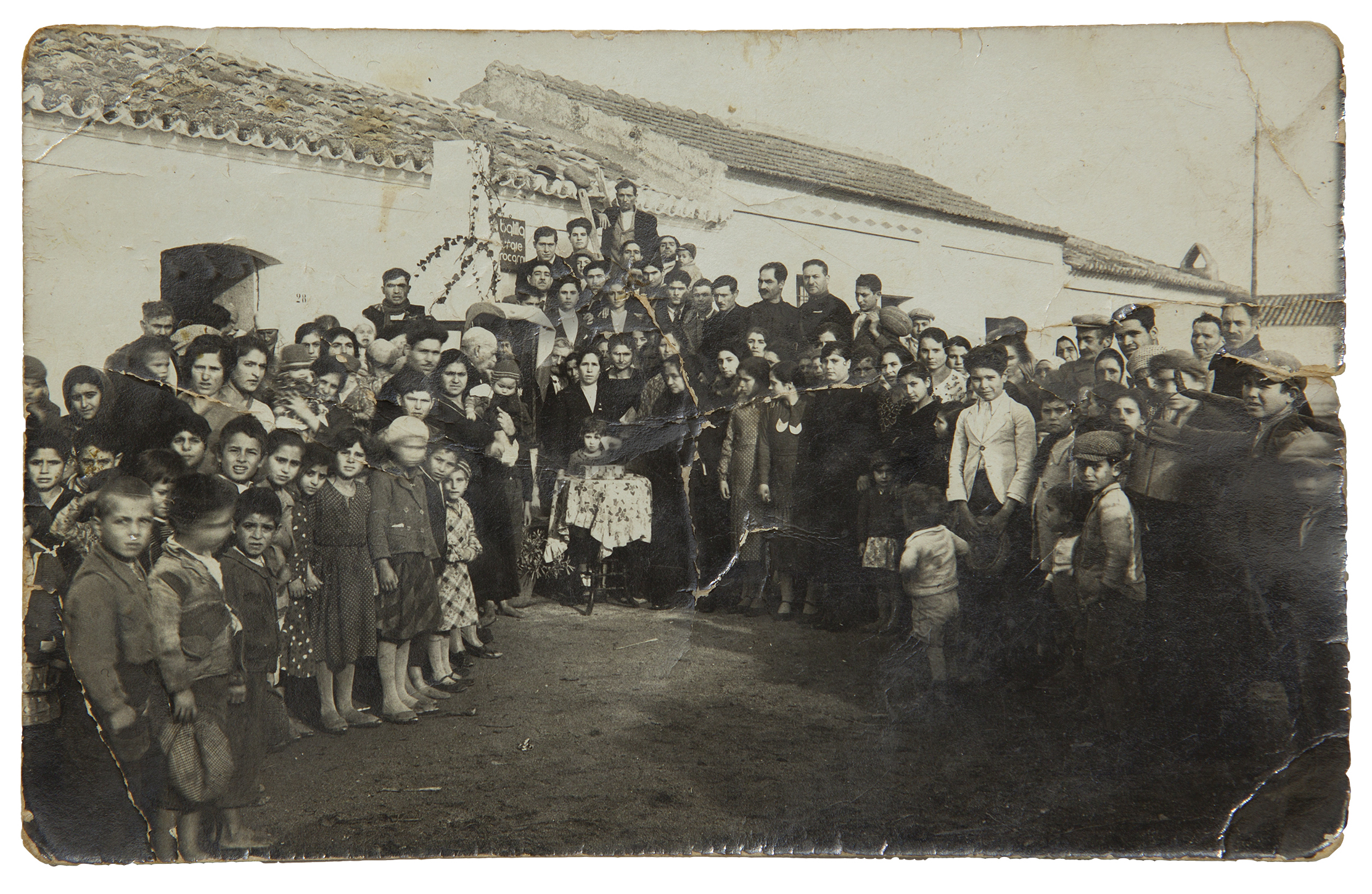
Italian artist Martin Errichiello has created [campanamuta], a six-part audio work broadcast on RAI Radio 3's Zazà program in late 2025 and now available on RaiPlay Sound. The piece tells the story of Eranova, a farming community founded in 1896 near Reggio Calabria that was destroyed by 1980 after the Christian Democratic party planned—but never built—a steel center on its land, now the site of the Port of Gioia Tauro. Errichiello weaves together interviews with former residents and his own original texts, using non-linear narration to explore the village's utopian origins and forced disappearance.