filter_list Showing 8 results for "UFA" close Clear
search
dashboard All 54 museum exhibitions 31article culture 8article local 4article news 3person people 3rate_review review 2trending_up market 2gavel restitution 1
date_range Range Today This Week This Month All
Subscribe

The 21st Century’s Biggest Art Trend is Not a Style. But Once You See It, You’ll Notice It Everywhere.

The article traces the evolution of "systems art," a term coined by critic Jack Burnham in 1968 to describe art that uses rules, seriality, and repetition to mirror and reveal the growing protocols of the Cold War era. It highlights early practitioners like Kenneth Noland, Robert Morris, Dan Flavin, and notably Hans Haacke and Adrian Piper, who shifted from atmospheric systems (e.g., Haacke's *Condensation Cube*) to social systems (e.g., Haacke's *Shapolsky et al. Manhattan Real Estate Holdings*). The piece argues that systems thinking has become unavoidable in contemporary life—from algorithms to systemic racism—and that art remains a crucial tool for making these invisible systems legible.

Expanded Vocabulary: Revisiting Deborah Kass’ Studio

The article recounts the author's visit to Deborah Kass's Brooklyn studio, which she shares with her wife, artist Patricia Cronin. The visit was prompted by logistical issues related to the author's exhibition "Social Minimalism" (2025). During the visit, the author and Kass revisited themes central to Kass's work over three decades: the exclusion of women from art history, Jewish identity, queer voice, lesbian subjectivity, and postwar American art. The conversation also touched on Kass's series including the Warhol Project, Feel Good Paintings, No Kidding, and the large painting/sculpture installation "Everybody" (2019), which was recently featured in a conversation between Kass and Titus Kaphar in Interview magazine.

Dansaekhwa has taken over the modern art world. But the story of how that happened is up for debate.

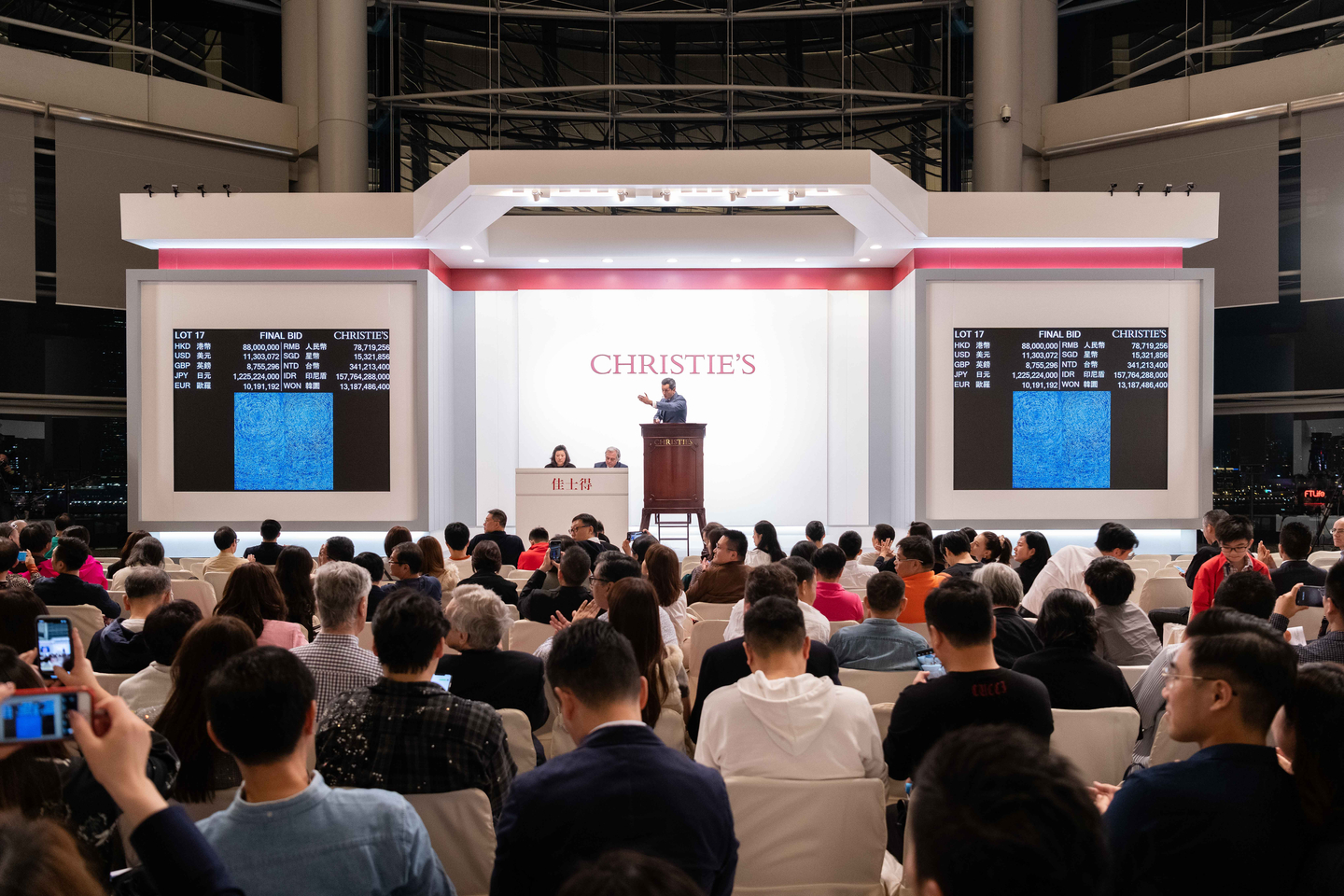
The article examines the global rise of Dansaekhwa, a Korean monochrome painting style that has achieved record auction prices and widespread collector interest over the past decade. It traces key milestones, including two pivotal 2014 exhibitions at Kukje Gallery in Seoul and Blum & Poe in Los Angeles, and the surge in auction prices for artists like Kim Whan-ki, Park Seo-bo, and Chung Sang-hwa, culminating in a $13 million sale in 2019.

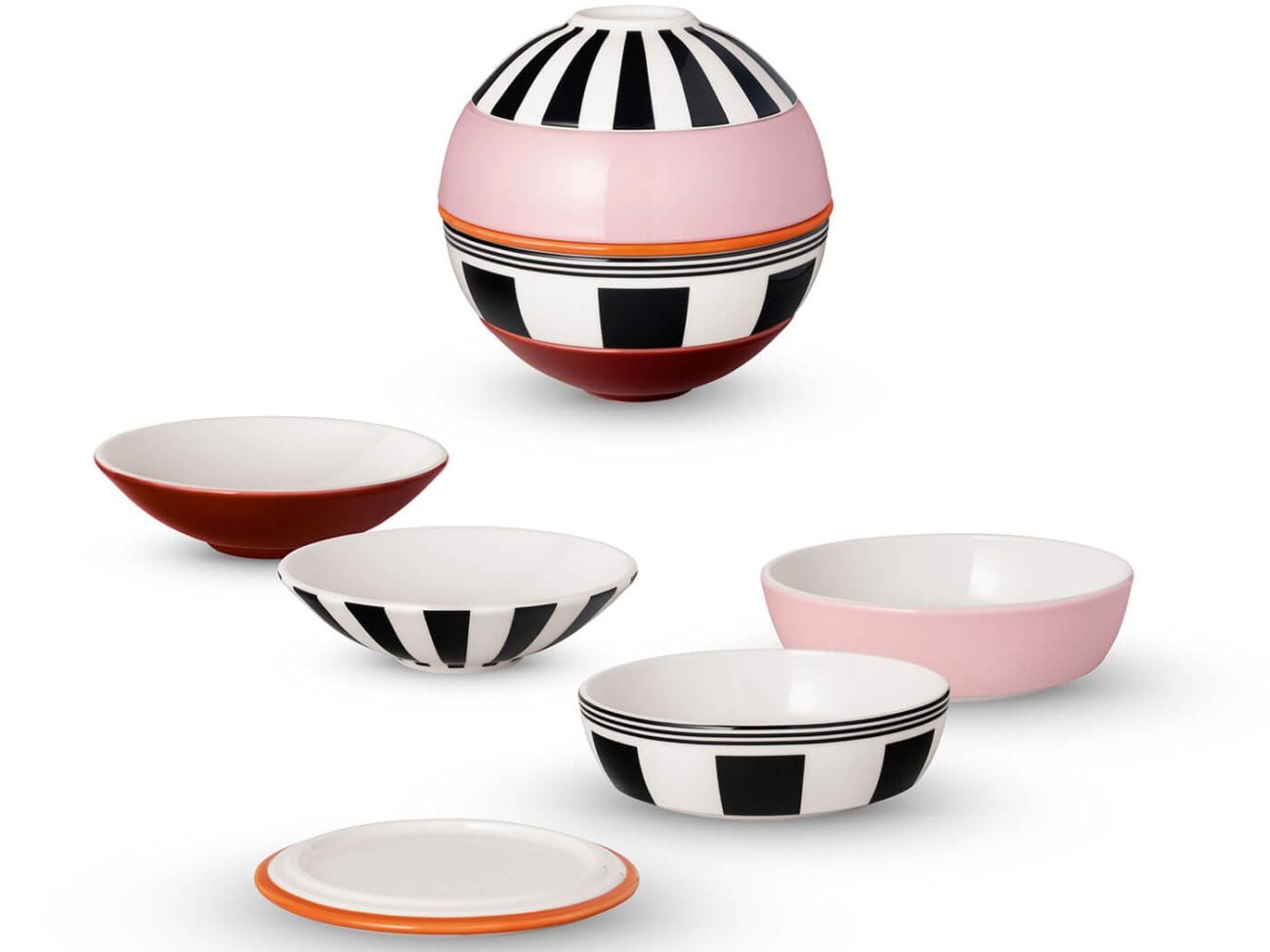
« La Boule » de Villeroy & Boch : l’art explosif et pop du pique-nique

Villeroy & Boch, the historic German porcelain manufacturer founded in 1748, launched "La Boule" ("Die Kugel") in 1971—a stackable 19-piece porcelain dinner service for four that compacts into a colorful decorative sphere. Designed by Helen von Boch, the eighth-generation family director, the set was part of a pop-design wave and came in original color variants that have since become collectors' items. The article also highlights related designs like the "La Bomba" picnic cutlery set (1968) and melamine set (1972), both held by MoMA, and notes Villeroy & Boch's collaborations with artists such as Keith Haring, Paloma Picasso, and Luigi Colani.

C’è un libro che racconta il sorprendente rapporto storico tra arte, biciclette e ciclismo

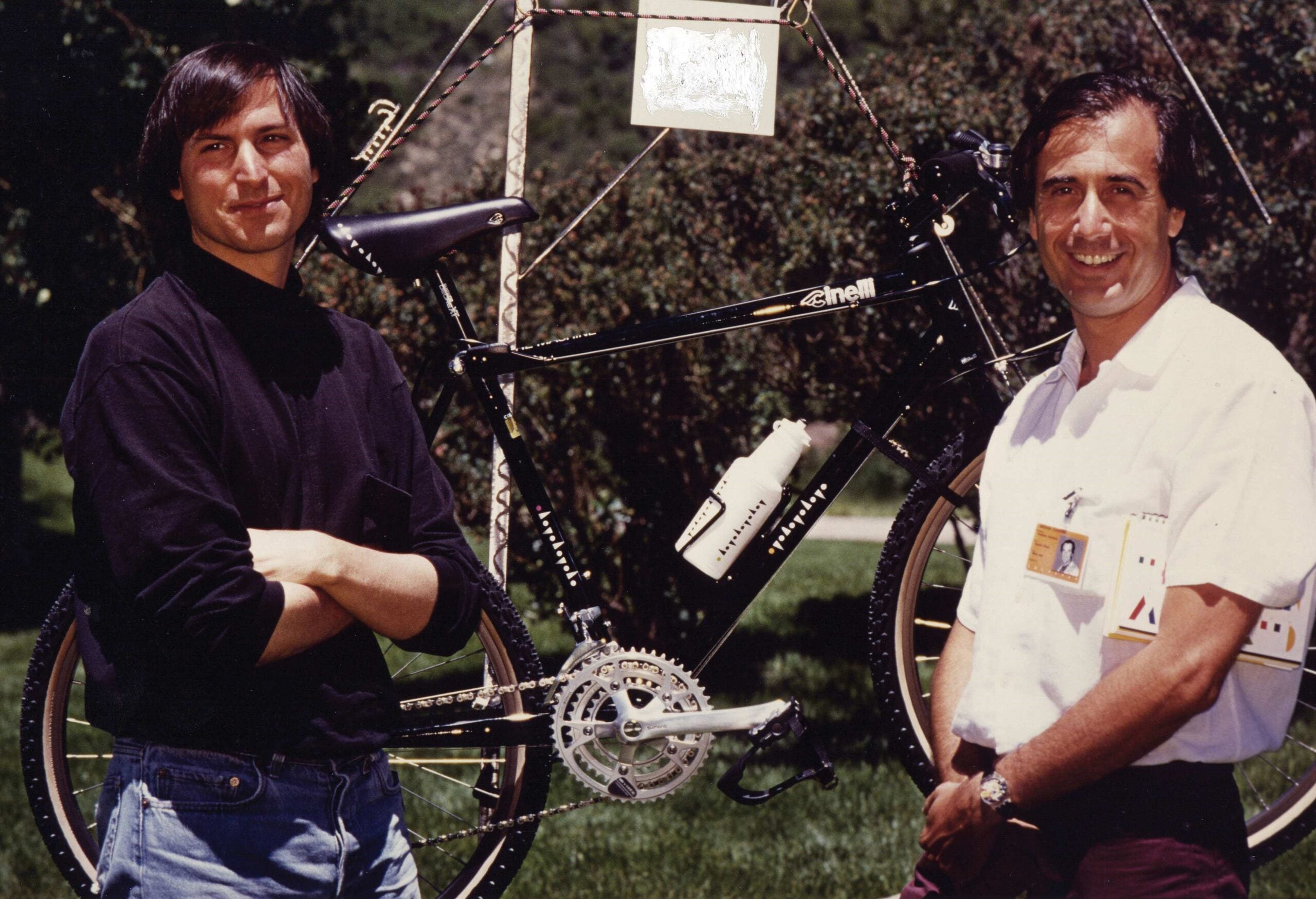
Antonio Colombo, the Italian entrepreneur behind Columbus and Cinelli, has published a memoir titled "A.C. Confidential. La mia vita tra arte, bicicletta e design" (Ediciclo Editore, 2026, co-written with Giacomo Pellizzari). The book traces his family's engineering legacy—his father Angelo Luigi Colombo supplied steel tubes to Bauhaus designer Marcel Breuer in 1933—and Colombo's own career fusing technical precision with artistic vision. He acquired Cinelli in 1978, collaborated with artists like Keith Haring, Alessandro Mendini, and Barry McGee, and introduced groundbreaking bicycle models including the Rampichino mountain bike (1985) and the Laser, which won the Compasso d'Oro design award in 1991. The narrative also covers his friendships with artists Mario Schifano (who designed Tour de France jerseys) and his role in the Red Hook Criterium fixed-gear race.

architecture tadao ando naoshima new museum of art

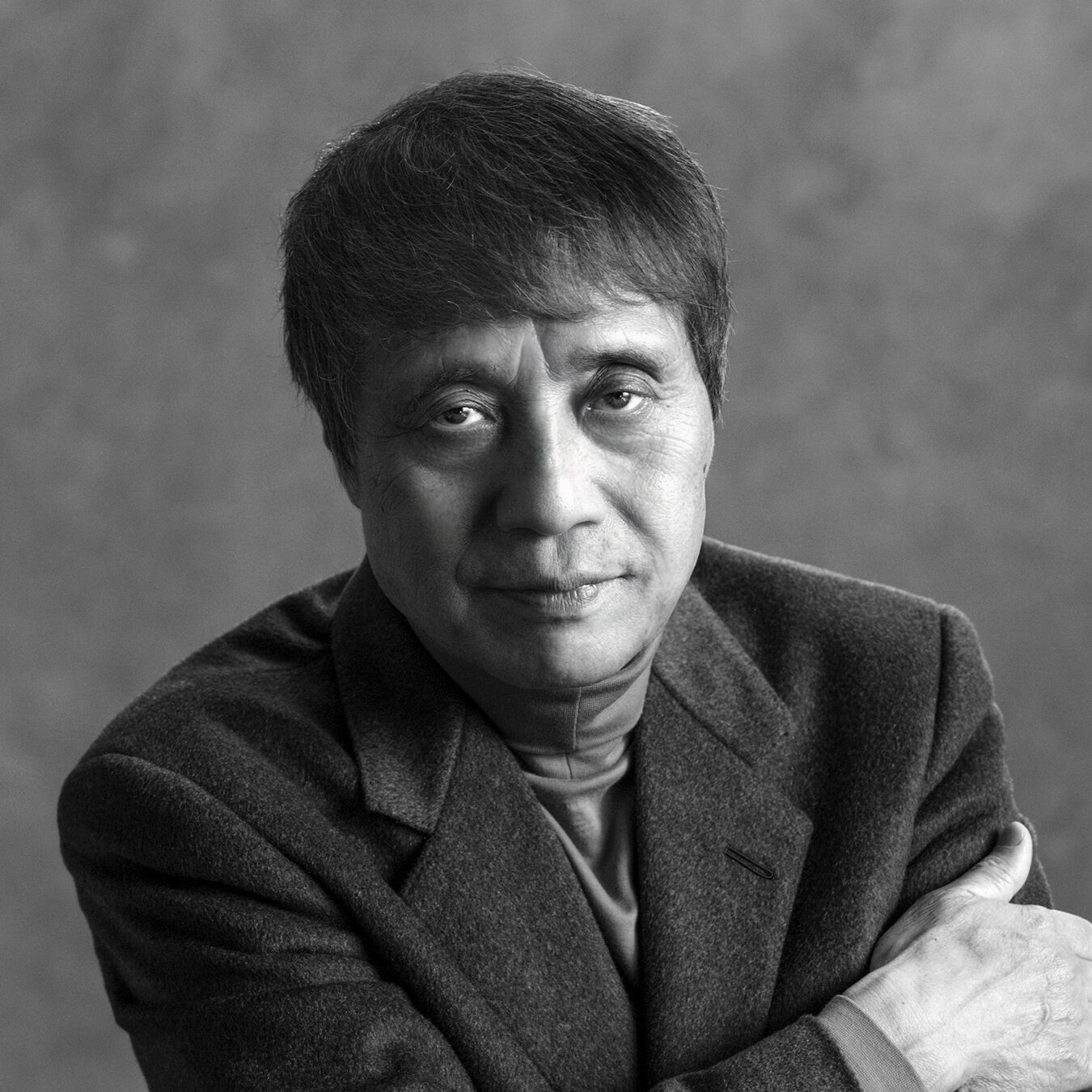
The article profiles the renowned Japanese architect Tadao Ando, now 84, who has built 10 museums on the island of Naoshima over 33 years. It features an interview where Ando discusses his upbringing in a traditional wooden row house in Osaka, his early training as a boxer, and how these experiences shaped his architectural philosophy of "light within darkness." The piece includes personal reflections from the author on encountering Ando's work and highlights key projects such as the Pulitzer Arts Foundation in St. Louis and the Church of Light in Osaka.

Plastic Visions. Tony Chrenka by Maxwell Smith-Holmes

Tony Chrenka's studio in the Gowanus neighborhood of New York City is the subject of this article, which explores his artistic practice centered on salvaged materials and industrial processes. Chrenka works with PET plastic (Mylar) and polyester fabrics, creating collages and sculptures that investigate the gap between use-value and exchange-value. His upcoming exhibition at Toby78 in Brooklyn will feature new works made from pleated polyester textiles, inspired by Issey Miyake's Pleats Please clothing line.

Art and politics: to take a stand or not? Nine artists and curators respond

Arte e politica: bisogna esporsi o no? Rispondono in 9 tra artisti e curatori

Nove tra artisti e curatori italiani rispondono alla domanda se l'arte debba esporsi politicamente, in un articolo pubblicato su Artribune. Marco Trulli, responsabile Cultura Arci e curatore, sostiene che l'arte non possa prescindere dal contesto storico e geopolitico, e che il mondo dell'arte debba mettere in discussione le connessioni tra istituzioni culturali, guerre e violenze sistemiche. Gabi Scardi, curatrice, rifiuta la categoria di 'arte politica' e invita gli artisti ad agire politicamente, citando esempi di padiglioni nazionali alla Biennale di Venezia (Turchia 2017, Israele 2015) come modelli di critica radicale dall'interno. Un altro contributo, legato al progetto 'Francesco 2026' per il Padiglione Internet a Venezia, propone una regola etica: l'arte deve minimizzare il danno alle persone più vulnerabili.