filter_list Showing 11 results for "auction houses" close Clear
search
dashboard All 349 trending_up market 256article news 24gavel restitution 20museum exhibitions 19person people 12article culture 11article policy 6article event 1
date_range Range Today This Week This Month All
Subscribe

experts how to make it art world

Artnet News has launched a new four-part podcast mini-series titled "How to Get Ahead in the Art World," produced in partnership with Art Market Mentors. Hosted by editor-in-chief Naomi Rea and produced by Sonia Manalili, the series features insights from top art-world insiders including Cat Manson (former Christie's leader turned career coach), Loïc Gouzer (former Christie's rainmaker and founder of Fair Warning), and Brooke Lampley (senior roles at Sotheby's and Gagosian). Each episode covers a key career lesson: taking ownership of your career, trusting your instincts, leading with passion, and embracing a layoff as a reset.
art collector mistake guide

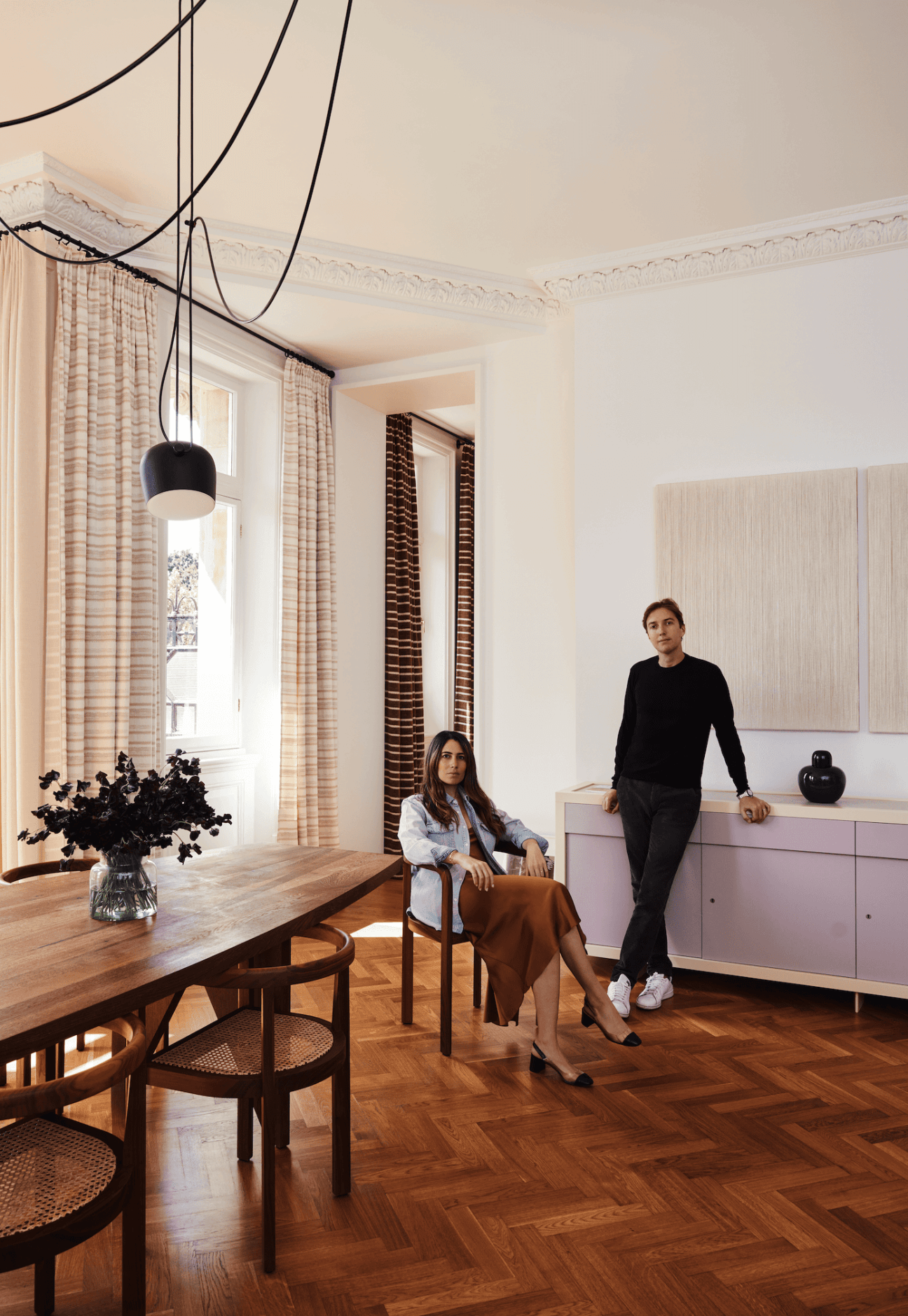
The article compiles personal anecdotes from several art collectors—Laurent Asscher, Suzanne Syz, Rob and Eric Thomas-Suwall, Toby Milstein Schulman, and Danielle Falls—who share mistakes they made while building their collections. Asscher recounts buying a lesser Basquiat at Christie's before quickly reselling it to acquire a superior work at Phillips; Syz regrets buying a piece because others wanted it; the Thomas-Suwalls missed out on a Dominique Fung diptych; Schulman accidentally bought a work attributed 'after Keith Haring' at a charity auction; and Falls reflects on her early eagerness as a young trustee of the Bronx Museum.

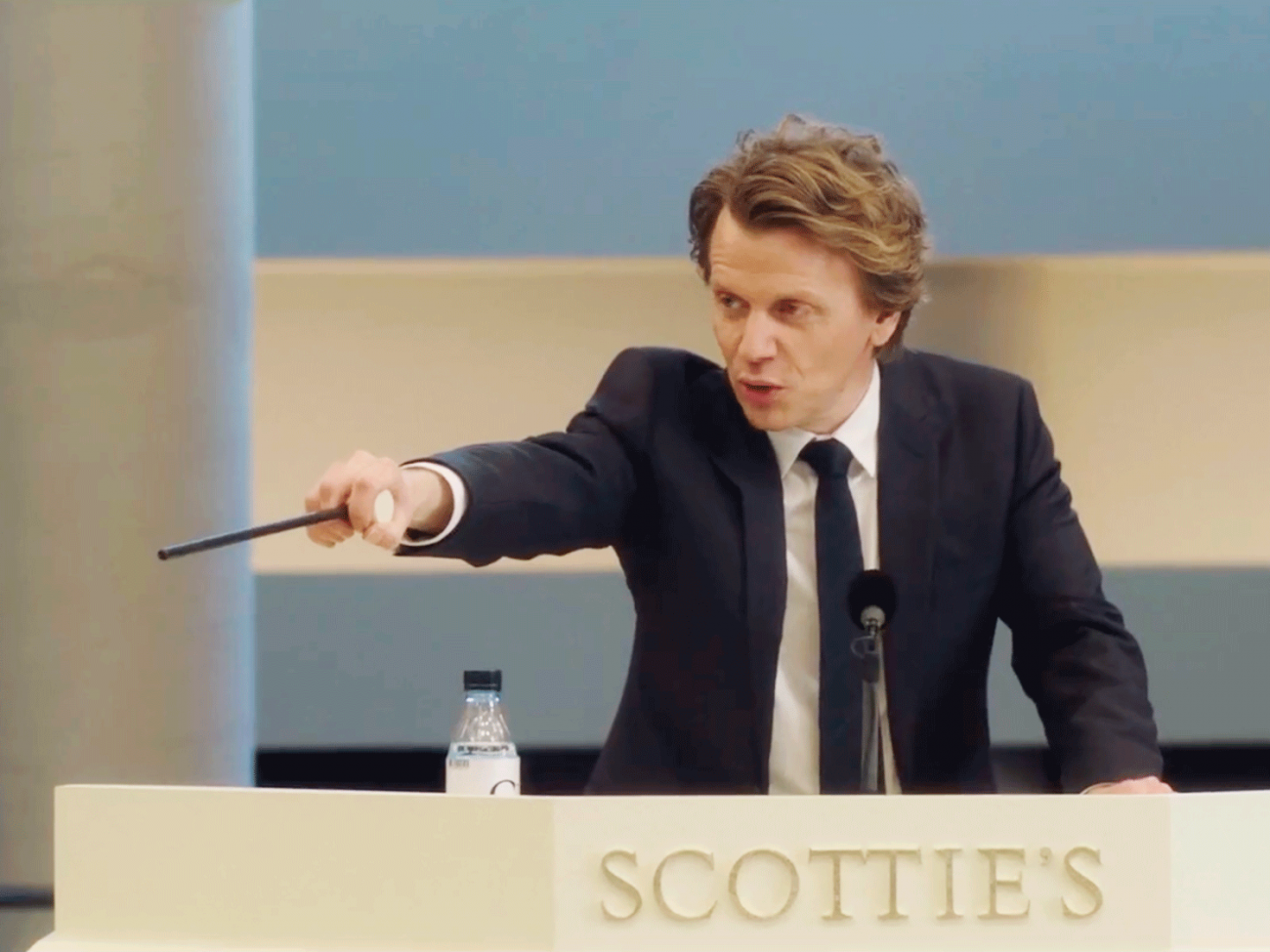
On Arte, 'The Stolen Painting' dives into auction houses through the rediscovery of an Egon Schiele looted by the Nazis

Sur Arte, « Le Tableau volé » plonge dans les salles de ventes aux enchères à travers la redécouverte d’un Egon Schiele spolié par les nazis

Director Pascal Bonitzer’s film 'Le Tableau volé' (The Stolen Painting) dramatizes the real-life 2005 discovery of a lost Egon Schiele masterpiece, 'Autumn Sun,' in the modest home of a factory worker in Mulhouse. The narrative follows a cynical auctioneer, played by Alex Lutz, as he navigates the authentication and eventual sale of the work, which was looted by the Nazis from Jewish collector Karl Grünwald during World War II.

Working as an Artist in Hong Kong (Michelle Fung)

Michelle Fung reflects on the realities of working as an artist in Hong Kong, dispelling the romantic myth of the bohemian artist. She describes the city's high cost of living, lack of affordable studio space, and the need for artists to take on multiple jobs—from teaching to selling secondhand handbags—to survive. Fung notes that while Hong Kong offers a vibrant art scene with over 70 galleries and a dozen museums, most artists cannot rely on gallery sales alone. She also critiques the Hong Kong Arts Development Council's grant system, which covers project expenses but provides minimal artist fees, contrasting it with more generous systems in Canada and the Netherlands.

dear auction execs column

An art world insider publishes an open letter to auction executives, accusing them of encroaching on the primary gallery market by accepting consignments of works by emerging artists and scheduling auctions to coincide with major art fairs. The author argues that auction houses prioritize financial gain over artists' long-term career stability, destabilizing prices and encouraging speculation. They call for auction houses to respect the traditional boundaries between primary and secondary markets, stop glorifying auction prices, and avoid accepting works from recent primary sales.

What happens to the art market when humanity stops mattering?

The article examines the resilience of the high-end art market amid rising geopolitical tensions and shrinking public funding for culture. It notes that while sales at major auction houses like Sotheby's and Christie's have rebounded, political forces in the US and Europe are increasingly prioritizing military spending and exerting pressure on cultural institutions, drawing parallels to the rise of fascism in the early 20th century.

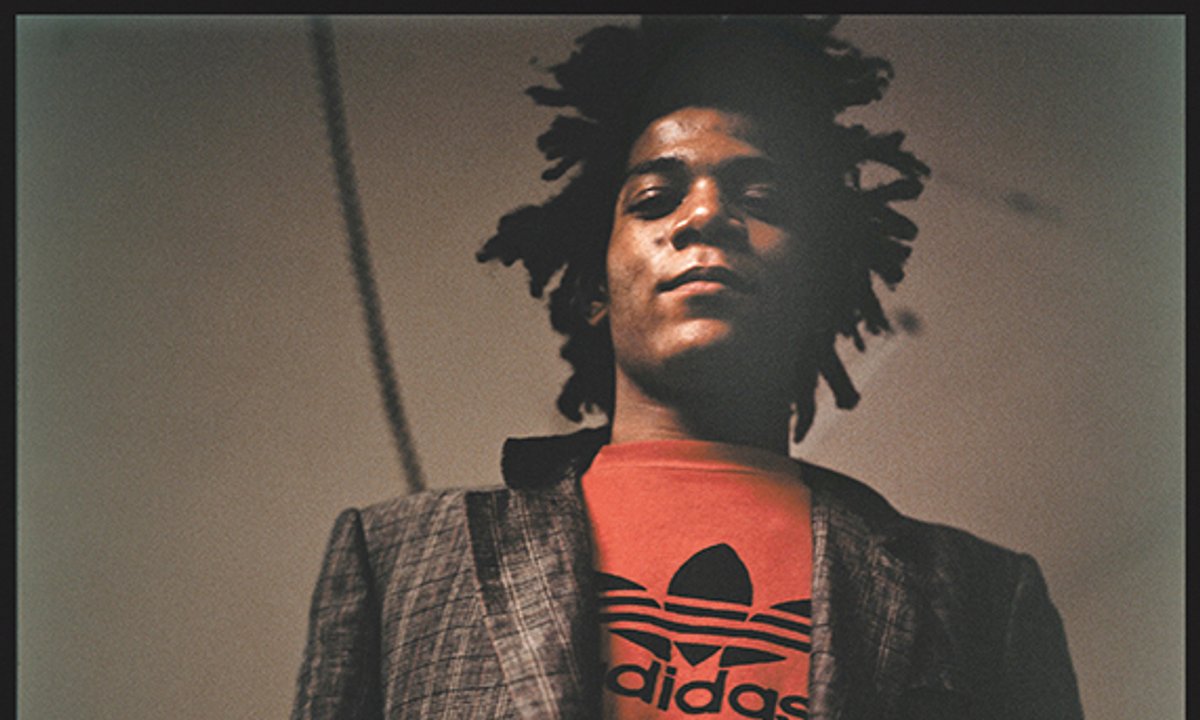
The story of Jean-Michel Basquiat’s brief but dazzling life, as told by an art-world insider

Doug Woodham, former president of Christie's Americas and current managing partner of Art Fiduciary Advisors, has authored a new biography titled "Jean-Michel Basquiat: The Making of an Icon." The book is divided into two halves: the first offers a straightforward biography of Basquiat's life from his gifted childhood in Brooklyn to his rise as a star artist, his friendship with Andy Warhol, and his tragic death from a heroin overdose at age 27. The second half analyzes how Basquiat achieved such early success, examining the influence of his father Gerard, the legal battle with dealer Vrej Baghoomian over the artist's estate, and the roles of collectors like Peter Brant and José Mugrabi. Notably, the Basquiat estate refused permission to include images of his artwork because the book openly addresses sensitive issues about his character and life.

From Dior's golden coat to landscape jewellery at Christie's: where the worlds of art and luxury collide this autumn

The article highlights two luxury-art crossovers this autumn: Jonathan Anderson's debut Dior menswear collection for spring/summer 2026, presented in Paris, and Natasha Wightman's new jewellery collection displayed at Christie's London. Anderson's show reimagined Dior's iconic women's silhouettes for men, featuring a standout €200,000 coat embroidered with ancient Indian mukesh work that took 12 artisans 34 days to create. Wightman's jewellery incorporates bog oak, a semi-fossilised wood from British fens, carved into pendants celebrating the country's remaining temperate rainforests.

New book explores the complex history of Jewish country houses

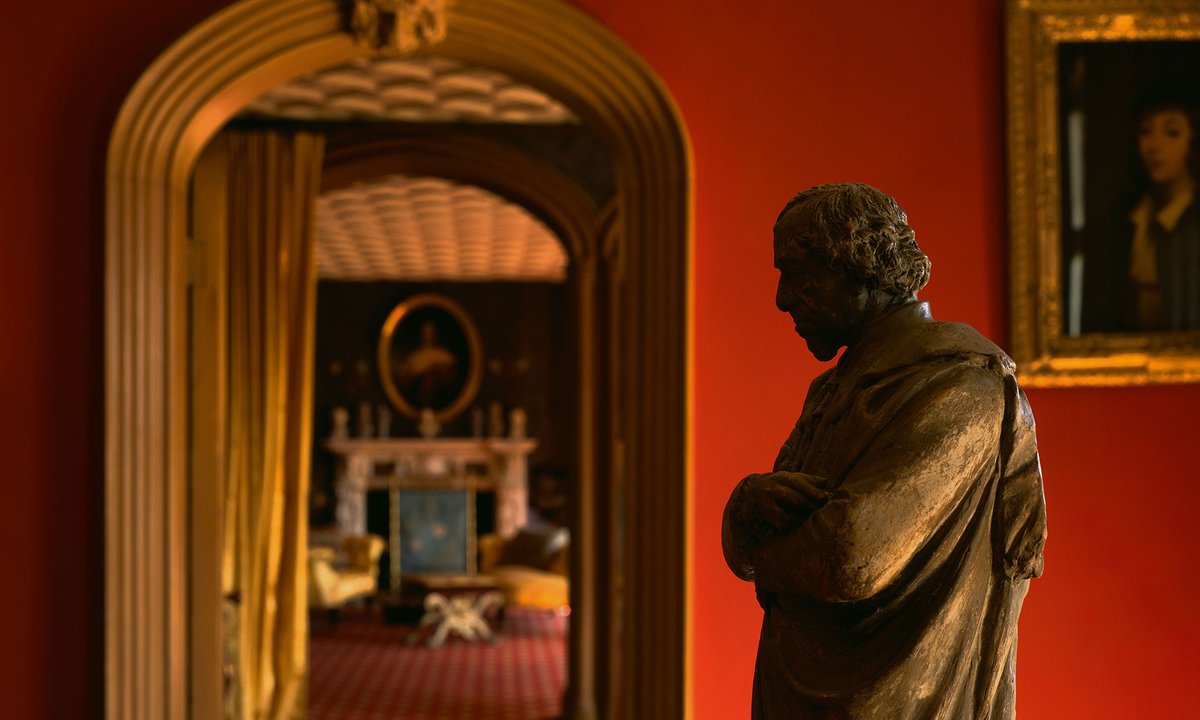
A new book titled *Jewish Country Houses*, edited by Juliet Carey and Abigail Green, explores the history of approximately 1,000 country estates built or remodeled by wealthy Jewish families across Great Britain and Continental Europe from the French Revolution until World War II. These houses, such as Waddesdon Manor and Château de Champs-sur-Marne, served as symbols of social arrival and assimilation, blending eclectic architectural styles with art collections from European auction houses. The volume, published by Profile and Brandeis University Press in association with the National Trust, features contributions from an international team of historians and curators, with photographs by Hélène Binet, and includes case studies of a dozen houses now open to the public.

The Global Influence of Contemporary African Art

Contemporary African art has transitioned from a niche regional interest to a central pillar of the global art market and institutional landscape. Artists such as El Anatsui, Njideka Akunyili Crosby, and William Kentridge are leading this shift, utilizing diverse media to address universal themes of identity, colonialism, and technology while maintaining deep local roots.

Rhea Anastas

Rhea Anastas, an art historian, critic, and curator, publishes a critical essay challenging the dominance of market-driven values in contemporary visual art. She argues that the art world's focus on auction prices, luxury investment, and professional categorization has obscured the true purpose of artistic practice, which she sees as rooted in experimental culture, Black culture, performance, and film. Anastas condemns the past two decades as marked by dishonesty, particularly regarding how art history and criticism have been built on white-on-Black dispossession and violence. She calls for an end to the commodification of artists' lives and works, advocating instead for attention to non-visible practices, critique, and embodiment.