filter_list Showing 6 results for "gustave courbet" close Clear
search
dashboard All 38 museum exhibitions 19article news 6article culture 6gavel restitution 3rate_review review 1trending_up market 1candle obituary 1article policy 1
date_range Range Today This Week This Month All
Subscribe

parlez vous le francais french old masters glossary and museum list

Artnet News published a French-language glossary of Old Masters terminology and a list of French museums dedicated to Old Masters. The article defines an Old Master as a European painter who worked before 1800, then provides an A–Z bilingual glossary covering terms from Baroque to Venetian Renaissance. It also profiles two museums: the Musée du Louvre in Paris, highlighting its history, collection size, and a wartime anecdote about Théodore Géricault's "Le Radeau de la Méduse," and the Musée du Louvre-Lens, a branch museum opened in 2012 on a former mining site.
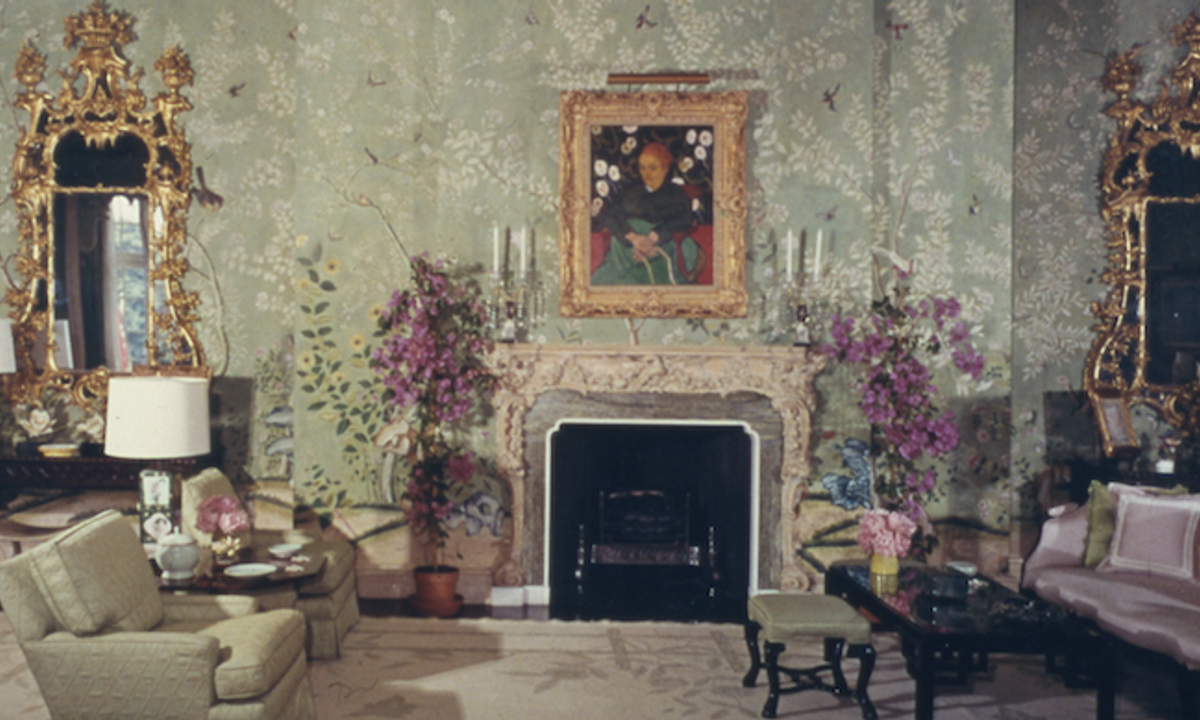
Two US ambassadors have displayed Van Goghs in their London residence—but Donald Trump's pick for the job seems unlikely to follow suit

Two former U.S. ambassadors to the UK, John Hay Whitney (1957-61) and Walter Annenberg (1969-74), displayed Van Gogh masterpieces from their personal collections in Winfield House, the official residence in London's Regent's Park. Whitney hung Van Gogh's *Self-portrait* (September 1889) above the mantelpiece in the family dining room, while the Annenbergs placed *La Berceuse* (February 1889) and *Olive Trees* (November 1889) in the green room, alongside works by Gauguin, Degas, Cézanne, Monet, and Renoir. Both ambassadors later donated their Van Goghs to major U.S. museums—Whitney's to the National Gallery of Art in Washington, D.C., and the Annenbergs' to the Metropolitan Museum of Art in New York.

What You (Maybe) Didn't Know About Édouard Manet

Ce que vous ne saviez (peut-être) pas sur Édouard Manet

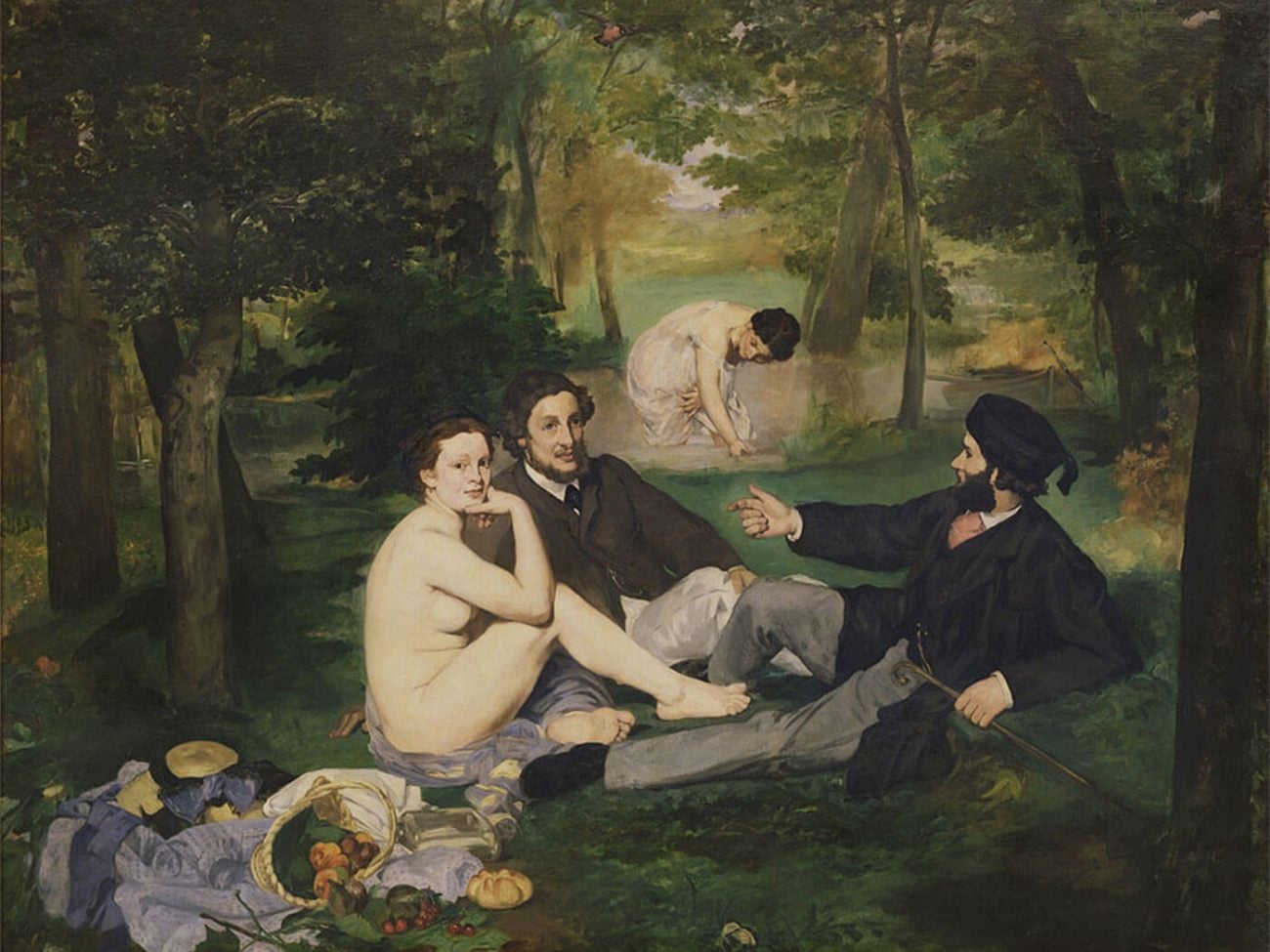
Édouard Manet (1832–1883), a pivotal figure bridging realism and impressionism, is the subject of a feature article in Beaux Arts Magazine. The piece explores lesser-known aspects of his life and career, including his near-miss as a naval officer, his rivalry with Gustave Courbet, his refusal to join the impressionist exhibitions despite close ties to the movement, and his deep fascination with Spanish culture. It highlights his scandalous works like *Le Déjeuner sur l'herbe* (1863) and *Olympia*, the latter entering the Louvre after a subscription launched by Claude Monet in 1889.

art bites courbet painting jeanne duval baudelaire

Gustave Courbet's 1855 masterpiece *The Artist's Studio* originally included a portrait of Jeanne Duval, the mixed-race actress and courtesan who was the muse and longtime lover of poet Charles Baudelaire. After a falling out, Baudelaire asked Courbet to remove her from the painting. Courbet painted over her figure with watercolor rather than oil, and over the past 170 years, the image of Duval has gradually reappeared as a pentimento—a ghostly trace of the erased figure.

no artists arent the winners of the new gilded age

The article critiques the current art market frenzy in New York, where fairs and auctions dominate the scene, and argues that the relationship between art and money is being misrepresented in mainstream media. It cites recent op-eds by David Brooks, Tyler Cowen, and Matthew Yglesias, who suggest that wealth inequality benefits artists by boosting the financial returns of fine art. The author counters that these commentators conflate the art market with artists' livelihoods, ignoring the precarious reality most artists face.

art rob teeters art advisor sagaponack home collecting

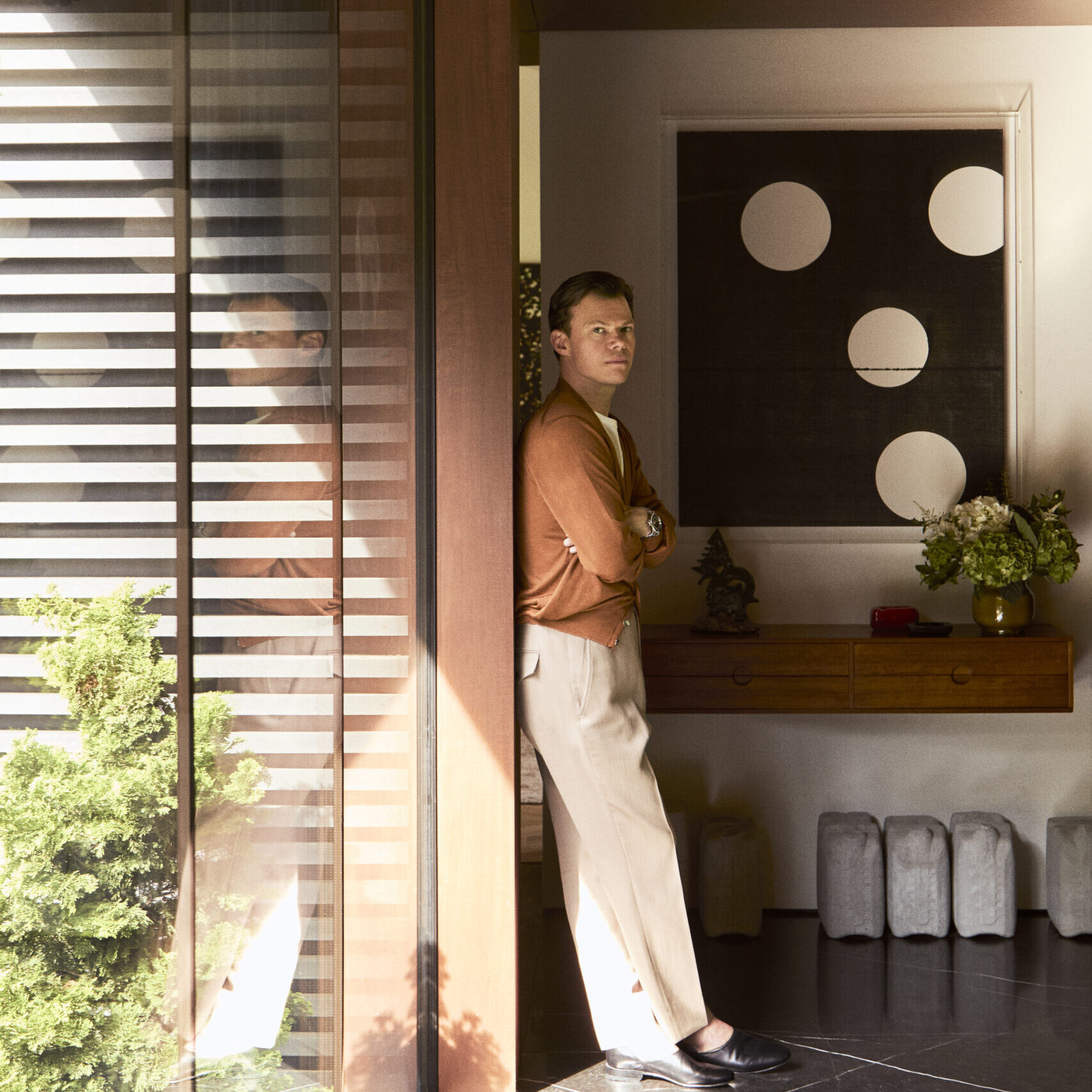
Art advisor Rob Teeters opens his 1950s Sagaponack home to CULTURED magazine, revealing how he curates his personal collection alongside his husband, ceramicist Bruce M. Sherman. The home features a mix of ancient artifacts, such as a third-century Roman marble head, and contemporary works by Wade Guyton, Sherrie Levine, and Matias Faldbakken, alongside Sherman's own polychrome ceramics. Teeters, who founded Front Desk Apparatus in 2006 and leads the Dallas nonprofit art space the Power Station, discusses the nuanced process of living with art and how arrangement, lighting, and even the texture of a room affect the experience.