
filter_list Showing 3 results for "julia stoschek foundation" close Clear
search
dashboard All 26 museum exhibitions 14article news 6article culture 3candle obituary 1person people 1article policy 1
date_range Range Today This Week This Month All
Subscribe

how top curators spot the artists of tomorrow

Artnet News spoke to seven leading curators about how they identify emerging artists who will become the next big names. The curators, including Amy Smith-Stewart of The Aldrich Contemporary Art Museum and iLiana Fokianaki of Kunsthalle Bern, describe their methods: seeking artists who address erased histories, geopolitical contexts, and marginalized perspectives. The article also references a recent debate sparked by Dean Kissick's polemic 'The Painted Protest' in Harper's, which criticized contemporary art for being overly dictated by identity politics, a view countered by curators who affirm their commitment to socially engaged work.
art juliana halpert frieze los angeles 2026

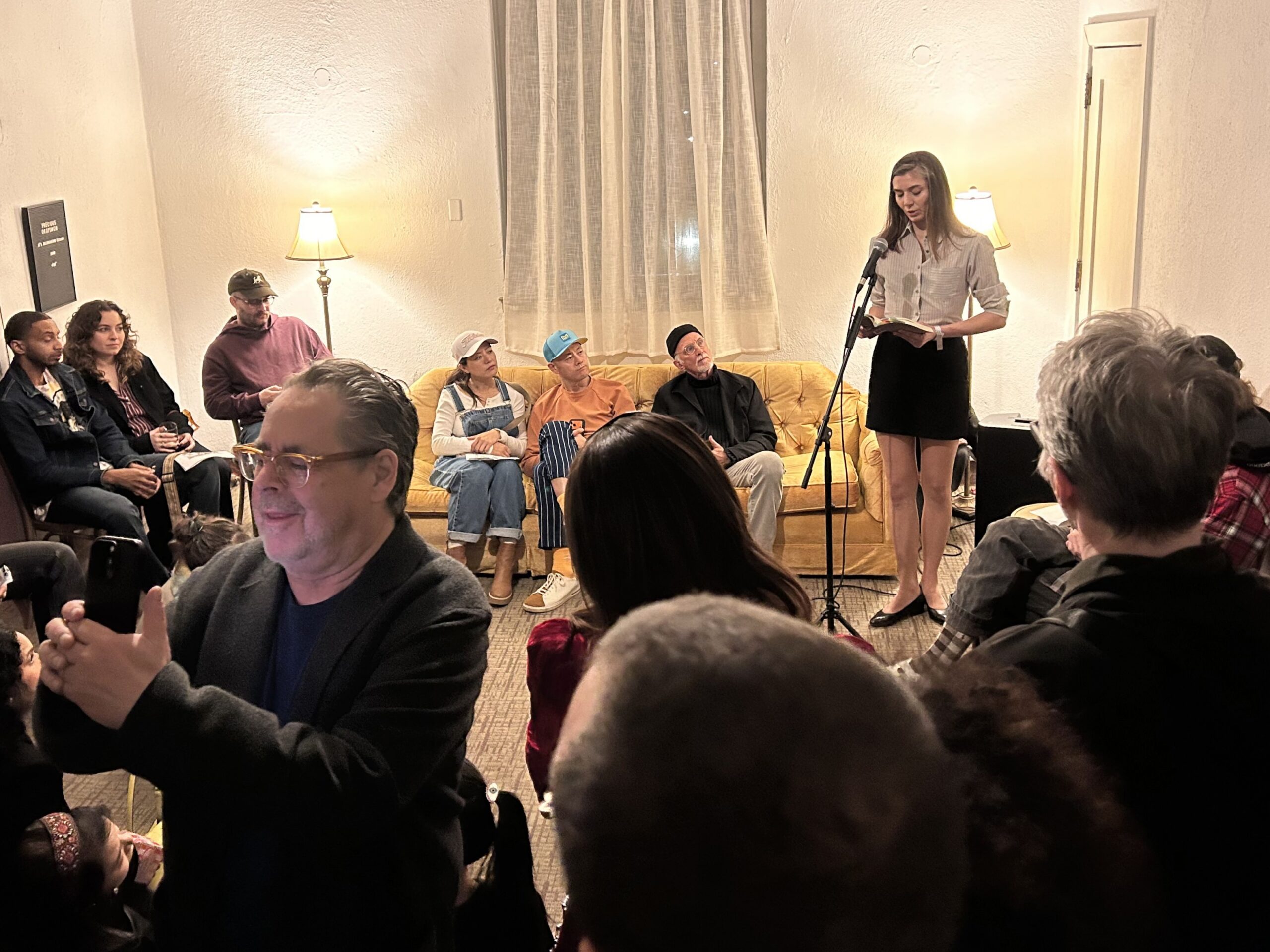
Juliana Halpert, writing for Cultured's Critics' Table, offers a local perspective on Los Angeles's busy February art scene, contrasting the global art-fair circuit with four distinctive local exhibitions. She visits Tanya Brodsky's "Stories of the City" at Campbell Hall school in Studio City, where Brodsky's sculptures engage with Italo Calvino's *Invisible Cities*; the Julia Stoschek Foundation; Amanda Ross-Ho's show; and Rita McBride's exhibition. Halpert uses Calvino's metaphor of Eutropia—a city whose inhabitants cycle through identical suburbs—to critique the repetitive nature of art fairs like Art Basel and Frieze, which travel from city to city with little variation.

The New Generation of Berlin Curators: Independent Laboratory or New Establishment

La nuova generazione dei curatori di Berlino: laboratorio indipendente o nuovo establishment

The article examines the shift in Berlin's contemporary art curation landscape, focusing on a new generation of curators who are more pragmatic and operational than their predecessors. Figures like Anna Gritz at Haus am Waldsee, Lisa Long at Julia Stoschek Foundation, and Bonaventure Soh Bejeng Ndikung—who moved from independent space Savvy Contemporary to lead Haus der Kulturen der Welt—exemplify this change. The piece argues that Berlin's art ecosystem has evolved from a low-pressure experimental zone into a competitive, almost corporate environment where curators must act as project managers, fundraisers, and cultural mediators.