
La nuova generazione dei curatori di Berlino: laboratorio indipendente o nuovo establishment
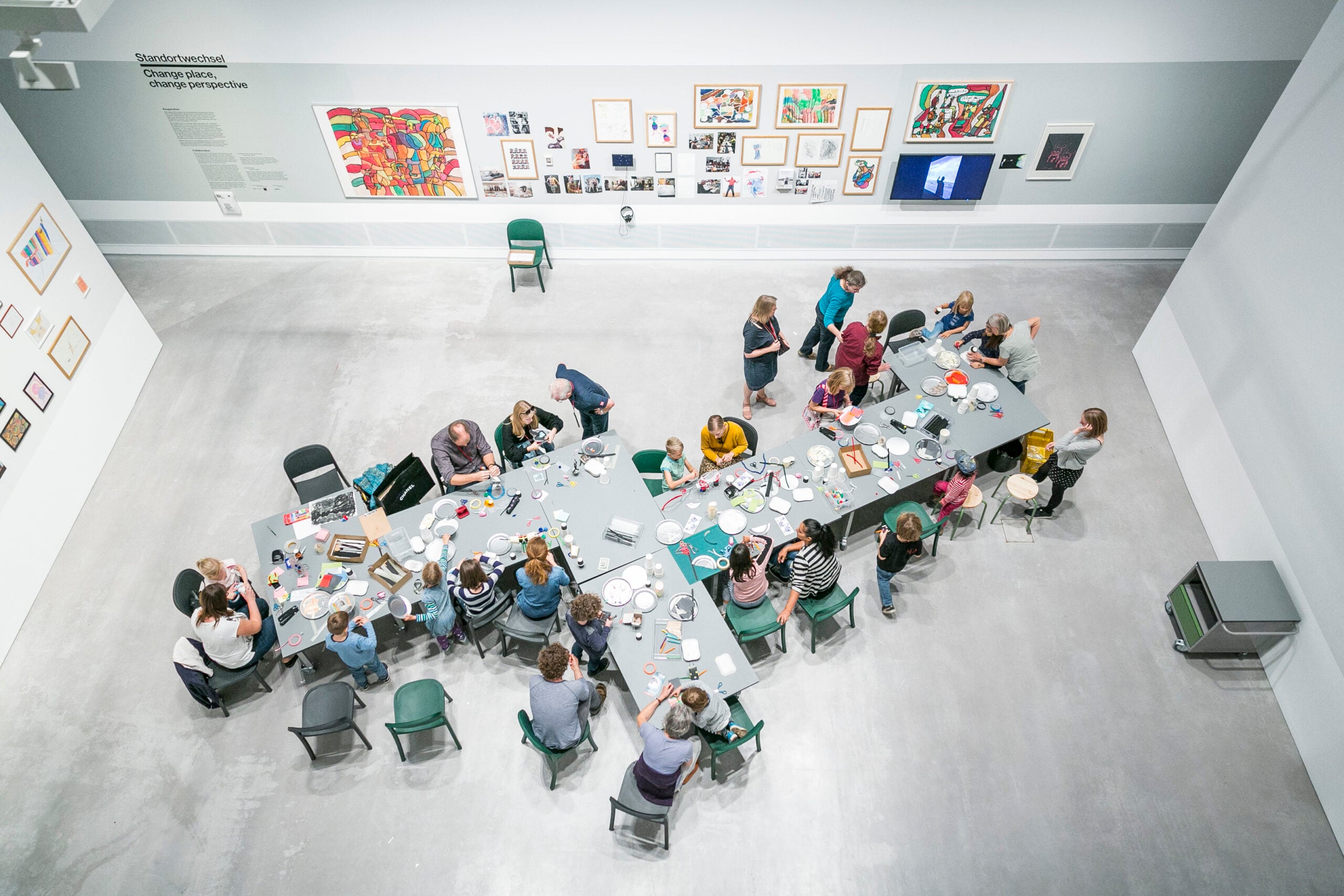
The article examines the shift in Berlin's contemporary art curation landscape, focusing on a new generation of curators who are more pragmatic and operational than their predecessors. Figures like Anna Gritz at Haus am Waldsee, Lisa Long at Julia Stoschek Foundation, and Bonaventure Soh Bejeng Ndikung—who moved from independent space Savvy Contemporary to lead Haus der Kulturen der Welt—exemplify this change. The piece argues that Berlin's art ecosystem has evolved from a low-pressure experimental zone into a competitive, almost corporate environment where curators must act as project managers, fundraisers, and cultural mediators.
This matters because it reflects broader structural shifts in the art world: the blurring of lines between independent and institutional spaces, the increasing precarity of project-based work, and the strategic positioning required for survival. The article highlights how project spaces now function as incubators rather than pure alternatives, with a typical visibility window of only two to three years before they must evolve or disappear. Rising costs, global competition, and real estate pressure are reshaping Berlin's once-unique conditions, making the city a case study for how contemporary art ecosystems adapt—or fail—under economic and institutional pressures.