filter_list Showing 6 results for "latin america" close Clear
search
dashboard All 282 museum exhibitions 181trending_up market 36person people 19article news 14article local 9candle obituary 7article culture 6article policy 5article event 3gavel restitution 1rate_review review 1
date_range Range Today This Week This Month All
Subscribe

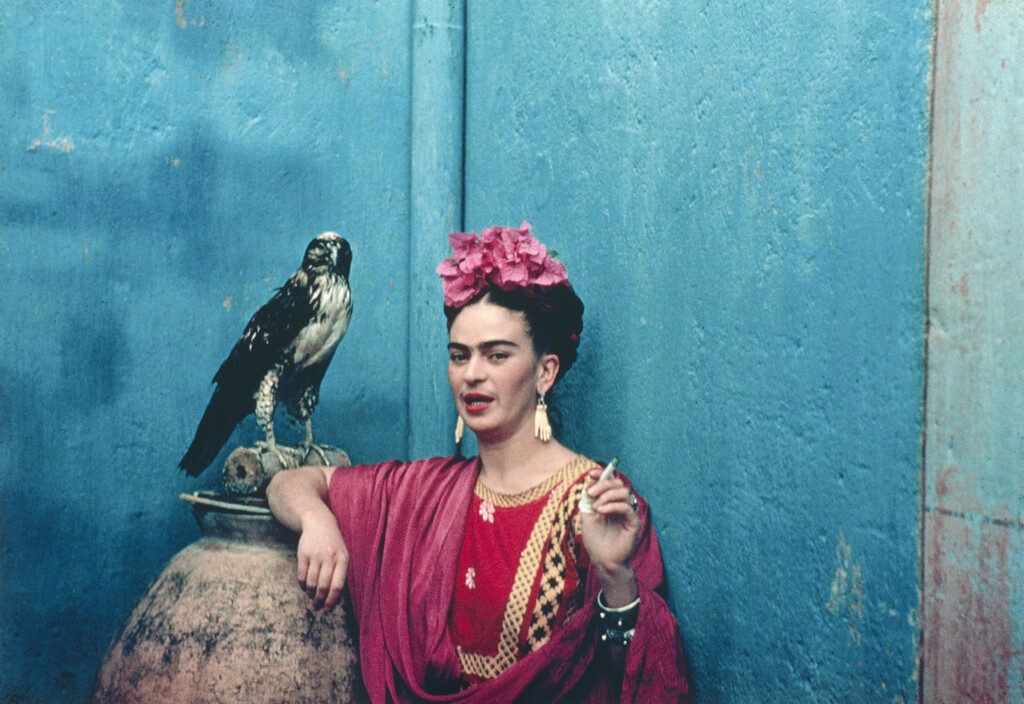
frida kahlo commercialization too far

Frida Kahlo’s descendants are expressing growing concern over the hyper-commercialization of the artist’s image, which has expanded from museum walls to coffee mugs, dolls, and even a luxury apartment complex in Miami. Cristina Kahlo, the artist’s great-niece, warns that the proliferation of licensed merchandise by the Frida Kahlo Corporation (FKC) often distorts Kahlo’s legacy, reducing a complex painter to a shallow pop-culture brand. This family tension highlights a rift between those profiting from the trademark and those who believe the artist's historical significance is being eclipsed by 'Fridamania.'

Full Circle

The article reports on the impact of President Javier Milei's anarcho-capitalist economic policies on Argentina's cultural sector since his December 2023 election. Public museums like the Museo Nacional de Bellas Artes face frozen budgets and loss of autonomy, the cultural ministry has been shuttered, and a climate of fear and retribution has led many in the art world to speak anonymously. The piece focuses on artist Liv Schulman's film and exhibition "Un círculo que se fue rodando" (2024) as a psychological portrait of the nation under Milei, and includes observations from a Buenos Aires gallerist and journalist about the dismantling of civic institutions.

GEORGE FEBRES: TRANSLATION, IRONY, AND LIBERATION. AN ECUADORIAN ARTIST IN THE DIASPORA

The article examines the life and work of George Febres (1943–1996), an Ecuadorian artist who spent most of his career in the United States, primarily in New Orleans. Febres’s practice blends Pop Art, Neo-Surrealism, and Southern US culture with his experiences as a migrant and queer subject, using bilingualism and ironic tropical imagery to create a hybrid, irreverent body of work. Despite his significance, no works by Febres exist in Ecuadorian public collections, and no major retrospective has been held in his home country, reflecting a broader erasure of queer narratives from national art history.

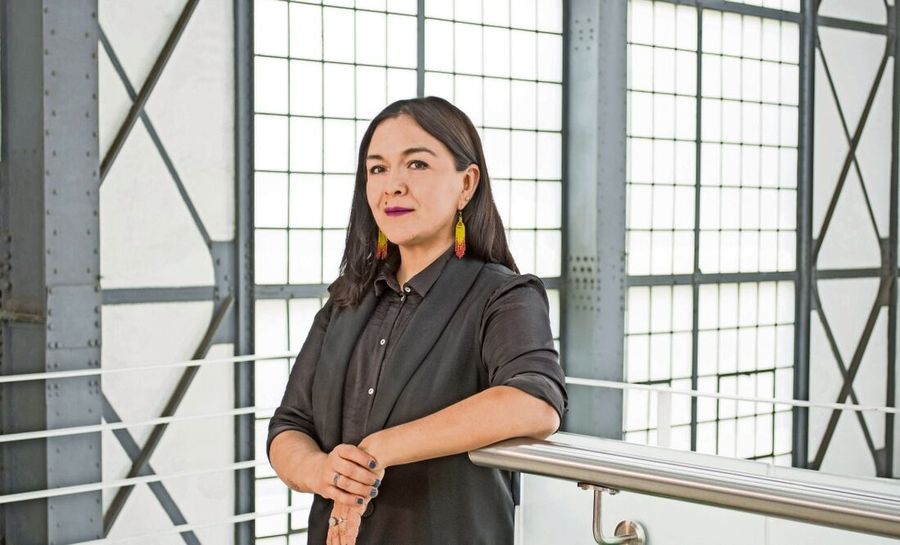
SOL HENARO: “BAJAR LA VELOCIDAD ES POLÍTICO Y, AUNQUE CUESTA MUCHO, HAY QUE SEGUIR INTENTÁNDOLO”

Sol Henaro, director of the Museo Universitario del Chopo in Mexico City, argues in an interview for Artishock Revista that museums must resist neoliberal pressures to accelerate production, spectacularize content, and convert cultural experience into immediate consumption. She advocates for the museum as a space of plurality, deceleration, and critical thought, emphasizing the need for horizontal, careful practices that allow for dissent and coexistence. The interview is part of a series on International Museum Day featuring directors from Latin American and Ibero-American institutions.

LOG: PANAMA. CULTURE AND POLITICS IN THE FRAMEWORK OF A REGIONAL MEETING DRIVEN BY CAF

BITÁCORA: PANAMÁ. CULTURA Y POLÍTICA EN EL MARCO DE UN ENCUENTRO REGIONAL IMPULSADO POR CAF

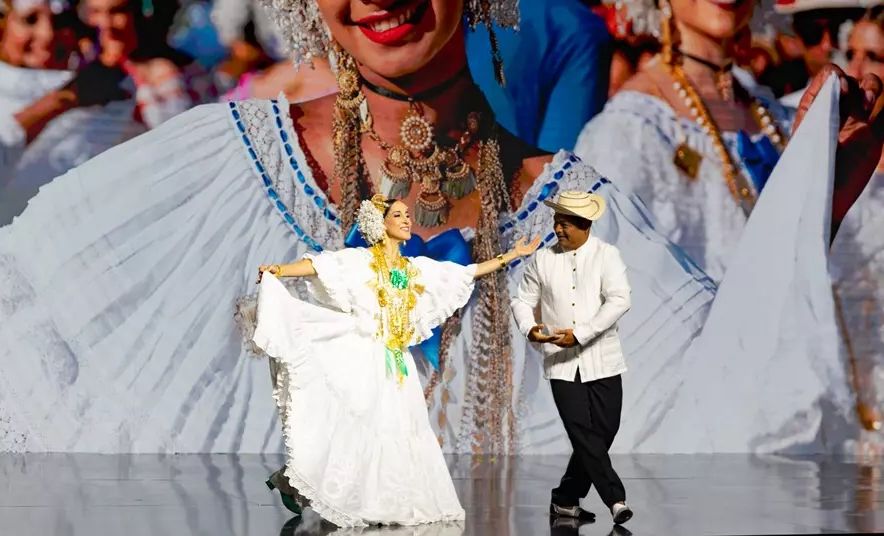
Artishock Revista covered the CAF Festival 'Voces por nuestra región: Cultura que mueve el mundo,' held in Panama in January 2026. The event, organized by CAF – Banco de Desarrollo de América Latina y el Caribe, aimed to reposition Latin American and Caribbean culture as a strategic axis for sustainable development. It featured panels, sectoral forums, and co-creation spaces designed to activate alliances and strengthen regional networks for artists and cultural projects.

Irina Werning Chronicles 18 Years of Photographing ‘Las Pelilargas’ in a New Book

Photographer Irina Werning has spent 18 years traveling across Latin America to document Indigenous women with exceptionally long hair for her series "Las Pelilargas." Her new book, published by GOST Books, features nearly 90 portraits taken between 2006 and 2024, starting with the Kolla community in Argentina. Werning sought subjects by posting signs in remote mountain towns and organizing hair competitions, capturing a tradition rooted in ancestral beliefs that hair connects to life, thoughts, and the land.