
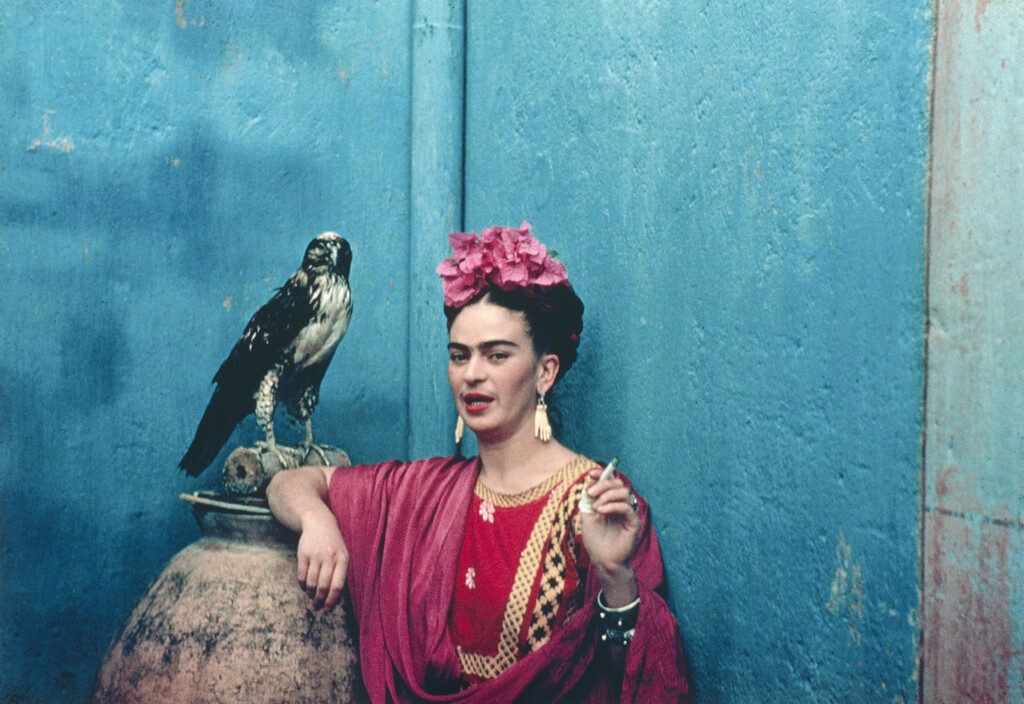
Frida Kahlo’s descendants are expressing growing concern over the hyper-commercialization of the artist’s image, which has expanded from museum walls to coffee mugs, dolls, and even a luxury apartment complex in Miami. Cristina Kahlo, the artist’s great-niece, warns that the proliferation of licensed merchandise by the Frida Kahlo Corporation (FKC) often distorts Kahlo’s legacy, reducing a complex painter to a shallow pop-culture brand. This family tension highlights a rift between those profiting from the trademark and those who believe the artist's historical significance is being eclipsed by 'Fridamania.'
The debate arrives as Kahlo’s institutional and market value reaches unprecedented heights, exemplified by a record-breaking $54.7 million auction sale at Sotheby’s. Major upcoming exhibitions at the Museum of Fine Arts, Houston, and the Tate Modern are specifically attempting to deconstruct this phenomenon, seeking to separate Kahlo the serious artist from Kahlo the global icon. These shows reflect a broader institutional effort to reclaim her identity from the commercial sphere while acknowledging her profound influence on generations of Latinx and Chicanx artists.