filter_list Showing 9 results for "painter" close Clear
dashboard All 65 museum exhibitions 33article local 11article culture 9candle obituary 5person people 4rate_review review 1trending_up market 1article news 1
date_range Range Today This Week This Month All
Subscribe

This Years Met Gala Felt More Like an Art Exhibition Than a Red Carpet

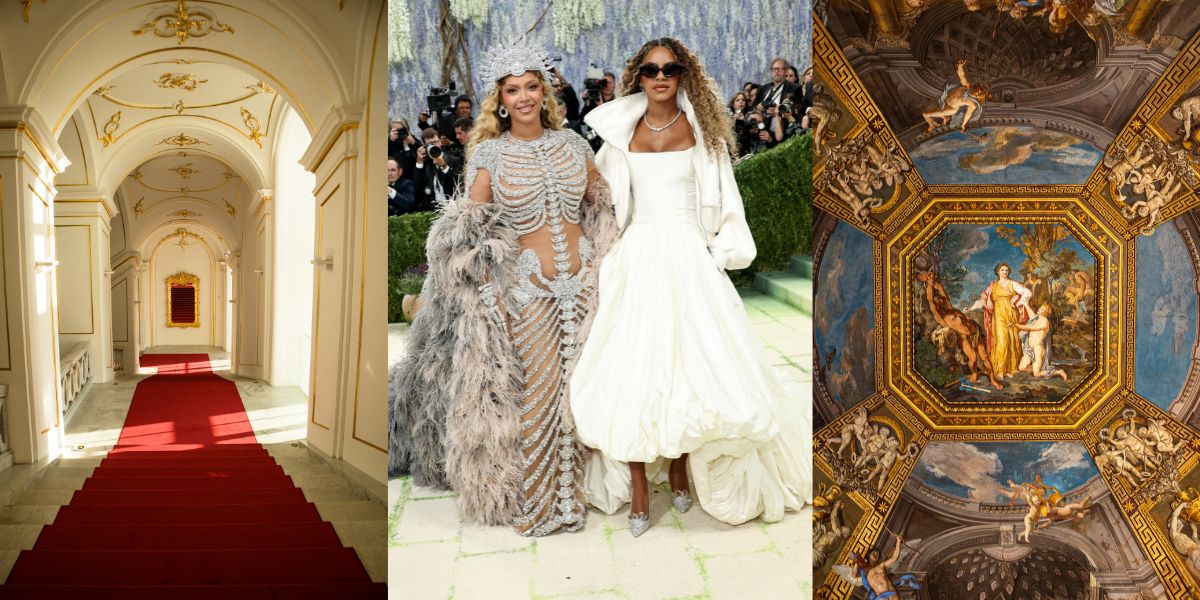
The 2026 Met Gala, held on May 4 at the Metropolitan Museum of Art in New York, was widely described as feeling more like an art exhibition than a traditional red carpet. The theme, "Costume Art," with the dress code "Fashion Is Art," encouraged celebrities to treat their bodies as canvases. Beyoncé made a highly anticipated return after a decade, serving as a co-chair alongside Nicole Kidman, Venus Williams, and Anna Wintour. Beyoncé wore a sculptural skeleton-inspired design by Olivier Rousteing, while Kiddon wore a shimmering red Chanel gown and Williams donned a Swarovski crystal gown inspired by her Smithsonian portrait. Other notable looks included Sabrina Carpenter in a Dior dress made from vintage film strips, Kendall Jenner referencing classical sculpture, Madonna channeling surrealist painter Leonora Carrington, and Heidi Klum arriving as a marble statue. Inside, live performances by Sabrina Carpenter and Stevie Nicks added to the spectacle.

Paris Diary 1

The article is a first-person diary entry from an unnamed narrator visiting Paris and Brussels. The narrator recounts working in the studio of painter Camila Oliveira Fairclough, attending a public dialogue at Almine Rech gallery in Brussels with artist Erik Lindman, and viewing an exhibition pairing Lindman's paintings with works by Robert Motherwell and two Picassos chosen by Bernard Picasso. The narrator also visits a posthumous exhibition of Didier Demozay at Galerie Bernard Jordan and sees a temporary mural by Marielle Paul in a Paris housing complex, later visiting her studio in a historic 19th-century artist building once occupied by Eugène Carrière.

The Artists Who Put Their Bodies Into the Work

This article from Google News, dated May 3, 2026, profiles a selection of artists who have used their own bodies as central elements in their work. It draws a connection to the Metropolitan Museum of Art's spring Costume Institute exhibition, "Costume Art," which places fashion in dialogue with other artworks. The roundup includes Marina Abramović, known for her 2010 MoMA performance "The Artist Is Present"; Chris Burden, who staged dangerous works like "Shoot" (1971); David Hammons, creator of the "Body Prints" series; Frida Kahlo, whose painting "The Broken Column" (1944) depicts her own physical pain; Ana Mendieta, whose "Silueta" series used her figure in the landscape; and Yoko Ono, a conceptual artist with a significant body-based practice.

Anyone who never feels uncomfortable as a tourist is not a good tourist

"Wer sich als Tourist nie unbehaglich fühlt, ist kein guter Tourist"

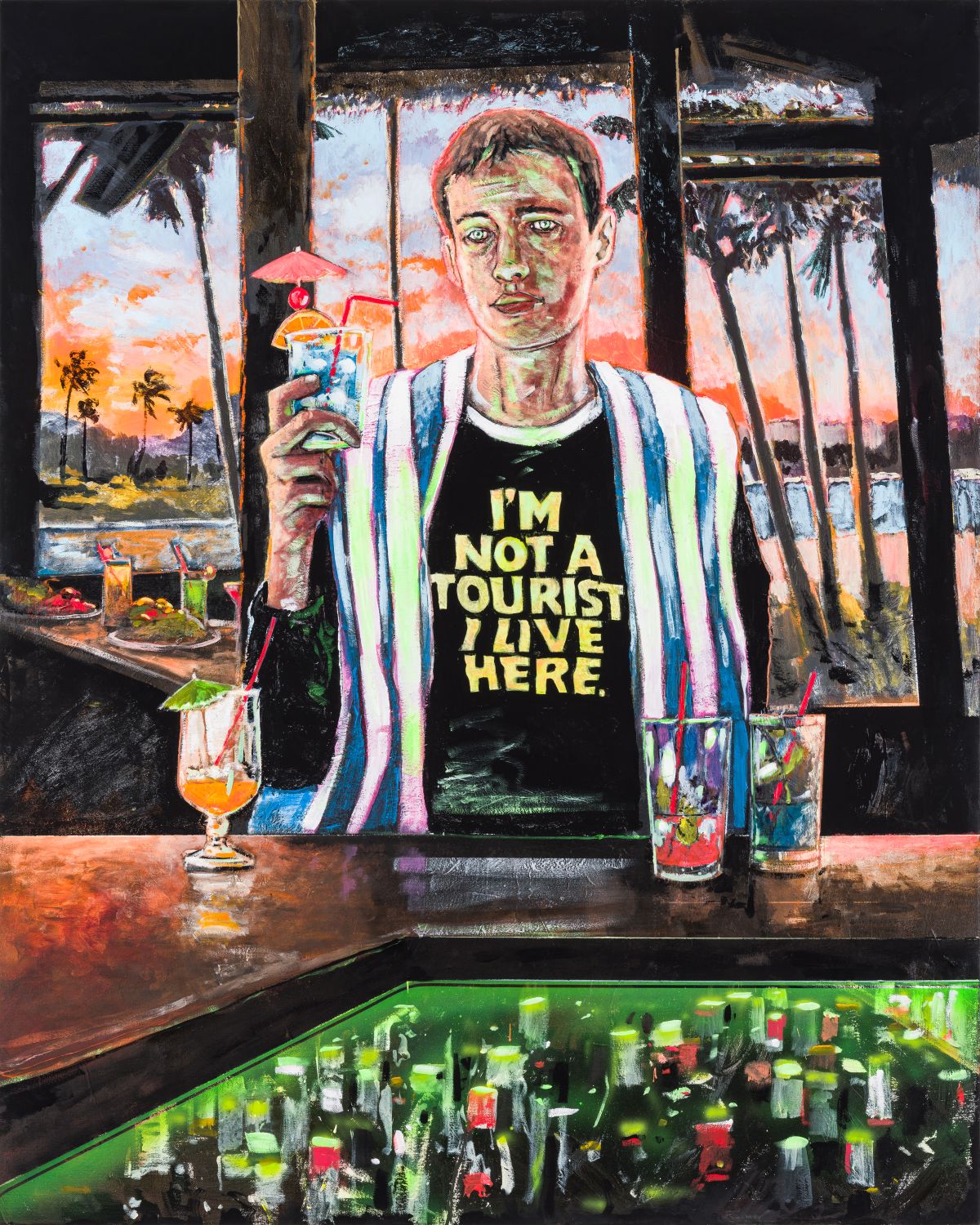
American painter Hernan Bas has created a new series of paintings inspired by Venice and its tourists, drawing from his long-standing relationship with the city. His first encounter with Venice came through an invitation to exhibit at Bruna Aickelin's renowned gallery Il Capricorno, and he has since shown there multiple times, considering Aickelin his Italian connection.

On ARTE, the Ruffini Affair or the Autopsy of an Extraordinary Scandal in the Art World

Sur Arte, l’affaire Ruffini ou l’autopsie d’un scandale hors norme dans le monde de l’art

The documentary series "Le Peintre, la Pizza et le Corbeau" (The Painter, the Pizza and the Crow), available on ARTE, investigates a sprawling art forgery scandal centered on discreet dealer Giuliano Ruffini. Beginning in spring 2014 with an anonymous letter, the case led to a judicial inquiry by judge Aude Burési and France's Central Office for the Fight against Trafficking in Cultural Goods (OCBC). The series follows multiple suspicious artworks—including a Lucas Cranach Venus seized from an exhibition at the Hôtel de Caumont, a David and Goliath by Artemisia Gentileschi, and a Frans Hals portrait—each raising questions of authenticity. Ruffini, a former painter turned collector, remains an enigmatic figure, portrayed as both intuitive genius and possible cog in an opaque system.

How the adoption of canvas in Venice changed the way artists painted

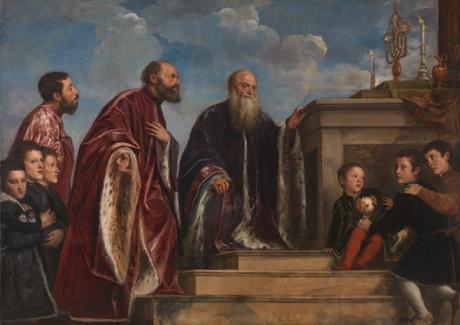
Art historian Cleo Nisse has published a new book, *Venetian Canvas and the Transformation of Painting*, examining how 16th-century Venetian painters such as Titian, Veronese, and Tintoretto pioneered the use of canvas as a painting support. Nisse reveals that canvas was not a uniform material—artists experimented with different weaves, including tabby and herringbone patterns, and even repurposed sailcloth and tablecloth-quality fabrics to achieve specific visual effects. The book argues that canvas was already familiar in the late Middle Ages for banners and alternatives to tapestry, and that Vittore Carpaccio was the first master of the medium, varying canvas types for expressive purposes in his *Legend of St Ursula* series.

Inside the Artist Peter Bradley’s Upstate New York Home

Peter Bradley, a painter, art dealer, and prominent figure in the 1960s and ’70s Manhattan art scene, has lovingly restored an 18th-century home in upstate New York, bringing a loftlike aesthetic to the historic property. The article offers an inside look at his residence, highlighting how his artistic sensibility shaped the renovation.

Actress Alba Clemente Tells Her Story in the Theater and Reveals What Lies Behind Her Partenope, a Smoking Siren

L’attrice Alba Clemente si racconta a teatro e svela cosa si nasconde dietro la sua Partenope, sirena fumatrice

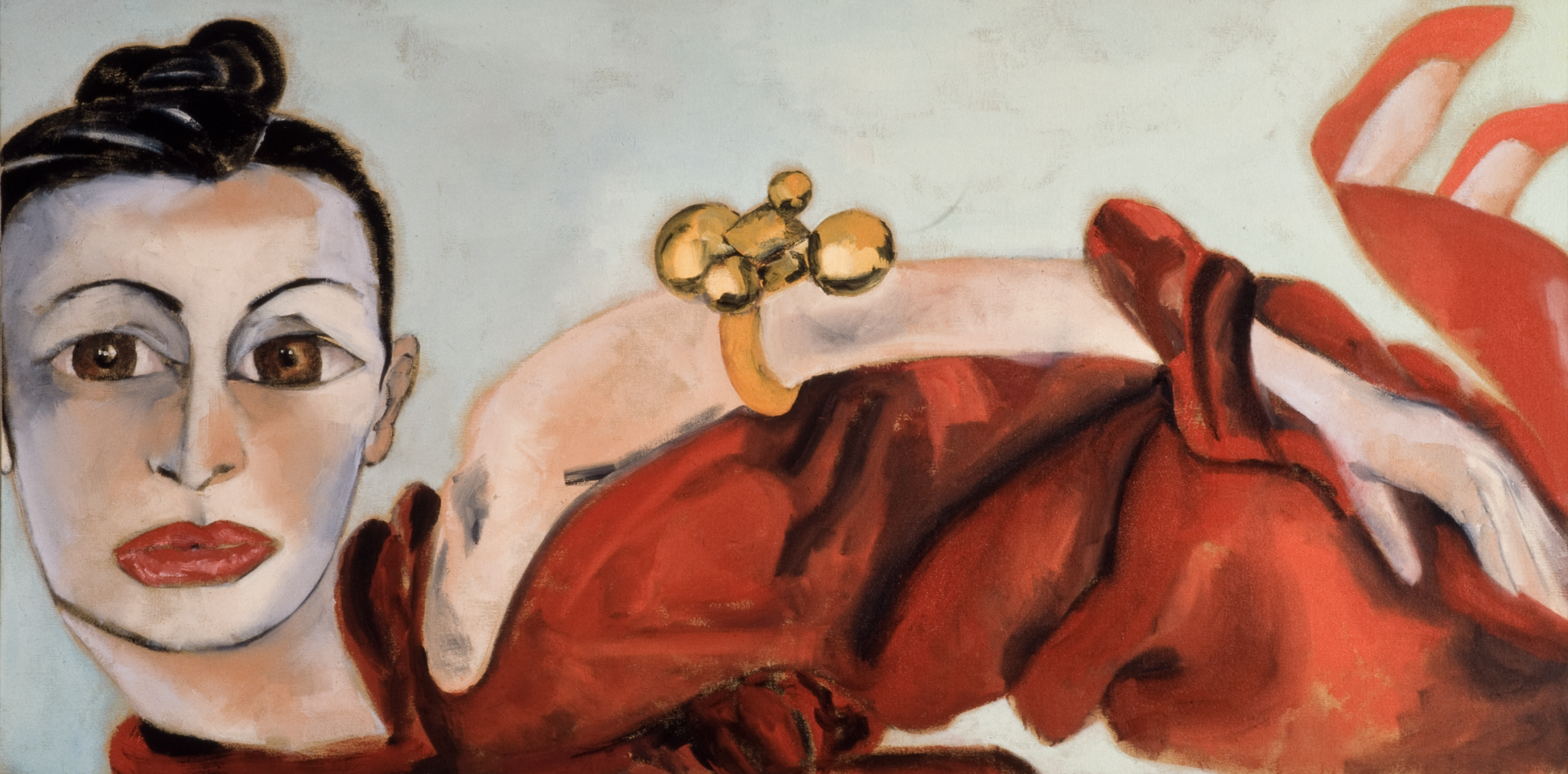
Actress Alba Clemente (née Primiceri) recounts her life and career in a theatrical performance titled "Racconto di una vita, anzi tre: ALBAINCLEMENTE," directed by Guido Torlonia. The show, adapted from an earlier piece created with director Andrew Ondrejcak, premiered in Naples and is set to tour Rome and Milan. Clemente reflects on her rebellious youth in Amalfi, her studies at the Accademia di Belle Arti in Naples, and her encounters with artists such as Joseph Beuys, Andy Warhol, Jean-Michel Basquiat, Alex Katz, and Robert Mapplethorpe. She also describes meeting her husband, internationally renowned painter Francesco Clemente, in Rome on the day Pier Paolo Pasolini was assassinated.

Hilma af Klint en 2 minutes

Hilma af Klint (1862–1944) is profiled as a pioneering Swedish abstract artist who created a vast body of visionary, large-scale abstract paintings decades before Kandinsky, yet kept them secret during her lifetime. The article traces her life from a childhood steeped in science and nature, through her studies at the Royal Academy of Fine Arts in Stockholm, to her dual artistic practice: conventional landscapes and portraits for income, and radically abstract works guided by spiritualist séances and theosophical beliefs. She founded the group "The Five" with fellow female artists, and from 1906 onward produced the monumental series "Paintings for the Temple" (193 works), convinced she was channeling a higher force. She stipulated in her will that her abstract works not be revealed until 20 years after her death, and they were only rediscovered in the late 1960s.