filter_list Showing 9 results for "paris" close Clear
dashboard All 103 museum exhibitions 62trending_up market 11article culture 9article news 7article local 5person people 4rate_review review 3candle obituary 2
date_range Range Today This Week This Month All
Subscribe

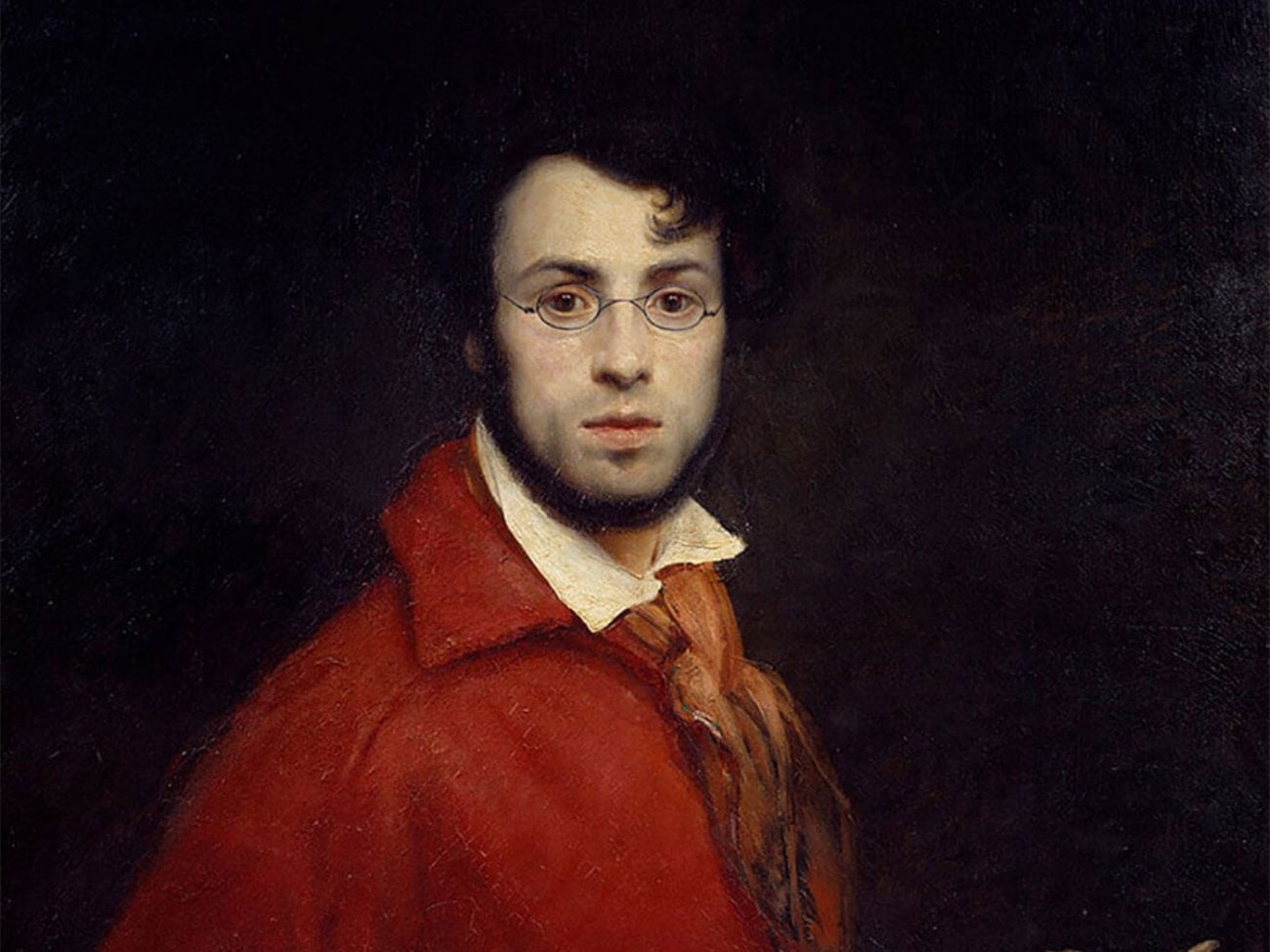
Ary Scheffer en 2 minutes

Ary Scheffer (1795–1858) was a Dutch-born Romantic painter who became a central figure in Parisian artistic and cultural life during the July Monarchy. He was the official portraitist of the Orléans family and created deeply melancholic, spiritual works inspired by Dante, Goethe, and the Gospels. His studio at 16 rue Chaptal, in the Nouvelle Athènes district, hosted legendary Friday gatherings attended by Chopin, Liszt, George Sand, and Dickens, and now houses the Musée de la Vie romantique. Key works include *Le Dévouement patriotique des six Bourgeois de Calais* (1819) and *Les Femmes souliotes* (1827), both acquired by the French state.
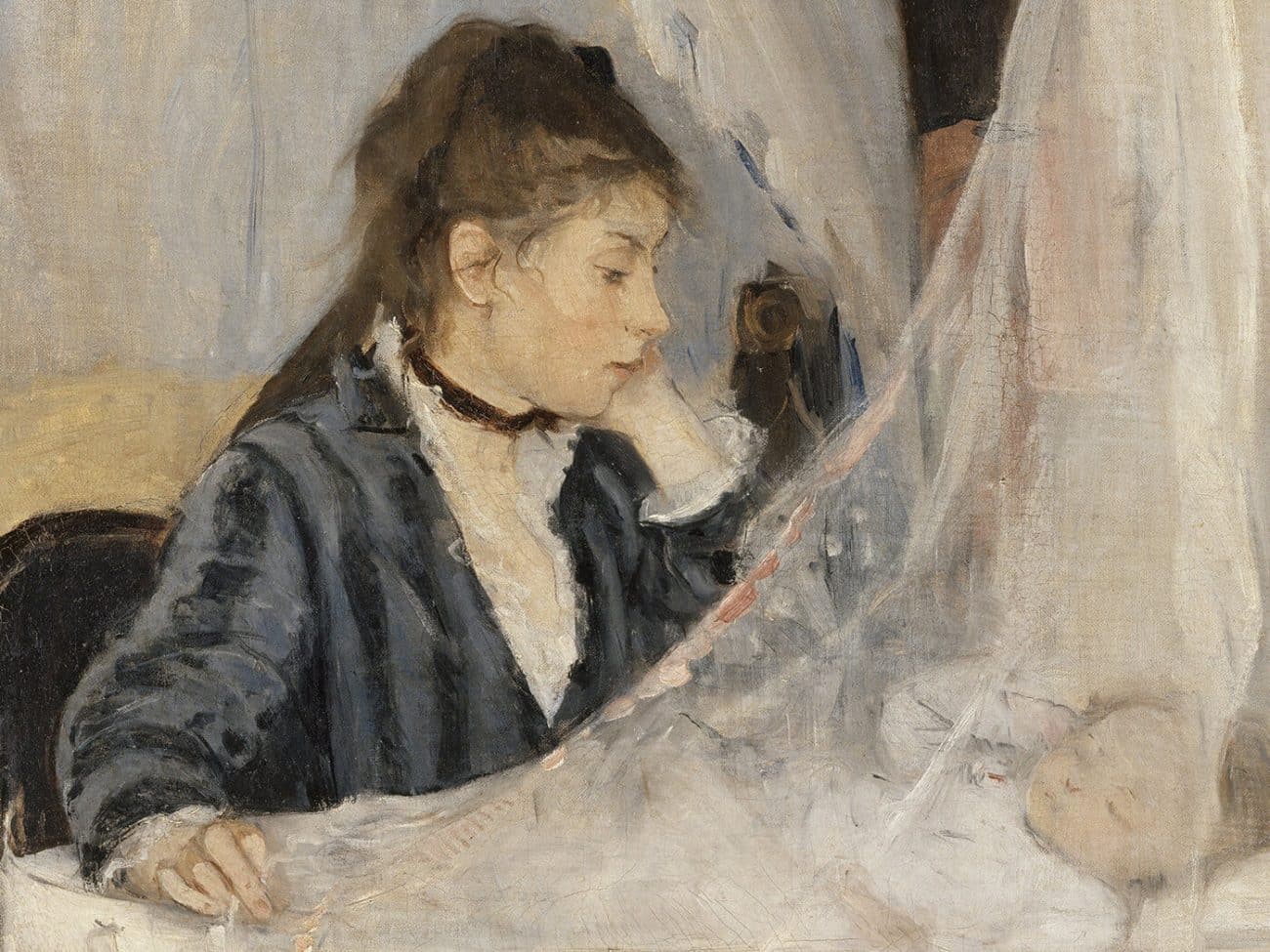

10 chefs-d’œuvre de l’impressionnisme décryptés par Beaux Arts

Beaux Arts Magazine presents a detailed dossier analyzing ten iconic masterpieces of Impressionism, including works by Edgar Degas, Édouard Manet, Berthe Morisot, Auguste Renoir, Gustave Caillebotte, Claude Monet, and Mary Cassatt. The article explores the technical innovations, modern subjects, and revolutionary spirit of the movement, which began in 1874 and was initially rejected by critics. Each featured painting—such as *Le Déjeuner sur l’herbe*, *Impression, soleil levant*, and *Le Bal du moulin de la Galette*—is examined by art historians and journalists to reveal its composition, historical context, and lasting impact.

How Swizz Beatz and Alicia Keys Built a Best-in-Class Art Collection With a “Collect What You Feel” Philosophy

Swizz Beatz and Alicia Keys, the musician power couple, have built a major art collection known as the Dean Collection, now touring as the exhibition "Giants" at the San Diego Museum of Contemporary Art. The show, which debuted at the Brooklyn Museum in 2024, features works by Gordon Parks, Jean-Michel Basquiat, Malick Sidibé, and a new multimedia installation by Mickalene Thomas. In an interview with GQ's Frazier Tharpe, the couple discusses their philosophy of collecting art based on emotional connection rather than investment or social status, and how their passion for art has deepened over their 15-year marriage.

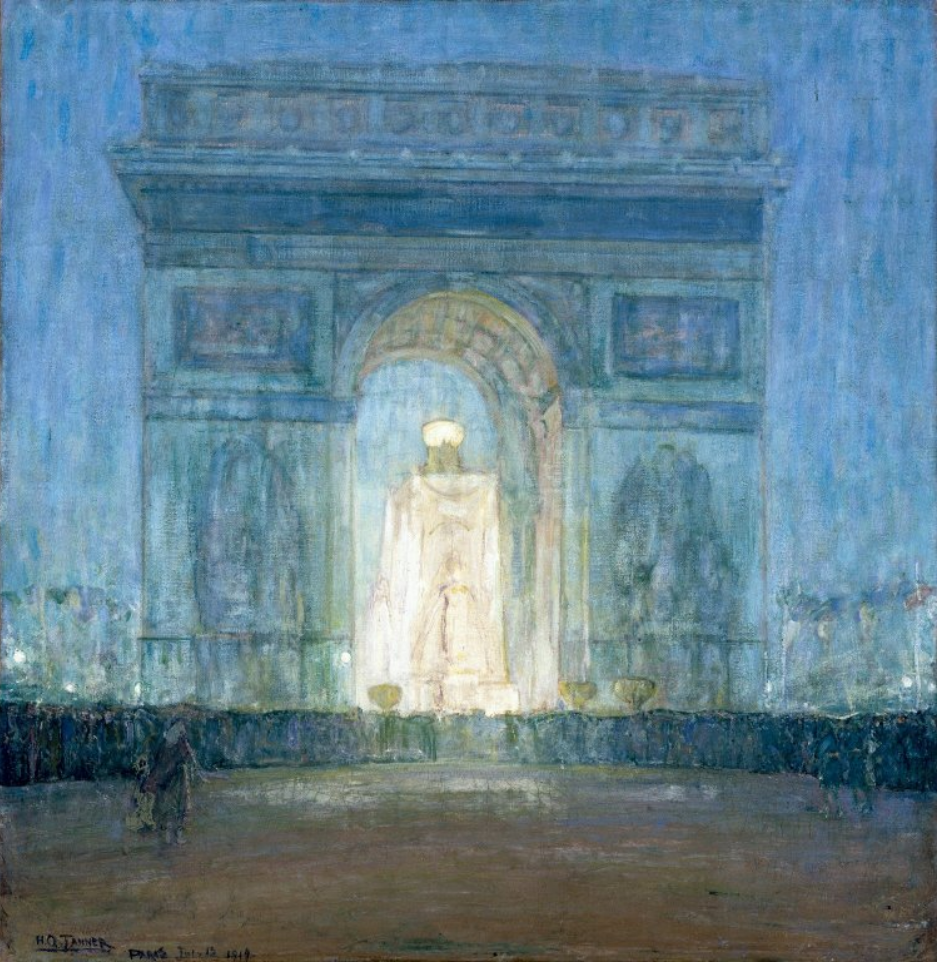
Artist Henry Ossawa Tanner

This article profiles Henry Ossawa Tanner (1859–1937), the pioneering African American artist who achieved international fame in the 19th and early 20th centuries. Born in Pittsburgh to a bishop father and a mother who escaped slavery, Tanner studied under Thomas Eakins at the Pennsylvania Academy of Fine Arts before moving to Paris to escape racial discrimination. He studied at the Académie Julian, became a mentor to Black artists including Aaron Douglas and Hale Woodruff, and gained renown for his biblical paintings such as "Daniel in the Lions' Den" (1896). Tanner traveled widely—to Egypt, Morocco, and Palestine—and was named a chevalier of the French Legion of Honor in 1927. The article lists numerous works by Tanner held in major collections, including the first painting by an African American artist acquired for the White House Collection.

‘It’s about processing’: the artist who spent three months recreating the most poignant moments with her ex

Photographer Diana Markosian has created a new project titled "Replaced," in which she spent three months recreating intimate moments from her past relationship with an ex-partner. To document the experience of falling in and out of love, she hired an actor to play her ex and traveled with him to locations they once visited together, including Miami, Paris, Naples, Capri, and Nice. The series blurs documentary and fiction, using staged reenactments to process grief, heartbreak, and healing.

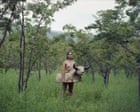
A woman with a bull costume exuding masculine energy: Marisol Mendez’s best photograph

Marisol Mendez, a Bolivian photographer based in Paris, describes the creation of her striking 2019 photograph featuring Marta Salinas, a theatre actor, holding a bull costume in a field. The image is part of Mendez's series "Madre," which explores womanhood and challenges traditional feminine depictions in Bolivia. Mendez explains that the bull costume, inspired by the Bolivian dance waka tokori, symbolizes masculinity, and the photograph aims to portray a woman comfortable with her masculine energy. The work was inspired by a dream and executed with the help of Mendez's mother, who scouted the location. Mendez is the winner of this year's Saltzman-Leibovitz prize, and her work is featured at Photo London.

"Gesundheitseffekt der Künste auf biologischer Ebene"

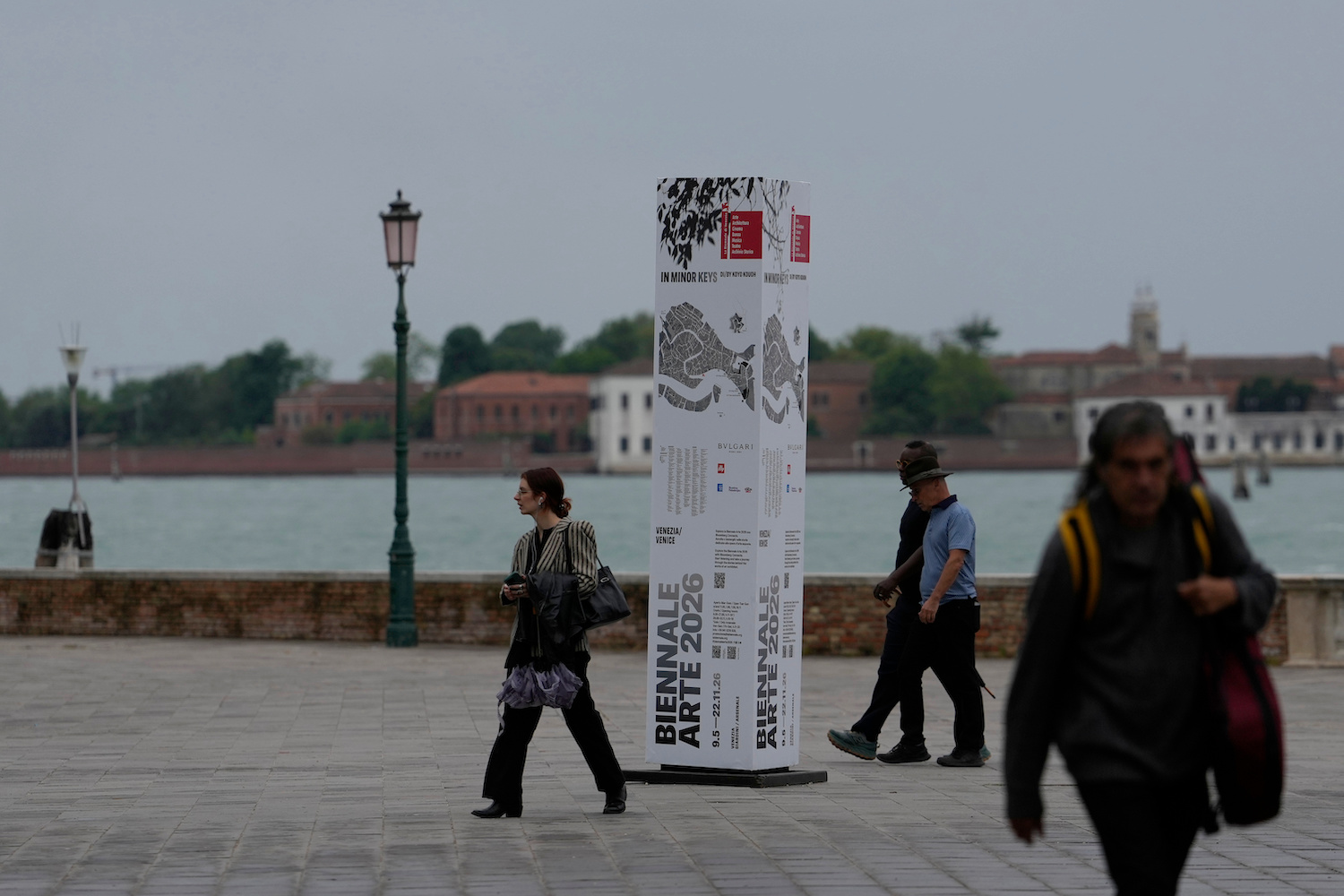
A roundup of art news covers multiple stories: Stefan Trinks criticizes Berlin's 'MuseumsMeileMitte' as a symptom of urban and cultural misdevelopment, where museums are co-opted by real estate marketing. At the Venice Biennale, the German Pavilion by Henrike Naumann and Sung Tieu explores East German identity and post-reunification trauma, while Patti Smith performed a 'sonic prayer' at the Vatican Pavilion curated by Hans Ulrich Obrist and Ben Vickers. A study from University College London suggests regular arts engagement may slow biological aging.

Where to go for the next scandal?

Wo bitte geht's zum nächsten Skandal?

The article reports on the 2024 Venice Biennale preview days, where the atmosphere is dominated by political protests, media stunts, and social-media pressure rather than the art itself. Incidents include a solidarity drone choir for Gaza, a Pussy Riot and FEMEN protest at the Russian Pavilion, and a planned demonstration near the Israeli Pavilion, all amplified by PR agencies and WhatsApp alerts. A journalist describes being pressured by editors to cover scandals and political controversies instead of art reviews, which they say no longer attract clicks.

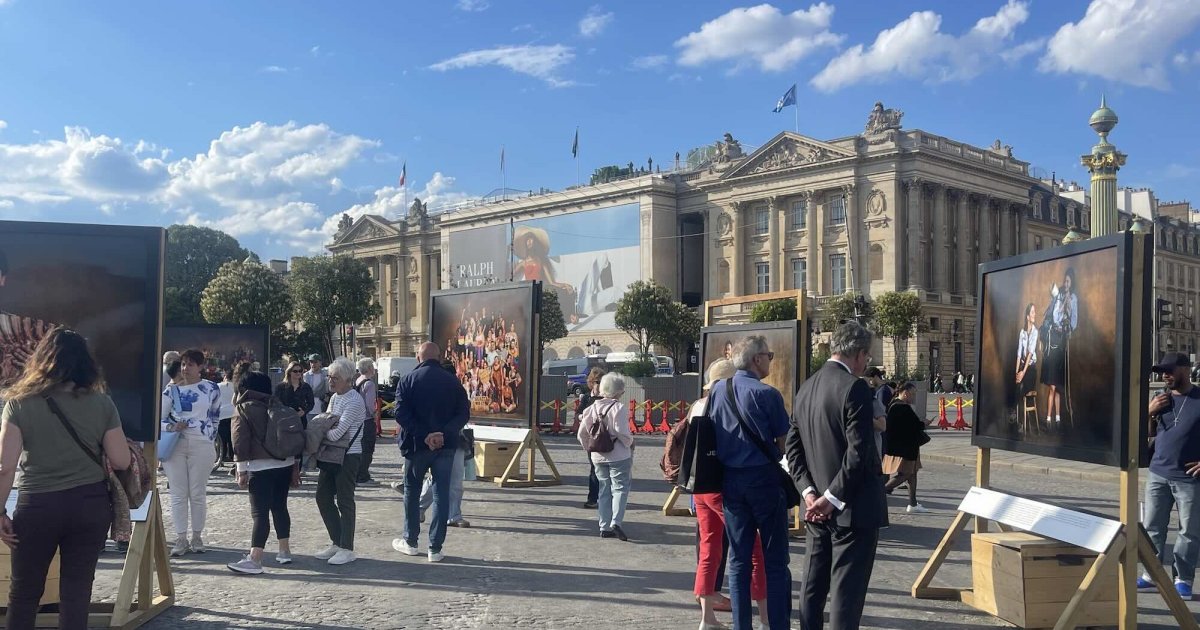
Double vandalism on the Place de la Concorde

Double vandalisme place de la Concorde

During the PSG Champions League semi-final victory celebrations last Wednesday, vandals destroyed an exhibition by Yann Arthus-Bertrand on the theme of 'Living Together' on the Place de la Concorde in Paris. The article describes this as a double vandalism: the physical destruction by rioters compounded what the author considers the original vandalism—the exhibition itself, which was supported by the French government, the Paris city hall, and several other entities.