filter_list Showing 14 results for "symbolism" close Clear
search
dashboard All 133 museum exhibitions 76article culture 14article news 13article local 9trending_up market 9rate_review review 5article policy 2gavel restitution 2candle obituary 2person people 1
date_range Range Today This Week This Month All
Subscribe

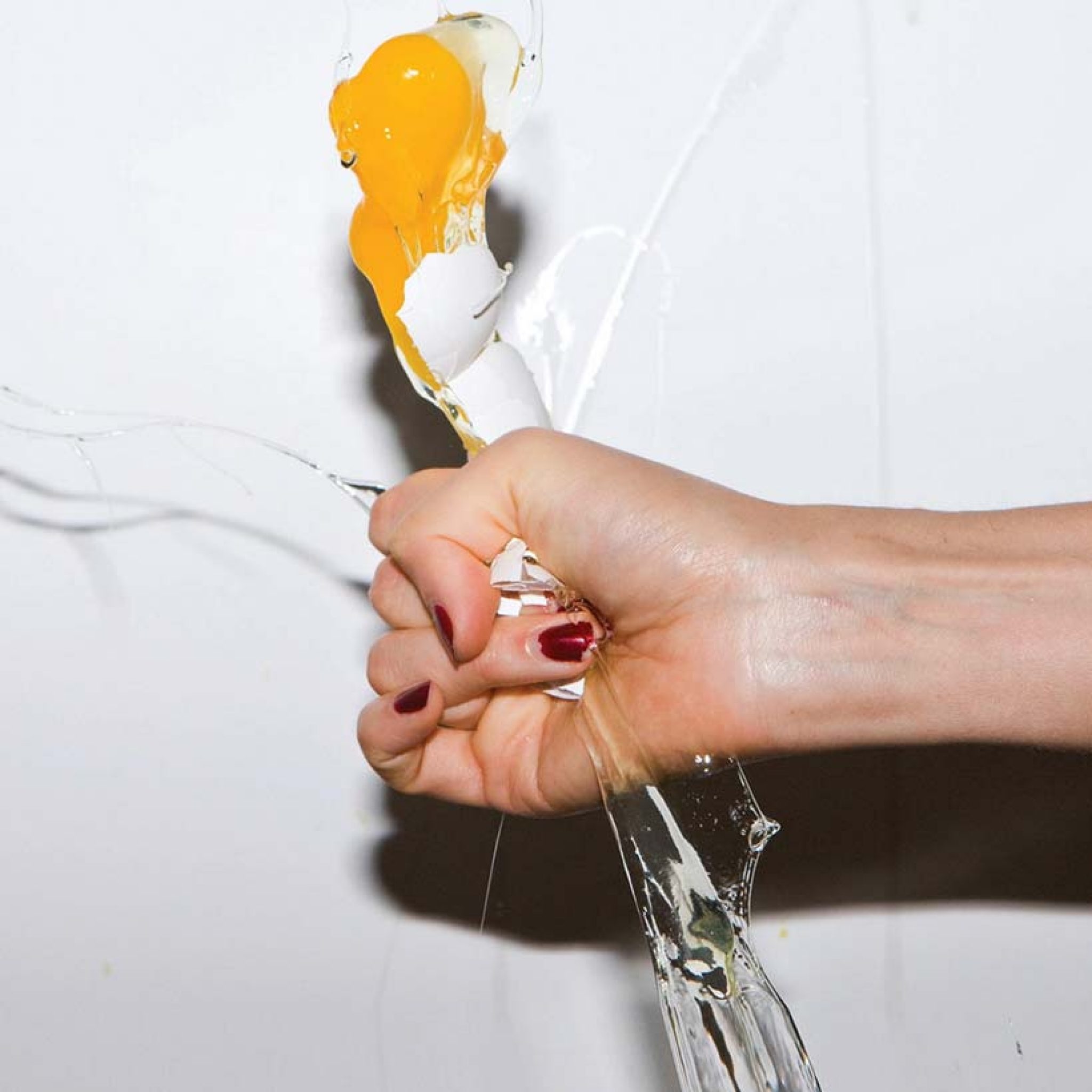
More Than Breakfast

Mehr als Frühstück

The article explores the enduring presence and symbolism of the egg as a motif throughout art history. It highlights works by artists from Hieronymus Bosch and Pieter Bruegel the Elder to Salvador Dalí and Constantin Brâncuși, showing how the egg has been used in painting, sculpture, and photography to represent themes of origin, life, and perfect form.

10 art historical deep dives

Artnet News published a roundup of 10 art historical deep dives from 2025, curated by an editor who expresses a deep passion for art history. The article highlights several featured stories, including the eccentric tale behind Carl Kahler's monumental cat painting "My Wife's Lovers" (1891), commissioned by Gilded Age patron Kate Birdsall Johnson; the record-breaking sale of Gustav Klimt's "Portrait of Elisabeth Lederer" for $236.4 million at Sotheby's New York, with its rich symbolism and Imperial Chinese motifs; the online resurgence of August Friedrich Schenck's obscure 19th-century painting "Anguish" (ca. 1878), popularized by TikTok; and the centenary of F. Scott Fitzgerald's "The Great Gatsby" with a deep dive into Francis Cugat's iconic cover art "Celestial Eyes" (1924).

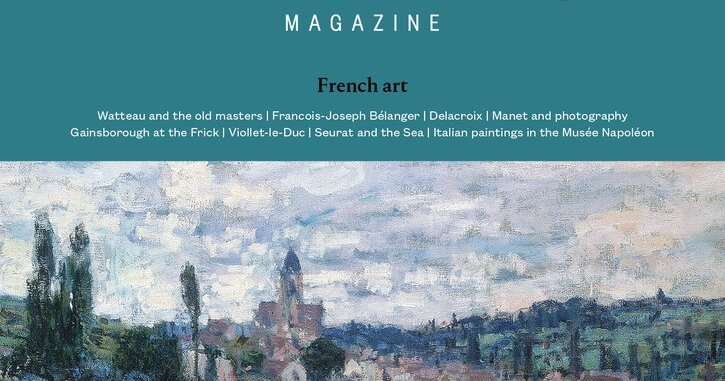
The Burlington Magazine - n°1478 vol CLXVIII - May 2026

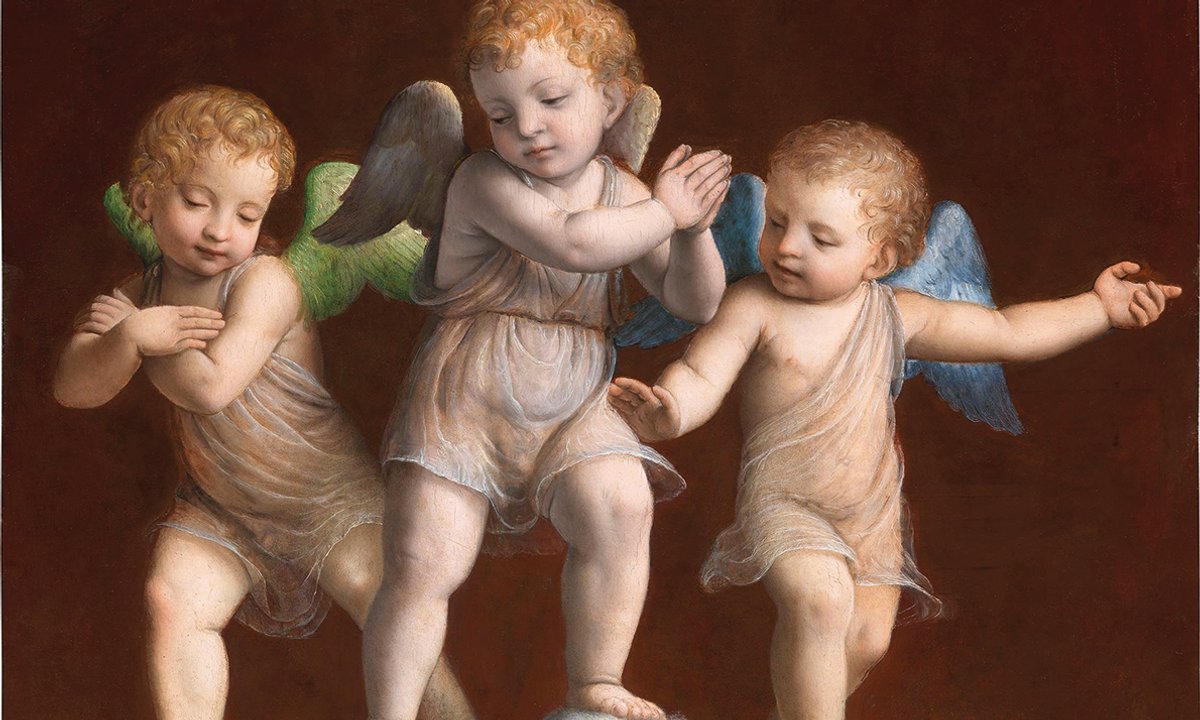
The May 2026 issue of The Burlington Magazine (n°1478, vol. CLXVIII) presents a rich array of scholarly articles, exhibition reviews, and book reviews covering European art from the medieval period to the 20th century. Highlights include Laure Boyer's study of two photographs of Victorine Meurent linked to Manet's 'Le Déjeuner sur l'herbe' and 'Olympia', Axel Moulinier's analysis of Watteau's copies after old masters, and Richard Thomson's essay on a century of Monet in print. Exhibition reviews cover shows on Monet's Étretat coast, Orazio Gentileschi, Cornelius Jonson van Ceulen, Gainsborough, Seurat, Italian Symbolism, and Iliazd. Book reviews range from medieval art and Pietro Bellotti to Helene Schjerfbeck, Roberto Matta, and contemporary jewelry at the Dallas Museum of Art.

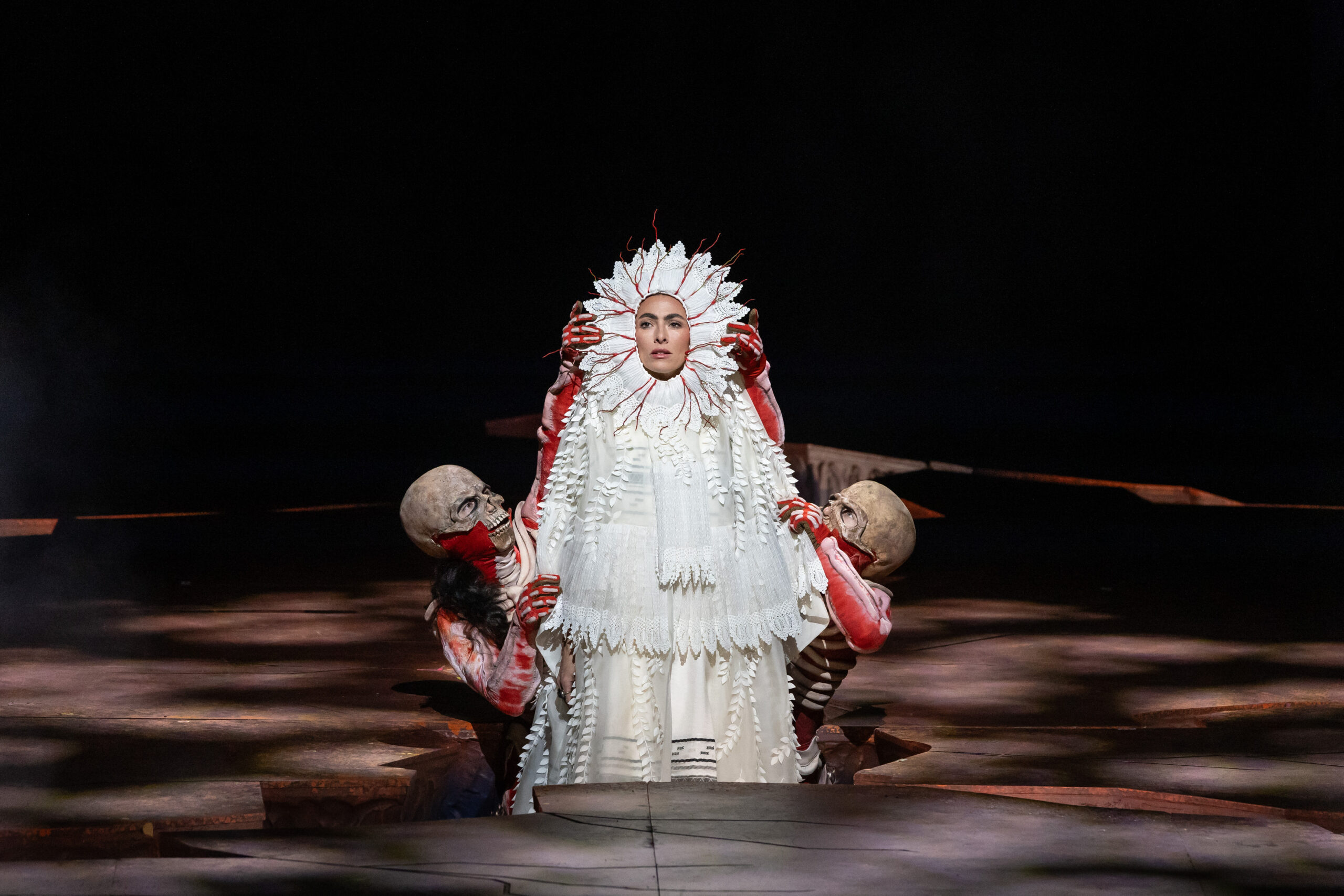
Why Did the Met Opera Decide to Exhume Frida Kahlo and Diego Rivera’s Marital Strife?

The Metropolitan Opera has staged Gabriela Lena Frank's first opera, *El Último Sueño de Frida y Diego*, which imagines a supernatural reunion between Frida Kahlo and Diego Rivera on Día de los Muertos. The production, conducted by Yannick Nézet-Séguin and starring Isabel Leonard and Carlos Álvarez, uses magical realism to explore the couple's turbulent relationship, though it largely sidelines their Communist activism and Kahlo's queer affairs in favor of a simplified reconciliation narrative.

GEORGE FEBRES: TRANSLATION, IRONY, AND LIBERATION. AN ECUADORIAN ARTIST IN THE DIASPORA

The article examines the life and work of George Febres (1943–1996), an Ecuadorian artist who spent most of his career in the United States, primarily in New Orleans. Febres’s practice blends Pop Art, Neo-Surrealism, and Southern US culture with his experiences as a migrant and queer subject, using bilingualism and ironic tropical imagery to create a hybrid, irreverent body of work. Despite his significance, no works by Febres exist in Ecuadorian public collections, and no major retrospective has been held in his home country, reflecting a broader erasure of queer narratives from national art history.

GEORGE FEBRES: TRADUCCIÓN, IRONÍA Y LIBERACIÓN. UN ARTISTA ECUATORIANO EN LA DIÁSPORA

George Febres (Guayaquil, 1943 – New Orleans, 1996) was an Ecuadorian artist whose work blended pop art, neo-surrealism, and Southern U.S. culture, shaped by his experience as a migrant and queer individual. The article traces his life from a privileged but unstable childhood in Ecuador to his migration to the United States, where he was drafted during the Vietnam War and eventually settled in New Orleans. Febres used bilingualism and ironic appropriation of tropical imagery to create a hybrid, irreverent body of work that challenges the official historiography of Ecuadorian art.

gustav klimt the kiss why so important

The article examines Gustav Klimt's iconic painting *The Kiss* (1907–1908) within the turbulent sociopolitical context of Vienna before World War I. It describes the city as a hotbed of ethnic tensions, anti-Semitism, and artistic ferment, where Klimt, alongside figures like Sigmund Freud and Gustav Mahler, explored repressed sexuality and decadence. The painting is presented as a symbol of this era, blending Symbolism, Japanese art, and Art Nouveau, and reflecting Klimt's role as a co-founder of the Vienna Secession, which broke with traditional aesthetics to pioneer modernism.

28 years later antony gormley angel of the north

The article examines the appearance of Antony Gormley's iconic 1998 sculpture *Angel of the North* in the zombie film *28 Years Later*. The Cor-Ten steel work, which towers 66 feet tall near Gateshead, appears in an overgrown field as a symbol of post-apocalyptic abandonment, reflecting the film's themes of failed quarantine and societal collapse. Director Danny Boyle and screenwriter Alex Garland use the sculpture to critique conservative British politics, with the film's ending making explicit reference to a British celebrity posthumously accused of rape.

What Remains of Democracy? The Answers of Contemporary Art

Che cosa resta della democrazia? Le risposte dell’arte contemporanea

The article is a cultural essay examining how contemporary art reflects and responds to the perceived global crisis of democracy. It argues that recent socio-political accelerations—including rising nationalism, wars, and unchecked capitalism—have eroded the substantive content of democracy, reducing public space to an extension of individual, screen-mediated identity.

Beyond the Needle: Chilean Artist Felipe Abel on Chiaroscuro, Symbolism, and the Evolution of Modern Tattooing

Chilean tattoo artist Felipe Abel (born Felipe Arriagada), who has a background in graphic design and a decade of experience in black-and-grey micro-realism, is preparing to join Noble Art Studio in Brooklyn. He is also developing a new series of oil paintings focused on mythology, theology, and esotericism, expected to debut in a formal exhibition around 2027. Abel, who has held guest spots in over 20 cities across 10 countries including studios like Sasha Tattooing in Paris and The White Whale in Milan, uses chiaroscuro and a recurring floating orb motif in his work, drawing influence from photographer Sebastião Salgado and painter Guillermo Lorca.

A short guide to the hidden meanings in great paintings

Former picture researcher Caroline Chapman has released a new book titled "Painted Mysteries: Interpreting Great Paintings," which decodes the hidden symbolism in over 135 historic artworks. The publication serves as a guide for modern viewers to understand the complex visual language used by masters such as Botticelli, Rembrandt, and Raphael, unravelling layers of meaning that have become elusive over time.

pantone color institute executive cloud dancer controversy

Pantone has selected “Cloud Dancer,” a shade of white, as its 2026 Color of the Year, sparking backlash on social media and in some media outlets. Critics have accused the company of “whitewashing” and being out of touch, particularly given the current political discourse and rollback of DEI programs. Some have also suggested the color signals wealth and elitism. Pantone’s executive director, Leatrice Eiseman, defended the choice in a statement, saying it was based on emotional and creative resonance, not politics or ideology, and that the color represents relaxation, reflection, and creativity.

the bestiary of cartier a wild history in jewels

Cartier's new High Jewelry collection, Nature Sauvage, explores animal vitality through bold abstraction and inventive form, moving away from literal depictions of fur or feathers. The collection includes pieces like the Koaga necklace, which distills a zebra into graphic onyx and diamond stripes. The article traces the history of Cartier's animal jewelry, beginning with the iconic Panthère motif introduced in 1949 by creative director Jeanne Toussaint, and highlights other historic pieces such as the Flamingo brooch (1940) and the Celestun Necklace. It notes that Cartier's big cats became status symbols for glamorous women from Hollywood and society, who would request bespoke designs from the Rue de la Paix boutique.

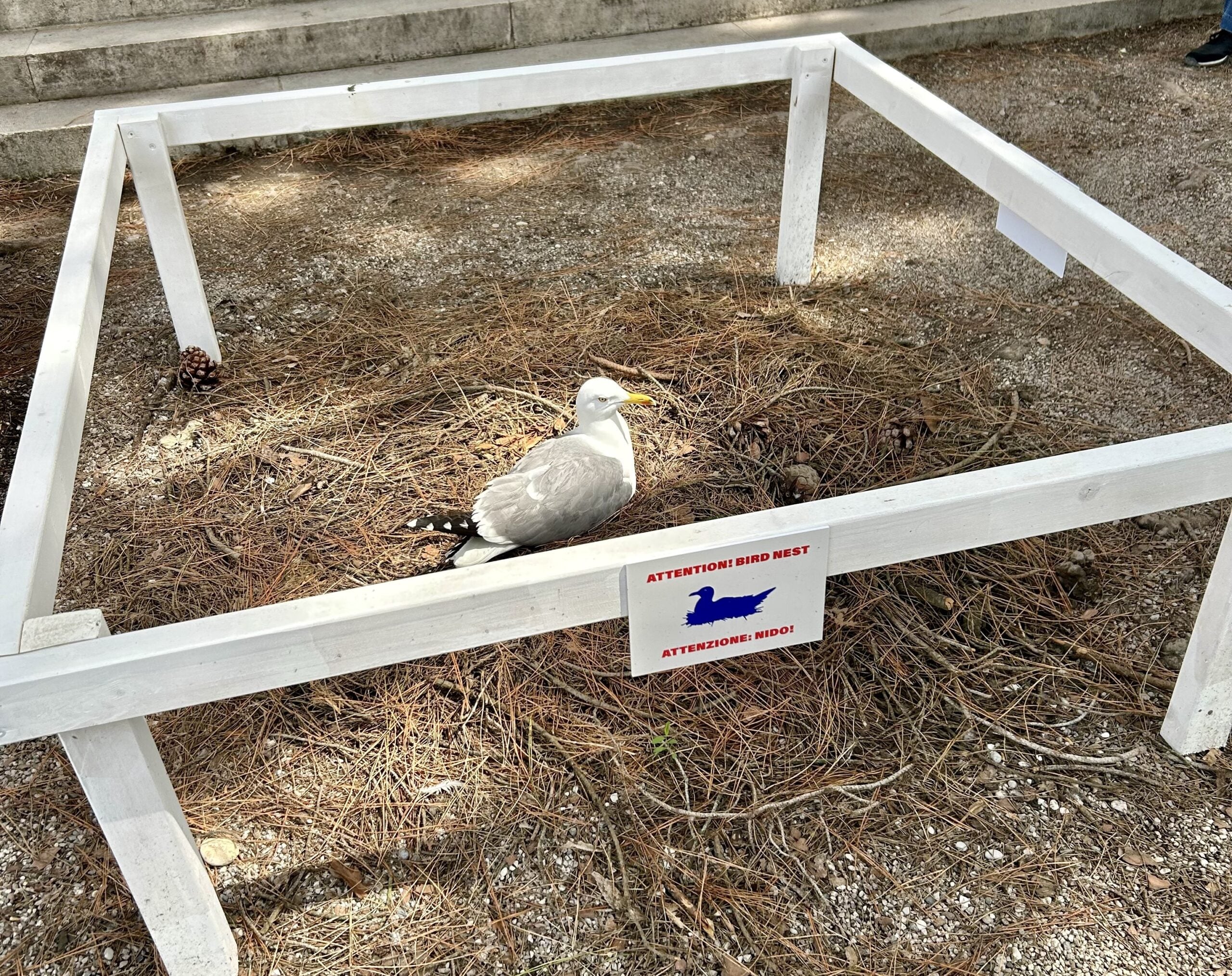
Il Padiglione della Natura alla Biennale di Venezia. Ovvero due gabbiani che mettono in crisi il patriarcato

At the 2026 Venice Biennale, two seagulls built a nest in front of the Polish Pavilion in the Giardini. Organizers chose to protect the nest with a small fence and a sign, turning it into an unofficial "Nature Pavilion." The birds share incubation duties equally, drawing large crowds who pause to watch their cooperative behavior amid the Biennale's intense geopolitical tensions, including protests against the Russian Pavilion, pro-Palestinian actions, and debates over Israel's cultural role.