
filter_list Showing 5 results for "united states" close Clear
search
dashboard All 187 museum exhibitions 116article news 24article local 16trending_up market 7gavel restitution 6article culture 5article policy 5rate_review review 5person people 2candle obituary 1
date_range Range Today This Week This Month All
Subscribe

Required Reading

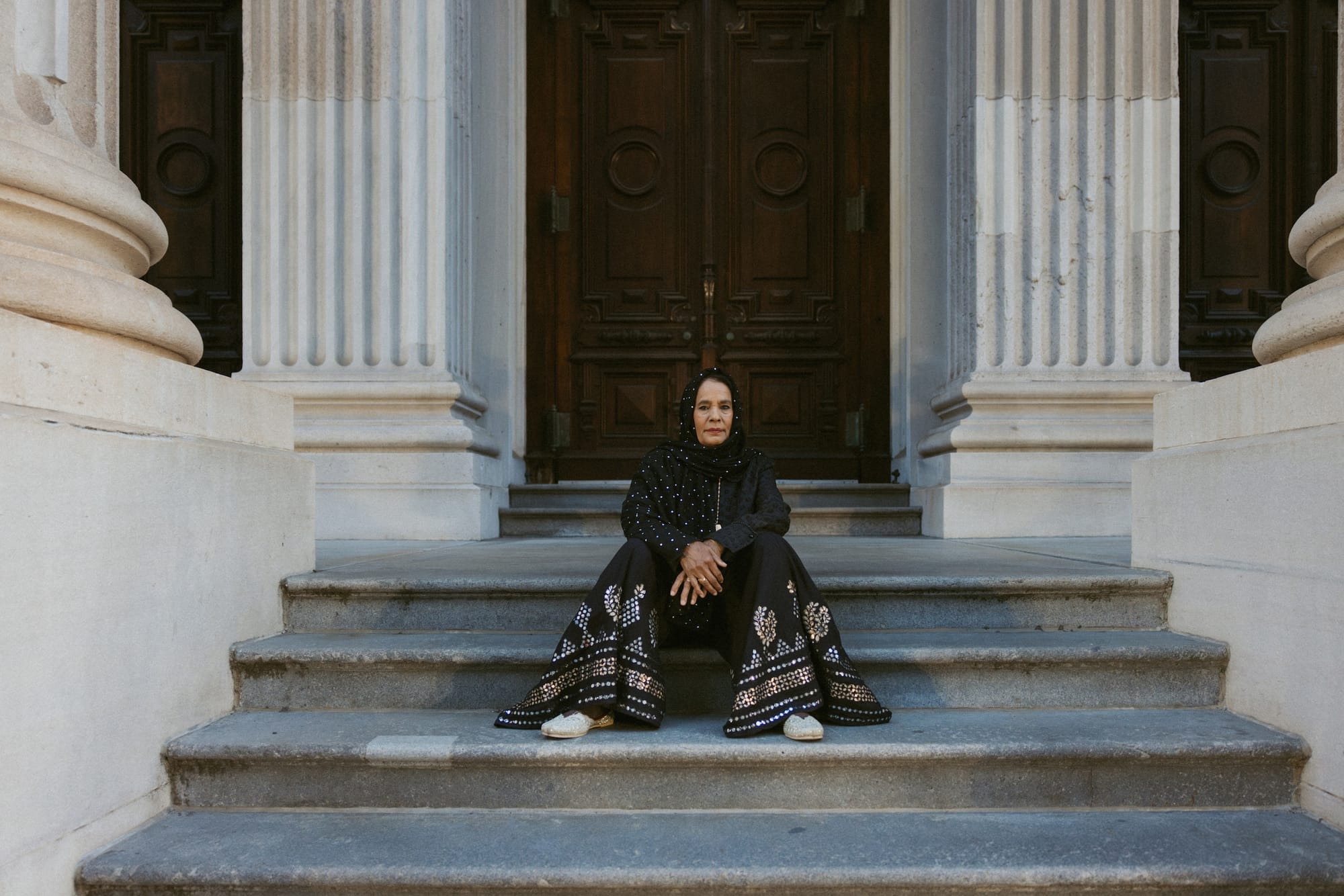
Pakistani-born, Brooklyn-based tailor and community leader Hafeez Raza was honored by Mayor Zohran Mamdani as one of six garment workers photographed by Kara McCurdy, highlighting the real faces behind the fashion industry. Meanwhile, the Los Angeles Times's Image Editor-in-Chief Elisa Wouk Almino recounts a peculiar correspondence with artist Sophie Calle, who orchestrated a fake but real exchange using pre-written texts. In other news, Ai Weiwei discusses his new exhibition in Italy, censorship in Europe, and the Venice Biennale in an interview with El País. Additionally, Jacci Gresham, the first professional Black tattoo artist in the United States, reflects on her career since 1976, including tattooing Klan members and innovating with brown paper for Black and Brown clients.

GEORGE FEBRES: TRANSLATION, IRONY, AND LIBERATION. AN ECUADORIAN ARTIST IN THE DIASPORA

The article examines the life and work of George Febres (1943–1996), an Ecuadorian artist who spent most of his career in the United States, primarily in New Orleans. Febres’s practice blends Pop Art, Neo-Surrealism, and Southern US culture with his experiences as a migrant and queer subject, using bilingualism and ironic tropical imagery to create a hybrid, irreverent body of work. Despite his significance, no works by Febres exist in Ecuadorian public collections, and no major retrospective has been held in his home country, reflecting a broader erasure of queer narratives from national art history.

GEORGE FEBRES: TRADUCCIÓN, IRONÍA Y LIBERACIÓN. UN ARTISTA ECUATORIANO EN LA DIÁSPORA

George Febres (Guayaquil, 1943 – New Orleans, 1996) was an Ecuadorian artist whose work blended pop art, neo-surrealism, and Southern U.S. culture, shaped by his experience as a migrant and queer individual. The article traces his life from a privileged but unstable childhood in Ecuador to his migration to the United States, where he was drafted during the Vietnam War and eventually settled in New Orleans. Febres used bilingualism and ironic appropriation of tropical imagery to create a hybrid, irreverent body of work that challenges the official historiography of Ecuadorian art.

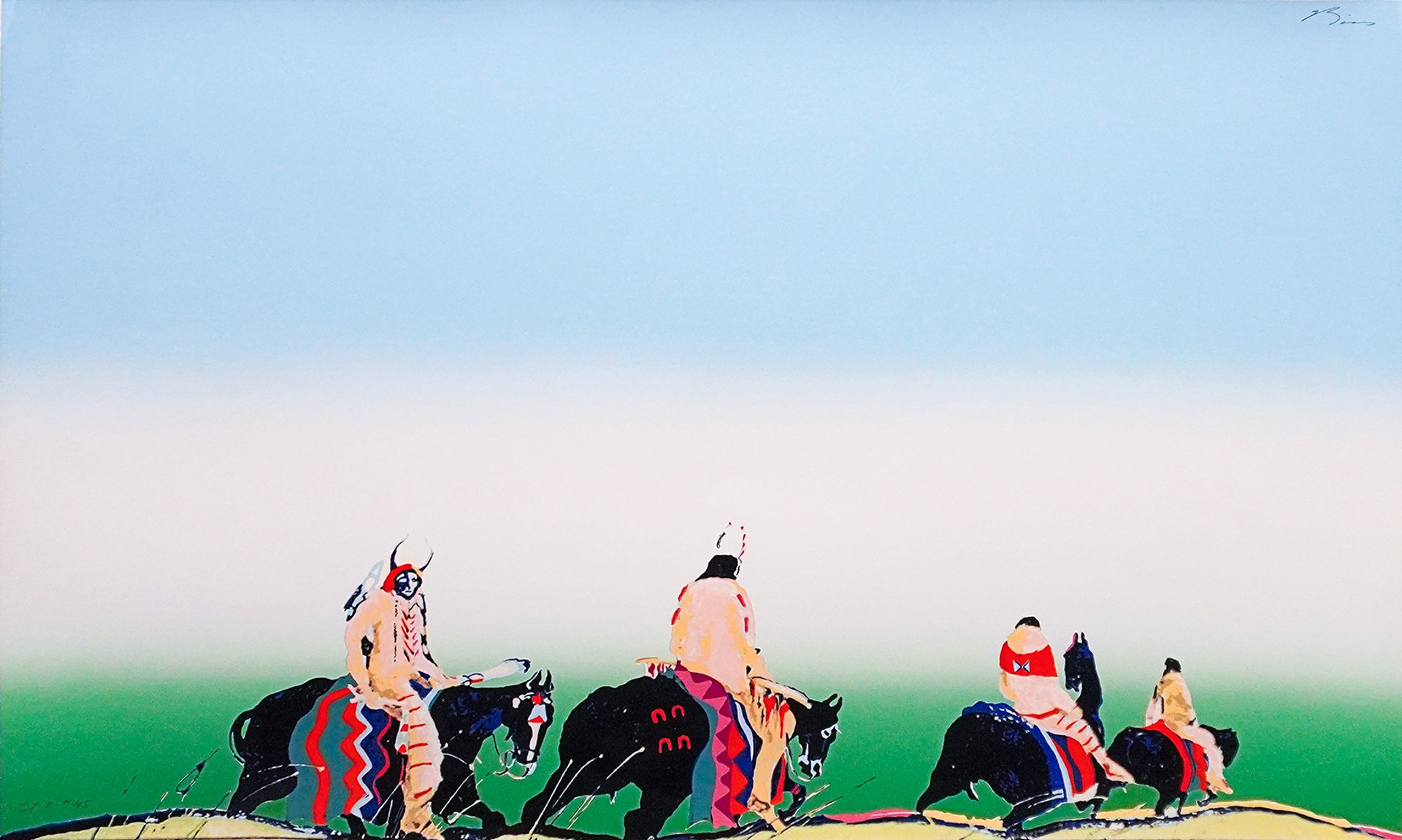
How Native American Artists Redefined Contemporary Art in the United States

A generation of Native American artists, emerging from the Institute of American Indian Arts (IAIA) in Santa Fe from the 1960s onward, reclaimed Indigenous representation in American art. Figures like Fritz Scholder, T.C. Cannon, Kevin Red Star, and Earl Biss used modernism, irony, and cultural specificity to dismantle colonial stereotypes of Native peoples as romanticized relics, instead portraying them as contemporary individuals with agency and living traditions.

'The Bean' Sculptor Kapoor Blasts America's 'Politics Of Hate' And 'Warmongering'

British-Indian sculptor Anish Kapoor, best known for Chicago's 'Cloud Gate' sculpture (commonly called 'The Bean'), publicly criticized American politics in a recent interview, denouncing what he described as a 'politics of hate' and 'warmongering.' Kapoor, whose monumental public artworks have become global icons, did not specify particular events but spoke broadly about the current political climate in the United States.