filter_list Showing 10 results for "utopia" close Clear
search
dashboard All 87 museum exhibitions 63article culture 10trending_up market 5article local 3article news 3rate_review review 2person people 1
date_range Range Today This Week This Month All
Subscribe

art nouveau renaissance mucha jugendstil paris metro

The article recounts the author's personal rediscovery of Art Nouveau, sparked by encountering an iron doorknob shaped like a Belgian endive at the Bröhan Museum in Berlin. It explores the movement's history, its German variant Jugendstil, and the philosophical debate between Walter Benjamin and Theodor Adorno over its merits—Benjamin criticizing it as a superficial escape from industrial reality, Adorno defending its utopian desire to reconcile art, nature, and technology. The piece also notes a contemporary resurgence of interest in the style.
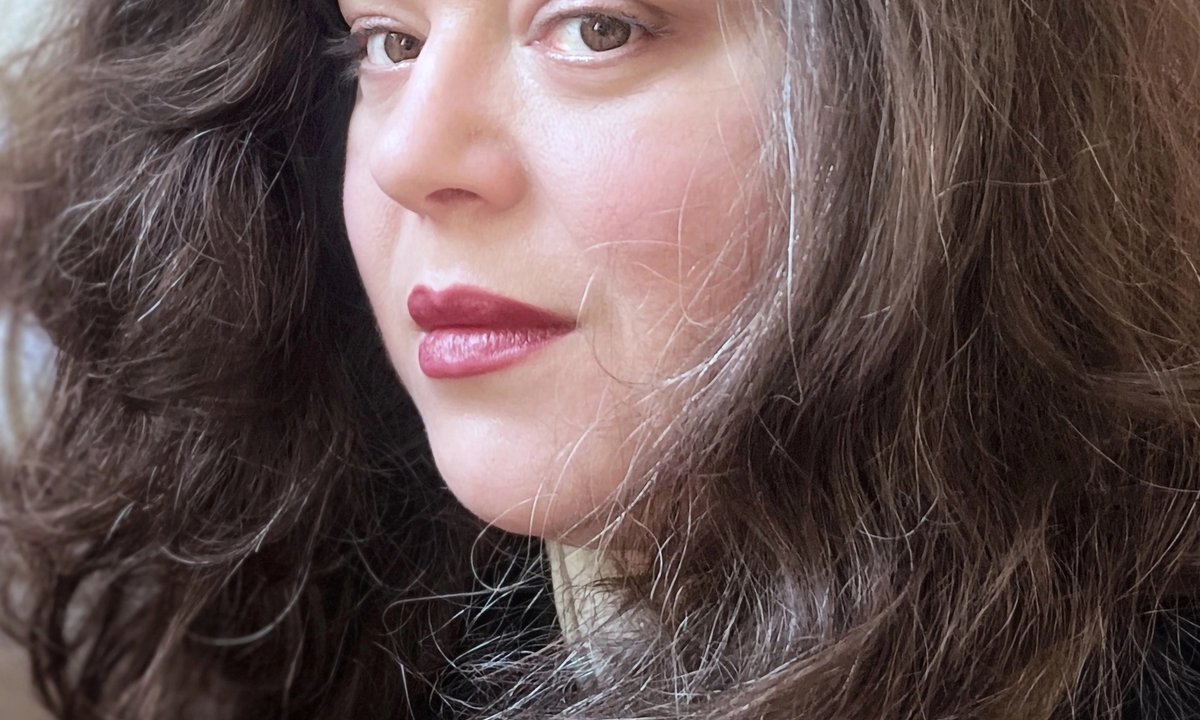
A brush with… Tai Shani—podcast

Tai Shani, a London-based artist born in 1976, is the subject of a podcast episode in the "A brush with…" series. She discusses her multidisciplinary practice, which draws on cultural forms, historical events, and theoretical ideas to create fantastical, utopian worlds infused with contemporary political and social themes. Shani reflects on the gendered nature of her mediums, the influence of works like John Everett Millais's *Ophelia* and Valie Export's exhibition at Camden Art Centre, and the revolutionary potential of art in an era of right-wing politics. The episode also covers her upcoming exhibitions: *The Spell or The Dream* at Somerset House (August–September 2025), *Gathering* in London (September–November 2025), a sculpture at Dulwich Picture Gallery's new sculpture park, and her High Line commission in New York, on view through March 2026.

barnett newman mayoral run new york city

A new biography titled *Barnett Newman: Here*, written by art historian Amy Newman, reveals that the Abstract Expressionist painter Barnett Newman ran for mayor of New York City in 1933—long before he became a famous artist. At age 28, with no paintings to his name, Newman campaigned on a vague, socialist-utopian platform that included a free city-run art school, waterfront parks, cleaner waters, and public ownership of utilities. He ran specifically to oppose the spread of Communism among intellectuals, but he admitted he did not expect to win. He lost, and his candidacy became a family joke.

Total Warfare. A Conversation with Luigi Alberto Cippini  by ANY

Architect Luigi Alberto Cippini, founder of Armature Globale, engages in a provocative dialogue with Michael Abel and Nile Greenberg regarding the stagnation of contemporary architecture. Cippini calls for a radical departure from traditional disciplinary boundaries, advocating for a "punk" approach that embraces low-resolution aesthetics, hyper-specialized research, and a rejection of the pedantic communication standards that currently dominate the field.

Introduction to the Dark Forest Theory of the Internet

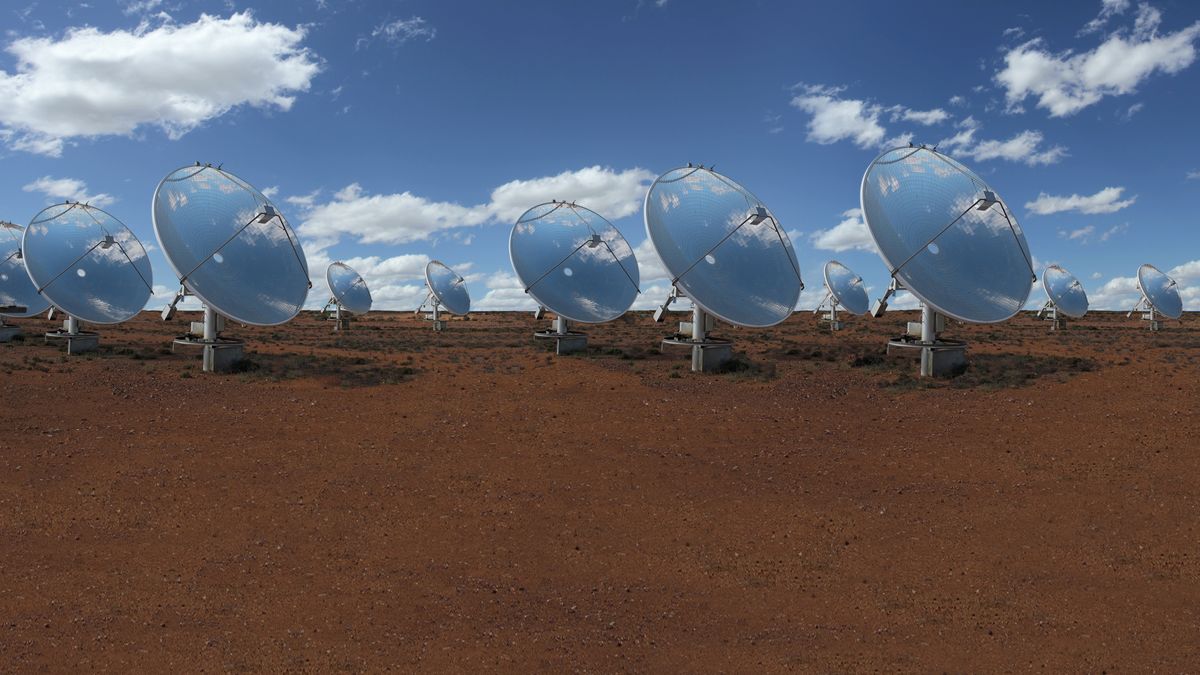
The article explores the conceptual origins of the internet, tracing its development to figures like Douglas Engelbart and Jacques Vallée, whose work blended computing with cosmic and paranormal inquiry. It argues that early internet pioneers were deeply influenced by ideas of remote viewing, extrasensory perception, and the search for extraterrestrial intelligence, framing the network as a project of cognitive augmentation and alien encounter.

An artist told the incredible story of a Calabrian village that no longer exists. The interview

Un artista ha raccontato l’incredibile storia di un borgo della Calabria che non c’è più. L’intervista

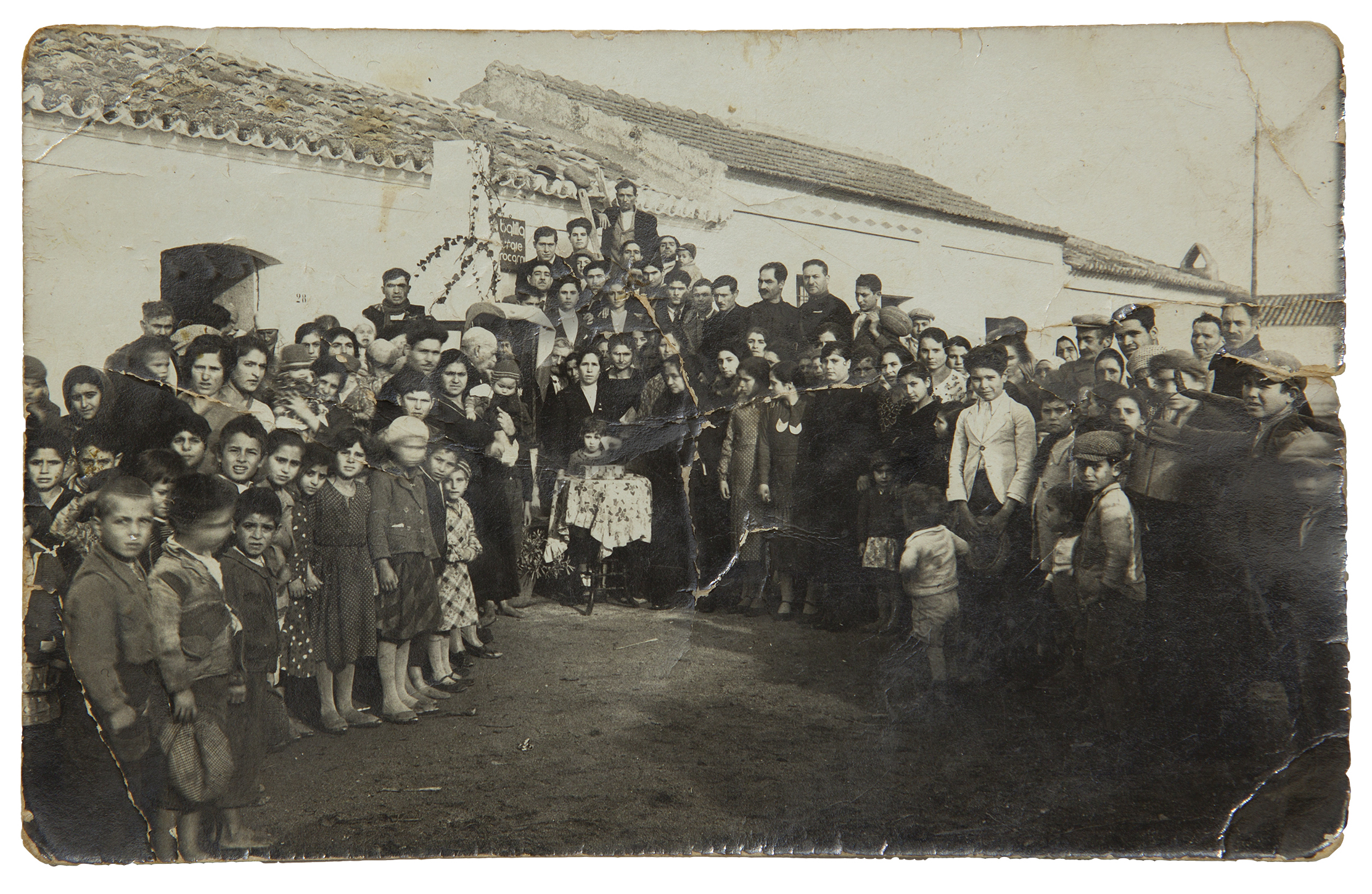
Italian artist Martin Errichiello has created [campanamuta], a six-part audio work broadcast on RAI Radio 3's Zazà program in late 2025 and now available on RaiPlay Sound. The piece tells the story of Eranova, a farming community founded in 1896 near Reggio Calabria that was destroyed by 1980 after the Christian Democratic party planned—but never built—a steel center on its land, now the site of the Port of Gioia Tauro. Errichiello weaves together interviews with former residents and his own original texts, using non-linear narration to explore the village's utopian origins and forced disappearance.

Reaching for the stars: enduring symbols of Soviet science – in pictures

Photographer Eric Lusito documents Soviet-era scientific institutes across former USSR states in his book "Soviet Scientific Institutes," published by FUEL. The photo essay captures decaying facilities and enduring equipment at locations including the Institute of Radio Astronomy in Kharkiv, Ukraine; the Byurakan astrophysical observatory in Armenia; the Andronikashvili Institute of Physics in Tbilisi, Georgia; and the Fesenkov Astrophysical Institute in Kazakhstan, among others.

Die Welt als Sound – mit Peter Licht

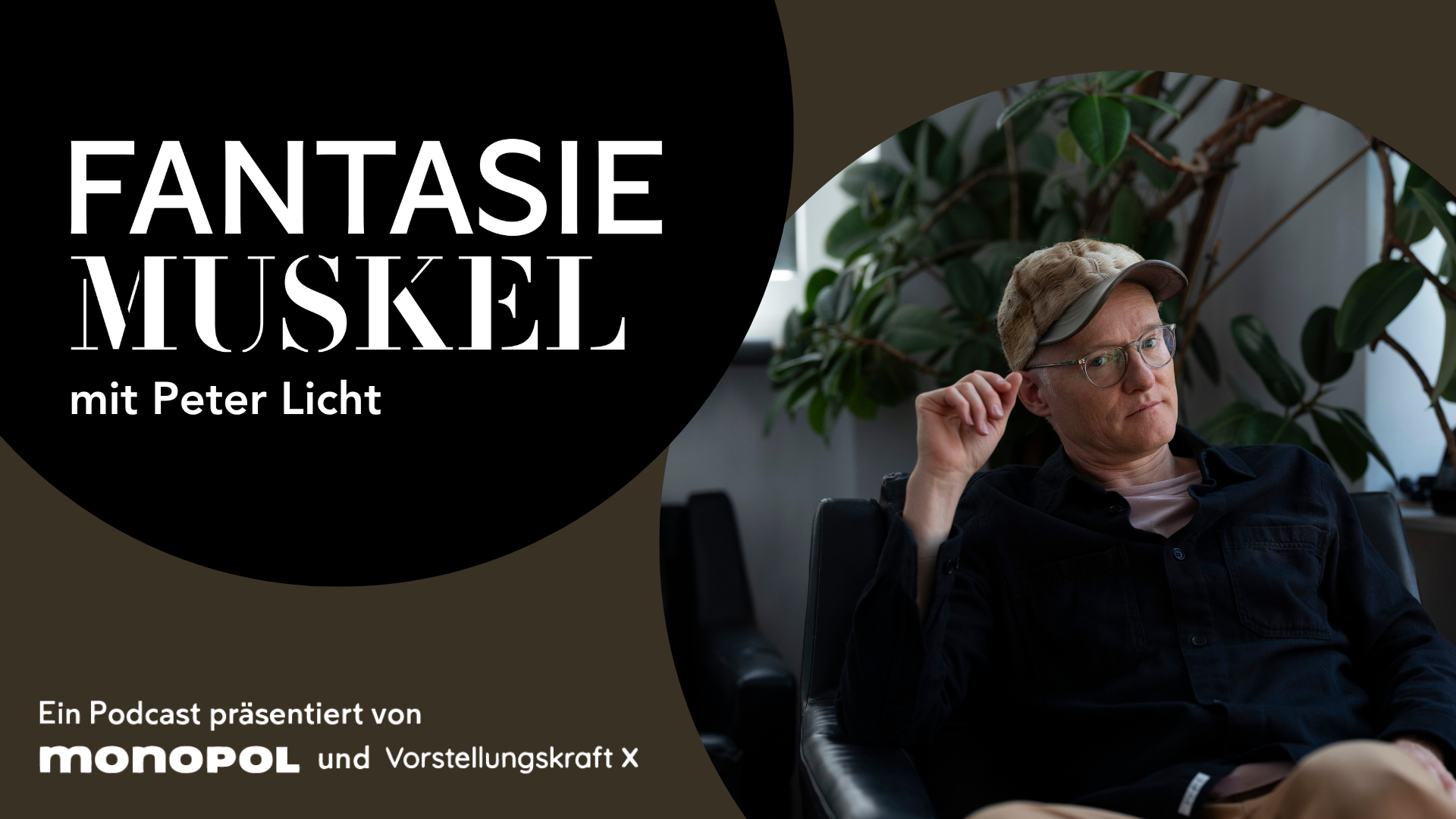
Peter Licht, a German musician, author, and playwright, appears as a guest on the 82nd episode of the "Fantasiemuskel" podcast, where he discusses his view of the world as a sound phenomenon. He reflects on his 2006 song "Lied vom Ende des Kapitalismus," which preceded the 2008 financial crisis, and explores how language, fear, and utopian moments manifest through sound in his work—whether in pop songs, theater pieces, or novels. Licht also describes a recent "problem-solving show" at Schauspiel Köln, where audience members submit problems that are collectively sung, turning singing into an act of resistance and community-building.

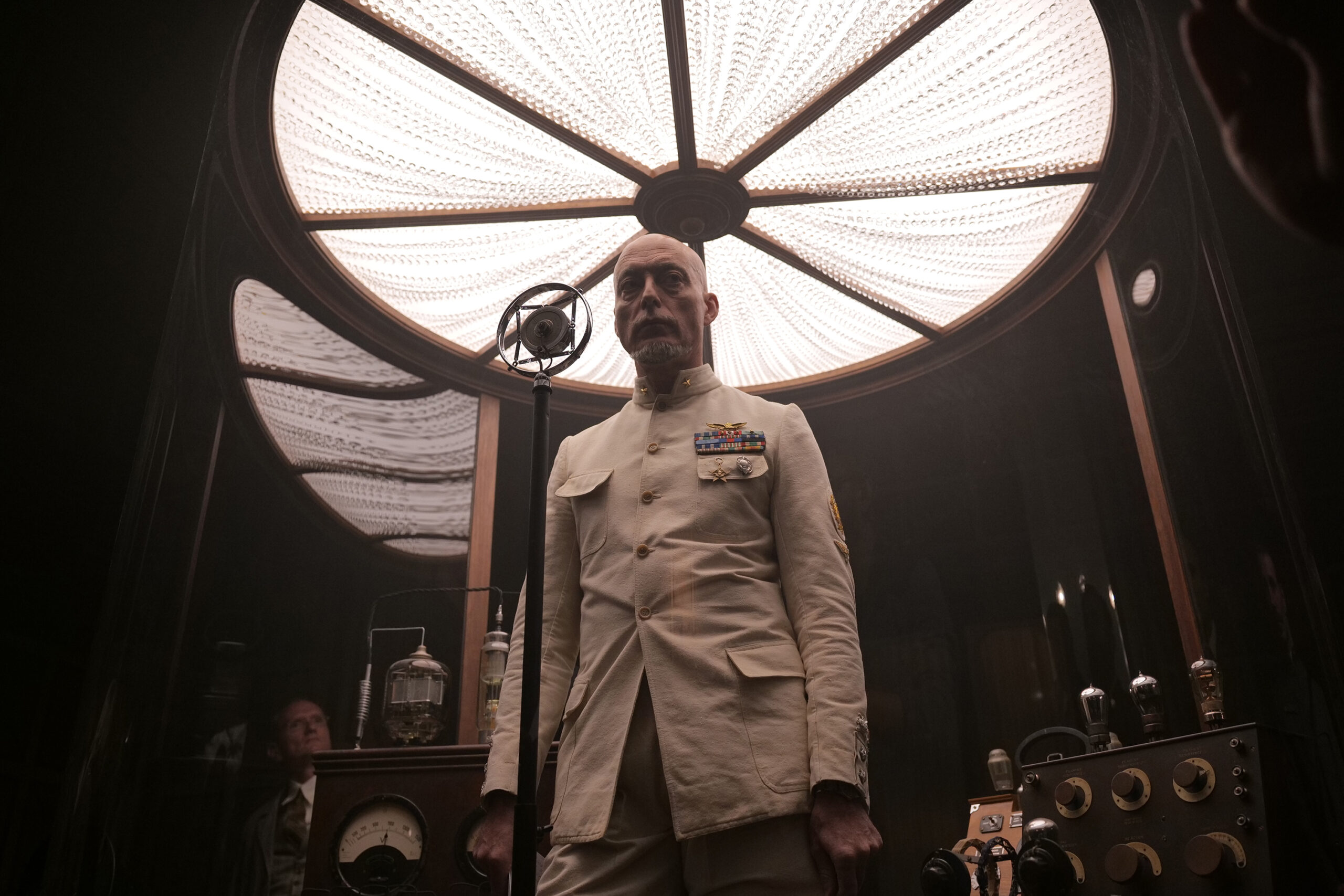
At the Feast of the Revolution: A Film to Tell the Story of Gabriele D’Annunzio’s Fiume Enterprise

Alla Festa della Rivoluzione. Un film per raccontare l’impresa a Fiume di Gabriele D’Annunzio

Director Arnaldo Catinari’s new film, *Alla Festa della Rivoluzione*, explores the 1919 occupation of Fiume led by the poet-soldier Gabriele D’Annunzio. Distributed by 01 Distribution and set for a mid-April release, the film depicts the city-state as a visionary laboratory where art served as a structural foundation and social hierarchies were temporarily dismantled. The narrative follows three fictional characters—a spy, a government official, and a deserter—whose lives intersect amidst the political and aesthetic fever of the D’Annunzio enterprise.

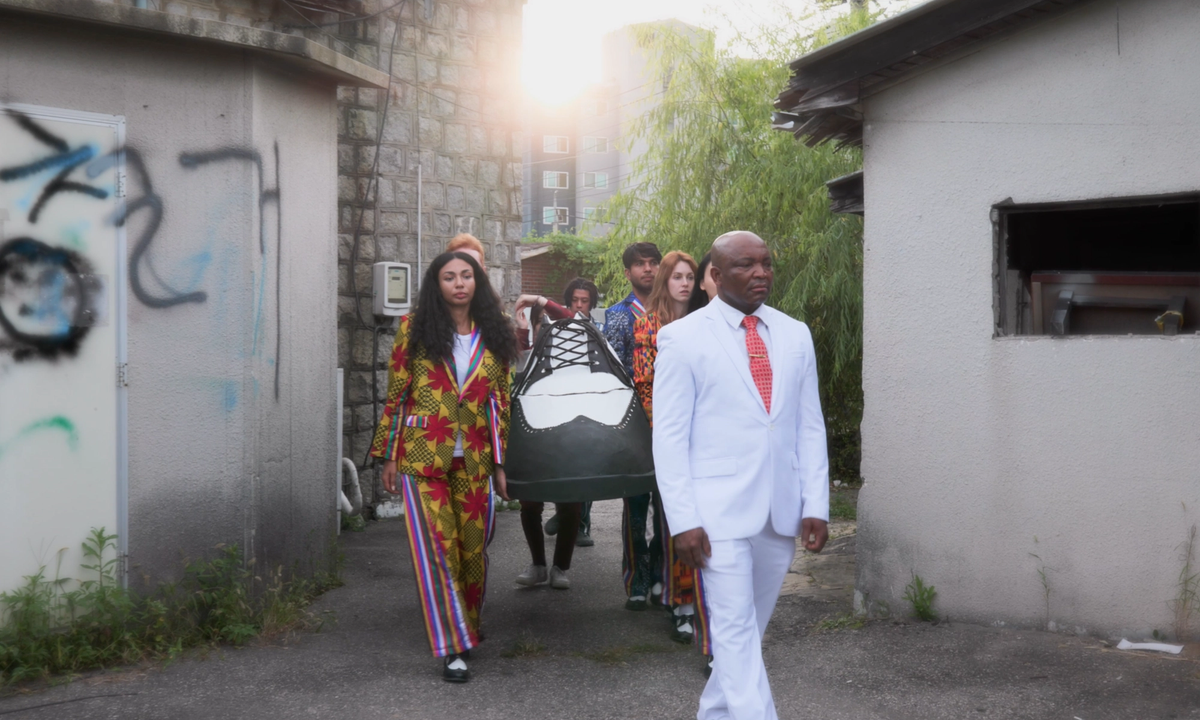
Che Onejoon: ‘The AfroAsia collective is now more important to me than my personal art’

Che Onejoon, a South Korean artist, has shifted his focus from documenting North Korea's Cold War-era monument-building in Africa to working directly with West African migrant communities in South Korea. His earlier projects, including the Mansudae Masterclass series and films like *Black Monument* (2017) and *My Utopia* (2018), explored the little-known history of North Korean-built statues and buildings across at least 20 African nations. More recently, he co-founded Space AfroAsia, the Afroasia Eco Museum, and the AfroAsia Artist Collective, and now lives and works in the Bosan-dong "Africa Town" near the Demilitarized Zone, creating multilingual music videos and even a K-pop girl group with a mixed Korean-African lineup.