filter_list Showing 10 results for "ARSENALE" close Clear
search
dashboard All 11 museum exhibitions 10article news 1
date_range Range Today This Week This Month All
Subscribe

Bruno Birmanis and Mareunrol’s on Representing Latvia at the 61st Venice Biennale

Bruno Birmanis and the artist duo Mareunrol’s (Mārite Mastiņa-Pēterkopa and Rolands Pēterkops) will represent Latvia at the 61st Venice Biennale in 2026, with their pavilion located in the Arsenale. Their project draws on memories of Latvia in the 1990s, particularly the avant-garde fashion event The Untamed Fashion Assembly (UFA), conceived by Birmanis, which took place two months after Latvia regained independence from the Soviet Union. The installation is not a nostalgic archive but a space of dialogue and reflection, using the visual codes of a fashion show backstage to explore themes of memory, freedom, and utopian intentions.
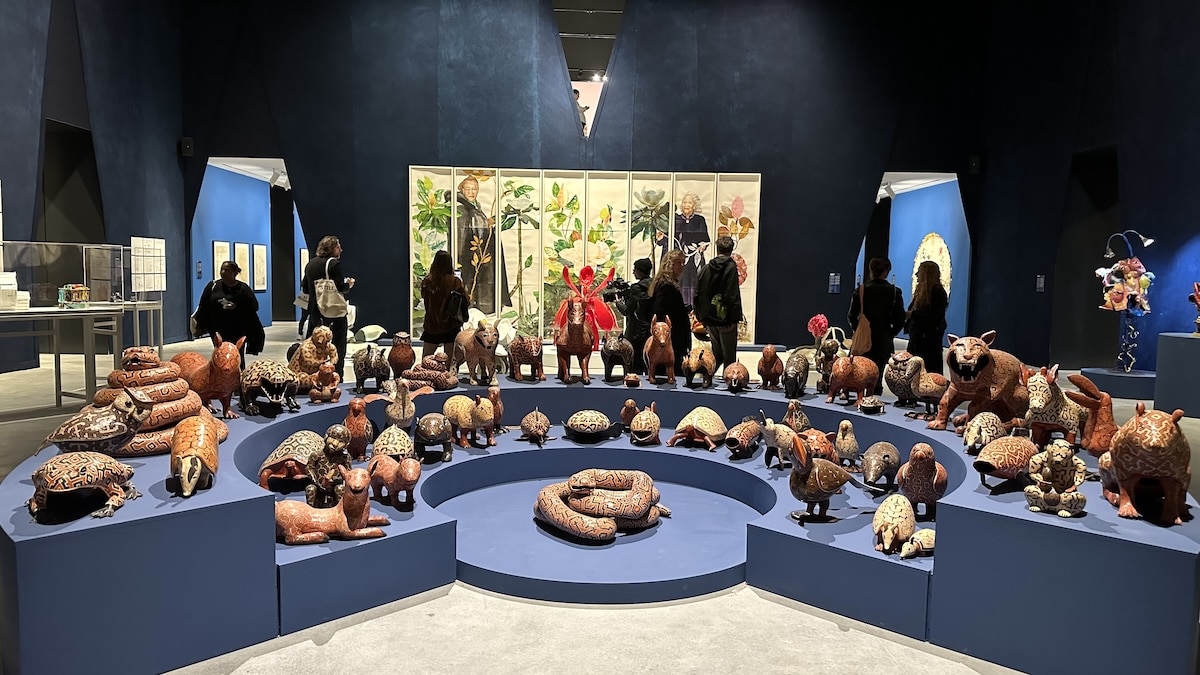
There Is No Separation. In Conversation with Alice Maher   by Frank Wasser

Alice Maher, one of several Irish artists at the 61st Venice Biennale, presents three works in the Arsenale as part of the group exhibition “In Minor Keys,” curated by the late Koyo Kouoh. Her presentation includes a reconstructed 1996 installation *Les Filles d’Ouranos*, a new series of drawings and sculptures titled “The Sibyls” (2025), and a collaborative textile piece *The Map* (2021) made with Rachel Fallon. In a conversation with Frank Wasser, Maher discusses the political conditions surrounding this year’s Biennale, including institutional resignations, debates over national representation, and the inclusion of the Israeli and Russian pavilions.

Chiara Camoni on Representing Italy at the 61st Venice Biennale

Chiara Camoni, the artist representing Italy at the 61st Venice Biennale, discusses her upcoming pavilion installation titled "Con te con tutto" in an interview with ArtReview. The single installation will fill the entire Italian Pavilion in the Arsenale, combining existing and new works that incorporate ceramic, stone, plant elements, industrial waste, plastics, and found objects. Camoni emphasizes the choral dimension of her practice, involving family, neighbors, friends, schools, and museum groups in the creative process, thereby expanding the concept of authorship. She notes that her project aligns with the Biennale's curatorial theme "In Minor Keys" by Koyo Kouoh, focusing on monumentality defined not by scale but by reiteration and presence.

In Minor Keys A Cacophony At 61st Venice Biennale – Miranda Carroll

The 61st Venice Biennale, titled 'In Minor Keys,' opened with a central exhibition curated by the late Koyo Kouoh, who died in 2025. The show features 110 artists and collectives, realized by a team of five curators known as 'la squadra di Koyo.' The exhibition spans the Giardini and Arsenale venues, with works including Otobong Nkanga's living facade installation, Theo Eshetu's dying olive tree, and Nick Cave's vibrant sculptures. Poems and quotes by Refaat al-Areer, Etel Adnan, Toni Morrison, and Ben Okri punctuate the spaces, encouraging visitors to pause and reflect.

India pavilion returns to the Venice Art Biennale 2026 with a bang after seven-year hiatus

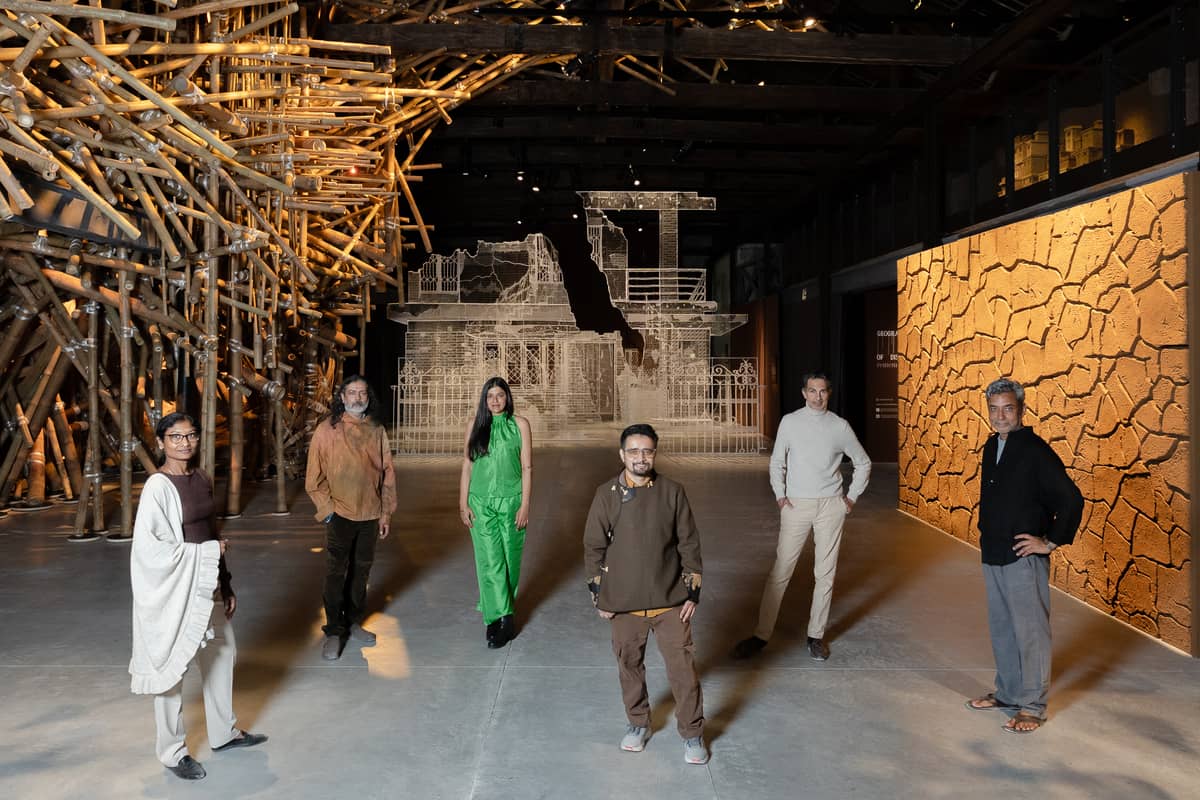
India has returned to the Venice Art Biennale with a national pavilion at the 61st International Art Exhibition, after a seven-year hiatus. The pavilion, titled "Geographies of Distance: Remembering Home," is presented by India's Ministry of Culture in partnership with the Nita Mukesh Ambani Cultural Centre and Serendipity Arts Foundation, curated by Amin Jaffer. It features five artists—Alwar Balasubramaniam, Sumakshi Singh, Ranjani Shettar, Skarma Sonam Tashi, and Asim Waqif—whose works explore themes of home, loss, displacement, and cultural memory through materials like soil, thread, bamboo, and clay.

Artist appointed, axed then reinstated from Venice Biennale triumphs

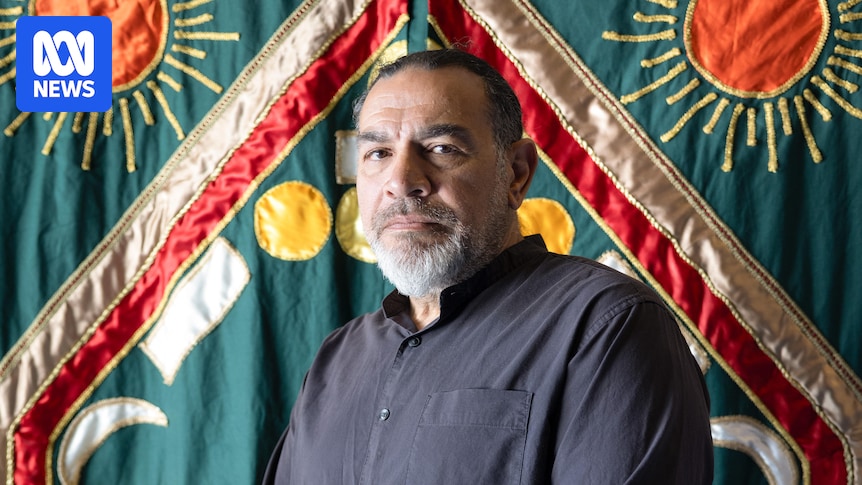
Khaled Sabsabi, a Lebanese Australian artist, presents his installation 'conference of one's self' at the Australia Pavilion of the Venice Biennale, alongside a second work 'khalil' in the main exhibition 'In Minor Keys' curated by Koyo Kouoh. His participation follows a tumultuous period in February 2025 when he was initially appointed to represent Australia, then controversially sacked by Creative Australia's board after a political dispute triggered by Senator Claire Chandler's comments, and later reinstated. Sabsabi is now one of only three artists in the Biennale's 131-year history to show in both a national pavilion and the main exhibition.

À la Biennale de Venise, le pavillon de l’Ouzbékistan fait revivre la mer d’Aral

The Uzbekistan Pavilion at the 61st Venice Biennale, curated around the figure of author Allayar Darmenov, brings together artists including Vyacheslav Akhunov, Zi Kakhramonova, A. A. Murakami, Zulfiya Spowart, and Nguyen Phuong Linh to explore the ecological disaster of the Aral Sea. Once the world's fourth-largest lake, it was drained by Soviet irrigation projects for cotton farming; the pavilion's installations—such as Kakhramonova's participatory salt-fish molding piece and Spowart's cradle-like sculpture—imaginatively revive the vanished sea and its endemic species.

Al Padiglione Emirati della Biennale di Venezia l’ascolto passa dall’architettura

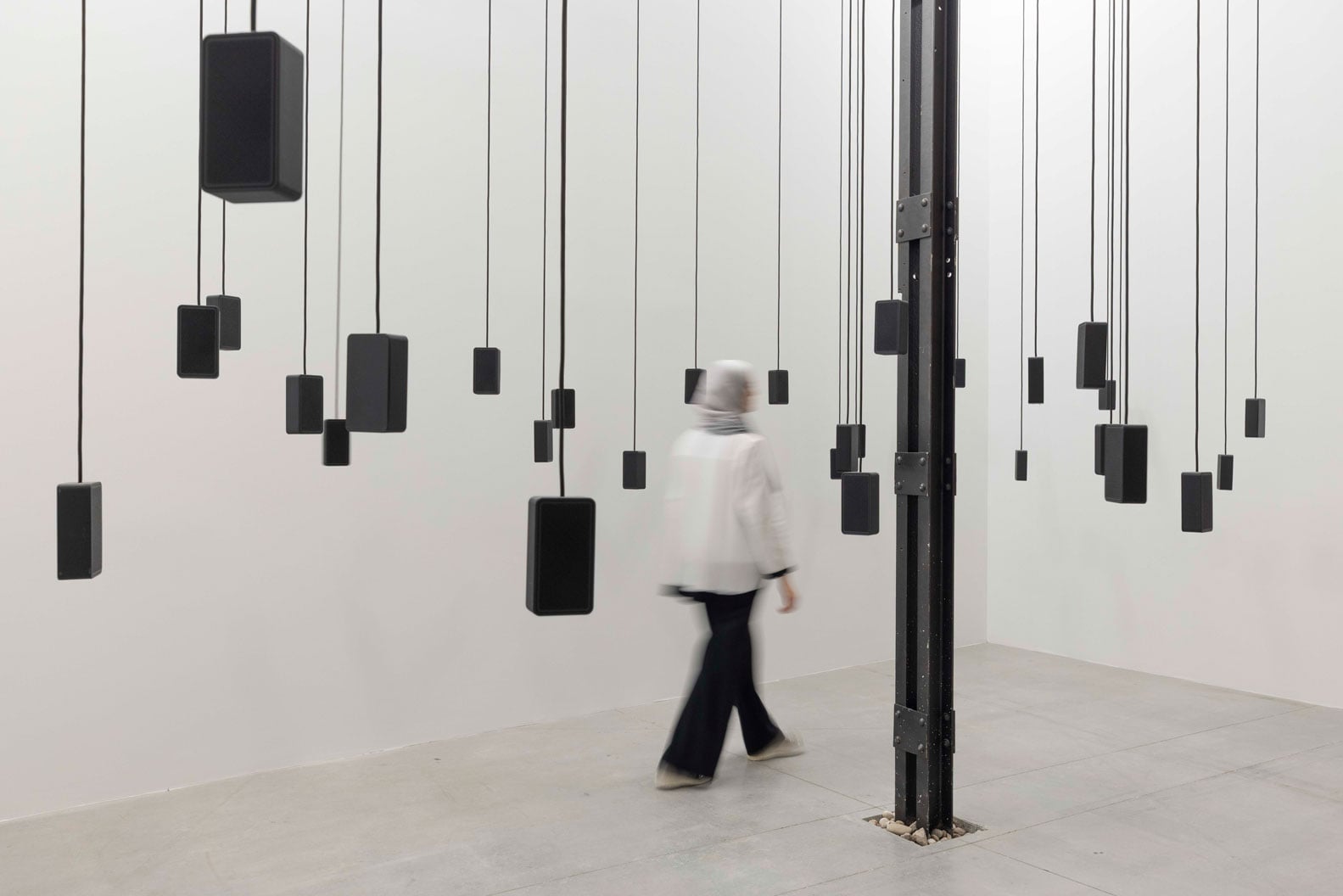
At the Venice Biennale, the UAE Pavilion at the Arsenale presents 'Washwasha,' a project curated by Bana Kattan that focuses on sound as an invisible infrastructure crossing cultures, memories, and identities. Featuring artists Tala Safié, Farah Al Qasimi, and Ala Younis, the pavilion eschews visual shock and political slogans for an immersive, auditory experience that prioritizes listening, proximity, and disorientation. Architect Koray Duman, who designed the space, explains in an interview that the pavilion is a deliberate counter to the contemporary culture of hyperstimulation and monetized attention, using architecture not as a container but as a system that organizes perception and emotional tension.

SPAIN ORIOL VILANOVA AND THE ABOLITION OF THE MUSEUM AND THE ARCHIVE

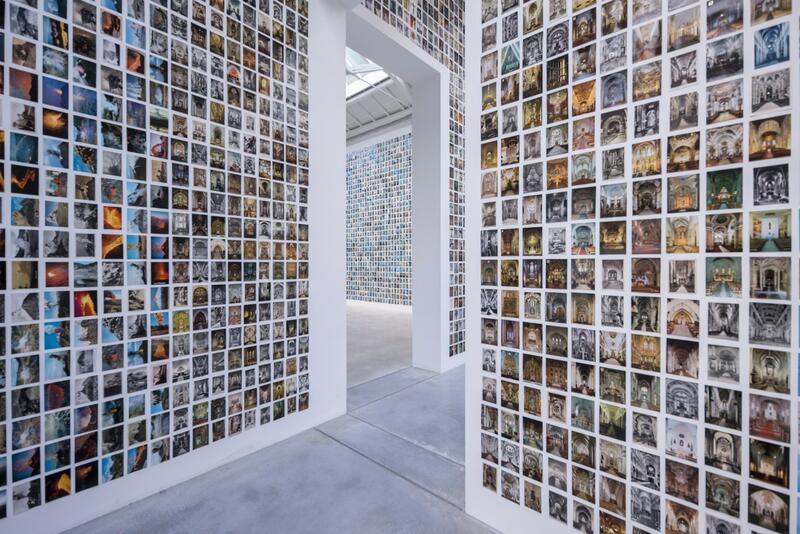
The Spanish Pavilion at the 61st Venice Biennale presents "Los restos," a project by Catalan artist Oriol Vilanova, curated by Carles Guerra. The installation transforms the pavilion into an anti-museum or pseudo-museum, featuring Vilanova's collection of postcards sourced from flea markets over more than twenty years. The work critiques traditional archival systems through accumulation, repetition, and fragmentation, and includes a publication and a performative action titled "El fantasma de la libertad" (2026), inspired by Luis Buñuel, which will take place across the Giardini and Arsenale.

Spain: Oriol Vilanova and the Abolition of the Museum and the Archive

ESPANA ORIOL VILANOVA Y LA ABOLICION DEL MUSEO Y EL ARCHIVO

The Spanish Pavilion at the 61st Venice Biennale presents "Los restos," a project by Catalan artist Oriol Vilanova, curated by Carles Guerra. The installation transforms the pavilion into an anti-museum or pseudo-museum, featuring over twenty years of postcards collected from flea markets, arranged in a wall-based accumulation that challenges linear narrative and archival hierarchy. The project also includes a publication and a performative action titled "El fantasma de la libertad" (2026), inspired by Luis Buñuel, which will take place across the Giardini and Arsenale through unannounced encounters.