filter_list Showing 5 results for "Basement" close Clear
search
dashboard All 5 museum exhibitions 5
date_range Range Today This Week This Month All
Subscribe

Independent Art Fair Trades Downtown for the World

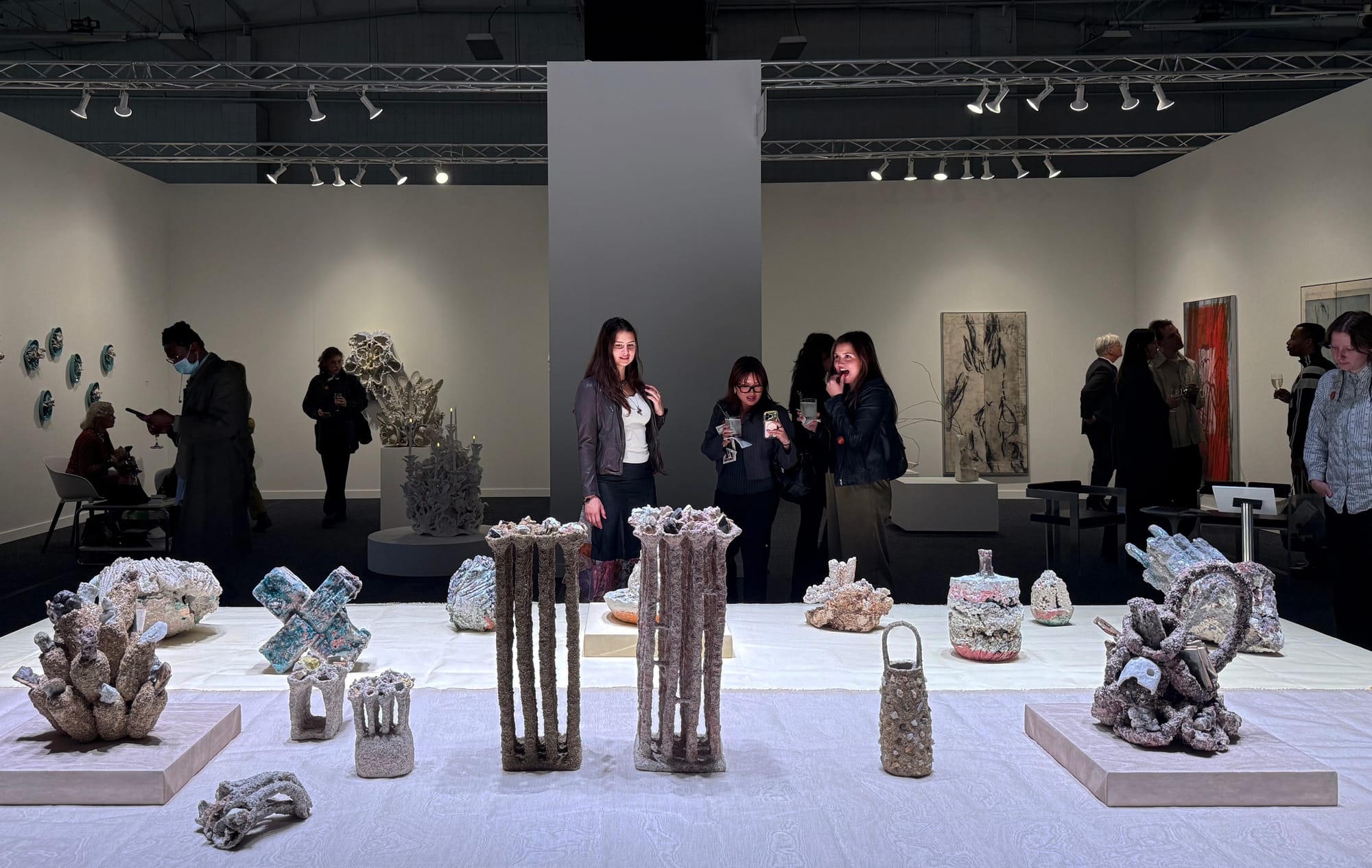
The Independent Art Fair has moved to Pier 36 on the Lower East Side waterfront for its 17th edition, running through May 17. The fair features 76 booths with a more spacious, warehouse-like layout, and a noticeably older, glossier crowd compared to previous years. Exhibitors include Los Angeles-based ATLA and Diane Rosenstein galleries, as well as international participants like Bogotá's SGR Gallery, showcasing solo presentations by artists such as Yoshikazu Tanaka, Kuniko Kinoto, and Johan Samboní. The fair has also announced partnerships with Sotheby's for its 20th-century edition and with the nonprofit Henry Street Settlement, signaling a tension between upscale ambitions and local community ties.
A Contemporary Art Haven Just a PATH Ride Away

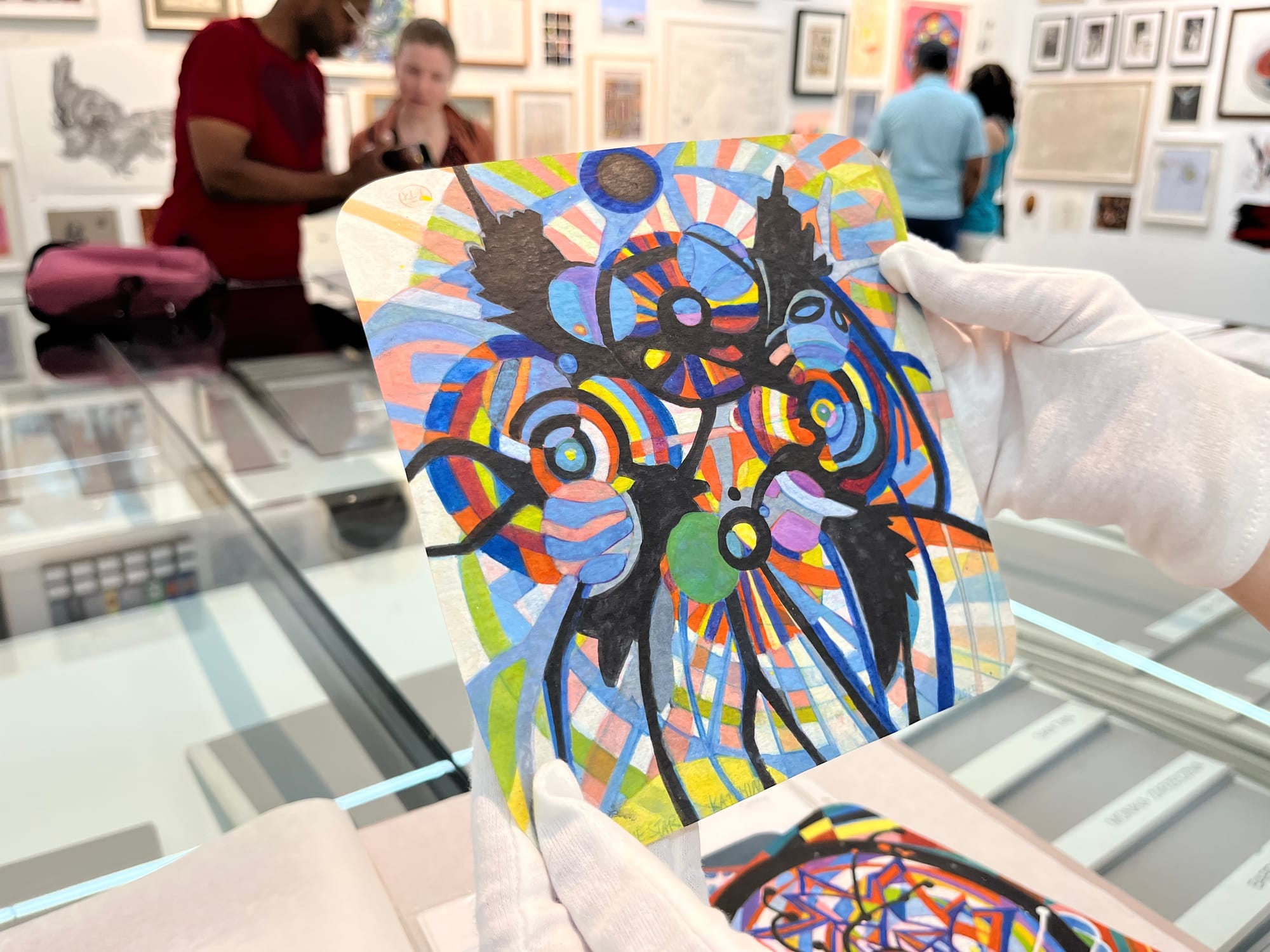
Luis Emilio Romero, a Jersey City native, moved from Bushwick to the Monira Foundation's residency at Mana Contemporary in Jersey City, where he now paints intricate, textile-influenced patterns in a calm basement studio. Mana Contemporary, a 2 million-square-foot former tobacco warehouse converted in 2011 by Moishe Mana, Eugene Lemay, and Yigal Ozeri, hosted its Spring Open Studios on May 17, with over one-third of its 300 artists participating—the largest turnout in years. The event featured installations by TLaloC, sculptures by John Chamberlain, and an exhibition of artist books, "Open Book(s): Observations," presented by Pierogi Gallery, Mana, and the Monira Foundation. Pierogi co-owners Joe Amrhein and Susan Swenson also brought their Flat Files containing nearly 4,000 works to Mana for six months to a year.

‘Entertainment is often violence shrouded in a fun disguise’: Marianna Simnett on being tickled for hours and having Botox injected into her throat

Marianna Simnett, a Croatian British multi-disciplinary artist, discusses her new exhibition 'Circus' at the Secession in Vienna, which features a light, sound, and sculpture installation in a pitch-black basement. The show includes works like 'Catherine Wheel' (2026), a blue spinning reflective skirt accompanied by the sound of the artist being tickled for four hours, and 'Fountain' (2026), a neon of a woman urinating referencing Balkan folklore. Simnett explores themes of violence, desire, pain, and power, often using her own body as a site of transformation, as in her earlier work 'The Needle and the Larynx' (2016) where she had Botox injected into her throat.

The Metropolitan Museum of Art Unveils Its Fashion Galleries, Highlighting Fashion’s Place in Museums

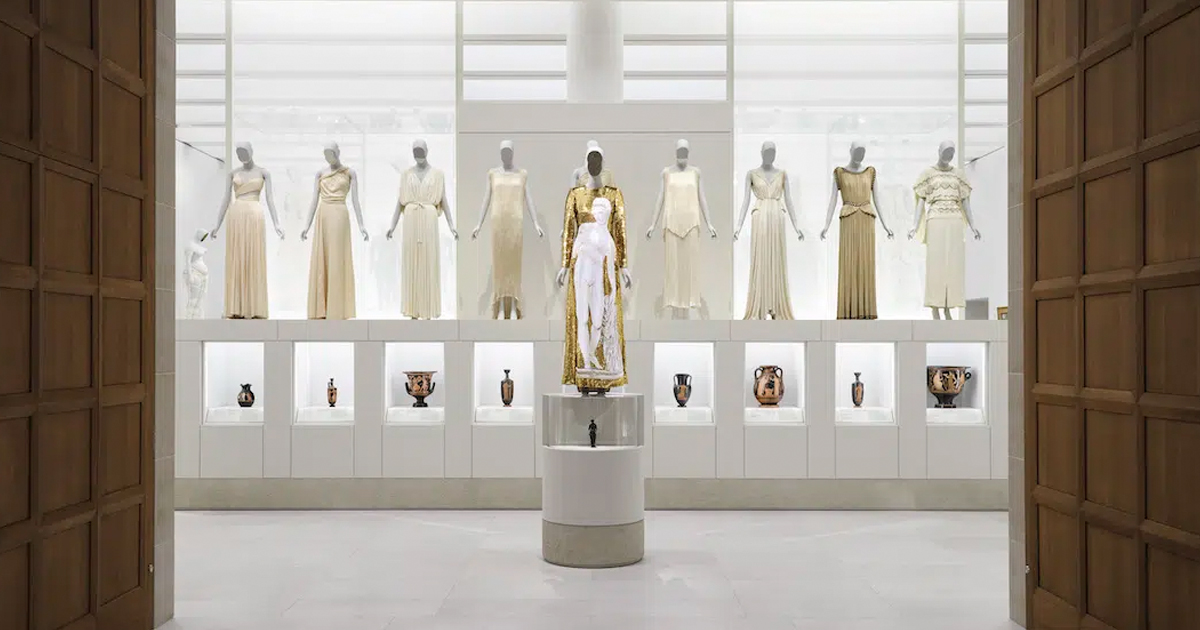
The Metropolitan Museum of Art has unveiled the new Condé M. Nast Galleries, a nearly 12,000-square-foot suite of exhibition spaces designed by Brooklyn-based architecture firm Peterson Rich Office. Located adjacent to the museum's Great Hall, the galleries relocate fashion exhibitions from a previously tucked-away basement space to one of the museum's most visible and architecturally significant locations. The new spaces debuted with "Costume Art," an exhibition organized by The Costume Institute and curated by Andrew Bolton, which places roughly 200 garments and accessories in dialogue with 200 artworks from the museum's collection, exploring themes such as "The Classical Body," "The Aging Body," and "The Disabled Body." The design, by architects Miriam Peterson and Nathan Rich, uses a restrained material palette of grey marmorino plaster and oak doors framed by limestone arches to create permanent-feeling yet flexible spaces that harmonize with the museum's historic Beaux-Arts architecture.

​Big visions for the Plains Art Museum: renovation, expansion and opportunities abound

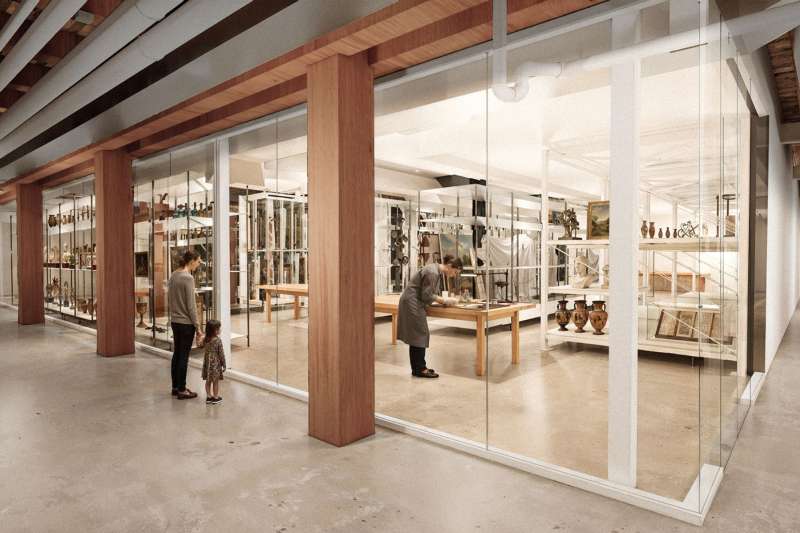
The Plains Art Museum in Fargo, North Dakota, is preparing to break ground on a major renovation and expansion of its permanent collection facility, working with architecture firms Olson Kundig and JLG. The project will create an open storage concept design, adding a fourth gallery and allowing public access to the museum's basement collection storage, where over 6,000 artworks are housed. This follows the museum's history of adaptive reuse, having transformed a 1904 International Harvester warehouse into its main building in 1997 and adding the Katherine Kilbourne Burgum Center for Creativity in 2012.