filter_list Showing 10 results for "Call Me the Breeze" close Clear
search
dashboard All 12 museum exhibitions 10article news 1rate_review review 1
date_range Range Today This Week This Month All
Subscribe

It’s the Most Controversial Venice Biennale in Years. Can the Art Stand Up to the Noise?

The 2026 Venice Biennale is embroiled in controversy, with the US Pavilion at the center of a political storm. The Trump administration's State Department overhauled the selection process, bypassing the usual NEA panel and commissioning a nonprofit, the American Arts Conservancy, to organize the pavilion. Artist Alma Allen, who accepted the invitation despite threats from galleries and curators, presents a show that critics find politically muted. The Biennale's jury resigned days before the opening, and annual prizes were canceled, adding to the turmoil.
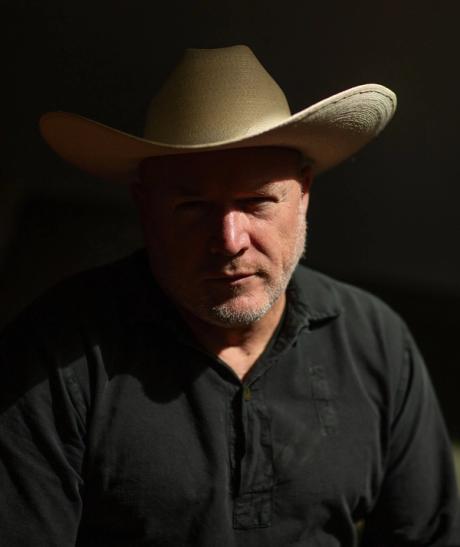
The US pavilion's curator on the controversial choice of Alma Allen for the Venice Biennale

The US pavilion at the Venice Biennale has selected Alma Allen, a Utah-born, Mexico-based sculptor, as its representative artist—a controversial and surprising choice given his relative obscurity compared to past pavilion artists. The selection process was unusually fraught: the first artist chosen was dropped before official announcement, and the announcement was delayed by the US government shutdown. The pavilion's curator, Jeffrey Uslip, discusses the exhibition titled "Call Me the Breeze," which will feature Allen's sculptures in stone, bronze, and wood that appear to defy their own weight, emphasizing artistic autonomy despite the State Department's framing of the choice as showcasing "American excellence."

Alma Allen Offers a Quiet Vision in Venice—Even as Questions Swirl the U.S. Pavilion

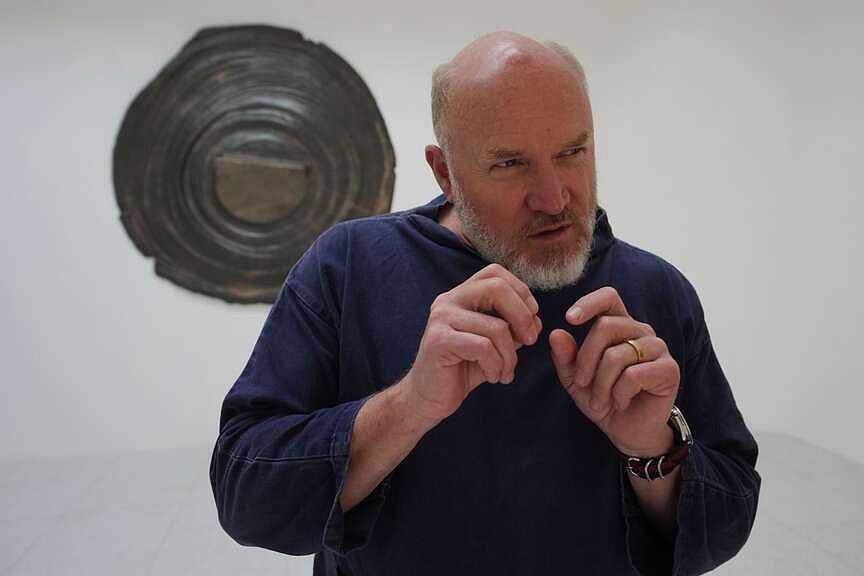
Alma Allen's exhibition "Call Me the Breeze" has opened at the U.S. Pavilion for the 61st Venice Biennale. The Utah-born sculptor presents a pared-down, whimsical show that contrasts with the bombastic work of his predecessors, grouping new and old pieces to explore themes of conflict, mourning, and transcendence inspired by Hieronymus Bosch's *Visions of the Afterlife*. The exhibition was produced hurriedly over a few months, and Allen, who typically leaves his works untitled, felt compelled to explain his art for the first time in 30 years amid controversy surrounding his commission.

Venice Biennale: A Silent US Pavilion

Biennale de Venise : un Pavillon US silencieux

The US Pavilion at the 2026 Venice Biennale, featuring artist Alma Allen, opened to sparse crowds despite a 10% overall attendance increase at the Biennale. The pavilion was embroiled in controversy before opening: Allen was selected by the American Arts Conservancy (AAC), a private entity created in 2025 at the initiative of Donald Trump after the dissolution of the federal committee that previously oversaw the pavilion. AAC head Jenni Parido, a former pet food executive, chose the self-taught, little-known artist who had never had a solo museum exhibition. Major funders the Ford and Mellon Foundations withdrew, forcing the AAC to launch a public donation appeal. The exhibition features 25 abstract bronze, stone, and burl-wood sculptures that the artist describes as biomorphic landscapes, but critics find them pleasant yet silent, lacking the promised political or visceral resonance.

Venice Biennale 2026: What are the major trends that will mark the 99 national pavilions?

Biennale de Venise 2026 : quelles sont les grandes tendances qui vont marquer les 99 pavillons nationaux ?

The article previews the 2026 Venice Biennale, highlighting key trends across its 99 national pavilions. Major themes include the hybridization of theater, dance, and performance, particularly in pavilions from Austria, Luxembourg, Belgium, and Lithuania, where artists like Florentina Holzinger, Aline Bouvy, Miet Warlop, and Eglė Budvytytė use radical, body-centric works. Geopolitical engagement is also central, with the Ukrainian pavilion featuring Zhanna Kadyrova's work on resistance and the British pavilion exploring themes of exile and migration. Other notable pavilions include Spain's focus on imagery, a sound installation for the Vatican, a polyphonic piece for Romania, and a film on sign language song for Poland.

An outsider artist takes the world's biggest stage with the US Pavilion at the Venice Biennale

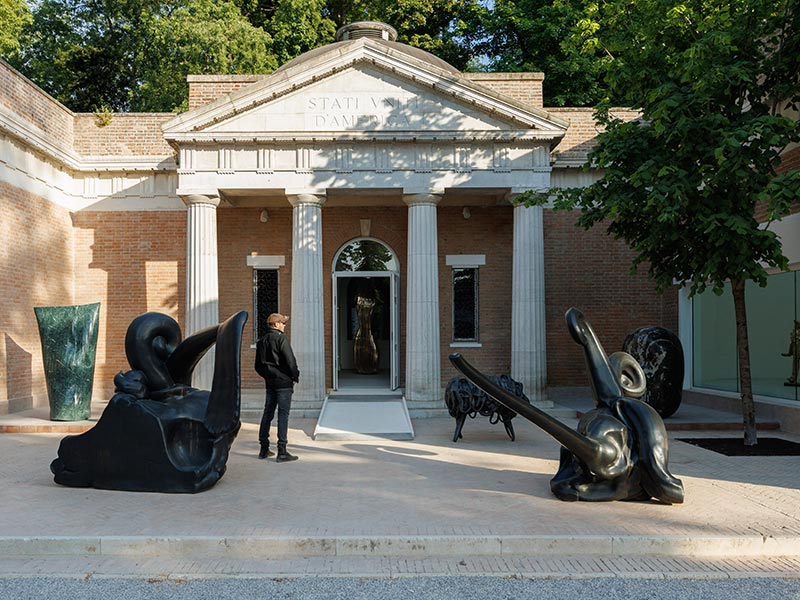
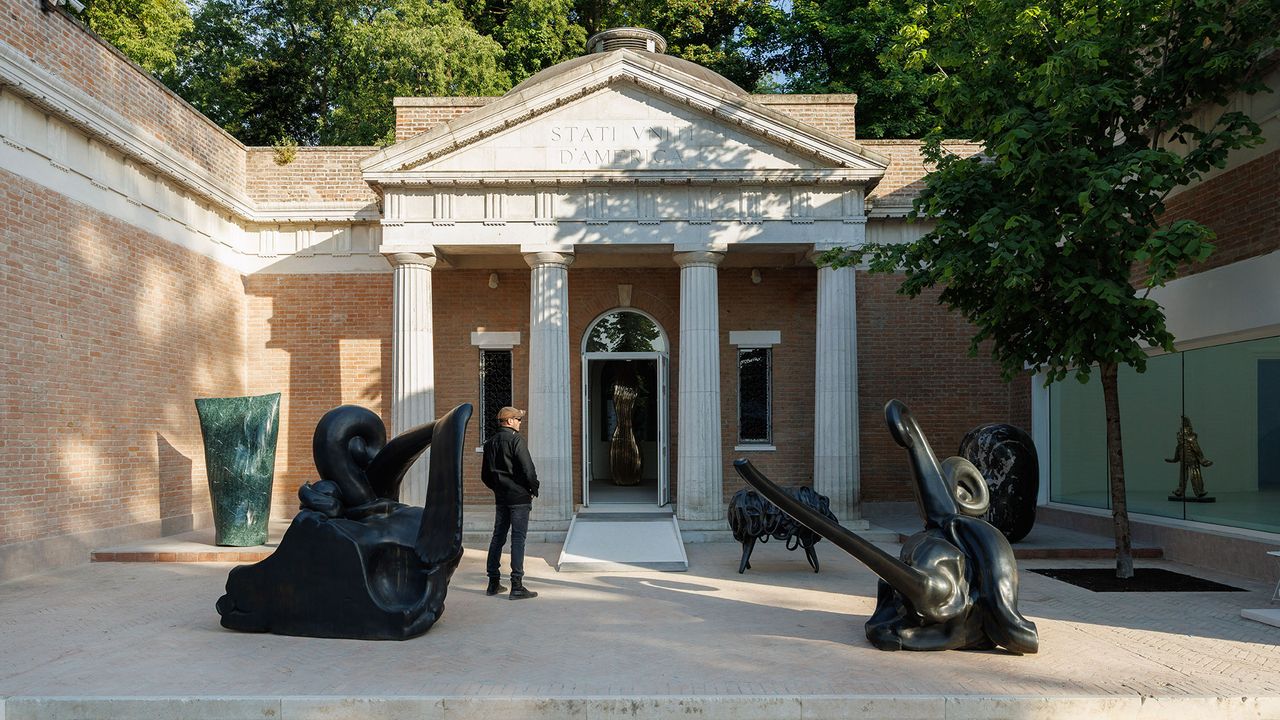
U.S. artist Alma Allen, a self-taught sculptor from Utah who works in Mexico, has been selected to represent the United States at the Venice Biennale with his exhibition "Call Me the Breeze" at the U.S. Pavilion. The selection process was fraught and opaque, with institutions declining to bid for the commission due to concerns about administration politics after the open call removed diversity, equity and inclusion language in favor of promoting "American values." A prior proposal for artist Robert Lazzarini fell apart after its institutional sponsor backed out, and Allen's project was quickly assembled with the American Arts Conservancy as sponsor and Jeffrey Uslip as curator. Allen, who has lived outside the critical art world for three decades, created a bronze evil eye for the pavilion's exterior and a headless sheep sculpture as a self-portrait of an outsider.

US artist takes stage in Venice exhibition

U.S. artist Alma Allen, a self-taught sculptor based in Mexico, has mounted an exhibition titled "Call Me the Breeze" at the U.S. Pavilion for the Venice Biennale after a fraught selection process. The process, which removed language on diversity, equity, and inclusion in favor of promoting "American values," caused several institutions to withdraw from vying for the commission. Allen created a bronze evil eye for the pavilion's exterior to ward off bad vibes, and his show includes a dozen new works alongside pieces from the last 20 years. The prior proposal for artist Robert Lazzarini fell apart after its institutional sponsor backed out, leading to a new project with the American Arts Conservancy as sponsor and Jeffrey Uslip as curator.

United States Pavilion to Open at the 61st International Art Exhibition of La Biennale di Venezia With Landmark Solo Presentation by Alma Allen: Call Me the Breeze

The United States Pavilion will open at the 61st International Art Exhibition of La Biennale di Venezia with a landmark solo presentation by artist Alma Allen, titled "Call Me the Breeze." The exhibition marks the first time the U.S. Pavilion has dedicated its space to a single artist in this context, highlighting Allen's sculptural work that blends organic forms with industrial materials.

United States Pavilion to Open at the 61st International

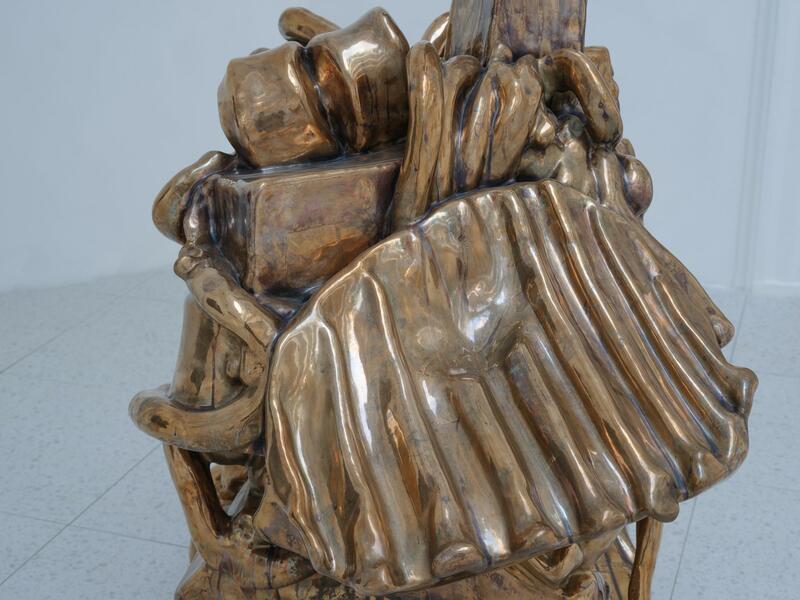
The United States Pavilion at the 61st International Art Exhibition of La Biennale di Venezia will open on May 6, 2026, featuring a solo presentation titled "Call Me the Breeze" by American artist Alma Allen. Curated by Jeffrey Uslip and commissioned by the American Arts Conservancy with support from the U.S. Department of State and the Guggenheim Foundation, the exhibition transforms the historic Giardini pavilion with sculptures in bronze, walnut burl, and various stones, including Colorado Yule marble used in the Lincoln Memorial.

US SCULPTURES AMID CONTROVERSY AT THE VENICE BIENNALE

The United States Pavilion at the 61st Venice Biennale features sculptor Alma Allen's exhibition "Call Me the Breeze," which opened with no clear funding just ten days prior. Unlike previous pavilions supported by major foundations like Ford and Mellon, Allen's show relies on a $375,000 US government contribution and public donations via the American Arts Conservancy. The selection process was unconventional: the State Department, which took over after Trump's NEA budget cuts, imposed restrictions on DEI policies and required proposals promoting "American exceptionalism." Curator Jeffrey Uslip directly approached Allen without a formal proposal, leading the artist's two galleries—Olney Gleason and Mendes Wood DM—to drop him when he accepted the commission.